
Innovation in Europe shows up when universities, startups, and city halls work in the same direction. Smart living is not only about apps, but it is also about reliable transit, safer streets, cleaner air, and services that respond quickly. The ten cities below were chosen because research institutions feed local pilots, those pilots are scaled through public policy, and residents notice results through housing options, digital access, and climate planning. Across these places, students train on real datasets, labs partner with agencies, and tools are judged by fairness and usability. It also keeps talent local and public trust high.
1. Amsterdam, Netherlands
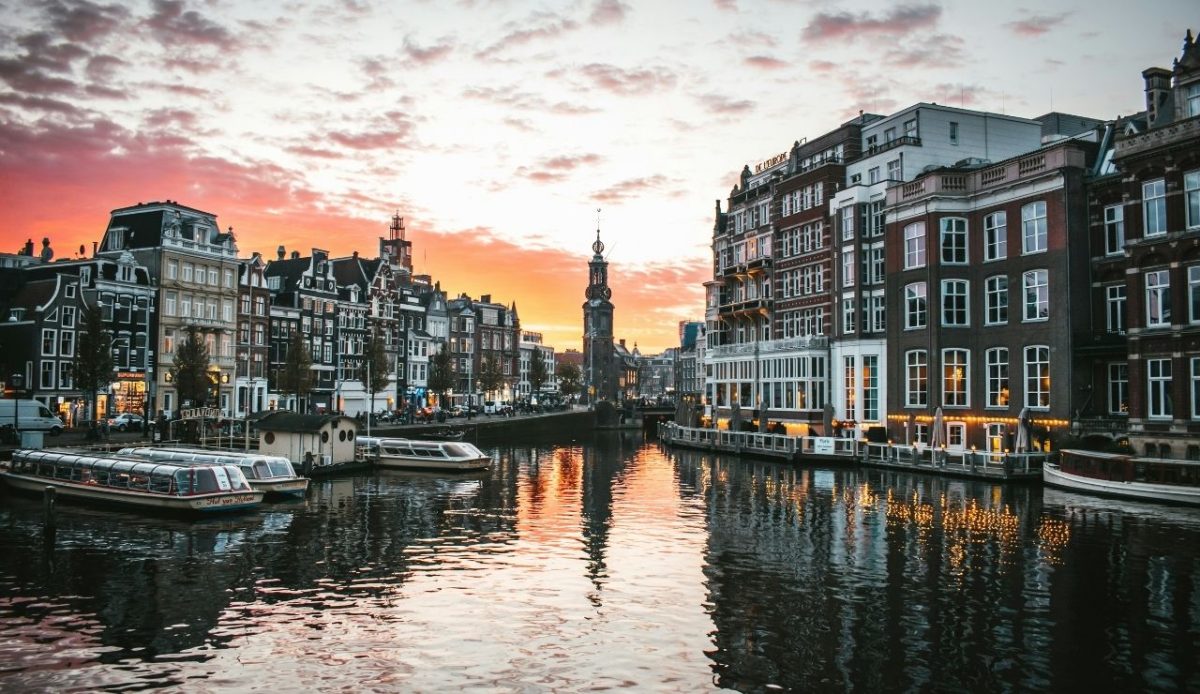
Amsterdam links applied research to urban operations through open data, living labs, and strong planning rules. Students from local universities are placed in mobility, water, and energy projects where models are tested on real streets. Sensor networks support traffic timing and canal monitoring, while privacy rules are enforced through public review. Digital permits and service portals reduce paperwork for residents and small firms. The result is innovation that is taught, piloted, and then adopted at scale. Smart mobility is paired with bike priority, and housing data is used to spot pressure early and guide repairs.
2. Barcelona, Spain

Barcelona shows how digital infrastructure can serve daily needs when universities help design the rules. Research groups study urban heat, water use, and connectivity, and their findings are used in district plans and budgets. Street lighting and waste collection have been optimized with sensors, while public Wi Fi supports access in crowded areas. Training programs connect students with civic tech teams, so prototypes are evaluated with residents. Services improve without turning neighborhoods into test subjects. Mobility data also supports safer crossings and calmer routes around schools, which helps smart living feel practical.
3. Copenhagen, Denmark
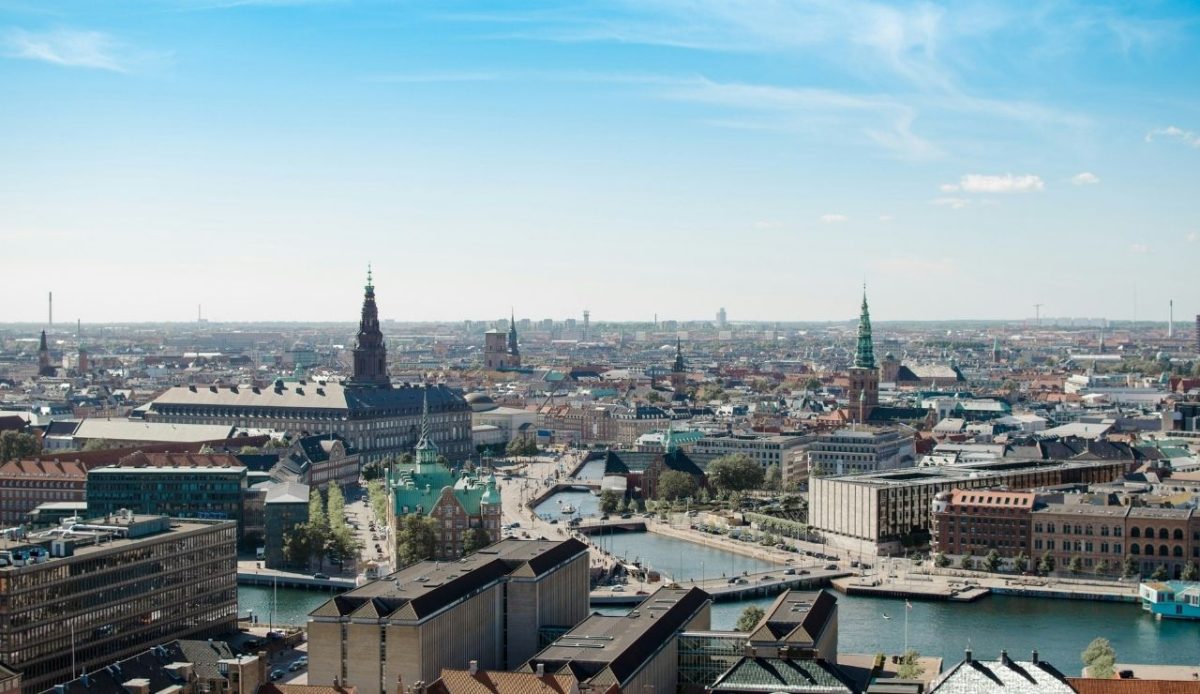
Copenhagen pairs innovation education with citywide climate and transport goals that are measurable. Universities and technical schools contribute research on cycling behavior, building performance, and district energy. Those studies are translated into standards for new housing and upgrades for older blocks, so emissions cuts are pursued without sacrificing comfort. Digital ticketing, real-time transit updates, and traffic management support predictable commutes. Flood risk is reduced with data-guided drainage, and crews react quickly after heavy rain. Student placements in city teams help audit results and refine the round of fixes.
4. Helsinki, Finland

Helsinki focuses on service design, open standards, and strong digital identity tools that make city systems easier to use. Universities and applied institutes work with agencies on artificial intelligence, mobility analytics, and health tech, and pilots are run in public settings. Residents benefit from unified portals for permits, appointments, and feedback, which reduces delays and duplicated forms. Data sharing is managed with clear consent rules, and accessibility is built into interfaces. Education stays practical because projects are graded against real service metrics. Snow-clearing routes are optimized to keep buses on time.
5. Vienna, Austria

Vienna combines research capacity with long-range planning, so smart living is built into housing, transit, and utilities. Local universities support work on energy modeling, urban health, and public administration, and findings are shared with municipal operators. Digital services help residents manage documents, school enrollment, and appointments, while in-person access remains available. Affordable housing policy reduces displacement pressure, which keeps innovation benefits widely distributed. Projects are evaluated over years, not weeks, and budgets are kept transparent. Heat maps guide shade projects and cooling upgrades.
6. Stockholm, Sweden

Stockholm benefits from a dense cluster of universities and research parks that feed talent into civic technology and clean transport. Pilot zones for electrified buses and logistics have been used to test charging reliability in cold weather, and results are folded into procurement. Digital tools support transit planning, public reporting, and access to cultural and learning services. Water quality and shoreline management are monitored with sensors, which help protect urban nature close to housing. Education and innovation meet when students work with operators on real performance targets. Progress is reviewed yearly.
7. Berlin, Germany

Berlin pairs a large university network with a startup base that feeds new public service ideas into local districts. Research on transport electrification, building retrofits, and cybersecurity is supported by labs that work with transit operators and utilities. Open source approaches are often used for civic software, which helps auditing and reuse across agencies. Residents see smart living through better trip planning tools, more digital appointments, and expanded micromobility regulation. Education stays connected to practice because internships and incubators are tied to city challenges.
8. Munich, Germany
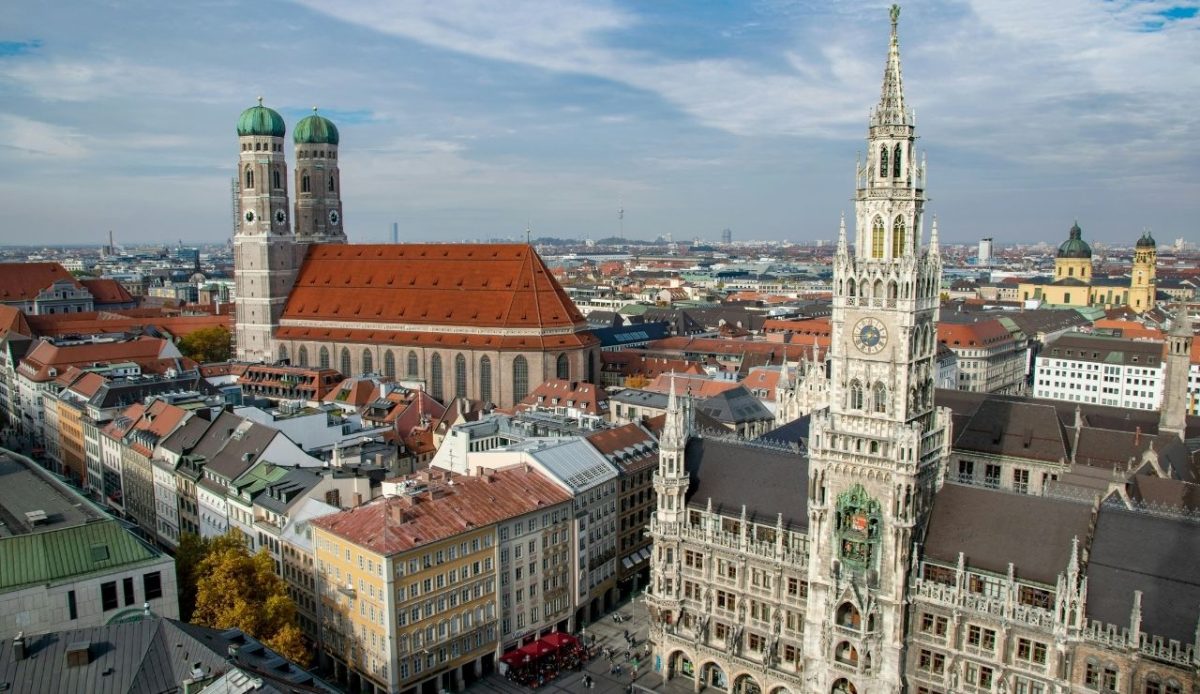
Munich draws strength from technical universities and applied research centers that support robotics, mobility systems, and advanced manufacturing. Partnerships with transit providers and regional firms allow student projects to move from lab benches to operational tests. Smart living benefits include integrated ticketing, traffic coordination, and energy efficiency upgrades in public buildings. Data governance has been tightened so personal information is protected, while planning insight is retained. Training is aligned with industry demand, and graduates are prepared for roles in urban systems and high-skilled services.
9. Paris, France

Paris ties innovation education to large-scale infrastructure through universities, engineering schools, and public research institutes. Urban labs study air quality, heat stress, and traffic patterns, and policy trials are run across multiple boroughs before they are expanded. Smart living improvements include cleaner mobility options, better real-time information, and digitized access to many municipal services. Public data is published for analysis, and community groups can challenge assumptions during consultation. The city shows how dense environments can be improved when research and governance are kept closely linked.
10. Tallinn, Estonia
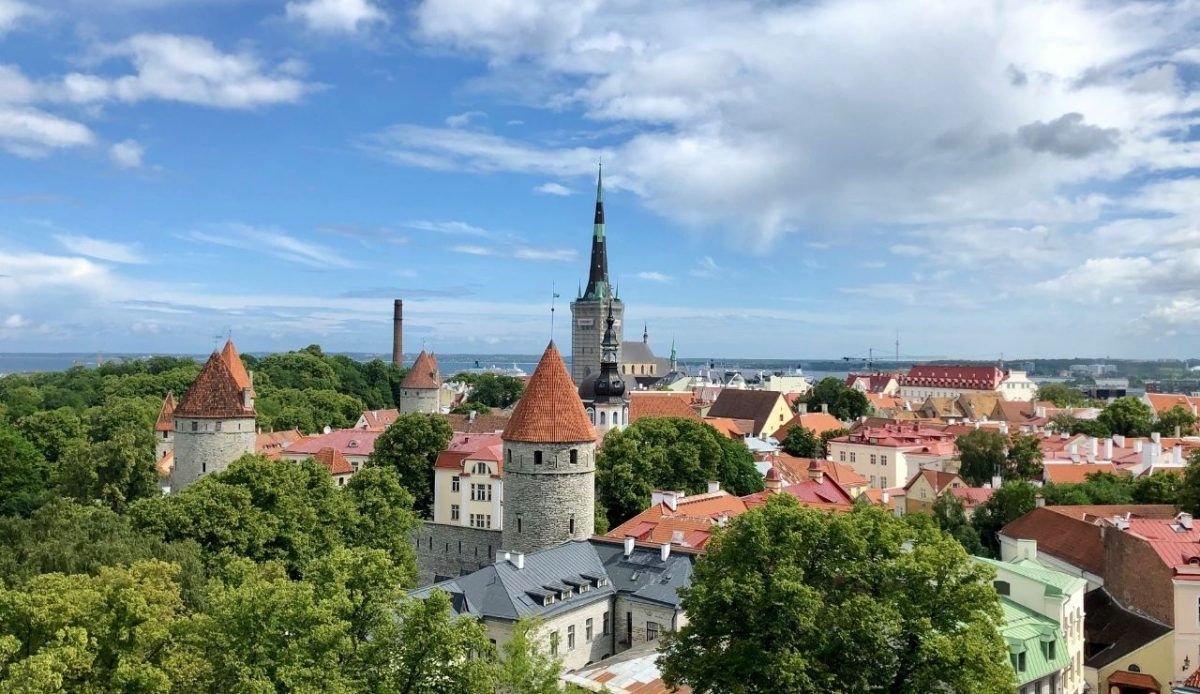
Tallinn is known for digital government that reaches daily life, and its universities contribute talent for secure services and software design. Residents can handle many tasks online, which reduces friction for permits, payments, and business setup. Education supports this system through programs focused on cybersecurity, data management, and product building, and graduates are absorbed into both startups and public teams. Smart living is reinforced by integrated transport apps and clear digital identity tools. Systems are stress tested often, and resilience planning is taken seriously. Capacity is built for growth.
