
Serious trials magnify small errors. Longer days, steep grades, and limited escape routes mean that planning and judgment matter as much as strength. Before committing to remote ridges or technical scrambles, hikers should rehearse core skills on easier outings and learn how to adapt when conditions shift. Useful habits include checking maps often, managing layers, treating water, and setting a firm turnaround time. Communication plans and basic first aid also reduce risk. The list below covers fifteen skills that support safer choices when terrain, weather, and fatigue collide. Practice them before committing to bigger days.
1. Navigation Without Cell Service

Serious trail navigation starts with a paper map and a compass, plus the habit of checking them often. Phones lose signal, batteries drain in cold, and apps can show an outdated track. Hikers should match contour lines to ridges and gullies, confirm the direction of travel, and note landmarks that can be recognized on return. Knowing map scale helps estimate time between junctions, and simple triangulation can confirm location when visibility drops. Practice includes taking a bearing, following it for a short distance, then relocating after a deliberate detour. This skill prevents wasted miles and late-day panic.
2. Route Planning and Turnaround Timing
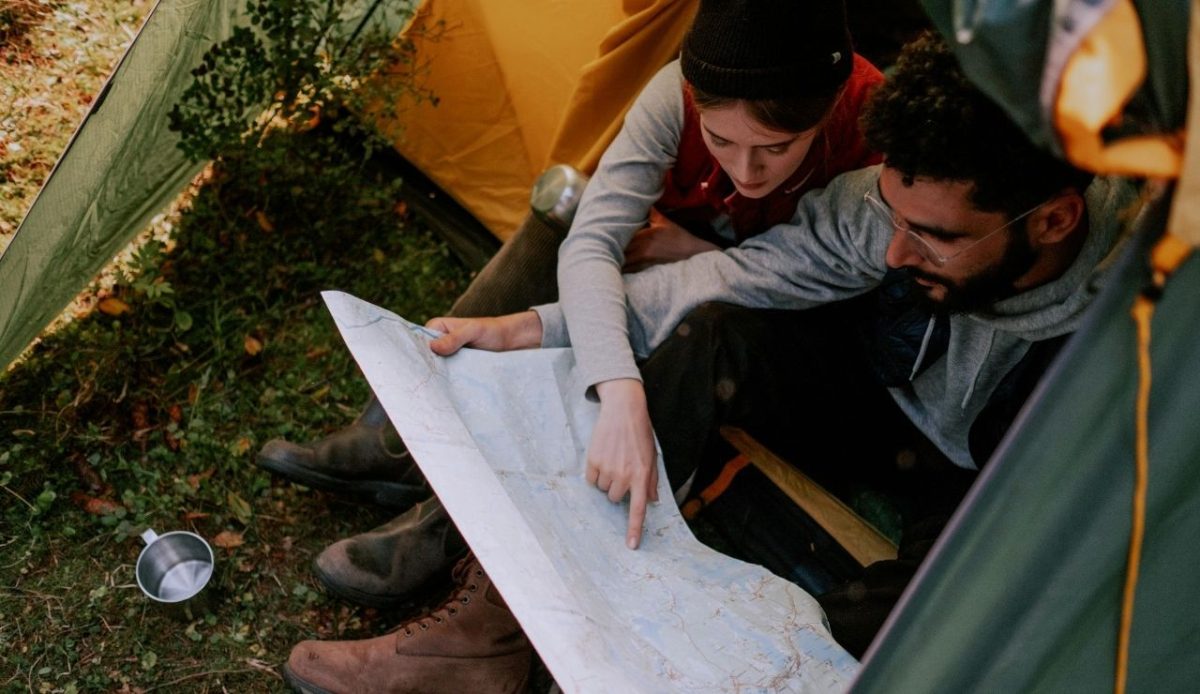
Before a serious route, planning should include distance, elevation gain, daylight, and escape options. A realistic turnaround time must be chosen and treated as a rule, even if the summit is close. Route research should note permits, seasonal closures, and river levels, so the day is not improvised mid-hike. Key waypoints can be written down, and an offline map should be stored in case signs are missing. Sharing the plan with a trusted contact, including car location and check-in timing, adds a safety backstop. This skill centers decisions before fatigue clouds judgment. It also helps set a smaller goal if conditions turn.
3. Pacing and Energy Management
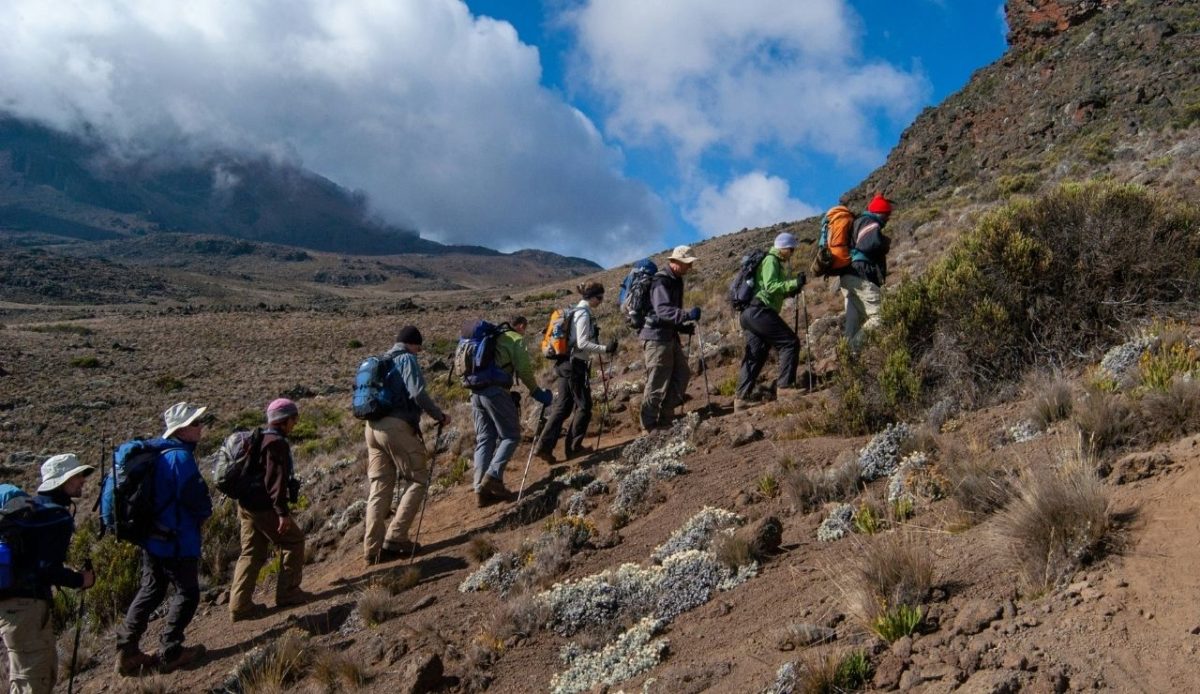
On demanding trails, pacing is a safety tool. Starting too fast raises heart rate early and increases the odds of cramps on steep climbs. A steady rhythm, short steps, and planned micro breaks keep effort sustainable across hours. Many hikers use a simple rule of eating every thirty to forty five minutes and drinking regularly, even in cool air. Breathing should stay controlled enough for short phrases, and the rest step can reduce burn on long grades. Electrolytes can help when sweating is heavy. Good pacing leaves enough reserve for the descent, where many injuries occur. When tired, a slower speed protects the footing.
4. Water Sourcing and Treatment
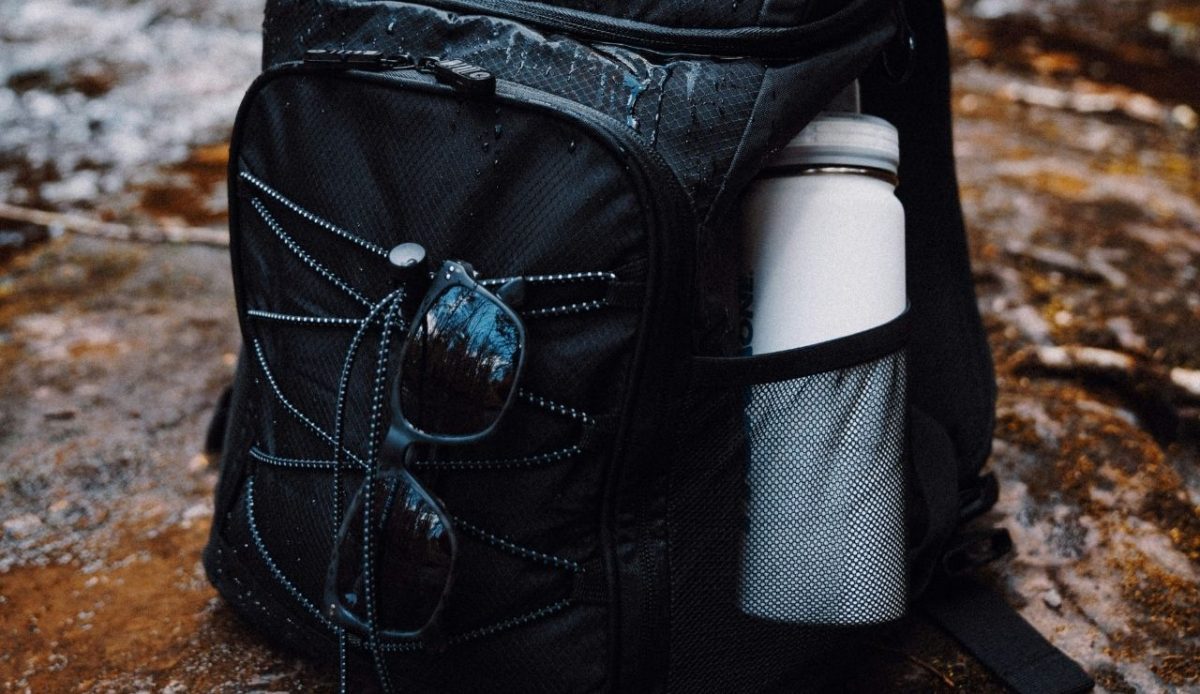
Serious routes can run dry, so water planning must be specific. Before leaving, hikers should confirm where sources exist, when they are reliable, and how long the longest dry stretch will be. Capacity matters, so bottles or a bladder should match the day, not a habit from short walks. Carrying a filter or purifier is not enough unless it can be used quickly in the wind and cold hands. Know how to backflush a filter, prevent freezing at night, and use tablets or boiling when equipment fails. In silty water, a bandana prefilter can extend cartridge life. This skill prevents dehydration, stomach illness, and risky detours.
5. Weather Reading on the Move
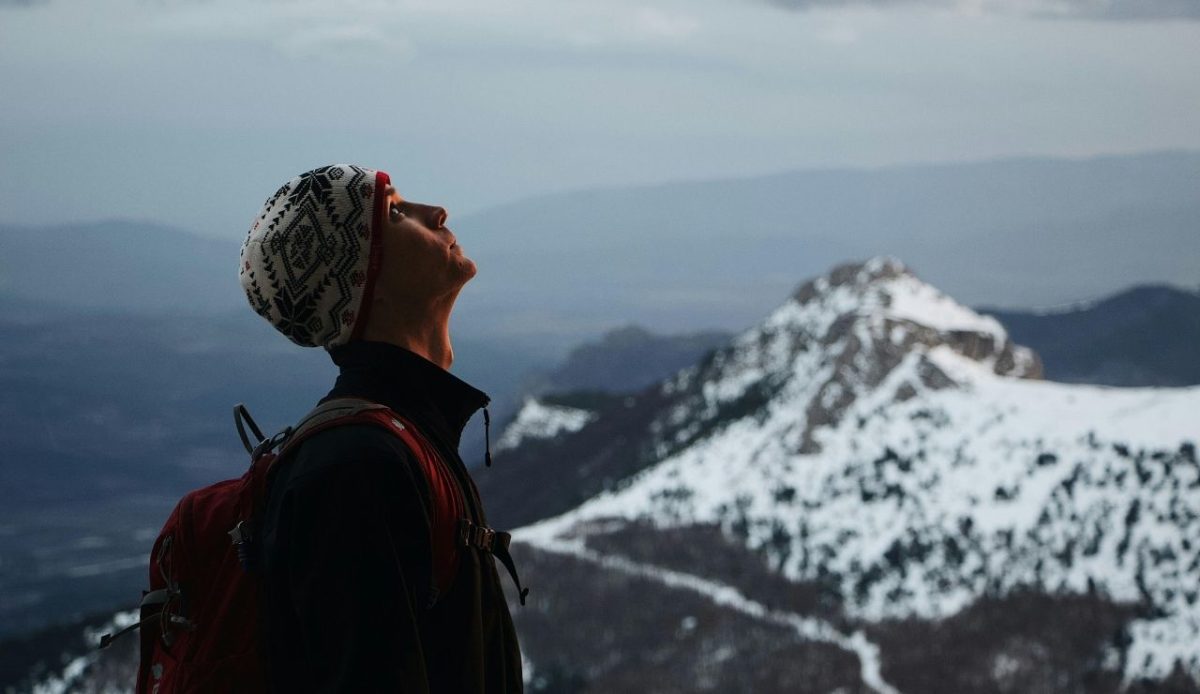
Weather skill means reading more than a morning forecast. Before starting, hikers should check updated radar or advisories, then expect conditions to change with elevation. On the trail, watch cloud build, wind direction, and sudden cooling that can signal an approaching front. Lightning risk increases on ridges and above treeline, so early descent decisions often matter more than speed. Rain can turn rock into a slip surface and raise streams within minutes, while hail can numb hands on a scramble. Knowing when to retreat, reroute, or wait in protected terrain keeps small shifts from becoming emergencies.
6. Layering for Heat and Cold Control
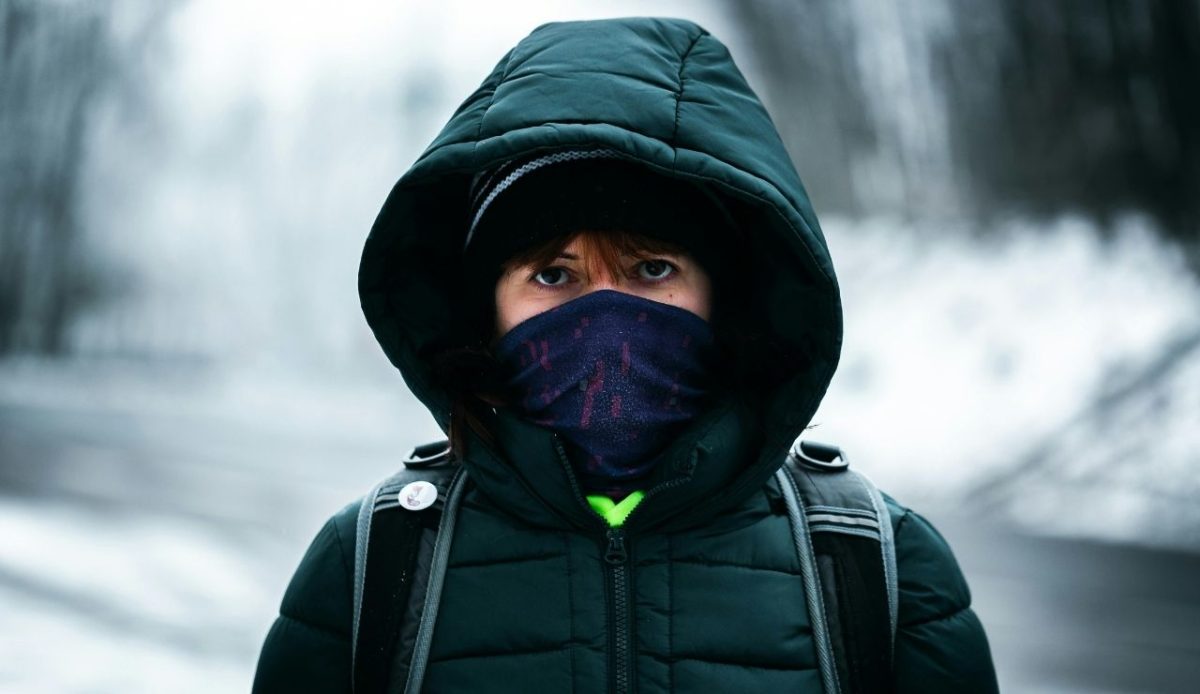
Layer management is a moving process, not a packing list. Overheating leads to sweat, and sweat leads to rapid chilling when a break starts or the wind increases. Hikers should vent early, use zippers and cuffs, remove a layer before a long climb, and add insulation as soon as pace slows. Choosing fabrics that dry fast helps, while cotton stays wet and pulls heat away. Hands and head lose heat quickly, so gloves and a warm hat can matter even in mild air. Keep spare clothing dry in a waterproof bag, and watch for shivering or clumsy hands as early warning signs. A rain shell also blocks wind during exposed pauses.
7. Foot Care and Blister Prevention

Foot care is a skill because small hot spots become big problems on long descents. Boots or trail shoes must fit with the socks that will be worn, and lacing should be adjusted for climbs and drops. At the first hint of rubbing, stop and tape the area, since waiting can create an open blister. Carry a simple kit with tape, a small pad, and a needle only if you know a safe technique. Keep feet dry when possible by swapping socks and airing them at breaks, and use foot powder if sweat is constant. Toenails should be trimmed to prevent bruising when the trail points downhill for hours. Gaiters can keep grit out.
8. Steep Descent Technique
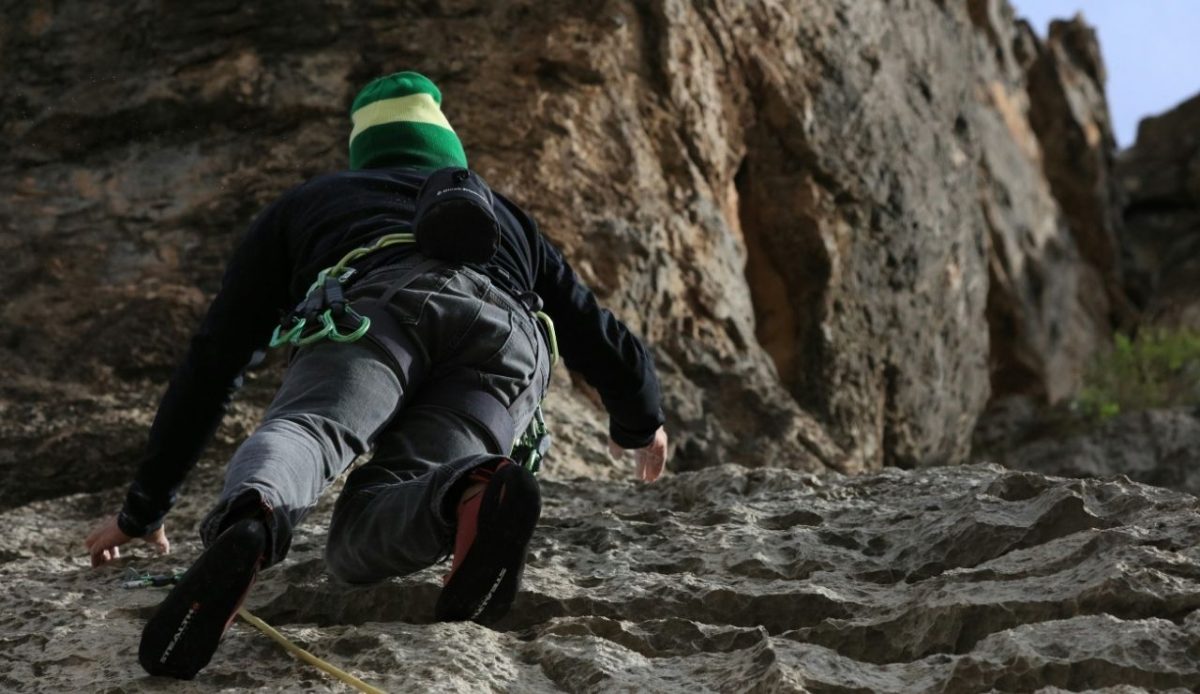
Many serious trail injuries happen on the way down, so descent technique matters. Shorter steps lower impact and reduce the chance of a slip. Keep knees slightly bent, place the full foot when possible, and avoid leaning back, which can trigger a slide. On switchbacks, look a few steps ahead and keep your hips over your feet instead of reaching. On loose gravel, step on larger stable rocks rather than marbles that roll, and side step on very steep pitches. Poles can add balance if straps are used safely and tips are placed before weight shifts. Controlled speed protects joints and keeps focus when fatigue is high.
9. Rockfall and Loose Ground Awareness
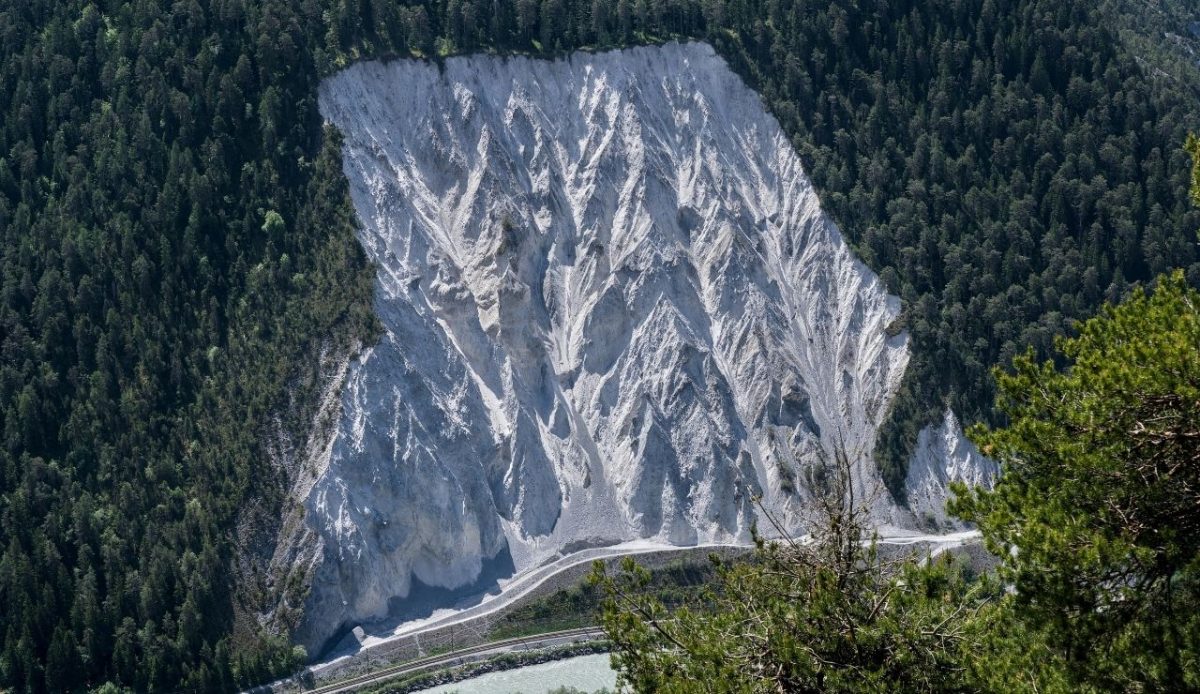
Loose ground awareness reduces rockfall and ankle injuries on steep routes. Scree, talus, and eroded gullies require light steps and a plan for what will happen if a rock shifts. Step on larger embedded stones rather than loose plates, and test footing before committing weight. Move one person at a time through chutes, and avoid stopping directly below partners. Listen for rolling stones from above and watch for fresh debris that signals unstable slopes. If a rock is dislodged, call out a clear warning. On narrow ledges, keep your hands free and avoid brushing the downhill edge with a pack. A helmet may be wise in gullies.
10. Basic Wilderness First Aid
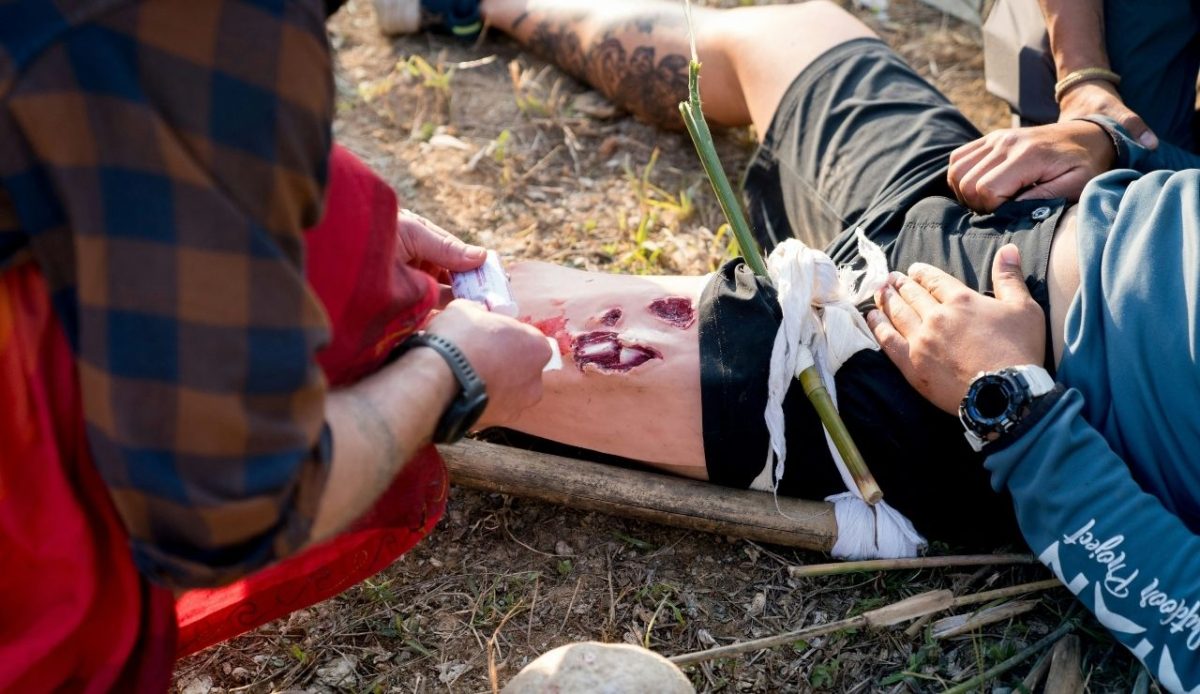
Wilderness first aid begins with preventing shock and controlling bleeding. Know how to clean and dress a wound, support a sprain with a wrap, and recognize when a fracture is possible. Pain and swelling can limit walking, so improvised splints and a slow exit may be needed. Learn a simple patient check, including breathing, circulation, and changes in alertness, since problems can hide behind a brave attitude. Allergy awareness matters too, so know how to respond to hives or trouble breathing if a bite occurs. Carry a kit that matches your training, and practice using it with cold fingers and limited light.
