
The United States offers some of the most breathtaking yet hazardous road adventures on Earth. These routes cut through rugged mountains, deserts, and coastlines where beauty and risk often share the same path. Experienced drivers seek them for the challenge, the isolation, and the views that reward every mile. From avalanche-prone passes in Colorado to heat-scorched desert roads in California, these 17 dangerous road trips test both driver skill and courage while offering an unforgettable look at America’s wildest terrain.
1. Million Dollar Highway (US-550), Colorado
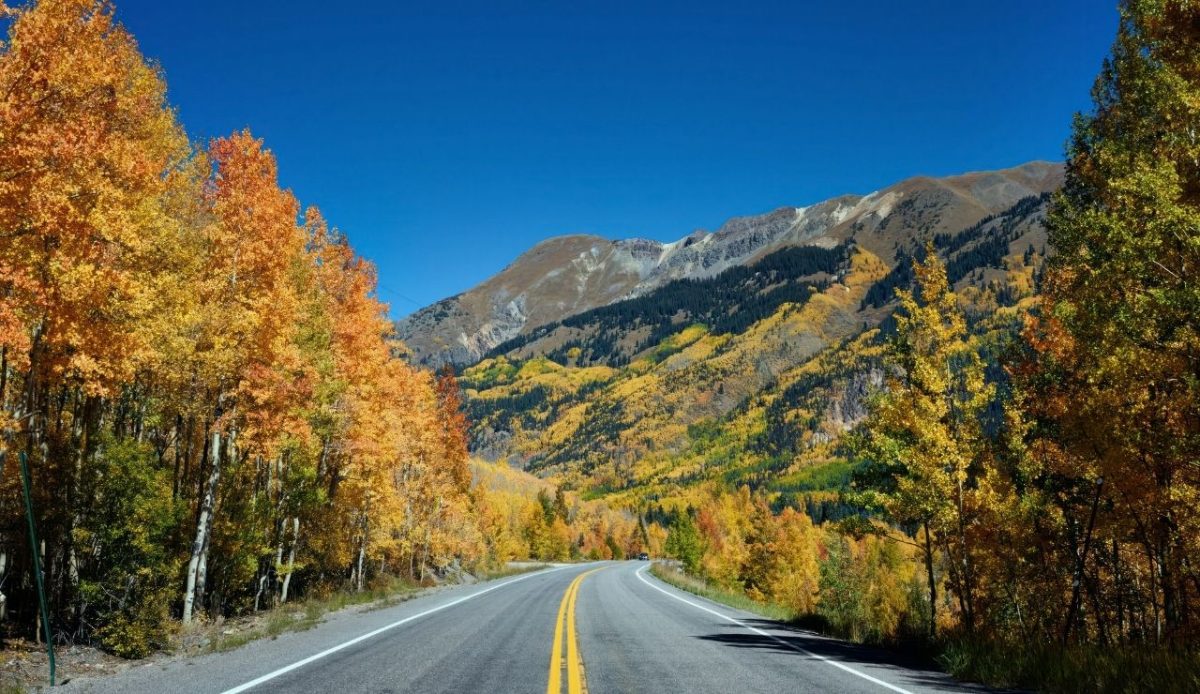
Running between Ouray and Silverton, the Million Dollar Highway winds through the San Juan Mountains at elevations exceeding 11,000 feet. Drivers face sharp switchbacks, sheer drops without guardrails, and grades that reach 8%. Snow and ice make the route especially risky in winter, and avalanches remain a constant threat along its 70 named paths. Emergency pull-offs are scarce, and a single mistake can prove costly. Despite the hazards, travelers still come for views of Red Mountain Pass, where the roadway hugs cliffs that deliver fear and awe in equal measure.
2. Dalton Highway, Alaska
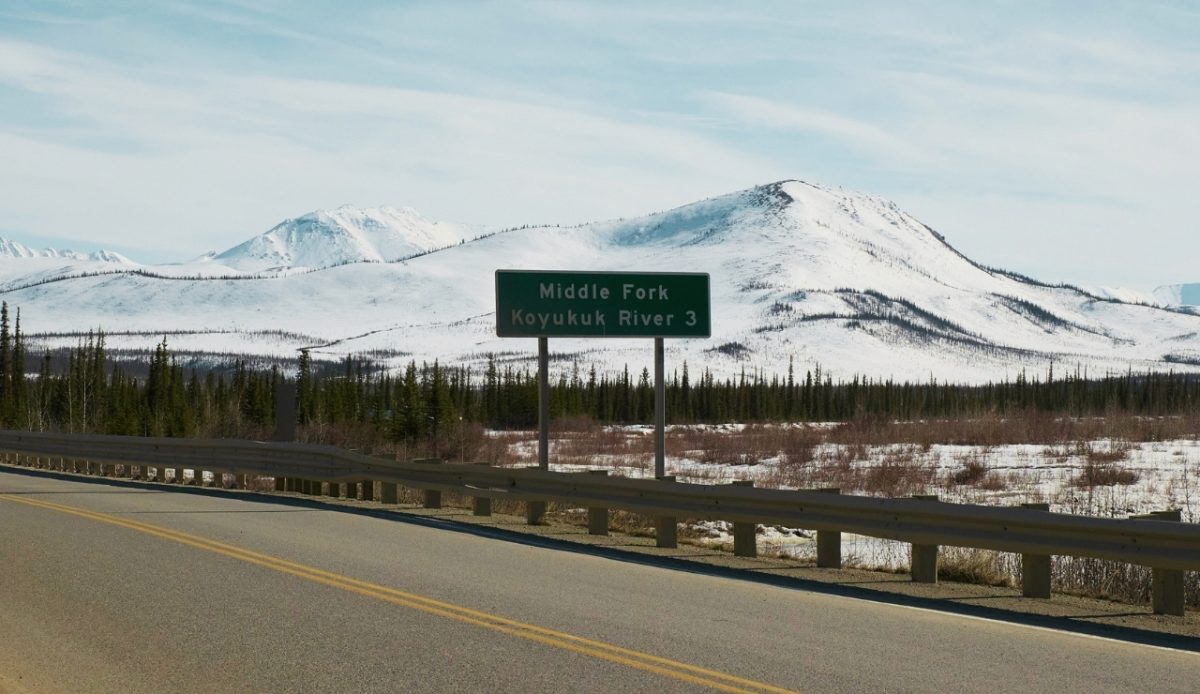
Spanning 414 miles from Livengood to Deadhorse, the Dalton Highway runs deep into Alaska’s Arctic wilderness. Much of the road is unpaved gravel, and service stations are hundreds of miles apart. Blizzards, whiteouts, and freezing temperatures as low as −80°F can immobilize vehicles. The route crosses Atigun Pass, a 4,700-foot crossing known for avalanches and limited visibility. Truckers dominate the road, and flying debris often cracks windshields. With long stretches of emptiness and unpredictable weather, the Dalton demands careful preparation, extra fuel, and the ability to handle complete isolation.
3. Tail of the Dragon (US-129), North Carolina/Tennessee
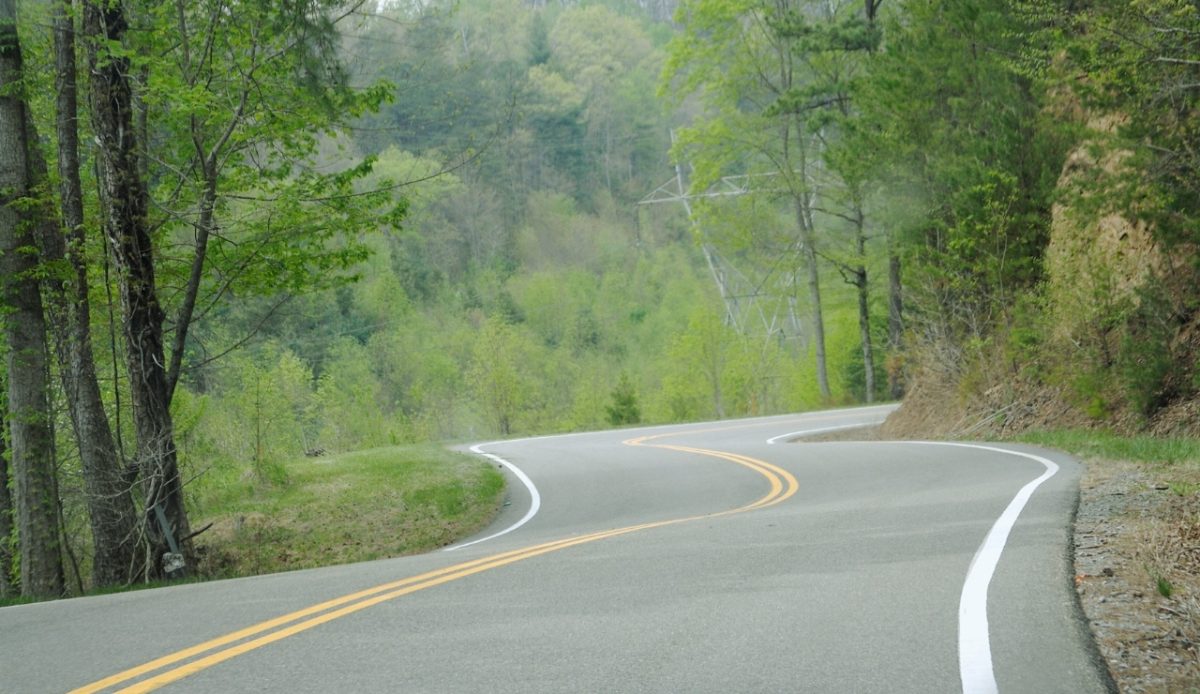
Famous among driving enthusiasts, the Tail of the Dragon packs 318 curves into just 11 miles through dense Appalachian forest. The narrow width leaves little margin for error, and blind corners arrive one after another with no shoulders or intersections. It draws thousands of motorcyclists every year, yet crashes are frequent and fatalities occur annually. Park rangers and state troopers patrol constantly to curb reckless driving. A memorial called the Tree of Shame displays broken bike parts from wrecks, reminding visitors that this mountain road demands total control and respect for every turn.
4. Death Valley National Park Roads, California/Nevada
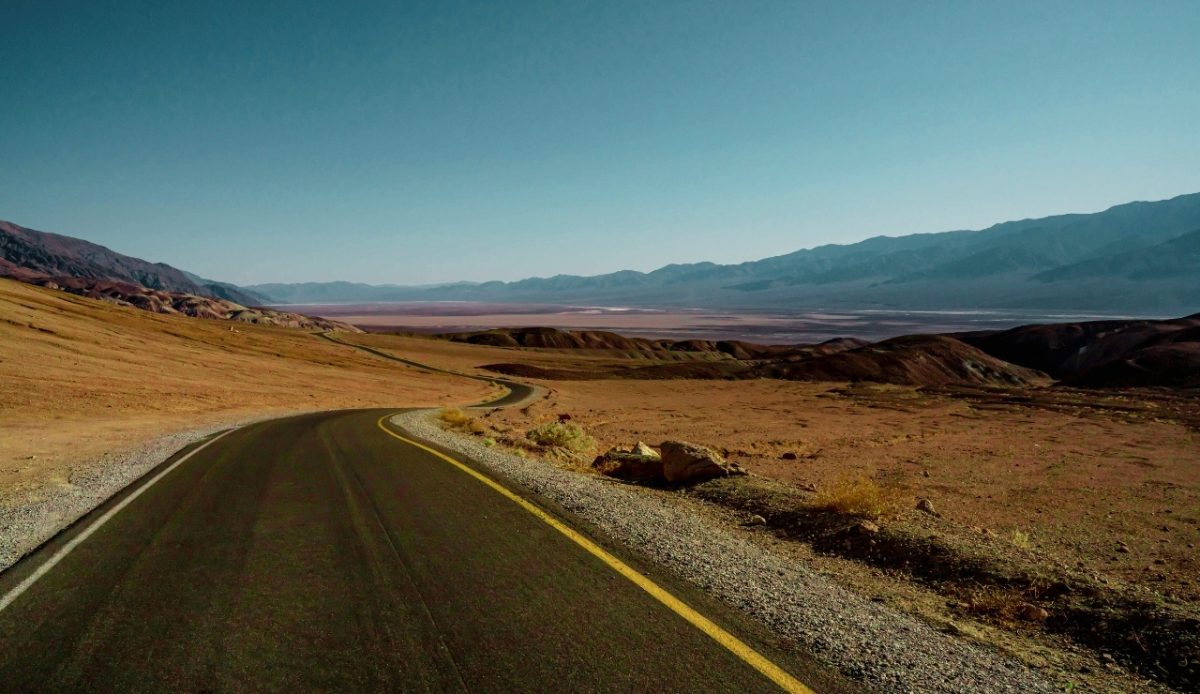
Roads through Death Valley test vehicles and drivers more than almost anywhere else in America. Temperatures can exceed 125°F for days, and cell service is nearly nonexistent across vast stretches. Engine failures and tire blowouts are common as extreme heat punishes both machines and people. Flash floods from rare storms can wash out entire sections, stranding travelers far from help. The National Park Service advises motorists to remain with their vehicles if trouble arises. Even well-prepared visitors must plan fuel stops carefully and carry extra water, since survival here depends on foresight rather than speed.
5. Beartooth Highway (US-212), Montana/Wyoming
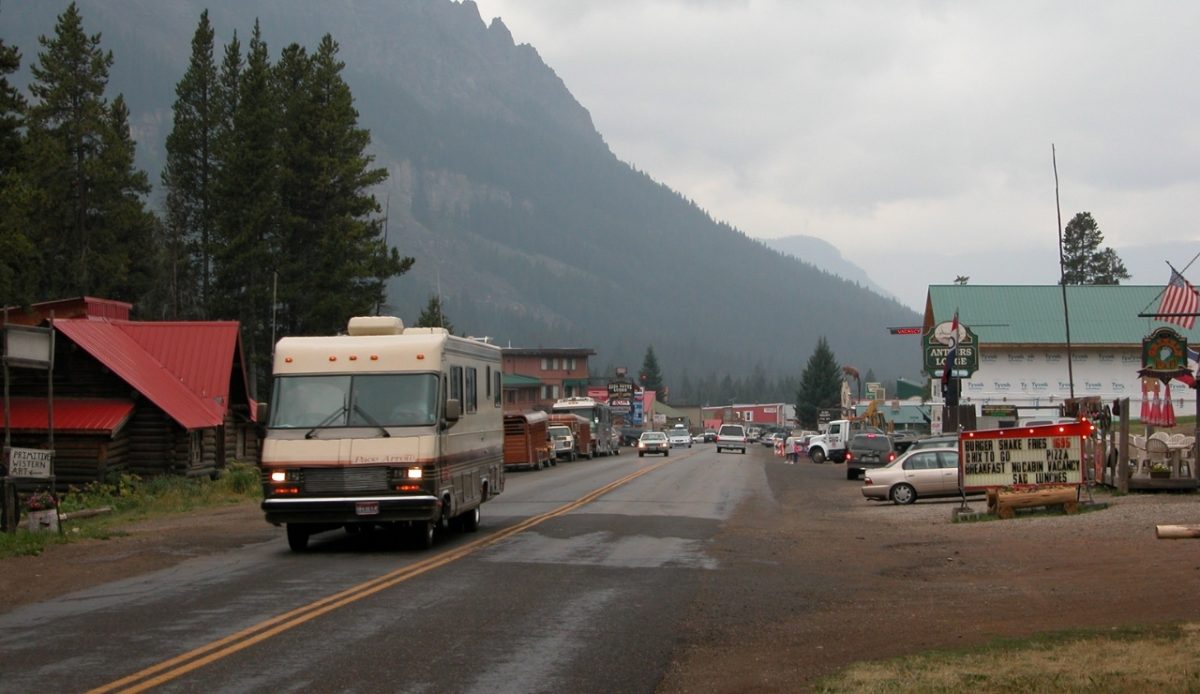
The Beartooth Highway climbs to nearly 11,000 feet, linking Red Lodge, Montana, with the northeast entrance of Yellowstone National Park. The road twists through alpine tundra where snow can fall even in July, and strong winds sweep across open ridges. Drivers navigate steep switchbacks, narrow lanes, and limited guardrails while adjusting to thin mountain air. Avalanche warnings and sudden whiteouts are common, forcing frequent closures. Because of these hazards, the highway operates only from mid-May to mid-October. Those who complete the drive encounter a rare blend of danger and beauty on one of the nation’s highest paved roads.
6. Black Bear Pass, Colorado
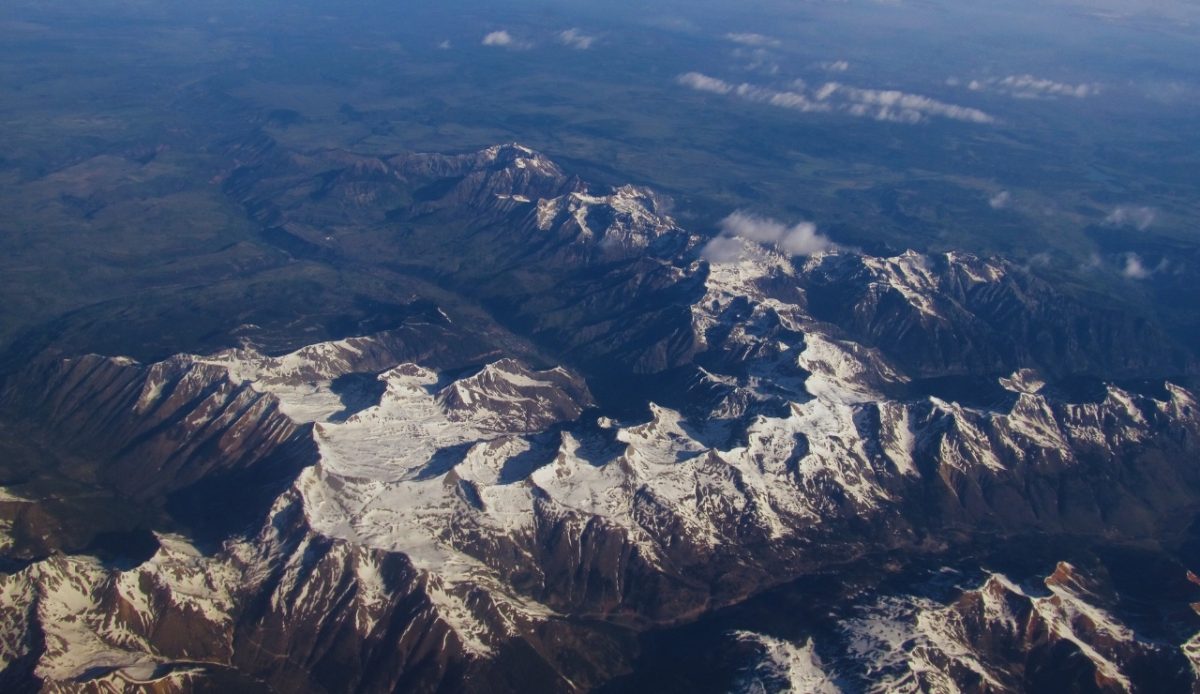
High in the San Juan Mountains near Telluride, Black Bear Pass is one of Colorado’s most intimidating routes. This rugged one-way trail descends through steep, rocky switchbacks with drops that plunge hundreds of feet. Only high-clearance 4WD vehicles are advised, and even experienced off-roaders proceed cautiously. The route is notorious for narrow ledges where passing is impossible, and wrong moves can trap vehicles with no easy recovery. Local authorities issue regular warnings to unprepared drivers, and signage clearly marks the road as dangerous. Those who manage it gain commanding views of Bridal Veil Falls.
7. Road to Hana (Hawaii Highway 360), Maui
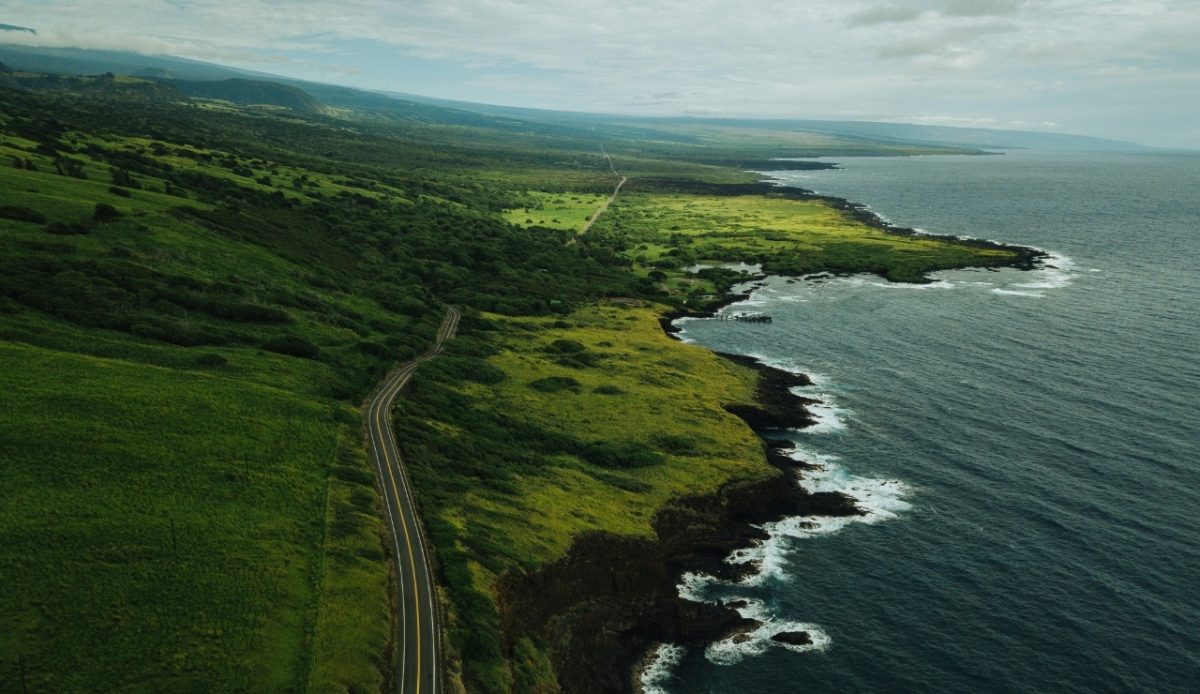
Hana Highway threads along Maui’s rugged northeast coast through rainforest, cliffs, and dozens of single-lane bridges. Over 600 curves make the 64-mile trip feel endless, and many turns hug the edge of steep drops with little or no barrier. Sudden rain showers reduce visibility, and falling rocks frequently block sections. Drivers often stop to yield to oncoming traffic or pedestrians visiting nearby waterfalls. Because of these risks, some rental companies prohibit the “back road” continuation beyond Hana. Despite the challenge, the drive endures as a Hawaiian classic, best approached slowly with full attention.
8. Highway 1 (Big Sur), California
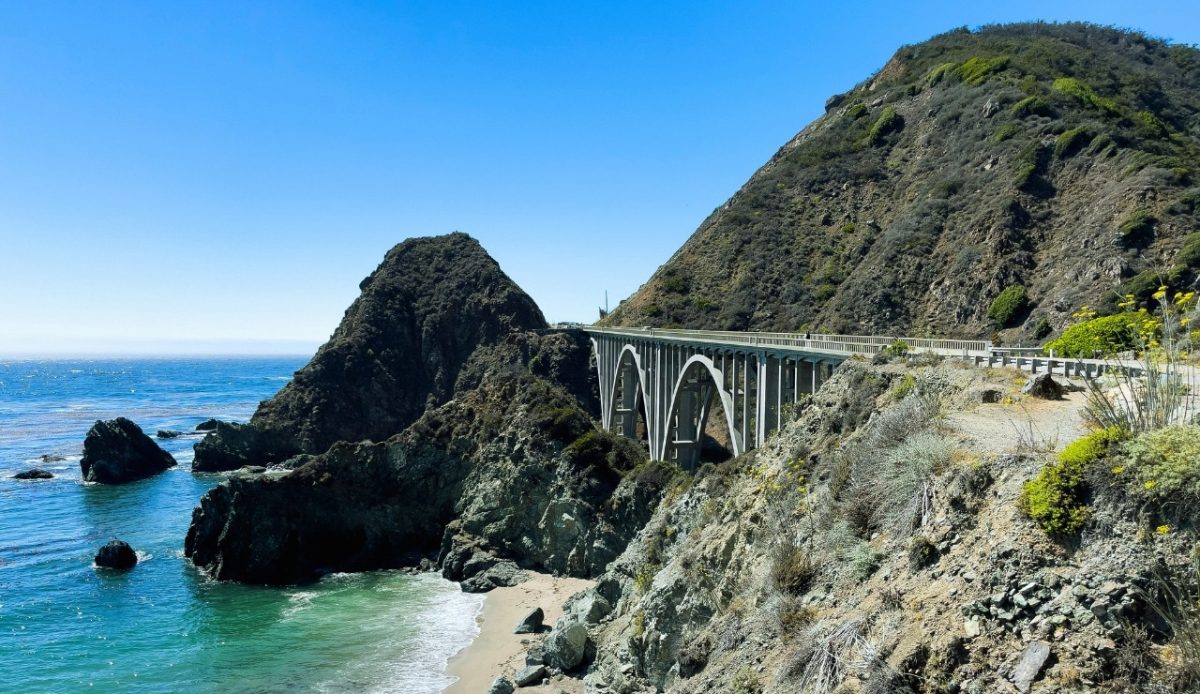
California’s Highway 1 through Big Sur pairs sweeping ocean views with constant geological instability. The road clings to the cliffs of the Santa Lucia Mountains, leaving little room for error on its narrow two lanes. Landslides, coastal erosion, and storms regularly close sections for months. The combination of blind curves, steep drop-offs, and minimal shoulders requires focus every minute. Crews reinforce slopes and rebuild washed-out areas again and again, yet nature continues to reshape the coast. Travelers who manage this stretch safely witness one of the most dramatic and unpredictable drives in the United States.
9. Blue Ridge Parkway, North Carolina/Virginia
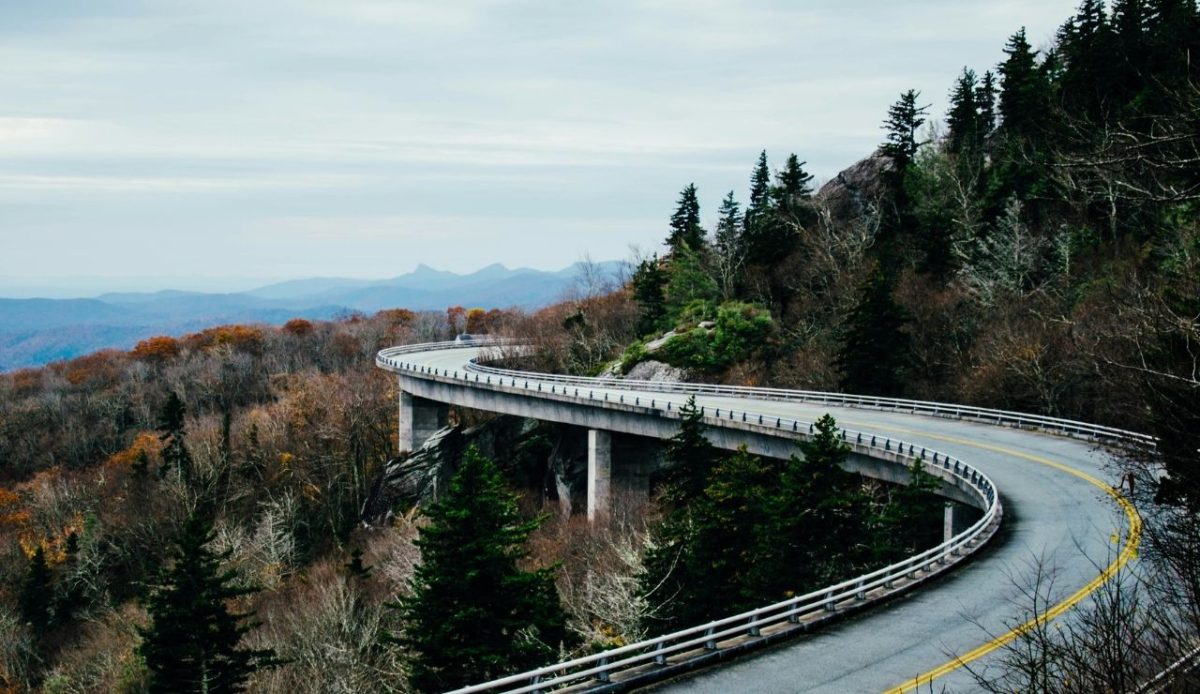
The Blue Ridge Parkway’s calm scenery can lull drivers into a false sense of safety. Stretching 469 miles through two states, the road winds along mountain ridges where sharp drops and sudden curves appear without warning. More than 200 crashes occur annually, often tied to distraction or wildlife. Weather shifts quickly, and fog can cut visibility to a few feet. The National Park Service reminds visitors to watch the road while enjoying the view. For travelers who reduce speed and respect its changing conditions, the parkway rewards patience without forgiving lapses in focus.
10. Saddle Road (Hawaii Route 200), Hawaii
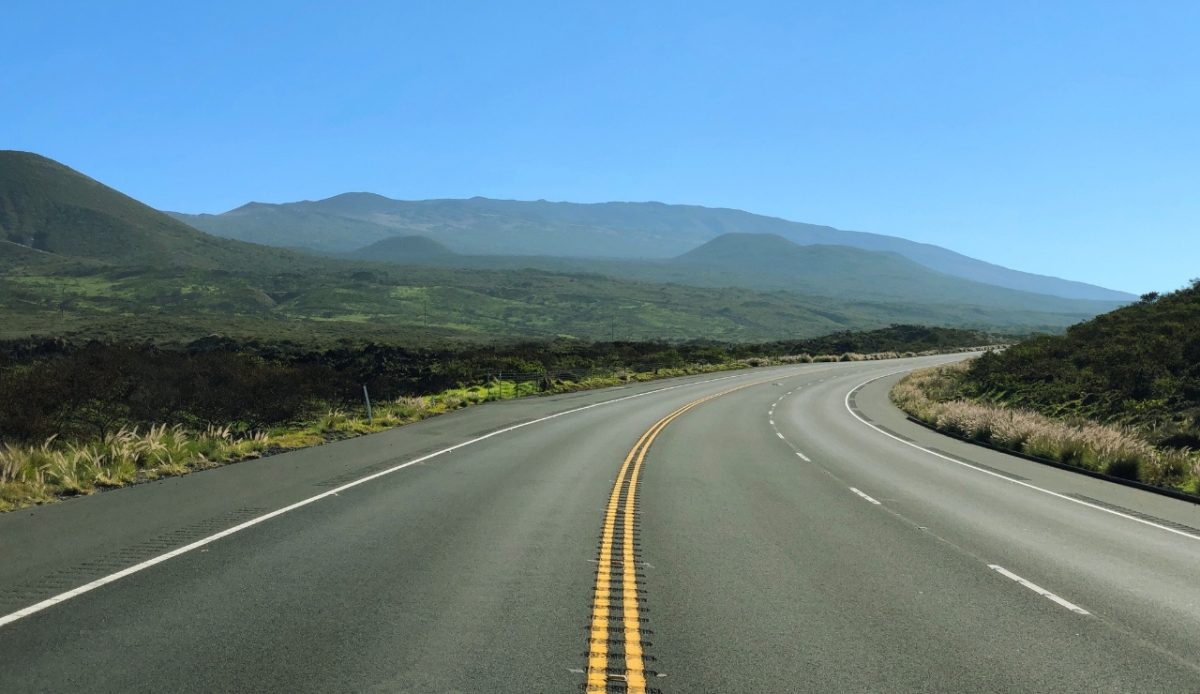
Running between Mauna Kea and Mauna Loa, Saddle Road crosses the volcanic highlands of Hawaii Island at more than 6,000 feet. Conditions change quickly, shifting from bright sunshine to dense fog that can hide the centerline. Torrential rain and sudden temperature drops add difficulty, while goats and other wildlife wander onto the pavement. Limited cell service and long gaps between fuel stops raise the stakes for any breakdown. Upgrades have improved parts of the highway, yet altitude and unpredictable weather still make this one of Hawaii’s most demanding drives for visitors and residents alike.
