
Cruising lets travelers experience multiple destinations without changing hotels, and some ports turn a stopover into an experience of their own. The best ones are easy to navigate, close to cultural highlights, and designed for smooth arrivals and departures. From ancient Mediterranean harbors to modern Asian terminals, each destination below offers something unique, whether history, scenery, or convenient access to local life. Whether travelers prefer walking on their own or booking a guided tour, these fifteen cruise ports make stepping ashore worthwhile.
1. Port of Barcelona (Barcelona, Spain)
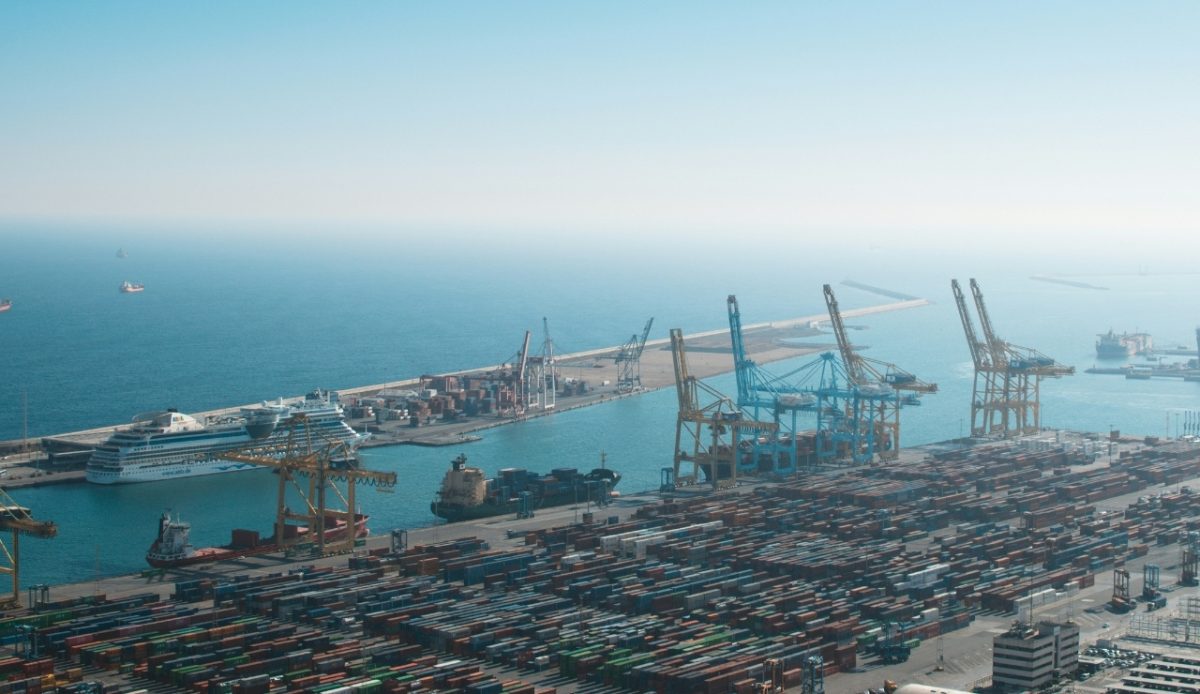
The Port of Barcelona ranks among Europe’s busiest and most scenic. Multiple terminals at Adossat Quay and World Trade Center process thousands of passengers daily, minutes from La Rambla and the Gothic Quarter. Architecture, beaches, and an active dining scene make it an ideal place to extend a stay. Transportation options abound, with taxis, shuttles, and public buses connecting directly to central attractions. The port’s efficient setup and proximity to Park Güell and Sagrada Família let visitors experience authentic urban culture during a short stop.
2. Valletta Cruise Port (Valletta, Malta)
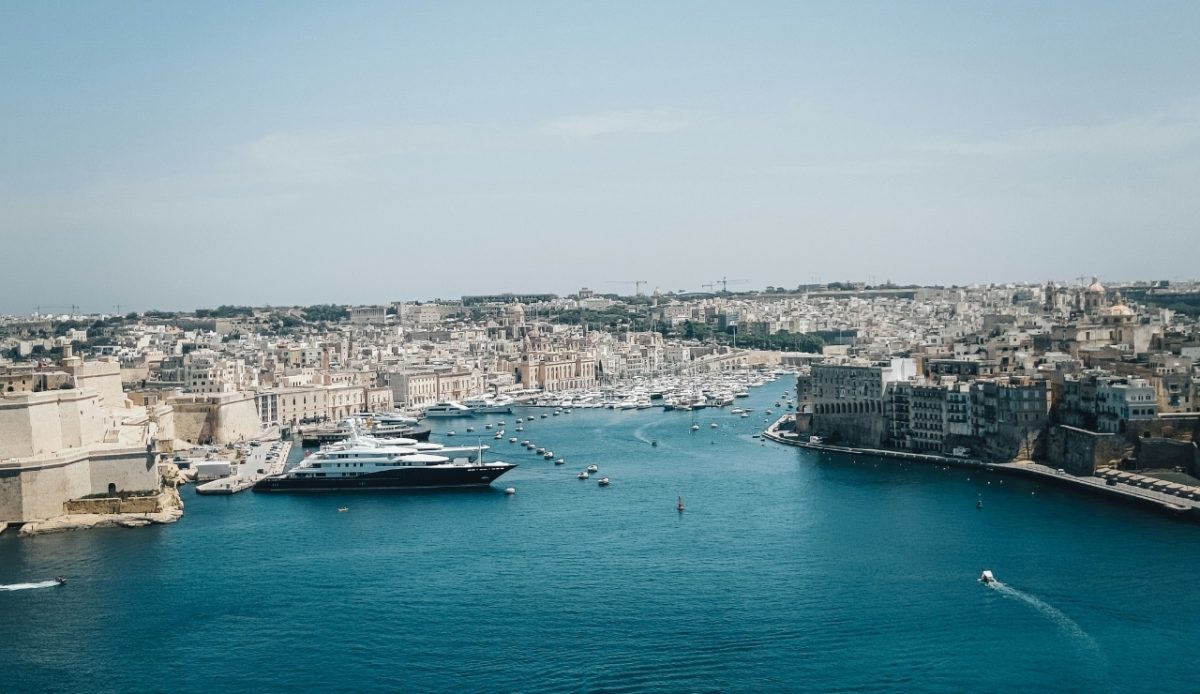
Valletta Cruise Port, along Malta’s Grand Harbour, welcomes travelers with views of honey-colored fortifications. The terminal stands just below the capital’s Old Town, and Upper Barrakka Gardens and Republic Street sit only minutes away. Passengers can tour St. John’s Co-Cathedral or visit fishing villages such as Marsaxlokk. The port provides easy access to buses, ferries, and excursion kiosks. Compact and walkable, Valletta delivers an immersive visit during a brief call, pairing architectural grandeur with the relaxed pace of island life.
3. Port of Dubrovnik (Dubrovnik, Croatia)
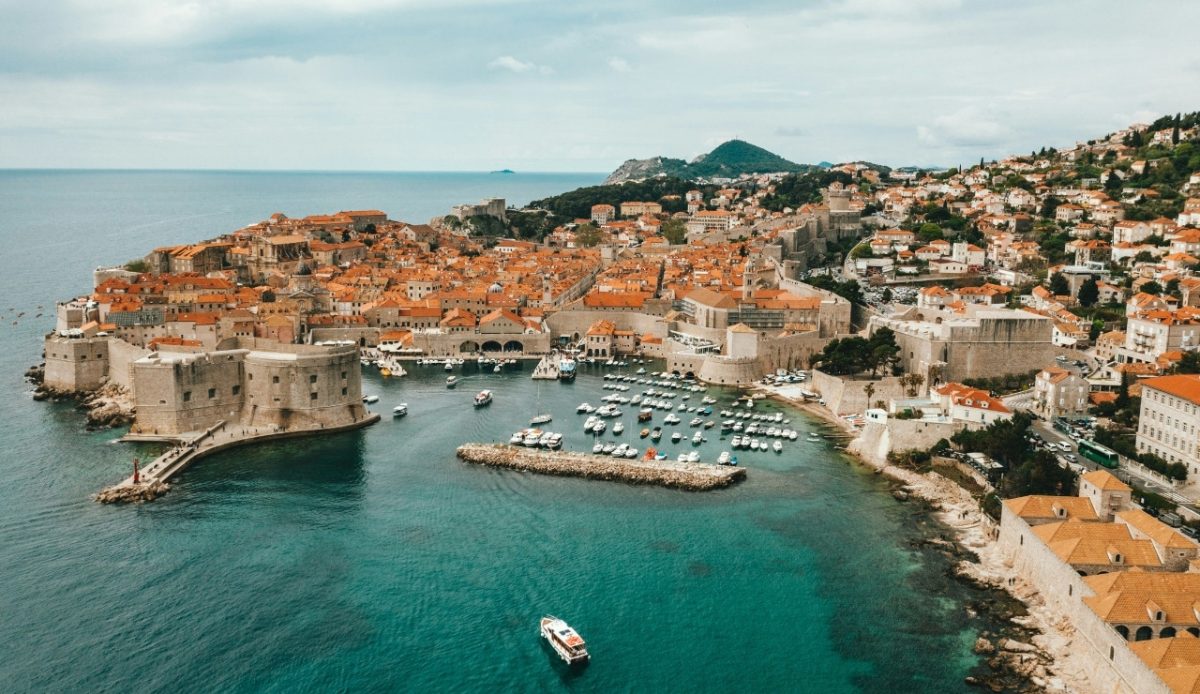
In Gruž Bay, Dubrovnik’s cruise port lies about two miles from the UNESCO-listed Old Town. Buses and taxis move passengers quickly to limestone streets, medieval gates, and panoramic walls. Many ride the cable car to Mount Srđ for sweeping views of the coastline or stroll Stradun to try local seafood. The port includes cafés, shops, and shaded waiting areas. Dubrovnik balances historic preservation with accessibility, allowing travelers to enjoy Adriatic character and modern comfort in one stop.
4. Port of Kotor (Kotor, Montenegro)
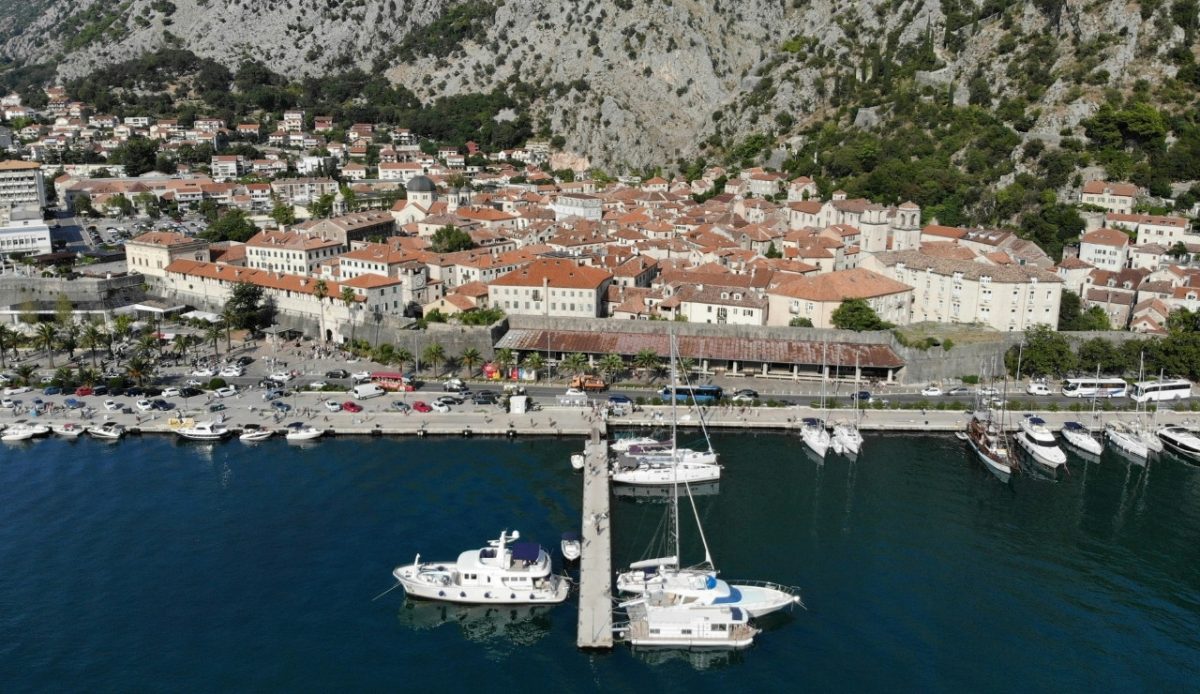
Steep mountains and calm bay waters frame one of Europe’s most dramatic arrivals. Ships anchor close to the walled Old Town, and passengers walk directly into a maze of stone alleys and squares. Venetian influence appears in churches and fortifications, while nearby cafés provide easy rest spots. Many hikers climb to Saint John Fortress for wide views of the bay. Compact and atmospheric, Kotor rewards travelers who want culture and scenery without long transfers.
5. Port of Piraeus (Athens, Greece)
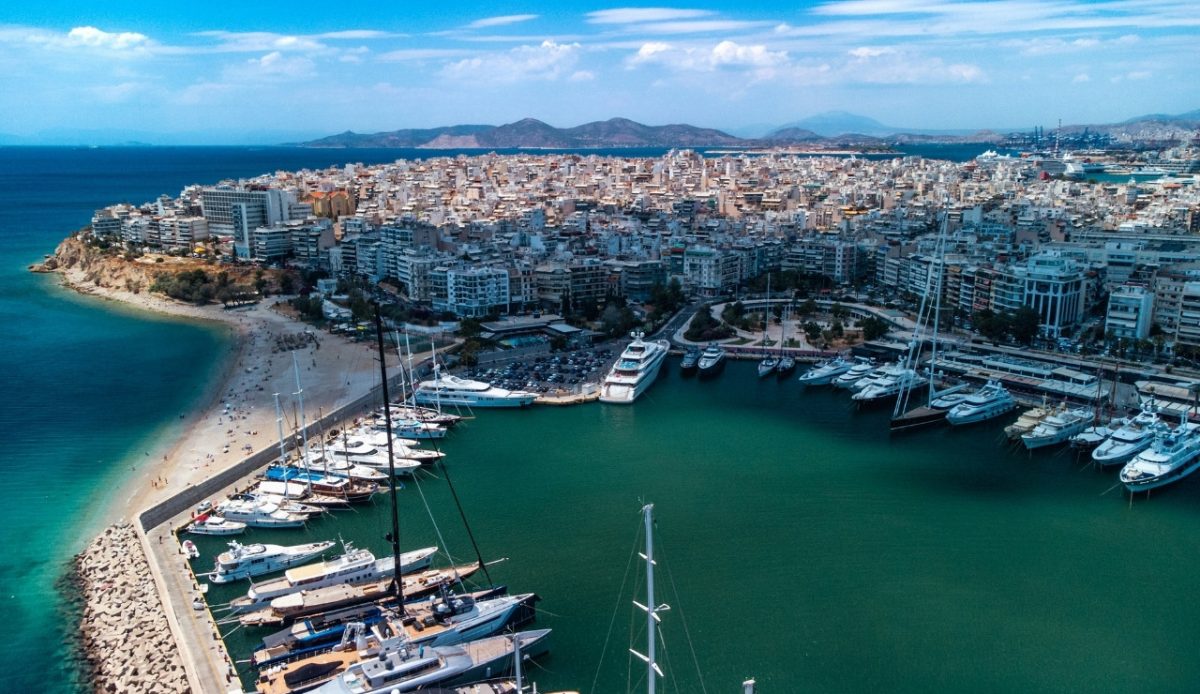
Greece’s main cruise gateway links directly to Athens and nearby islands. Three terminals (A, B, and C) are modern, clearly marked, and near the metro. In about 20 to 30 minutes, visitors reach the Acropolis, the Parthenon, or the Plaka district for shopping and dining. Piraeus itself features lively marinas and seafood restaurants for those who have already toured the capital. Efficient operations and close access to iconic landmarks make Piraeus one of the Mediterranean’s most dependable and rewarding stops.
6. Copenhagen Cruise Port (Copenhagen, Denmark)
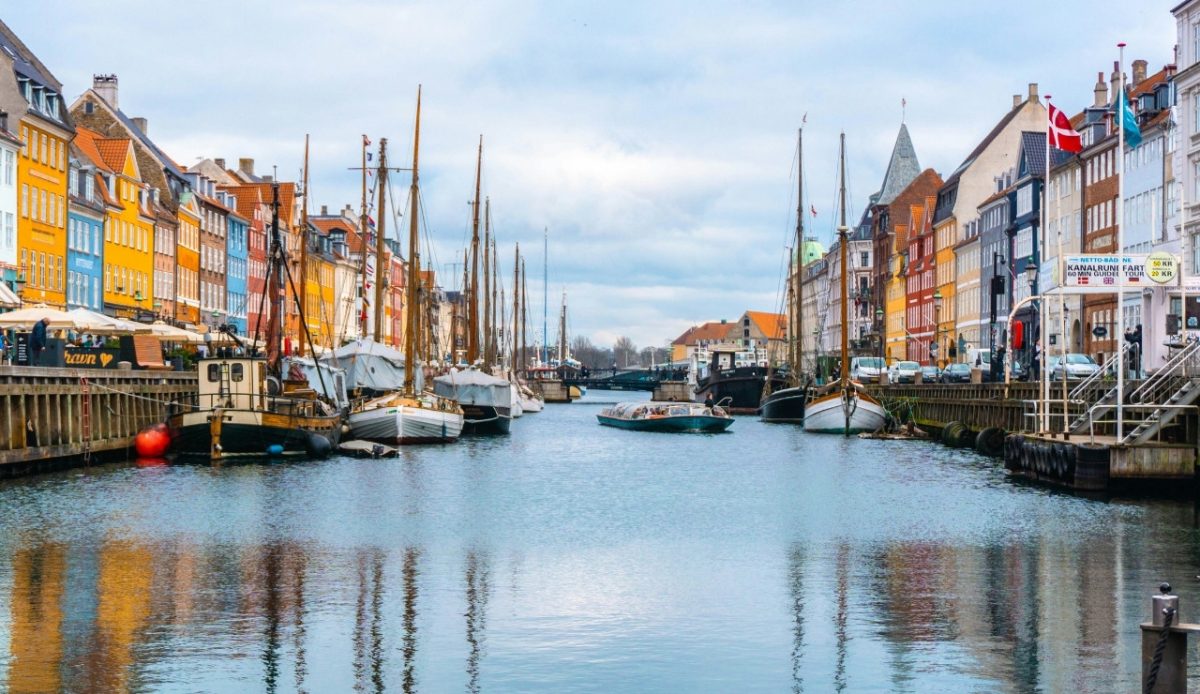
Oceankaj and Langelinie terminals operate with clear signage, orderly queues, and quick city access. A short ride brings passengers to Nyhavn’s colorful harbor, Tivoli Gardens, or the Little Mermaid statue. The city’s bike-friendly layout and extensive public transit support easy, independent exploration. Inside the terminals, travelers find tourist desks, currency exchange counters, and shuttle services. Copenhagen’s focus on clean design and practical logistics makes it a strong choice for travelers who value order, culture, and sustainability during a day ashore.
7. Port of Tallinn (Tallinn, Estonia)
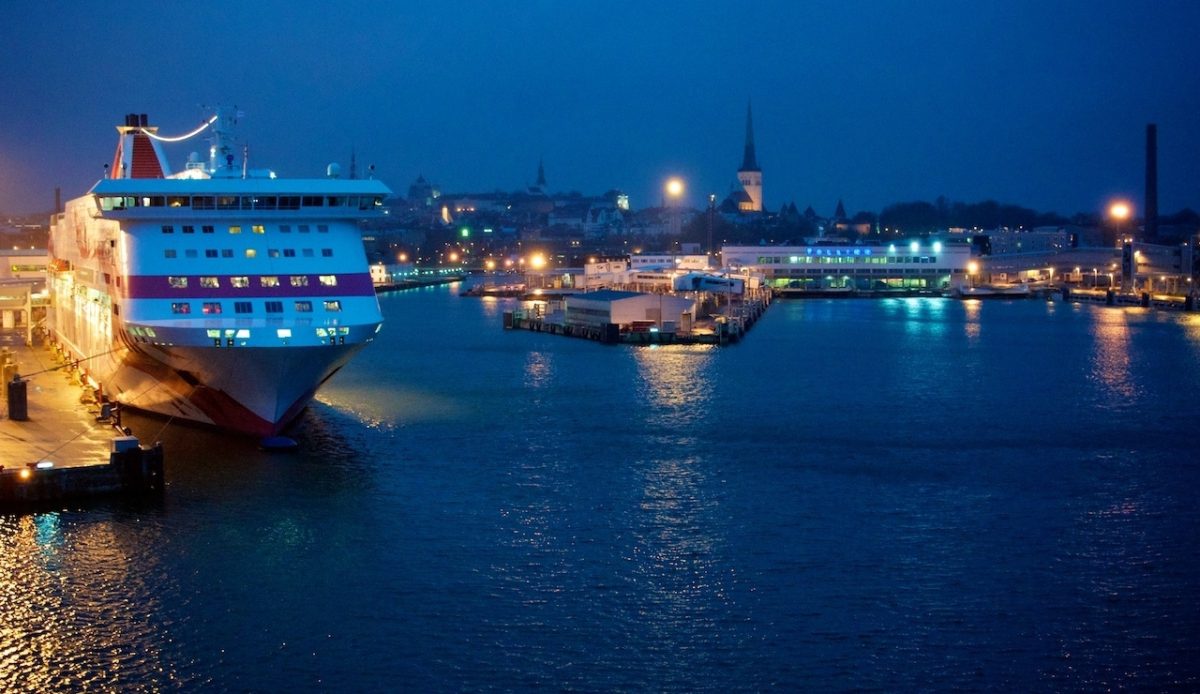
Old City Harbour places ships within a short walk of Tallinn’s medieval core. A new promenade, cafés, and seating areas add comfort before visitors enter the historic streets. Tallinn’s compact layout lets travelers see Toompea Castle, Town Hall Square, and the city walls in a single visit. Public Wi-Fi and clear wayfinding help independent navigation. The mix of medieval architecture and recent upgrades has turned Tallinn into a favorite Baltic port for first-time cruisers and repeat visitors.
8. Port of Reykjavík (Reykjavík, Iceland)
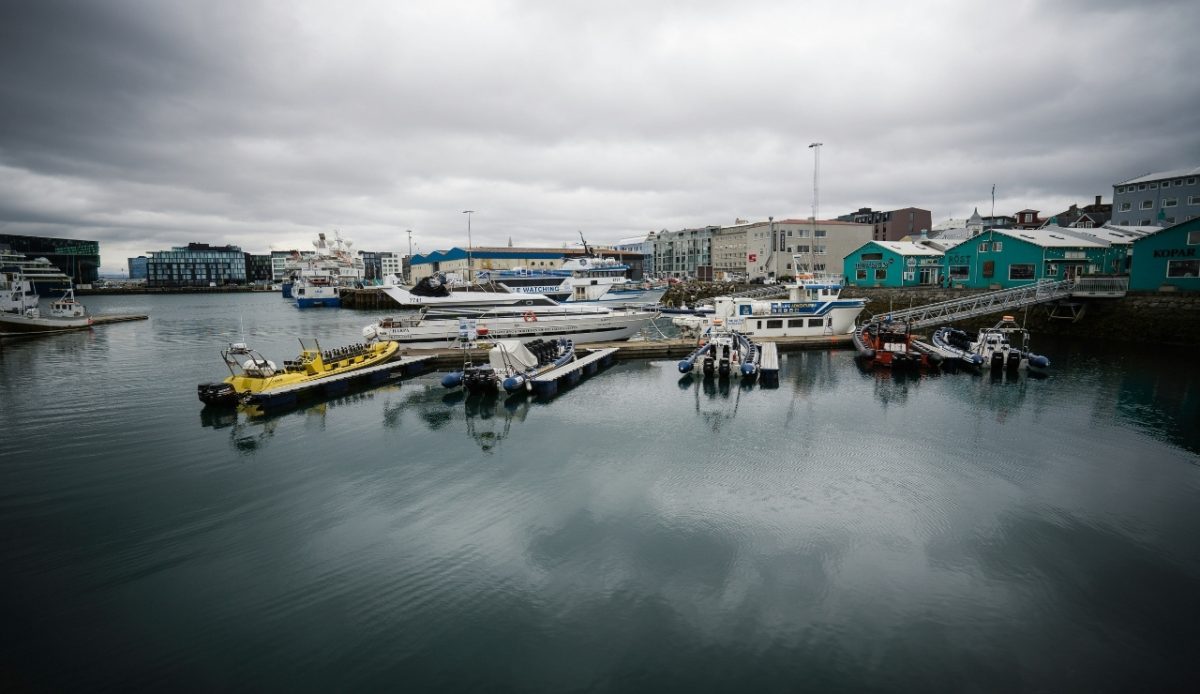
Skarfabakki Pier brings travelers close to Iceland’s capital and nearby natural sights. The port sits about two miles from downtown, with buses and taxis at the gate. Many start at Harpa Concert Hall or the Sun Voyager sculpture, then continue to geothermal pools or cafés along Laugavegur Street. Day trips on the Golden Circle showcase geysers, waterfalls, and volcanic terrain. A compact layout and waterfront setting support smooth logistics, making Reykjavík an effective base for both city time and outdoor experiences.
9. Port of Bergen (Bergen, Norway)
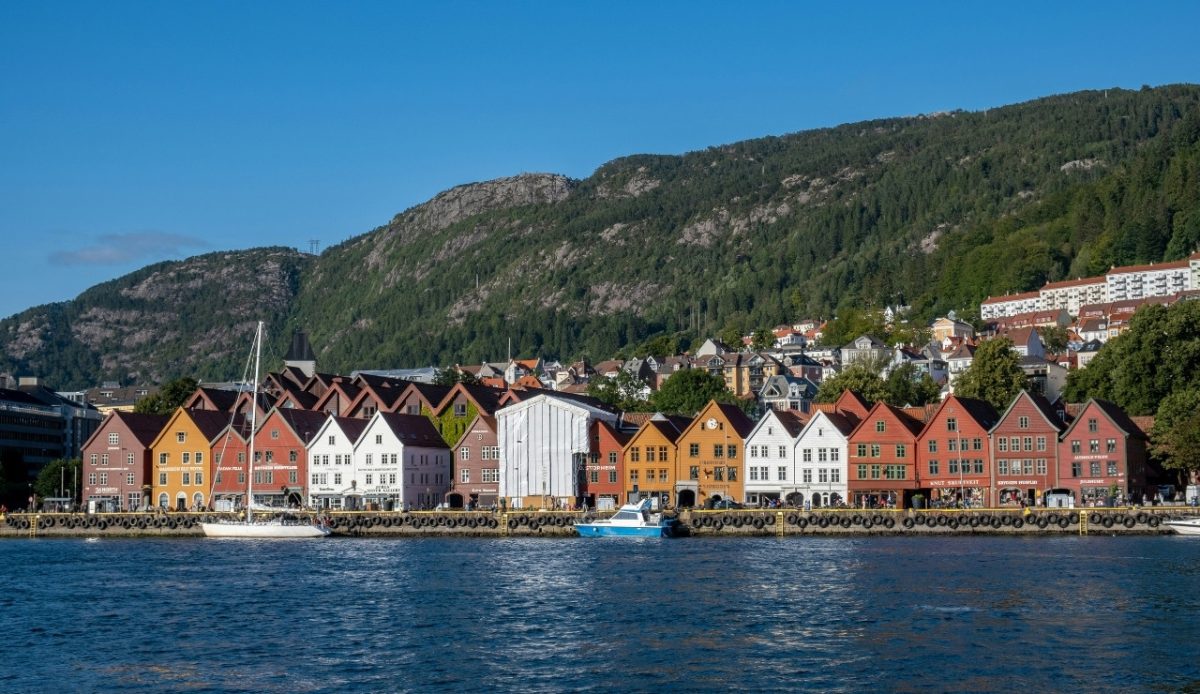
Docks near Bryggen Wharf, a UNESCO site of wooden merchant houses, place visitors in the heart of Bergen’s maritime heritage. The city is easy to cover on foot, and tours depart for fjords such as Sognefjord and Hardangerfjord. The Fløibanen funicular, minutes from the terminal, carries passengers to Mount Fløyen for broad views. A staffed visitor center and nearby cafés add convenience. Bergen combines historic waterfront character with access to scenic fjords, giving travelers a practical, memorable Northern Europe stop.
10. Port of Quebec (Quebec City, Canada)
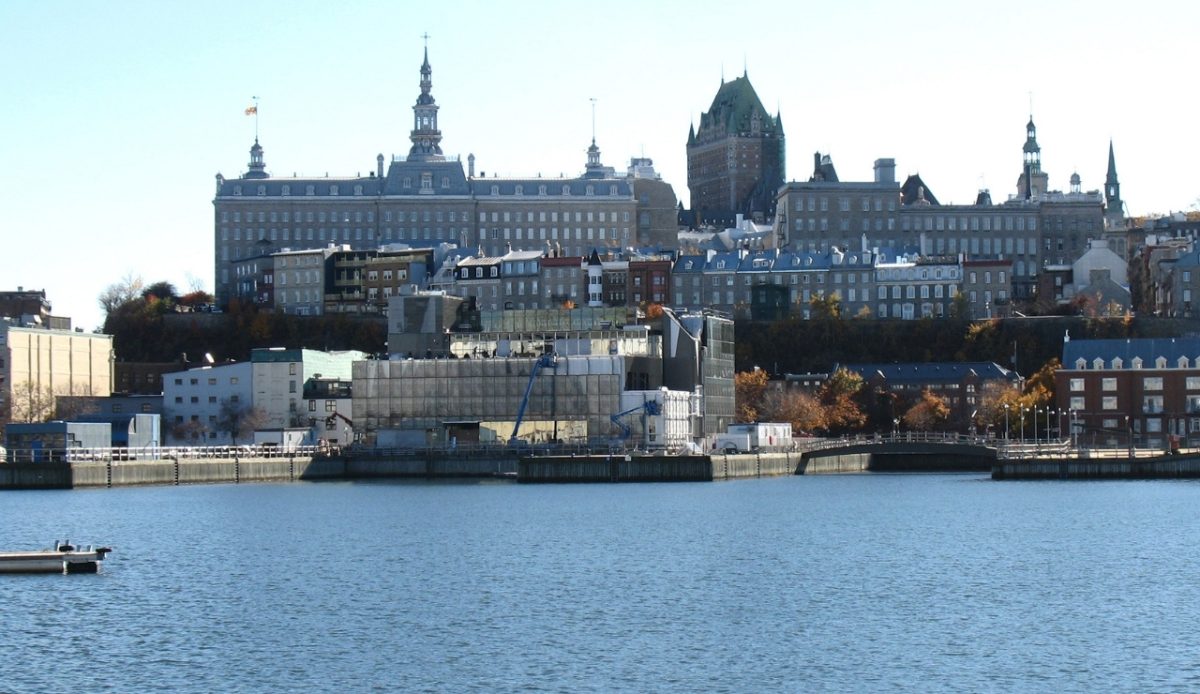
The Port of Quebec offers a taste of Old Europe in North America. Terminals 21 and 22 and Terminal 30 sit steps from the cobblestone lanes of Old Quebec and the Château Frontenac. Markets, museums, and riverfront paths lie within walking distance. Facilities include modern lounges, Wi-Fi, and nearby restaurants that showcase local cuisine. Popular excursions reach Montmorency Falls or Île d’Orléans for countryside views. Quebec’s French heritage and compact design create a distinctive stop on Canada–New England routes.
