
Tourist travel has returned to record levels, and with larger crowds, many countries are seeing noticeable rises in pickpocketing, especially in areas where visitors gather in tight spaces or slow down for photos, maps, or ticket checks. The increase does not reflect danger across entire nations but rather concentrated activity around major landmarks, transit stations, and busy streets where movement becomes crowded. Phones, wallets, and passports remain the most commonly reported losses, often disappearing during brief moments of distraction. Understanding where incidents occur most often helps travelers plan simple habits that keep valuables secure while still enjoying the world’s most visited destinations.
1. Italy
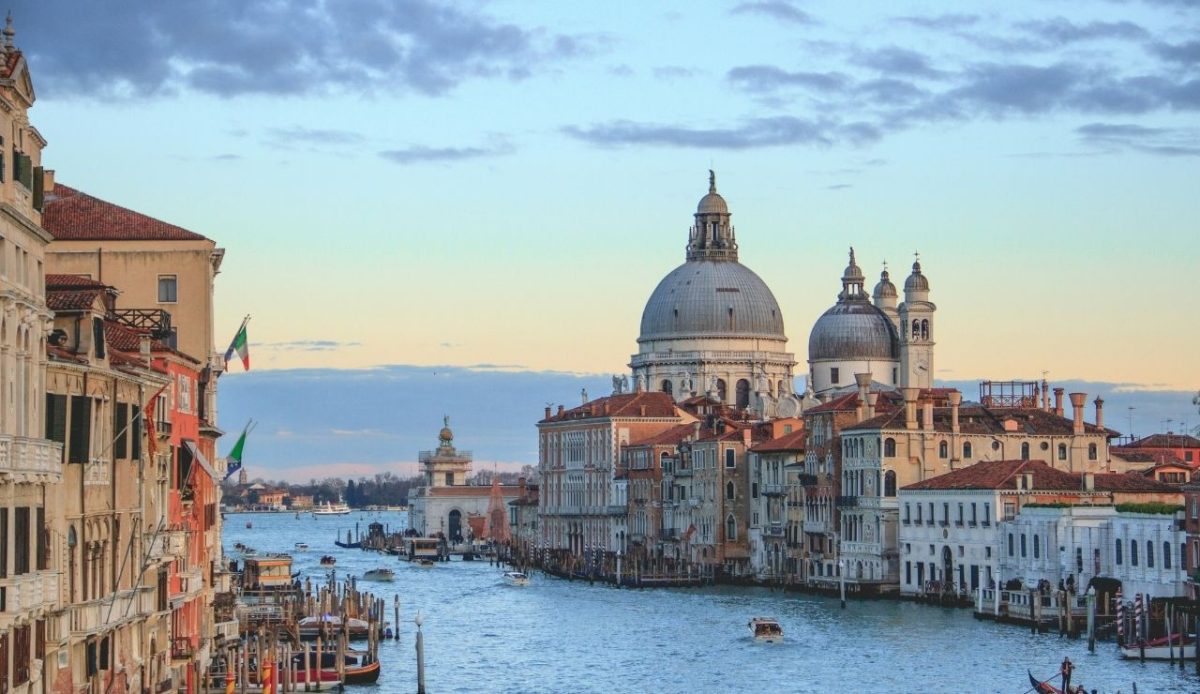
Italy continues to show some of Europe’s highest theft levels, with major cities reporting steady rises in pickpocketing around historic sites and crowded transit points. The Trevi Fountain, Colosseum, and Milan’s Duomo remain hotspots where organized groups work quickly amid constant foot traffic. Theft also increases on popular rail routes, especially trains linking Rome with coastal areas and the lines serving Pompeii and Cinque Terre. Visitors often lose items while boarding or during slow lines at ticket checks. Keeping valuables secured in interior pockets, carrying only essential cards, and staying alert near platform doors helps reduce the chances of quick theft.
2. France
France remains second in Europe for pickpocket incidents, with Paris experiencing the widest impact due to heavy tourism and full Metro lines. The Eiffel Tower, Louvre, and Arc de Triomphe consistently appear in theft reports because visitors pause for photos or crowd into narrow viewing areas. Groups often use petitions or small distractions to take advantage of brief confusion. Overcrowded trains with fast-opening doors create additional risk, especially on routes between major stations and airport lines. Keeping phones off café tables, avoiding open backpacks, and using cross-body bags with full closures greatly reduces exposure in areas where large crowds gather throughout the day.
3. Spain
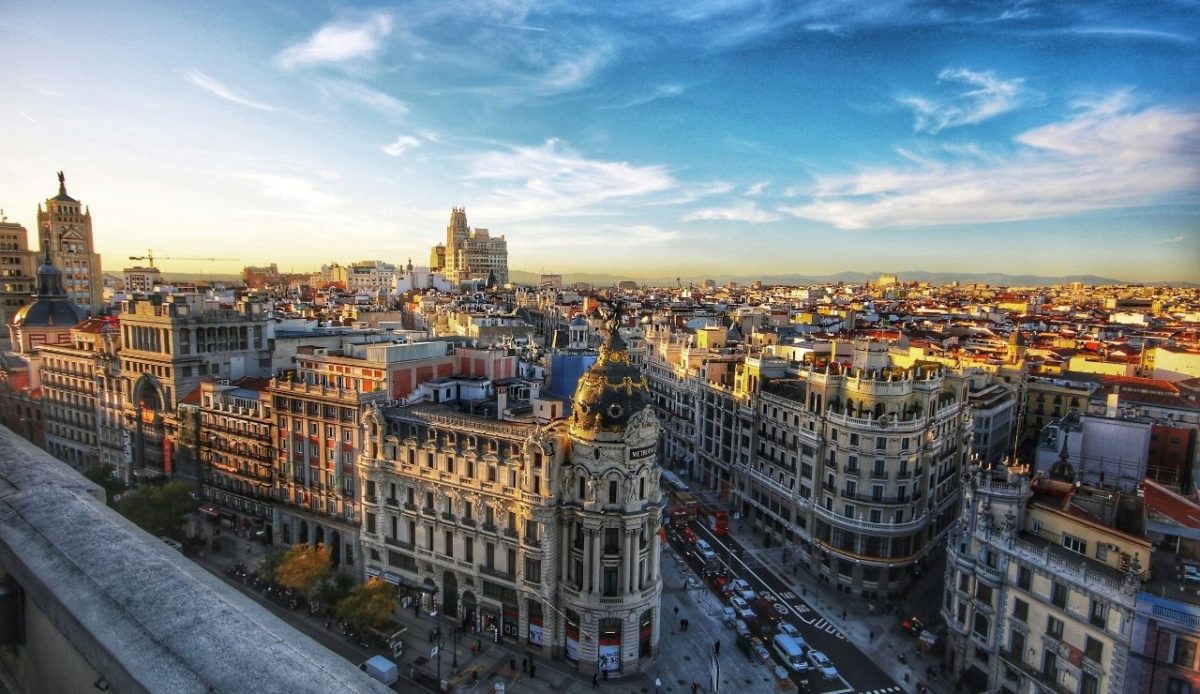
Spain continues to report higher levels of tourist theft, with Barcelona and Madrid showing the largest increases in recent years. Las Ramblas, La Boqueria, and the streets surrounding Sagrada Família remain places where wallets and phones disappear quickly because visitors move slowly through dense foot traffic. Madrid faces similar issues around Plaza Mayor, major museums, and busy metro stations, where travelers often handle tickets or pause to check directions. Evening events, outdoor dining, and crowded transit cars create brief moments of distraction. Keeping bags zipped, limiting visible valuables, and staying alert during photo stops helps reduce risk in the most active tourist zones.
4. Germany
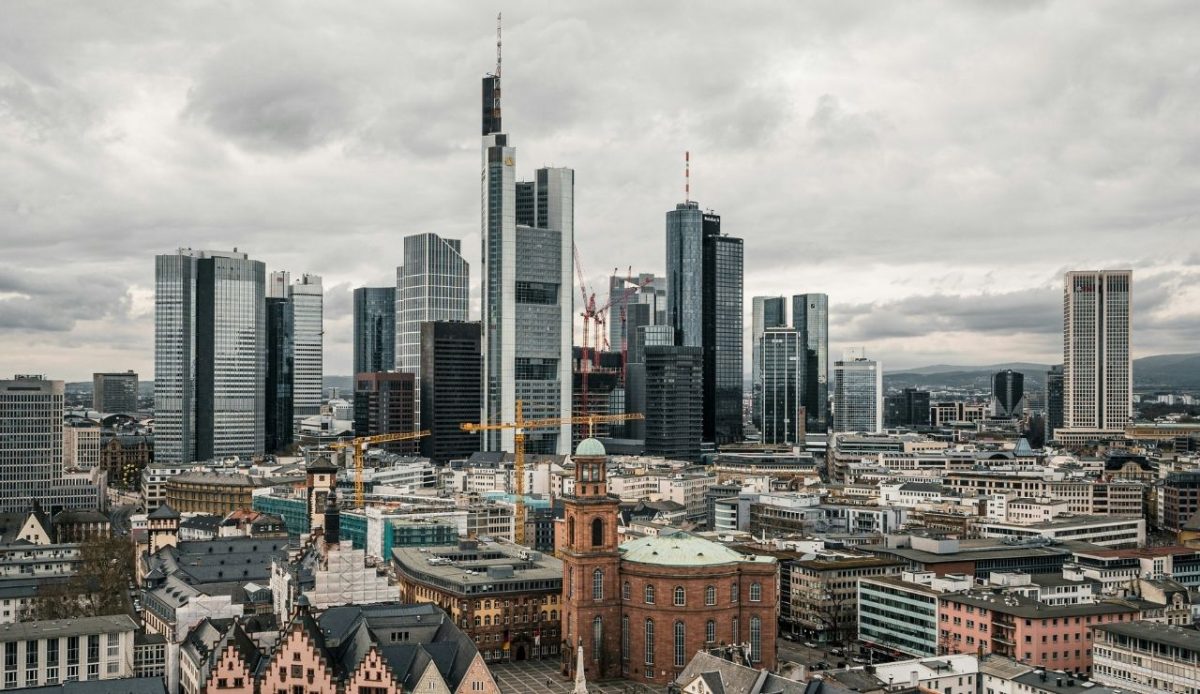
Germany’s large cities show increasing theft reports, with Berlin recording particularly high offence numbers that include many incidents affecting tourists. The Brandenburg Gate, Reichstag, and Museum Island attract packed crowds where thieves blend easily with visitors focused on tours or photo stops. Most incidents occur during tight crowd movement or when travelers adjust backpacks. Using inner zip pockets, wearing backpacks on the front in crowded trams, and avoiding standing near packed doorways help limit exposure. Staying mindful in busy festival spaces reduces the chances of unnoticed grabs.
5. Netherlands
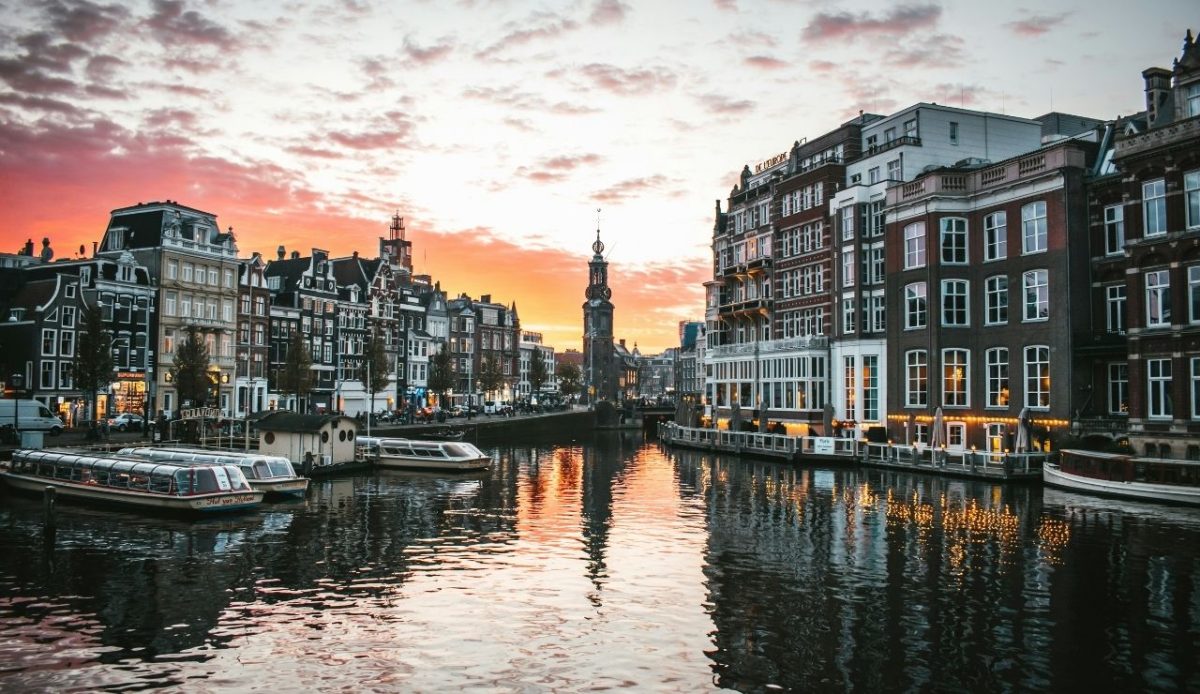
The Netherlands remains prominent in European pickpocket rankings, with Amsterdam at the center of rising reports. Nightlife districts, canal-side walkways, and museum zones near the Anne Frank House and Rijksmuseum create dense crowds where thieves move quietly between visitors. Incidents also occur on trams and at central stations where travelers handle luggage and transit cards at the same time. Some groups target those unfamiliar with routes or distracted by maps. Tourists minimize risk by carrying minimal cash, storing passports at hotels, and holding bags securely in front of the body during crowded rides. Evening entertainment areas require extra awareness.
6. Thailand
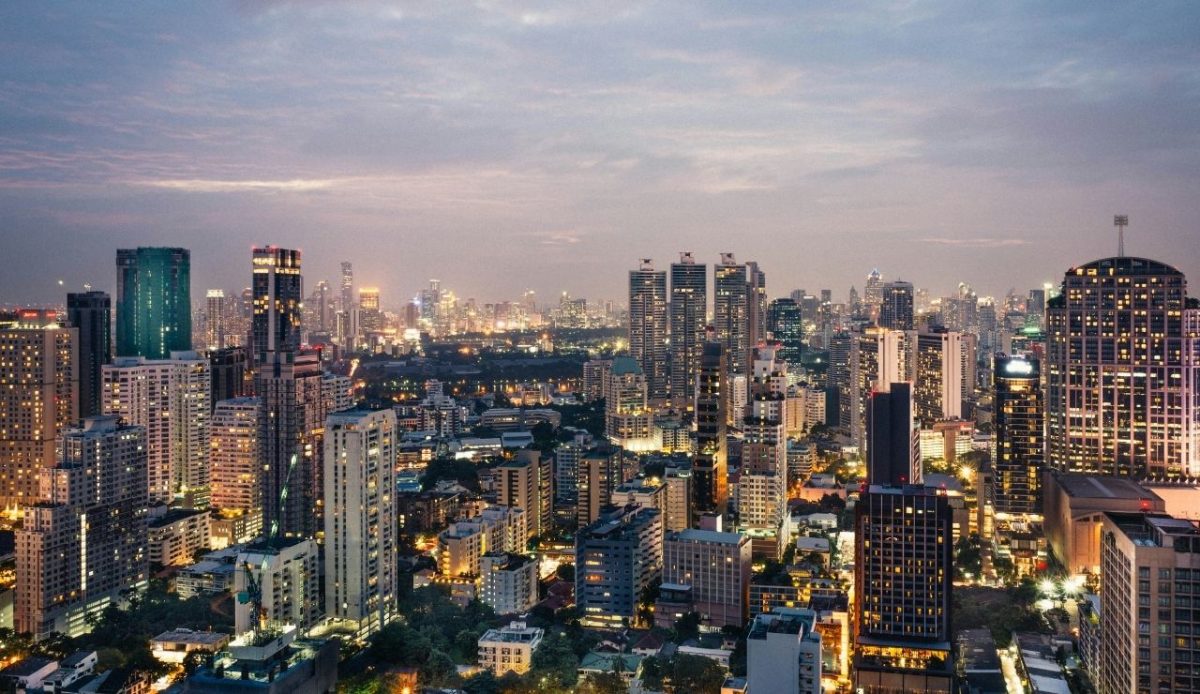
Thailand shows notable increases in pickpocketing and scams, with Bangkok ranking among the most challenging cities for visitors. The Grand Palace, Wat Pho, and busy markets generate frequent reports, especially during peak hours when walkways narrow and movement slows. Skytrain platforms, ferry docks, and night markets create additional chances for thieves as visitors handle payments or browse vendors. Phuket and major beach towns also report more petty theft linked to crowded tourist zones. Travelers benefit from using compact cross-body bags, rejecting unsolicited help near ATMs, and keeping valuables stored safely in hotels when planning long outdoor activities or water-based excursions.
7. China
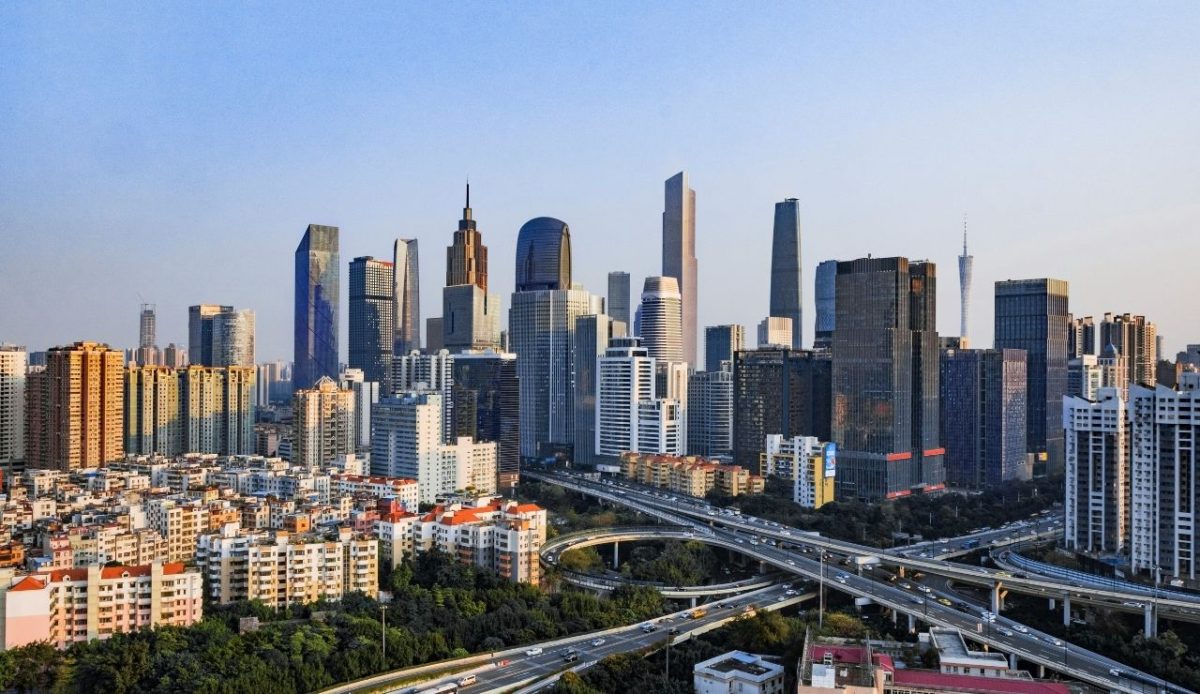
China continues to see rising pickpocket activity in urban tourist hubs, especially in Shanghai, Beijing, and Guangzhou. Nanjing Road, Wangfujing, and busy commercial districts now appear frequently in visitor complaints involving missing phones or wallets. Overcrowded metro lines create moments when thieves target front pockets or bags left unzipped during payment scans. Visitors often lose items when pausing for photos or navigating dense walkways. Using device straps, shortening phone screen timeouts, and dividing cash between separate pockets helps prevent losses. Declining unsolicited invitations to private tours or social “tea visits” also keeps travelers away from common setups aimed at tourists.
8. Czech Republic
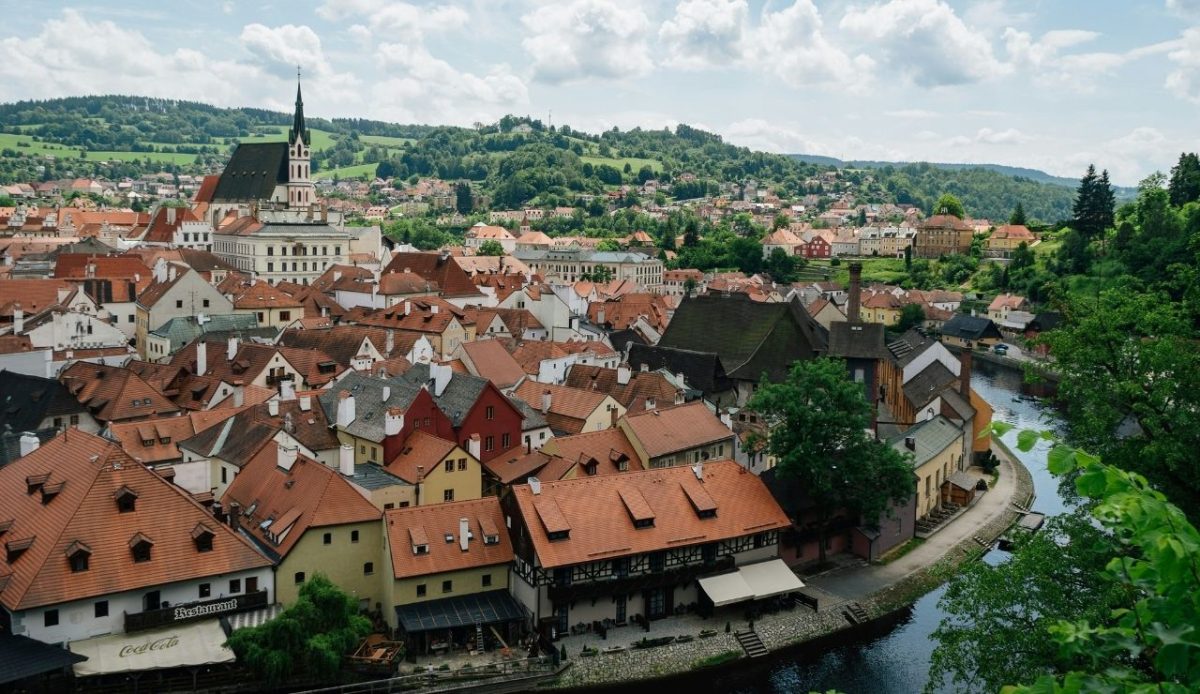
Prague remains high in global pickpocket rankings, with Old Town Square, the Astronomical Clock, and Charles Bridge drawing constant crowds where quick thefts occur. Narrow lanes around major attractions make it easy for thieves to operate briefly without attracting attention. Many visitors feel the city is relaxed and lower risk, which leads to moments of distraction when adjusting bags or taking photos. Theft often occurs on trams and funiculars where movement becomes tight. Switching to secure front-pocket wallets, locking backpacks, and avoiding loosely carried totes helps reduce vulnerability. Staying attentive during peak viewing times offers additional protection in the busiest areas.
9. Turkey
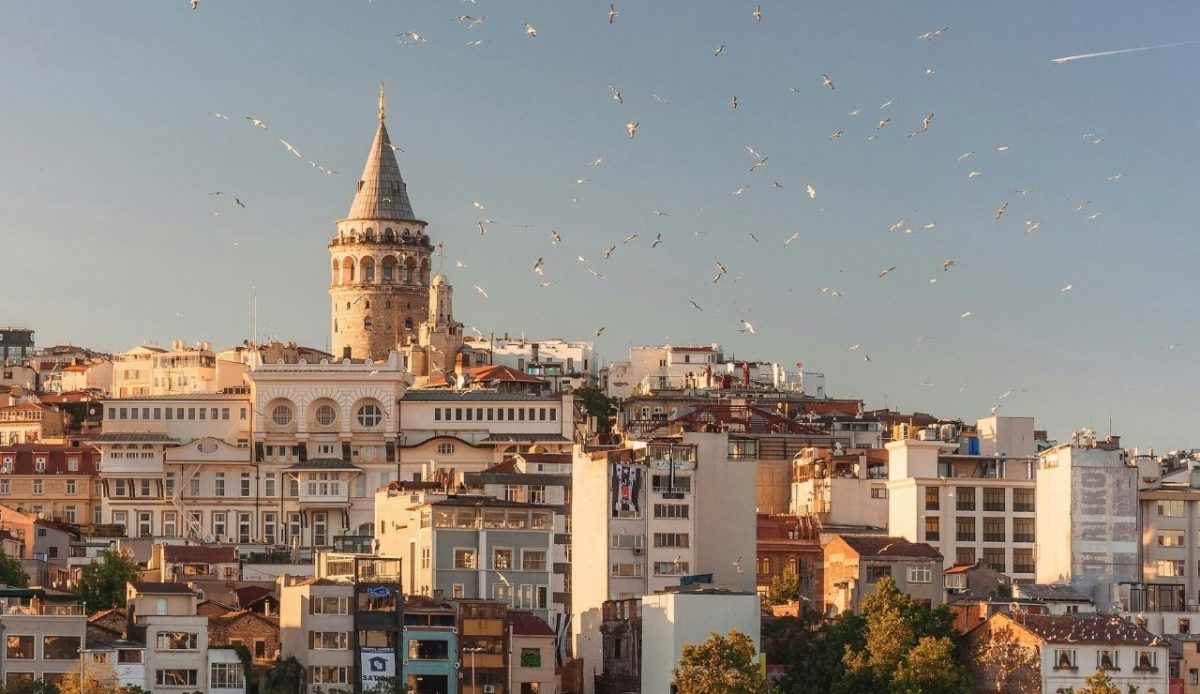
Turkey’s rise in tourism comes with increasing pickpocket concerns, particularly in Istanbul’s historic core. The areas around Hagia Sophia, the Blue Mosque, and the Grand Bazaar see dense foot traffic where groups move easily among shoppers and tour clusters. Visitors often notice missing items after brief shoulder contact or while navigating narrow market aisles. Transit lines serving Sultanahmet and ferry terminals show similar issues during crowded boarding periods. Carrying minimal valuables, using hidden money belts, and securing bag straps under chairs in restaurants help reduce theft opportunities. Awareness near tram doorways is especially useful during rush periods and festival evenings.
10. Greece

Greece continues to record rising pickpocket activity, especially in Athens around its most visited landmarks and transit routes. The Acropolis area, Monastiraki Square, and the Plaka district all report frequent incidents, often occurring while travelers board metro cars or walk through narrow alleys. Phones and passports removed from partially closed bags make up many complaints. Choosing seating away from busy sidewalks, keeping backpacks worn on the front during crowded train rides, and storing extra cards securely in hotel rooms helps reduce risks. Even in relaxed island towns, tourists benefit from careful placement of bags during meals, ferry trips, and sunset viewpoints.
