
Some American cities experience constant residential turnover, where many people change addresses each year, even though the city’s total headcount appears steady. Using U.S. Census Bureau ACS one-year mobility figures, a high share of residents report living in a different home than the year before. That pattern is driven by renter-heavy housing, schools that pull short-term students, contract work, and job hubs that attract newcomers who later relocate. The ten cities below are known for this steady churn and what it means on the ground. It affects leases, class rosters, local voting rolls, and how quickly neighbors get to know each other.
1. Atlanta, Georgia

Atlanta’s turnover stays high because the city draws workers for corporate offices, film crews, and logistics roles, while colleges keep a rotating student population nearby. Rentals are common, so moves between buildings happen often when leases end, or commute needs change. New arrivals may choose in-town neighborhoods first, then shift outward as budgets and family plans adjust. In the ACS mobility table, roughly one in five residents report a different home from the prior year, showing persistent churn. Property managers, schools, and transit planners deal with frequent address updates that keep local demand shifting.
2. Seattle, Washington

Seattle sees rapid turnover tied to tech hiring cycles and a housing market where rent jumps can push quick decisions. People often arrive for a role at a large employer, then move again to cut costs, shorten commutes, or follow a new team. Many changes are within city limits, swapping one apartment for another, while others leave the region after a few years. ACS mobility shares stay among the highest for large cities, signaling steady replacement of residents. Shared housing and sublets add to the turnover, so blocks can feel different from one school year to the next. Businesses adjust staffing and hours as customer bases change.
3. Washington, District of Columbia

Washington, DC, changes residents often because government work, campaigns, and nonprofit jobs run on fixed terms. Interns, fellows, consultants, and contractors arrive for a season or a few years, then relocate when assignments end. Group houses and short leases are common, so people can switch addresses without a major life change. ACS mobility numbers stay very high, which means neighborhoods keep welcoming new faces and saying goodbye to others. Election years can amplify the flow, and even off-cycle periods bring rotations tied to agency staffing. Enrollment planning for schools becomes harder when many families move between wards.
4. Denver, Colorado
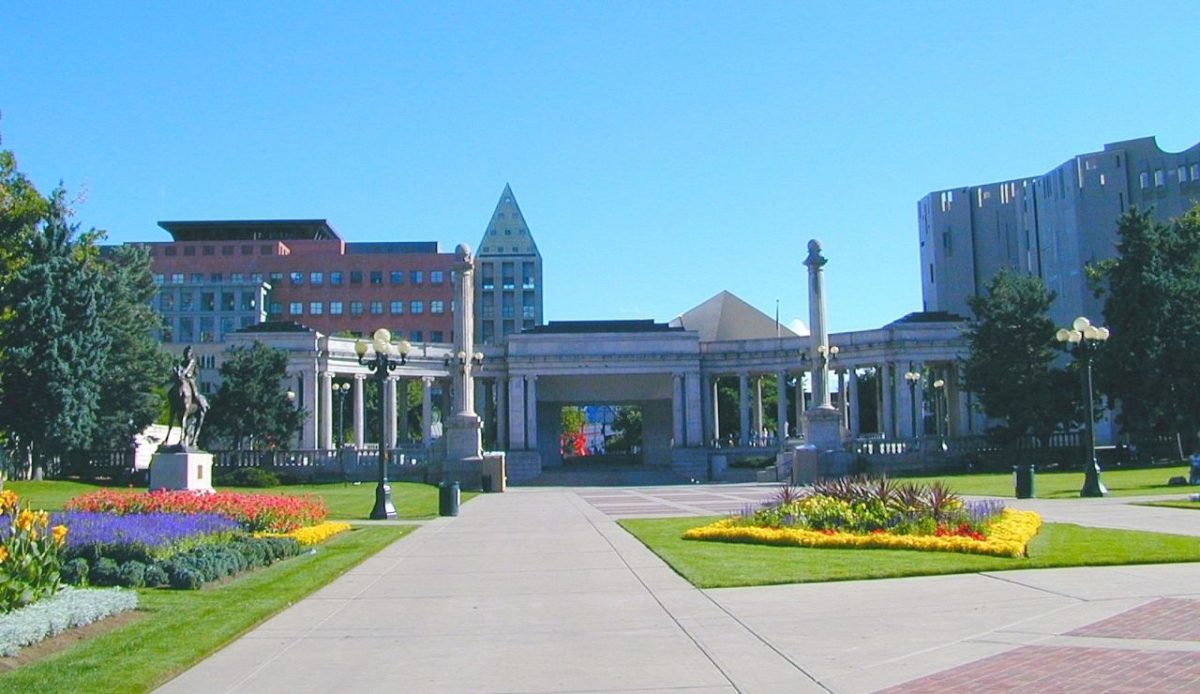
Denver attracts newcomers for jobs and lifestyle access, yet turnover remains high because housing costs and renter share keep moves frequent. People may start near the core, then shift to different neighborhoods or nearby suburbs as rents, parking, and childcare costs add up. Career changes also matter, since energy, tech, and healthcare hiring can bring relocations within a short window. ACS mobility shares show many residents lived in another home a year earlier, reflecting ongoing churn. New apartment supply can trigger moves between buildings, and twelve month lease timing keeps a steady annual cycle.
5. Austin, Texas

Austin’s turnover is linked to rapid hiring in tech and services, plus a large student base at the university. Many people arrive for a first job, a startup stint, or graduate school, then relocate when remote work options change or rents rise. Moves also happen within the metro as new developments open and commute patterns shift toward different corridors. ACS mobility results keep Austin near the top group of big cities, showing frequent address changes year to year. Roommate arrangements and one-year leases encourage quick moves, so neighborhood ties can take longer to build than in steadier markets.
6. Orlando, Florida
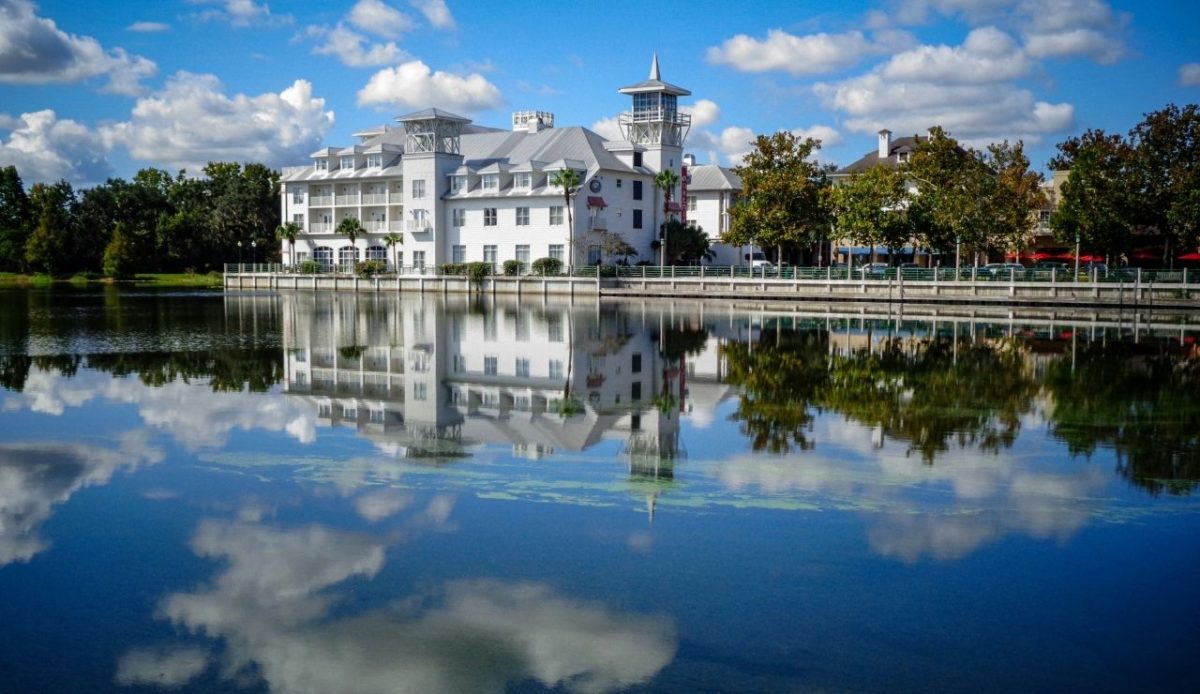
Orlando’s population turns over because hospitality work, seasonal demand, and service jobs bring frequent relocations. People move to follow shifts between theme parks, hotels, and airport-related employers, and many households rent rather than own. The region also attracts newcomers from other states who try the area, then move again based on pay, school needs, or hurricane risk. ACS mobility shares remain high, pointing to steady inflow and outflow rather than a settled pattern. Apartment complexes offer move-in deals that can trigger quick switches, while tourism-driven traffic affects where workers choose to live.
7. Boston, Massachusetts

Boston changes residents quickly because universities, hospitals, and research labs draw students and early-career workers who often stay briefly. Many leases align with the academic calendar, so large numbers of moves occur around late summer each year. Shared apartments and graduate programs also mean roommates change, which can lead to new addresses even without changing jobs. ACS mobility rates stay elevated for a city of its size, reflecting recurring turnover across many neighborhoods. Limited housing supply and high rents push residents to hunt for better deals, then relocate when one appears.
8. Portland, Oregon

Portland’s mobility stays high because its job market has seen waves of arrivals in tech, creative work, and logistics, followed by moves as costs change. Renters make up a large share, and relocations often occur between close-in districts and outer neighborhoods as budgets tighten. Households also shift within the region to match schools, transit access, or remote work routines. ACS mobility figures show a sizable portion of residents lived elsewhere one year earlier, signaling ongoing turnover. New building projects and changing landlord rules can alter where units are available, prompting additional moves.
9. Nashville, Tennessee
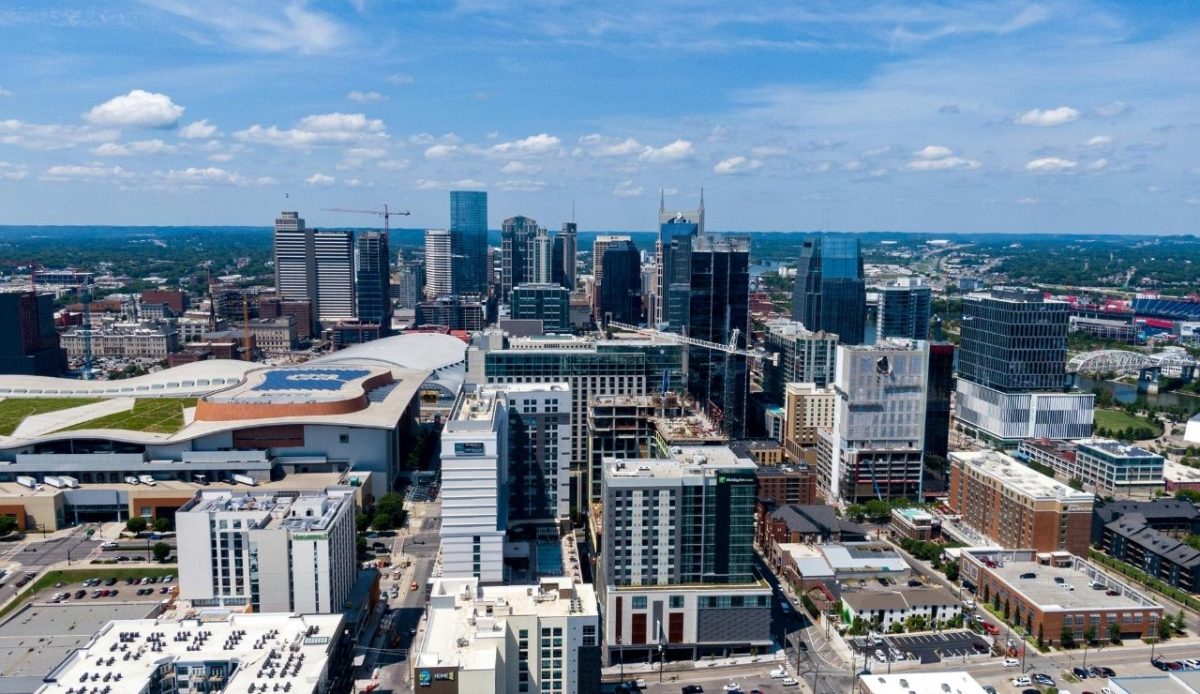
Nashville’s turnover reflects a fast-growing job base in healthcare, music, tourism, and corporate services, which brings steady migration. Many newcomers rent first, then shift neighborhoods as they learn commute times and housing costs. Short-term projects in entertainment and construction also add mobility, since work can be temporary and location-dependent. ACS mobility rates remain high, showing that residents often change addresses within a year even as the metro keeps expanding. Investor-owned rentals and rapid redevelopment can push households to relocate when rents reset or buildings change use.
10. Miami, Florida

Miami’s population churn is tied to a large renter market, international arrivals, and a workforce spread across tourism, finance, and trade. Some residents move within the county to follow jobs or avoid rising rents, while others relocate between cities as family needs shift. Seasonal patterns also matter, since temporary residents and short leases can change neighborhood demand. ACS mobility shares stay high for a large city, showing constant address changes that affect schools, clinics, and local services. Condo rentals and insurance costs can force quick decisions, so households may move more often than in inland markets.
