
Choosing where to live abroad depends on much more than cost. For many expats, everyday comfort, healthcare, safety, and ease of connection to local life determine long-term satisfaction. While major capitals attract attention, several smaller or steadily managed cities now stand out for offering a dependable quality of life. These destinations balance modern infrastructure with reasonable expenses, community openness, and strong services that simplify settling in. From Asia and Europe to Latin America and Oceania, the following 10 cities consistently rank high in global expat surveys for combining stability, comfort, and opportunities for both retirees and working professionals.
1. Panama City, Panama
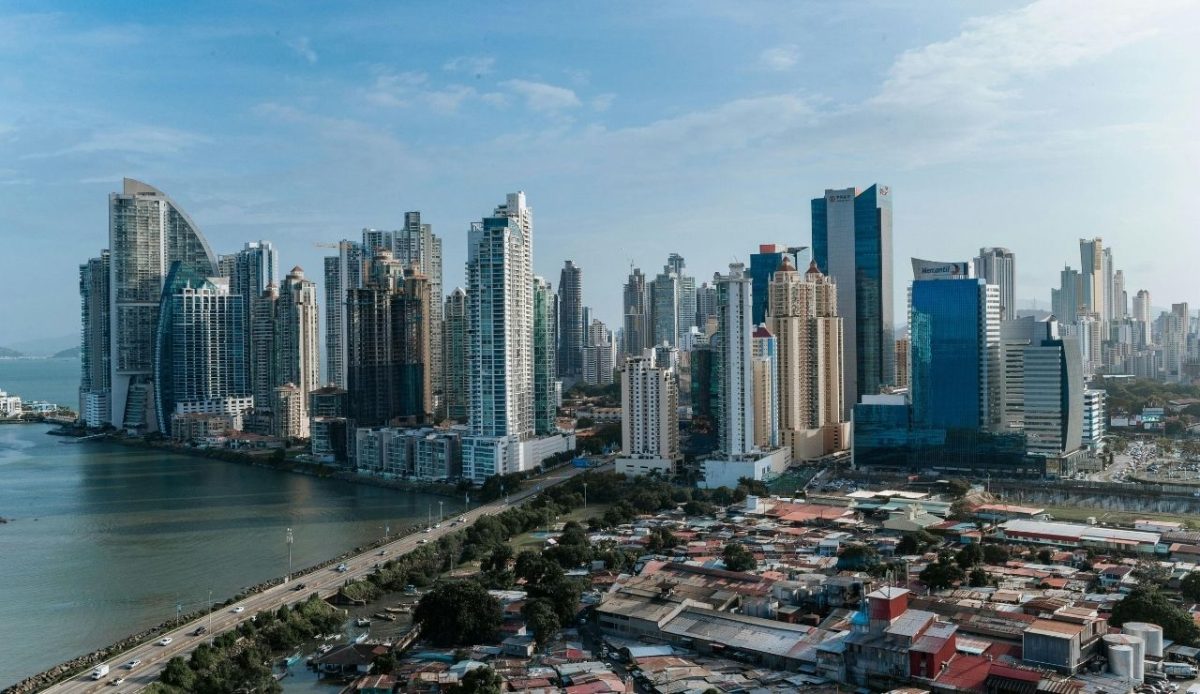
Panama City ranks among the most comfortable urban destinations for expats in 2024. It combines modern amenities, warm weather, and a straightforward residency process. English is widely spoken, which eases relocation for retirees and professionals. The city’s healthcare system offers solid public options and strong private hospitals at costs often lower than in North America. A stable economy supports convenient banking and property purchases, and safety has improved across many districts. Beaches and mountain towns are within easy reach for weekend plans. With dependable infrastructure, favorable tax rules for foreign residents, and regular flights, Panama City remains a practical long-term base.
2. Medellín, Colombia
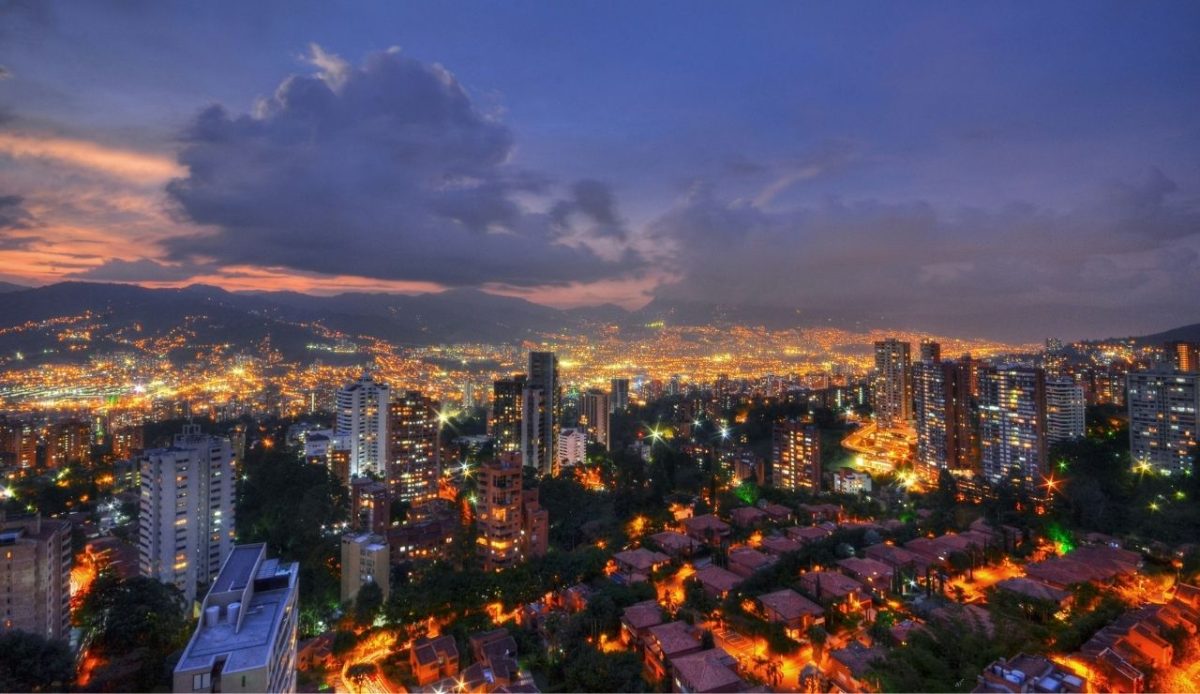
Once known for instability, Medellín has become one of Latin America’s most livable and affordable cities for expats. A mild year-round climate and reliable public transport keep daily life comfortable. Healthcare ranks well regionally, with modern hospitals and bilingual specialists. Retirees benefit from visa options and a low cost of living that includes modest prices for dining, housing, and entertainment. Neighborhoods such as El Poblado and Laureles combine walkability with safety and convenience. Friendly residents and a growing cultural scene now define Medellín, showing how consistent investment and planning can support long-term quality of life for residents.
3. Mexico City, Mexico
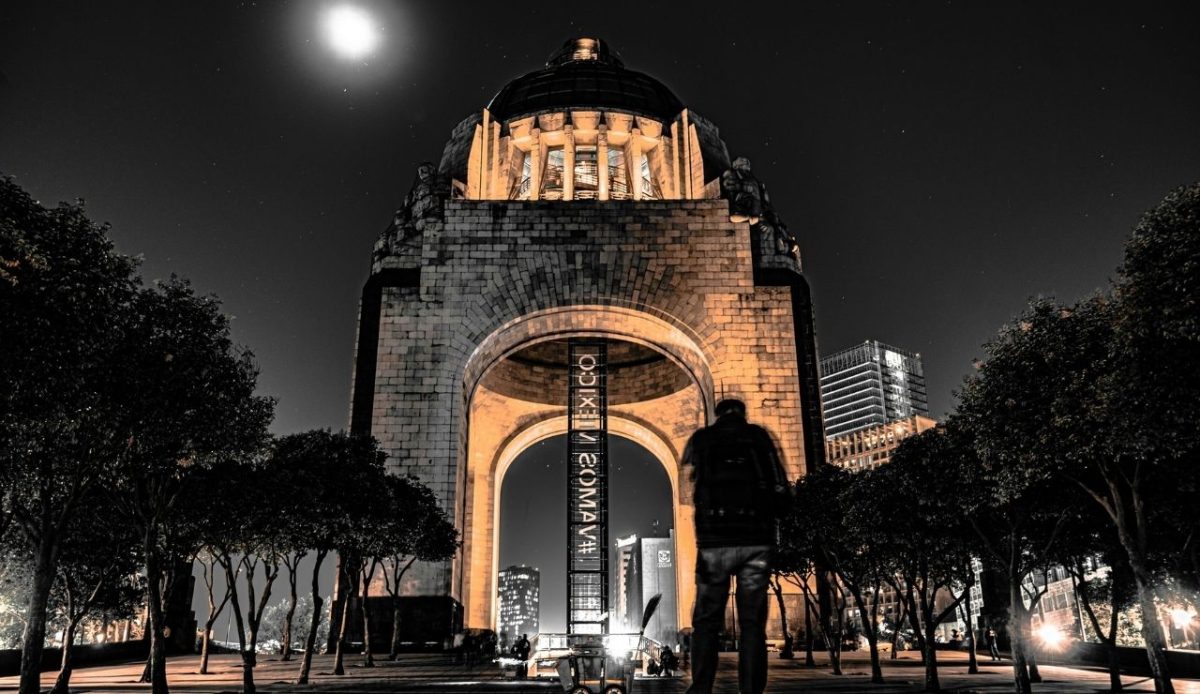
Mexico City draws expats who want culture, connectivity, and access to healthcare without heavy living expenses. The capital offers excellent food, museums, and expanding public transportation. Modern hospitals, private clinics, and bilingual services make medical care accessible. Many expats choose Condesa, Roma Norte, and Polanco for their combination of walkability and security. While the city’s scale can feel large, its affordability and diversity appeal to professionals, remote workers, and retirees. Mild weather and consistent hospitality help simplify daily routines, while parks and bike paths support a healthy lifestyle across different neighborhoods.
4. Chiang Mai, Thailand
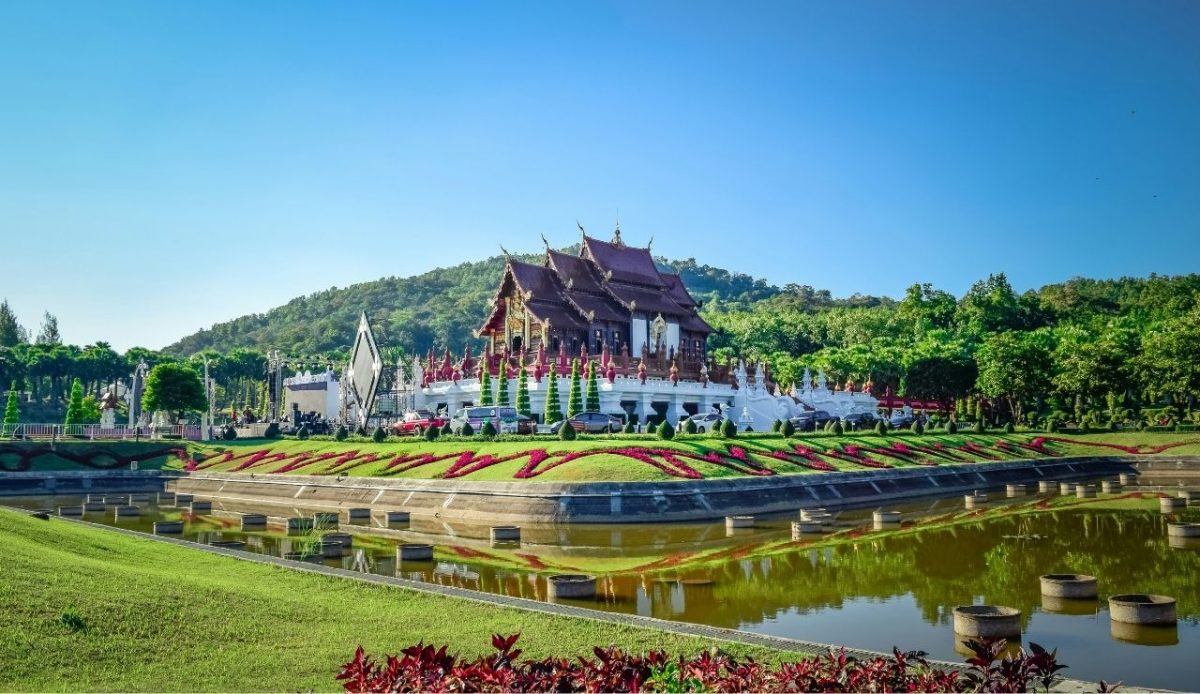
Chiang Mai attracts expats for its calm pace, affordability, and reliable services. The city lies in a mountain basin yet maintains strong air links and well-developed healthcare. Rents are modest, and local markets keep food prices reasonable. Long-stay visa pathways and organized expat communities simplify the transition process. The old town and Nimmanhaemin district provide a balanced lifestyle with cafés, temples, clinics, and co-working spaces close together. Compared with Bangkok, Chiang Mai feels quieter and cleaner, making it ideal for people who prefer smaller urban settings without losing access to modern conveniences, stable internet, and efficient transport.
5. Da Nang, Vietnam
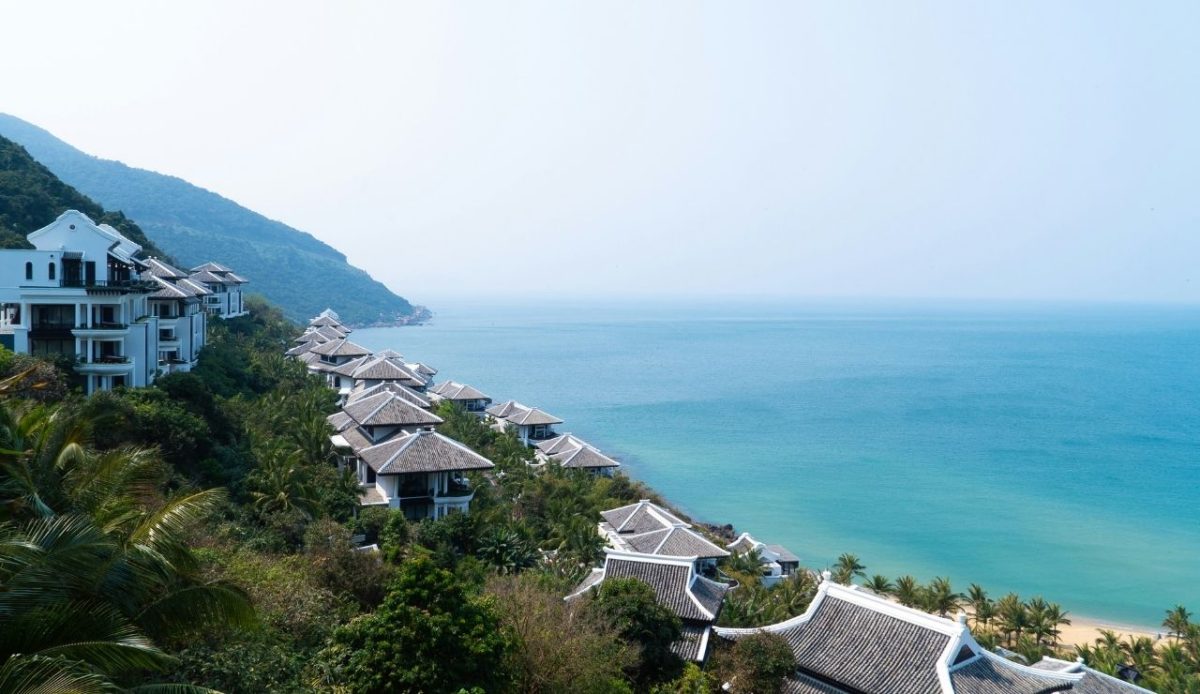
Da Nang offers coastal living with modern services and modest costs. Wide beaches, an efficient airport, and affordable housing make it appealing for expats seeking ocean views without major-city congestion. Healthcare access continues to grow, and many hospitals now employ English-speaking doctors. Public investment has upgraded roads and improved internet reliability. The local food scene remains inexpensive and varied, from street stalls to riverfront restaurants. Retirees and remote workers value the steady rhythm, safety, and overall cleanliness that shape everyday life. Da Nang’s well-balanced growth makes it one of Asia’s most practical mid-sized cities.
6. Shanghai, China
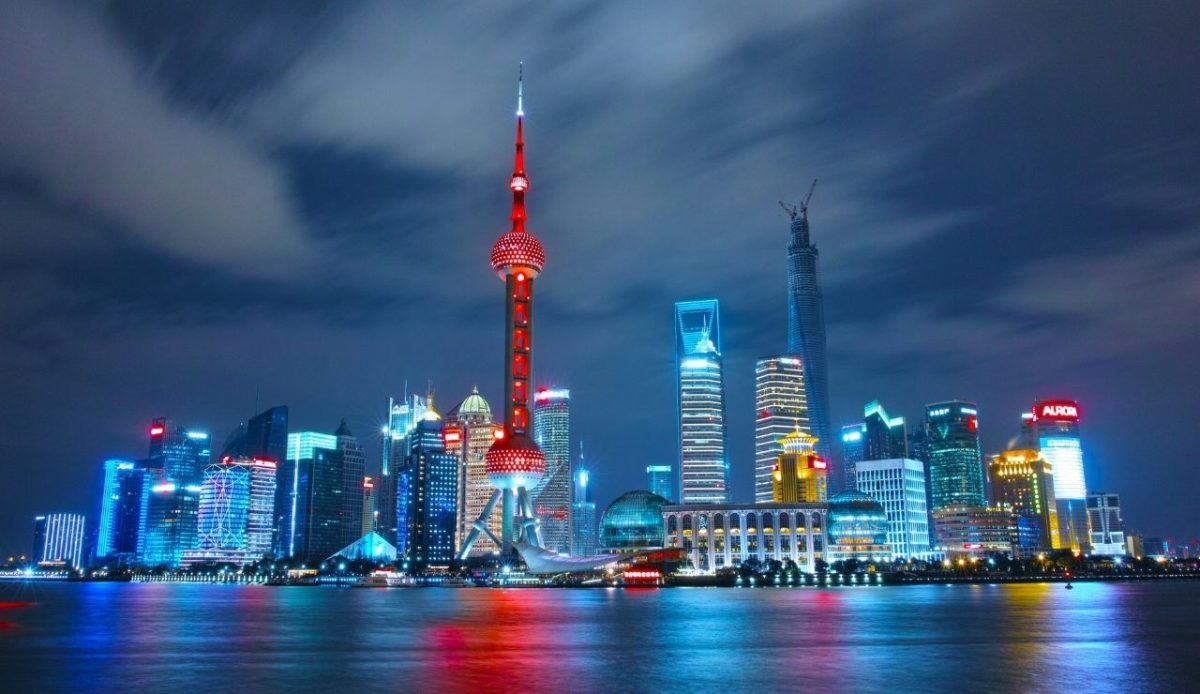
Shanghai provides a high standard of living with strong healthcare, extensive transportation, and broad career opportunities. The metro network is modern and dependable, and city services are well organized. Many global companies base regional offices here, creating diverse neighborhoods filled with international dining and shopping. Housing prices vary by district, but long-term rentals outside the central area are reasonable. English-speaking hospitals and international schools serve both families and retirees. Despite its fast rhythm, clean public spaces, and structured city planning, make daily life predictable and manageable for residents adjusting to life abroad.
7. Dubai, United Arab Emirates
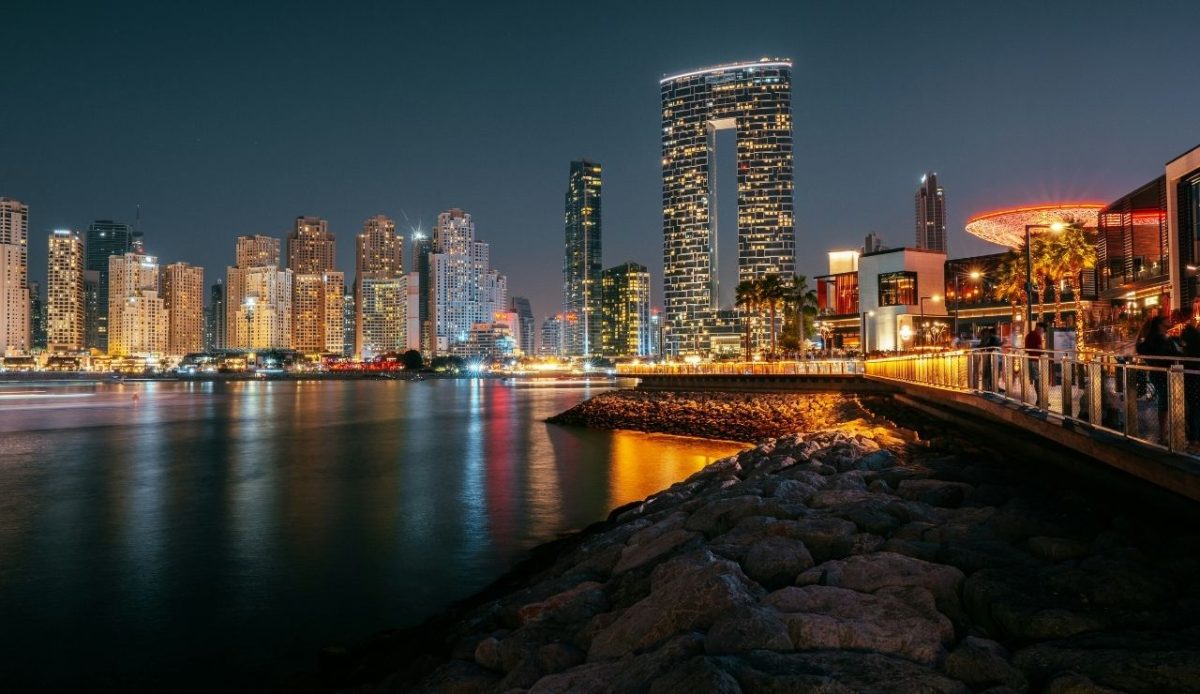
Dubai remains one of the most expat-friendly cities in the world. Infrastructure, healthcare, and safety consistently score high in international surveys. Government services are efficient and offered online in several languages, which simplifies processes such as licensing and visa renewals. Housing options range from compact apartments to large villas, and utilities are reliable across the city. Tax-free income attracts professionals, while retirees appreciate modern clinics and insurance coverage. The international airport connects easily to most regions, and community diversity ensures newcomers adjust quickly. With steady modernization and cultural openness, Dubai continues to attract long-term residents.
8. Bali, Indonesia (Denpasar Area)

Denpasar and nearby hubs such as Ubud create a relaxed lifestyle supported by affordable costs and active expat networks. Rent, transport, and groceries stay below Western averages, and healthcare access improves with more international clinics each year. New visa types now support longer stays for retirees and remote professionals. Daily routines often include local markets, wellness studios, and cultural festivals in calm surroundings. Internet connectivity and co-working hubs have expanded, giving freelancers dependable setups. For many foreign residents, Bali delivers a comfortable tropical environment built around accessibility, friendliness, and moderate living expenses.
9. Barcelona, Spain

Barcelona combines Mediterranean living with dependable infrastructure, making it one of Europe’s most appealing destinations for expats. Healthcare ranks among the best in Europe, and living expenses remain manageable compared with major Western capitals. Public transport is efficient, and most neighborhoods are highly walkable. The city encourages outdoor life through coastal promenades, markets, and plazas that stay lively throughout the year. Spanish and Catalan are widely spoken, while English is common in service areas. For retirees or working professionals, Barcelona provides a community-focused lifestyle supported by reliable public services and convenient travel links across Europe.
10. Lisbon, Portugal
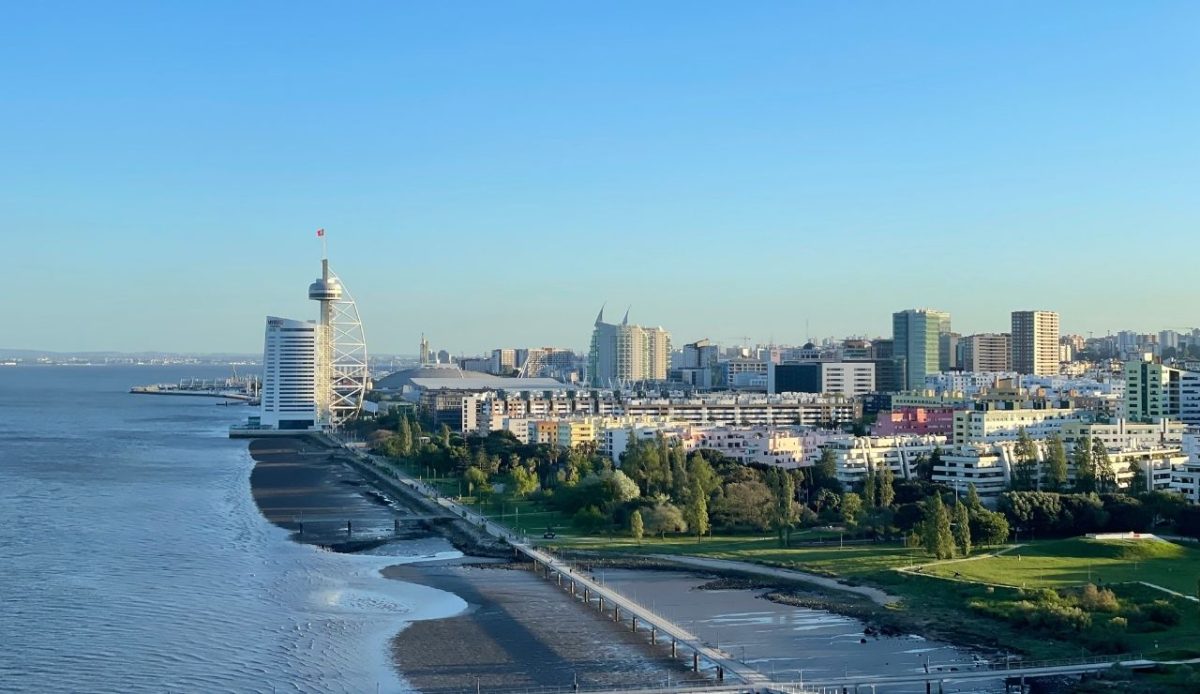
Lisbon attracts expats who want a European quality of life without high prices. Metro, tram, and suburban rail reduce reliance on cars. Public healthcare covers residents, while private clinics allow faster appointments. English is widely spoken in business and hospitality, and long-term visas support both retirees and remote workers. Rentals are highest in the city center, but nearby areas like Almada and Oeiras offer better value. Cafés, waterfront parks, and frequent cultural events keep daily life social and low-stress. With a mild climate and dependable infrastructure, Lisbon continues to rank among Europe’s most comfortable urban bases.
