
Watching birds in their natural environment connects people to the quieter side of nature. Across the United States, this pastime has grown into a thoughtful movement supported by parks, wildlife refuges, and local conservation programs. Every site follows its own schedule, defined by seasonal migrations, local weather, and conservation priorities. What began as a personal hobby now supports research, education, and restoration throughout the country. Visitors help maintain this balance by following observation routes, recording sightings, and respecting nesting areas. These destinations show how patient stewardship continues to keep bird-watching both accessible and meaningful.
1. Montezuma National Wildlife Refuge – New York
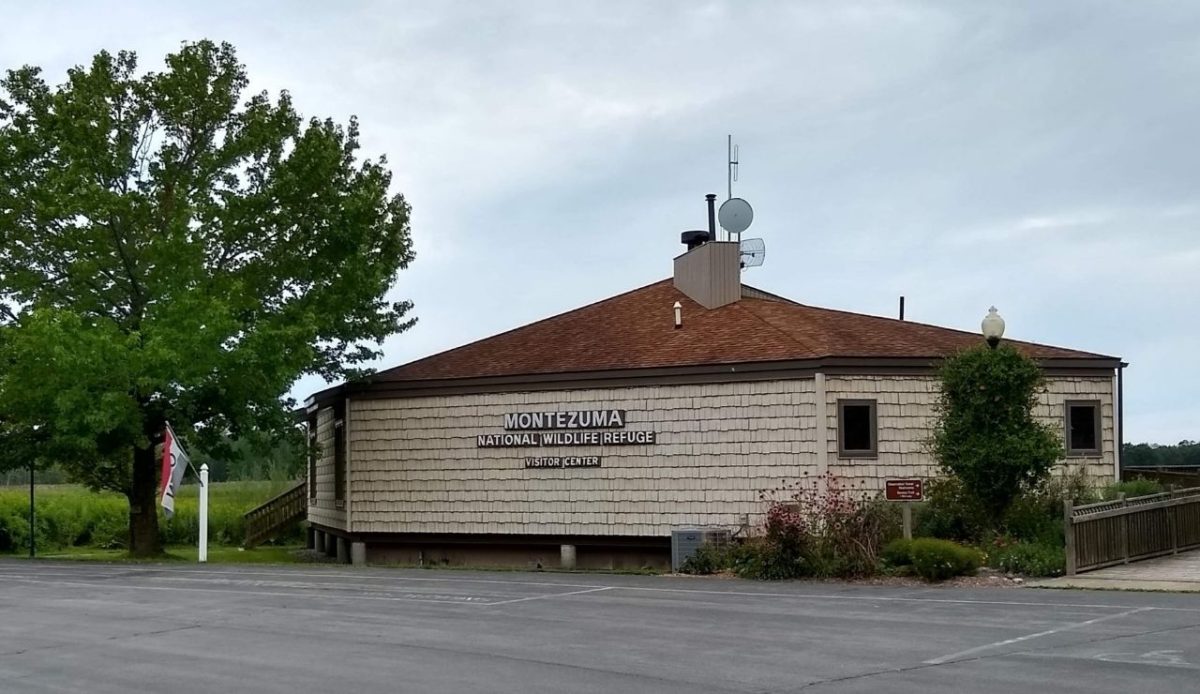
Montezuma National Wildlife Refuge lies at the north end of Cayuga Lake and is managed by the U.S. Fish and Wildlife Service as part of the Finger Lakes ecosystem. The refuge spans 10,000 acres and includes marshes, pools, and grasslands that attract migratory birds from the Atlantic Flyway. Key species include bald eagles, northern harriers, and herons. Visitors can explore observation towers, boardwalks, and a designated auto route. Volunteer and research programs contribute to population tracking and habitat improvement. Montezuma’s coordination of conservation, research, and education makes it a model for structured bird-watching in multi-use wetlands.
2. Yellowstone National Park – Wyoming and Montana
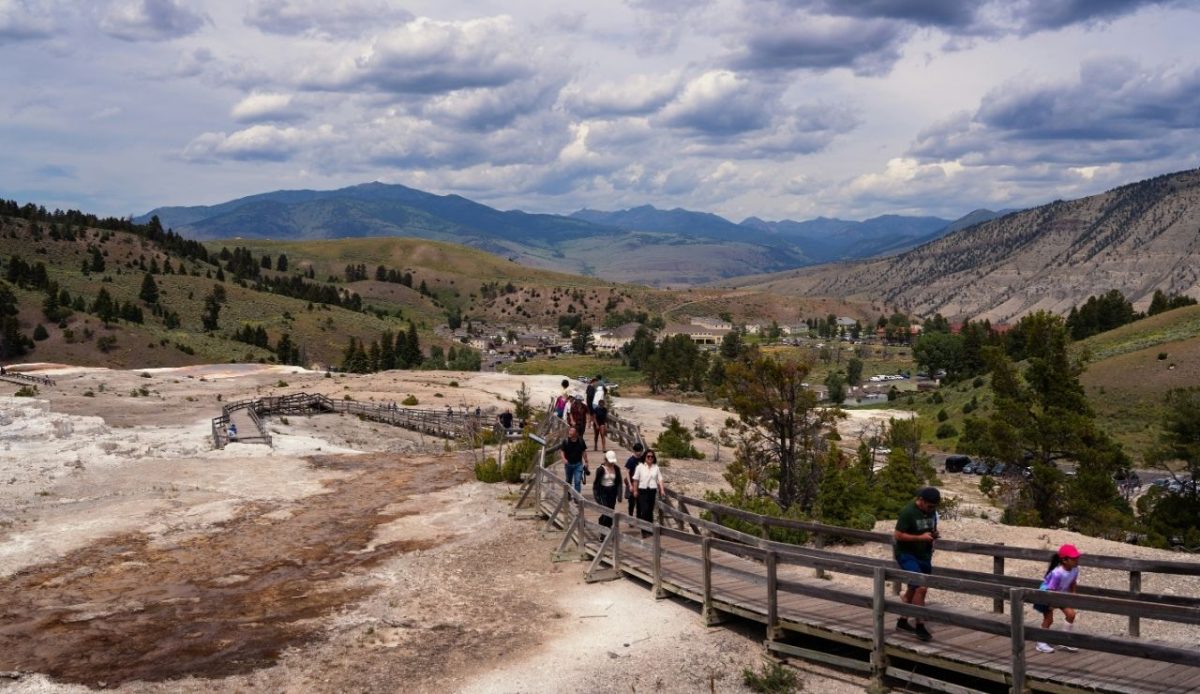
Yellowstone National Park’s wide range of habitats makes it one of the most diverse birding locations in the country. The park covers nearly 2.2 million acres across two states and includes alpine meadows, geothermal basins, and forested valleys. More than 300 bird species have been recorded, including ospreys, peregrine falcons, and trumpeter swans. The National Park Service manages access through trail permits, observation zones, and regulated traffic to protect sensitive areas. Researchers conduct long-term projects focused on nesting and population recovery. Yellowstone’s structure and monitoring consistency make it a cornerstone of organized wildlife observation.
3. Hawk Mountain Sanctuary – Pennsylvania
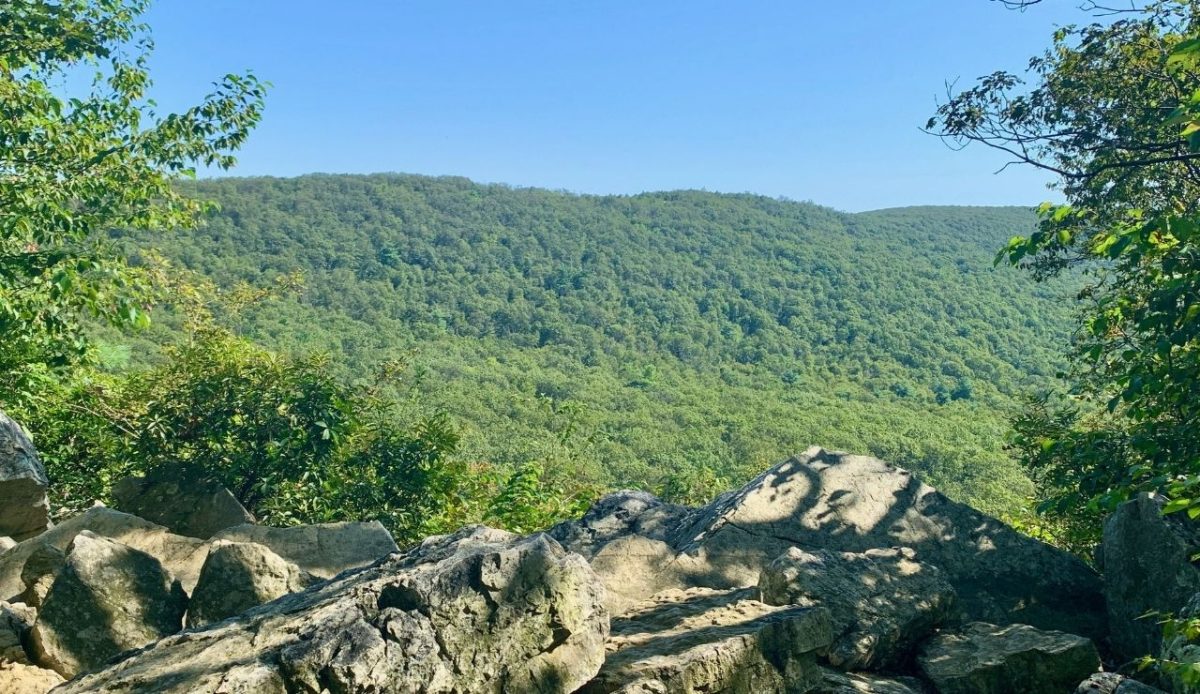
Hawk Mountain Sanctuary, located in eastern Pennsylvania, operates as a nonprofit research and conservation center established in 1934. The sanctuary manages protected ridgelines that allow reliable hawk and eagle observations each fall. Visitors access the site through a system of hiking trails and designated lookout points maintained by trained staff. Hawk Mountain provides public programs, membership options, and volunteer-led raptor counts. The sanctuary follows regulated access hours and seasonal trail maintenance to ensure ecological balance. For those studying migratory raptors, Hawk Mountain is a well-documented and professionally managed model for sustained avian research and education.
4. Everglades National Park – Florida
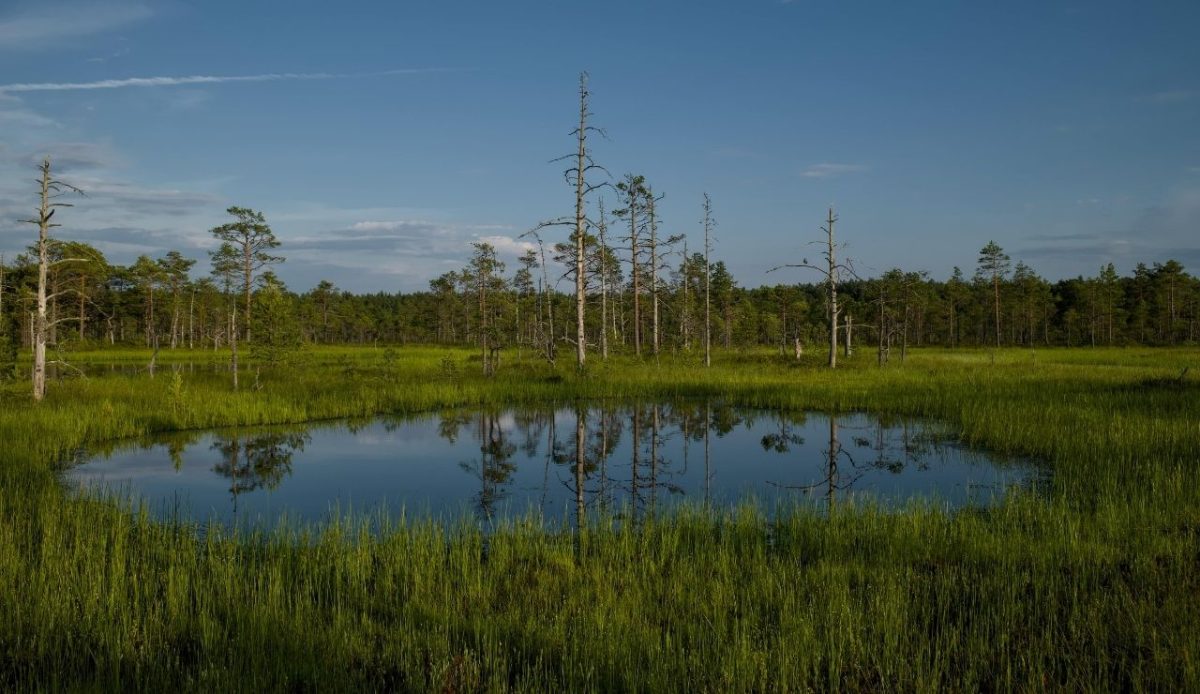
Everglades National Park, managed by the National Park Service, preserves more than one million acres of subtropical wetlands that host hundreds of bird species. Wading birds such as herons, ibises, and spoonbills appear throughout the year, supported by controlled water management systems. Observation opportunities exist along the Anhinga Trail, Eco Pond, and Flamingo Marina. The park enforces strict visitor regulations to protect wildlife during nesting periods. Its collaboration with federal and state agencies keeps monitoring consistent across multiple zones. For bird-watchers interested in large-scale wetland ecosystems under active restoration, the Everglades is an effective example of federal management for biodiversity preservation.
5. Audubon’s Corkscrew Swamp Sanctuary – Florida
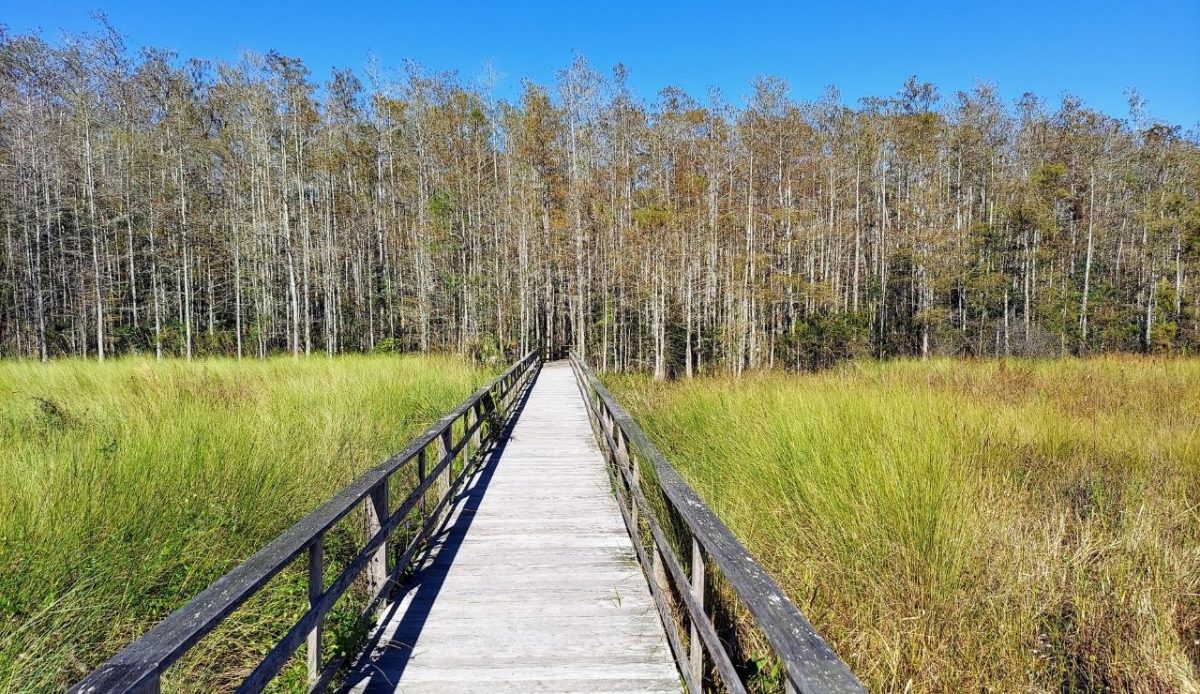
Corkscrew Swamp Sanctuary, operated by the National Audubon Society, encompasses about 13,000 acres within the Western Everglades. The sanctuary’s boardwalk trail provides organized access through cypress forests and marshes that attract species such as barred owls, herons, and wood storks. Staff and volunteers monitor populations through coordinated surveys and nesting studies. The entry system includes an education center, scheduled tours, and clear conservation rules. Its habitat management supports long-term stability for resident and migratory birds. For visitors seeking structured, research-based bird observation in South Florida, Corkscrew Swamp Sanctuary remains one of the region’s most reliable destinations.
6. Bosque del Apache National Wildlife Refuge – New Mexico
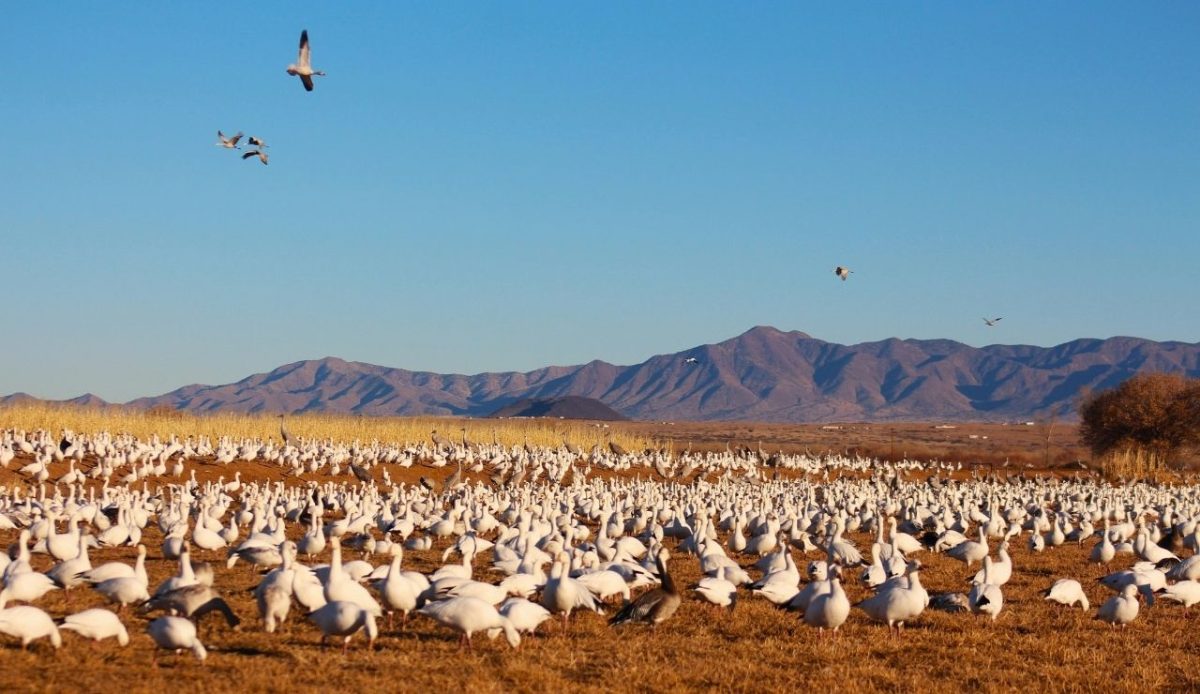
Bosque del Apache, managed by the U.S. Fish and Wildlife Service, spans over 57,000 acres along the Rio Grande Valley. It is best known for hosting tens of thousands of sandhill cranes and snow geese each winter. The refuge uses scheduled water management systems to maintain marshland depth and vegetation balance, supporting a wide range of migratory species. A designated auto loop allows controlled vehicle access, while walking trails connect to multiple viewing decks. Annual bird festivals and photography workshops operate under refuge supervision. For organized bird-watching in an arid ecosystem, Bosque del Apache demonstrates effective coordination between habitat restoration and visitor management.
7. Big Bend National Park – Texas
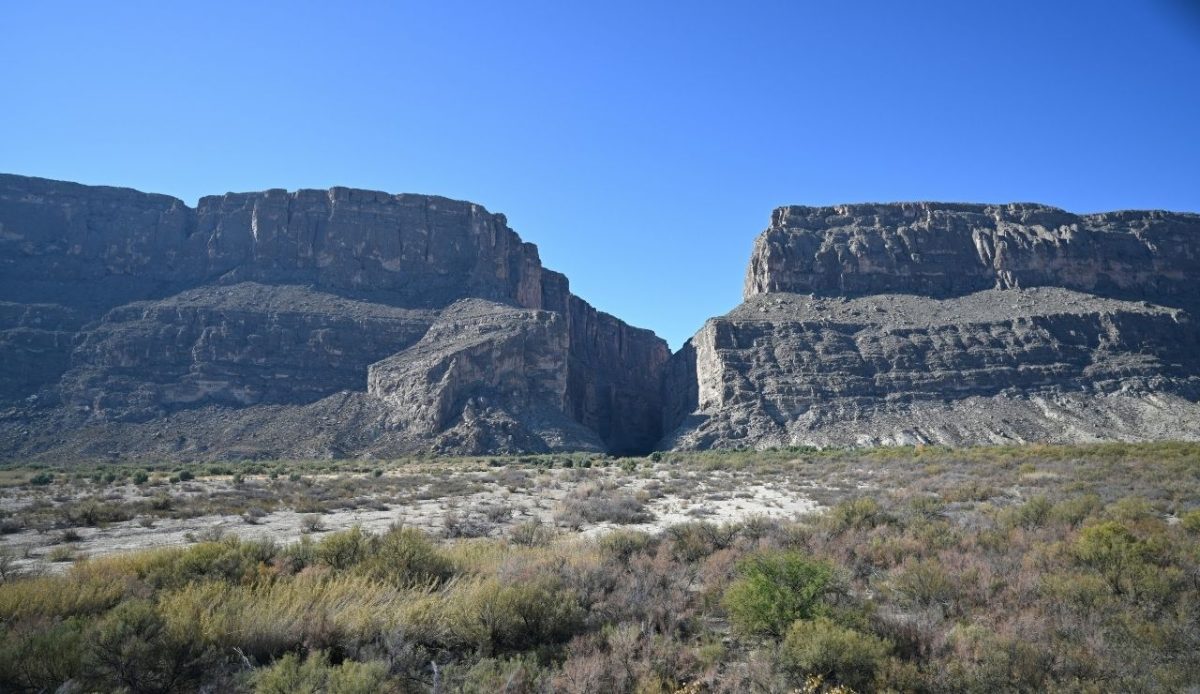
Big Bend National Park in southwest Texas covers diverse habitats ranging from desert canyons to riparian corridors. Managed by the National Park Service, the park records more than 450 bird species, including rare sightings such as Colima warblers. Observation areas are accessible near Rio Grande Village, Chisos Basin, and Cottonwood Campground. The park’s wildlife team coordinates annual surveys and habitat monitoring programs. Visitors follow trail and camping guidelines that protect sensitive nesting areas. Big Bend’s scale and ecological range make it a well-organized location for observing desert and mountain species within a federally maintained park system.
8. Aransas National Wildlife Refuge – Texas
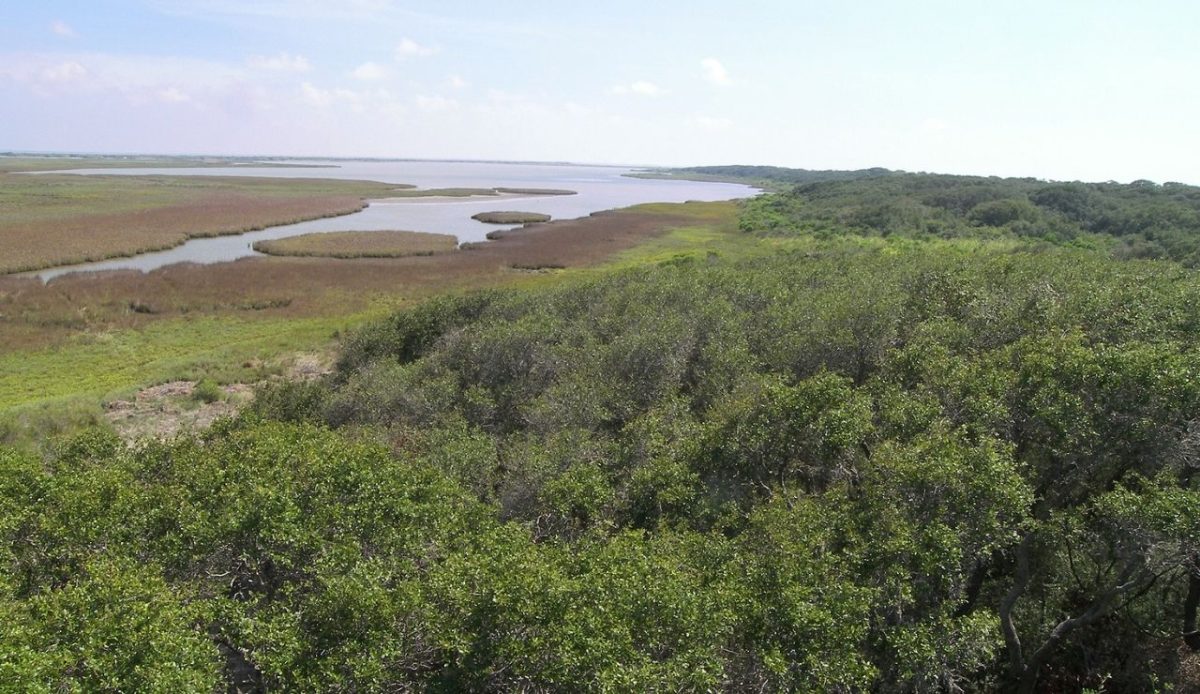
The Aransas National Wildlife Refuge, on the Texas Gulf Coast, protects crucial wintering grounds for the endangered whooping crane. Operated by the U.S. Fish and Wildlife Service, the refuge covers nearly 115,000 acres of wetlands, grasslands, and oak woodlands. Visitors follow marked observation drives and elevated boardwalks. Ranger-led programs run seasonally, focusing on migratory bird research and education. The refuge’s monitoring teams coordinate with international partners tracking whooping crane populations. Access is regulated through entry gates and scheduled viewing hours. Aransas is one of the most structured and scientifically managed coastal refuges for large migratory species.
9. Bombay Hook National Wildlife Refuge – Delaware
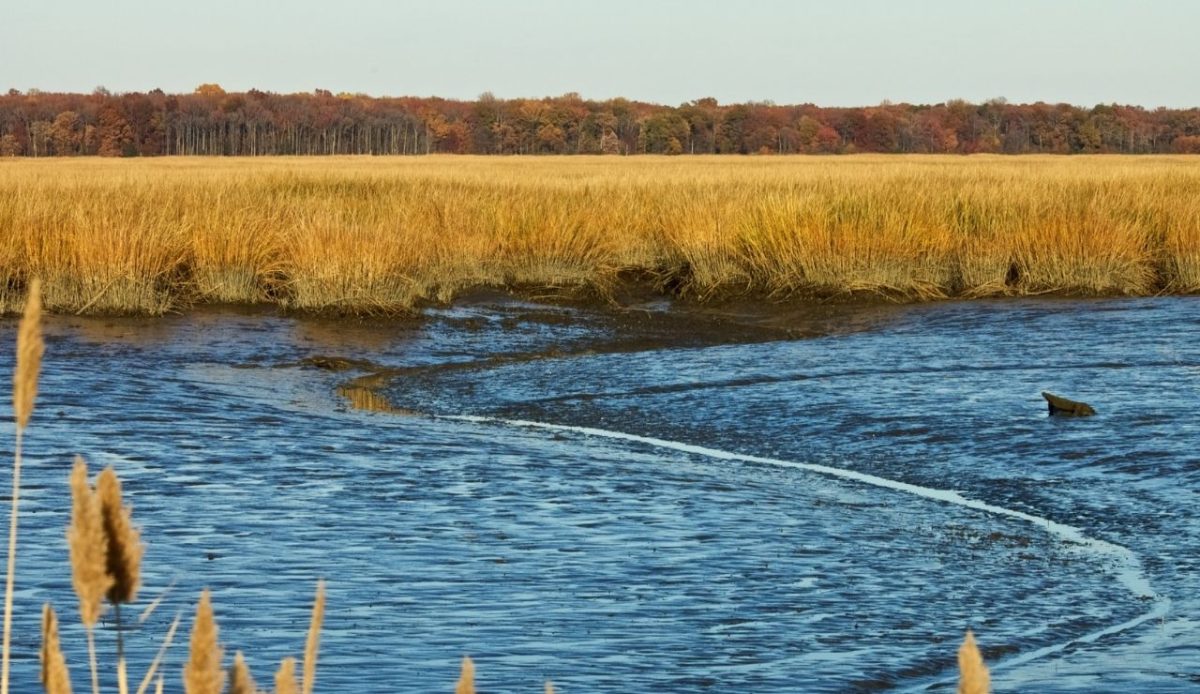
Bombay Hook National Wildlife Refuge, along Delaware Bay, preserves 16,000 acres of tidal salt marsh and upland fields. Managed by the U.S. Fish and Wildlife Service, it forms part of the Atlantic Flyway network. The refuge hosts large flocks of shorebirds, snow geese, and waterfowl during migration seasons. Visitors follow a twelve-mile auto loop with observation towers positioned throughout. Staff conduct population counts, habitat upkeep, and public programs year-round. The refuge’s infrastructure and management practices make Bombay Hook a dependable, research-driven site for bird-watching and habitat conservation in the Mid-Atlantic region.
10. Klamath Basin National Wildlife Refuges – Oregon and California
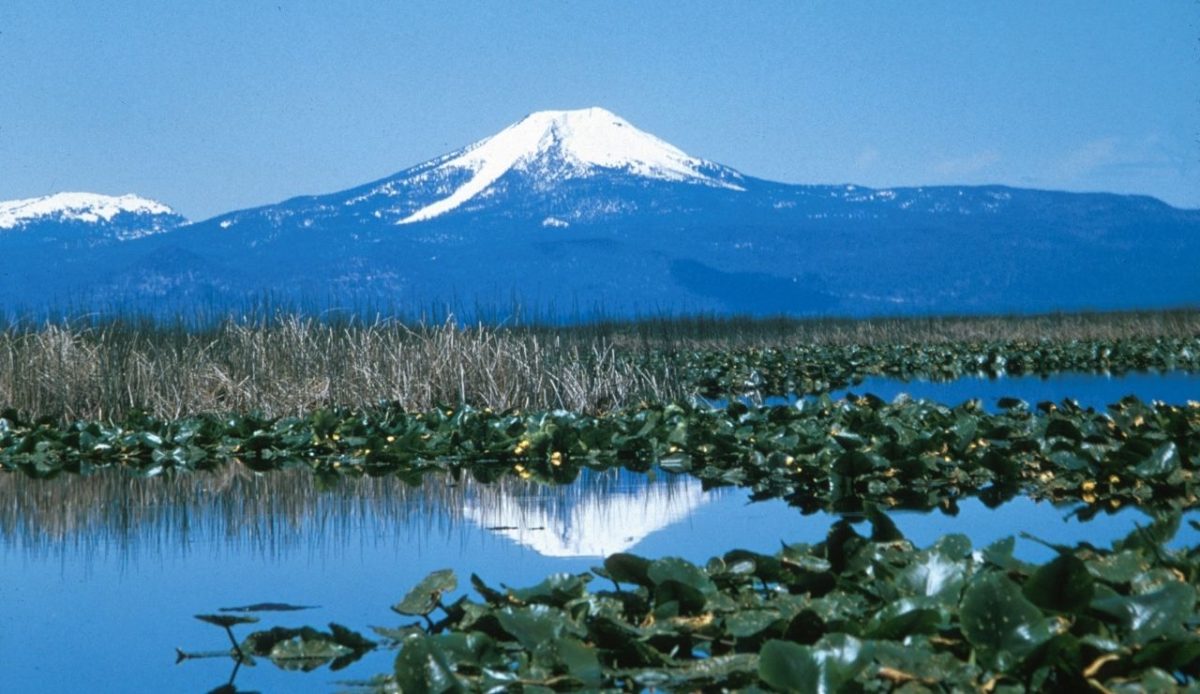
The Klamath Basin refuge complex spans the Oregon-California border, covering over 200,000 acres of wetlands and agricultural land. Managed jointly by the U.S. Fish and Wildlife Service, the system includes six refuges serving as vital habitats for migratory waterfowl along the Pacific Flyway. Auto routes, observation decks, and photography blinds allow controlled public access. Refuge staff conduct population counts and coordinate with water management agencies to sustain wetland conditions. Educational programs are available for schools and research groups. The Klamath Basin network functions as one of the country’s largest and most efficiently managed bird habitats.
