
Arizona draws retirees from across the country for its desert beauty, mild winters, and relative affordability. Yet not every city in the state offers an ideal setting for older adults. Some areas face rising costs, extreme heat, limited healthcare access, or poor walkability that make daily life more difficult on fixed incomes. Others struggle with infrastructure that hasn’t caught up to population growth. This list highlights fifteen Arizona cities where retirees often reconsider long-term living once practical realities set in. Each entry focuses on factors such as climate, transportation, healthcare, and lifestyle comfort issues that matter most after the move becomes permanent.
1. Phoenix, Arizona
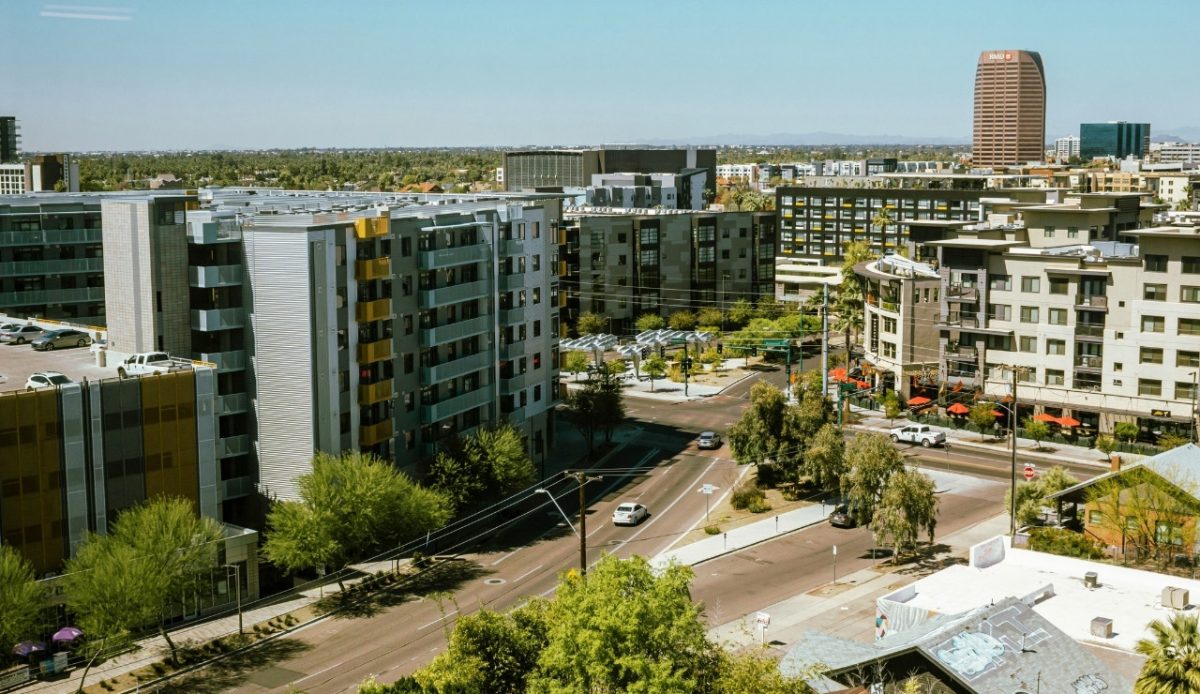
Phoenix often appears on “cities to avoid” lists for retirees because rising housing costs, heat extremes, and congestion make daily life harder on fixed incomes. Home prices and rents continue to climb faster than most pensions, and property taxes add pressure in fast-growing neighborhoods. Traffic delays lengthen errands and raise stress, especially for those who prefer shorter drives. Summers regularly top 110°F, which increases the risks of heat exhaustion and raises cooling bills. Many districts provide limited transit coverage and patchy shade, so walking errands can feel impractical.
2. Glendale, Arizona
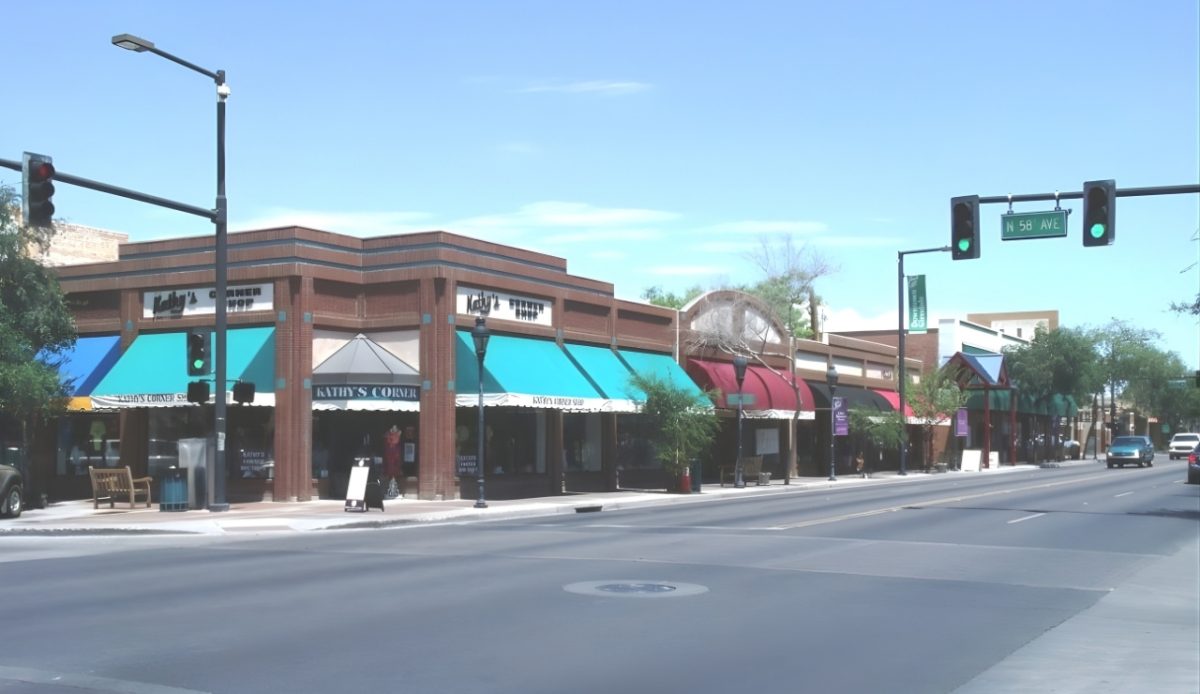
Glendale draws some retirees with proximity to Phoenix and major sports venues, yet everyday living can feel cumbersome. Sprawling subdivisions and limited transit make car ownership nearly mandatory, which adds insurance, maintenance, and fuel costs to a fixed budget. Seasonal crowds for football and hockey games push traffic and parking to the limit, complicating routine trips. Heat reflects from paved areas, driving up electricity use in summer. Walkability lags in several neighborhoods, with few shaded paths, benches, or safe crossings.
3. Buckeye, Arizona
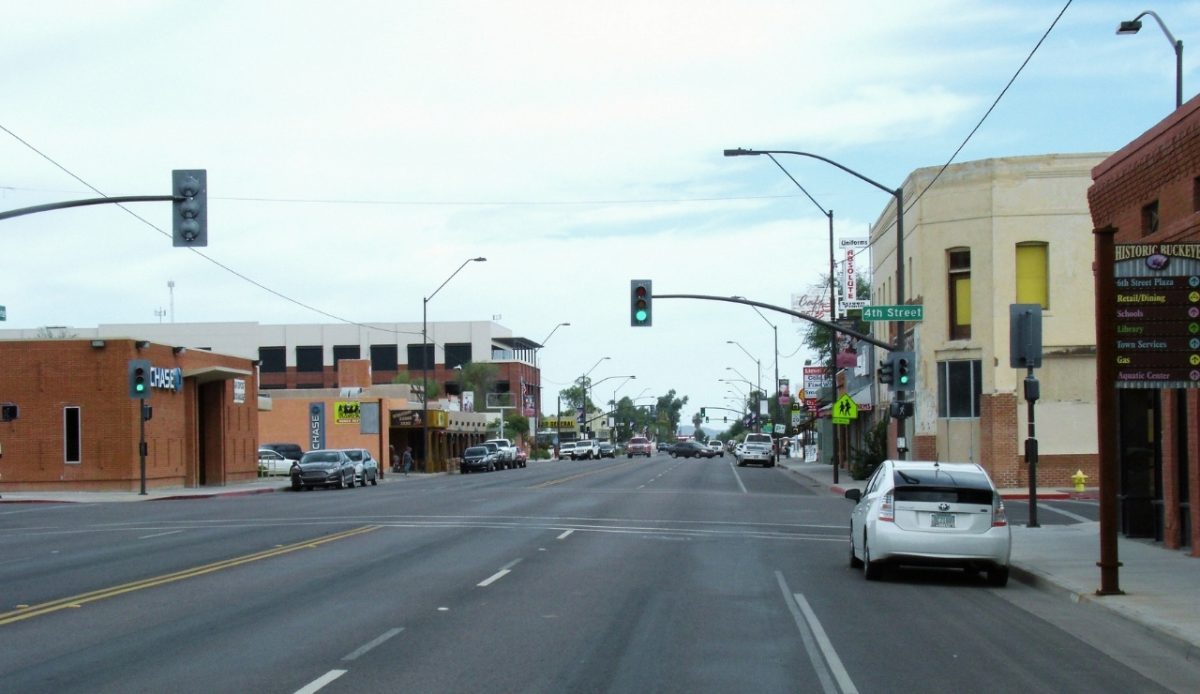
Buckeye’s rapid growth attracts new housing, but supporting services have struggled to keep pace. Road improvements, transit links, sanitation capacity, and medical access often trail new subdivisions, which forces longer drives for basic needs. Many streets lack sidewalks, shade trees, or safe crossings, so walking in extreme heat feels risky. Primary care is available, yet specialty appointments commonly mean trips to Phoenix or Goodyear. As housing spreads outward, commute times rise, and errands consume more of the day.
4. Maricopa, Arizona
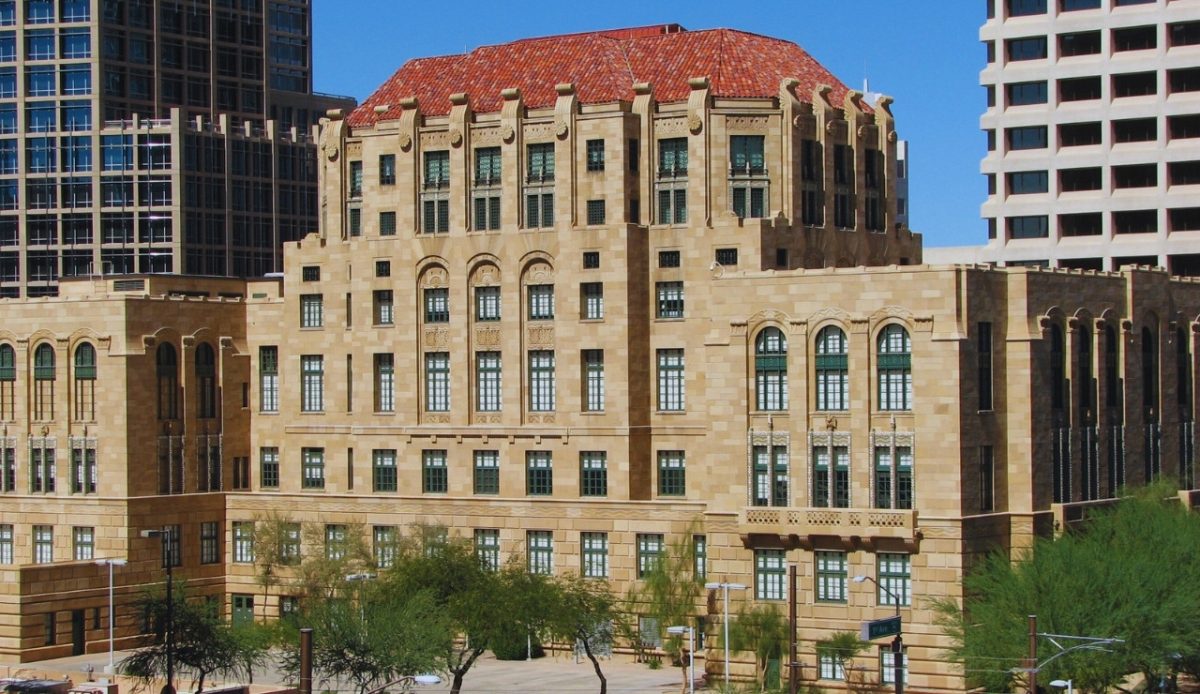
Maricopa continues to grow quickly, yet the city’s expansion brings everyday challenges for retirees. The long distance from central Phoenix turns medical visits into extended drives, especially for specialized care. Public transportation remains minimal, which adds fuel and maintenance costs for car owners. Harsh summer temperatures discourage outdoor activity for much of the year, while new developments often outpace infrastructure. Shopping and dining options cluster in a few central areas, creating traffic during peak hours. Affordable housing draws new residents, though many older adults find the isolation and heat outweigh the savings once health and mobility become priorities.
5. Gila Bend, Arizona
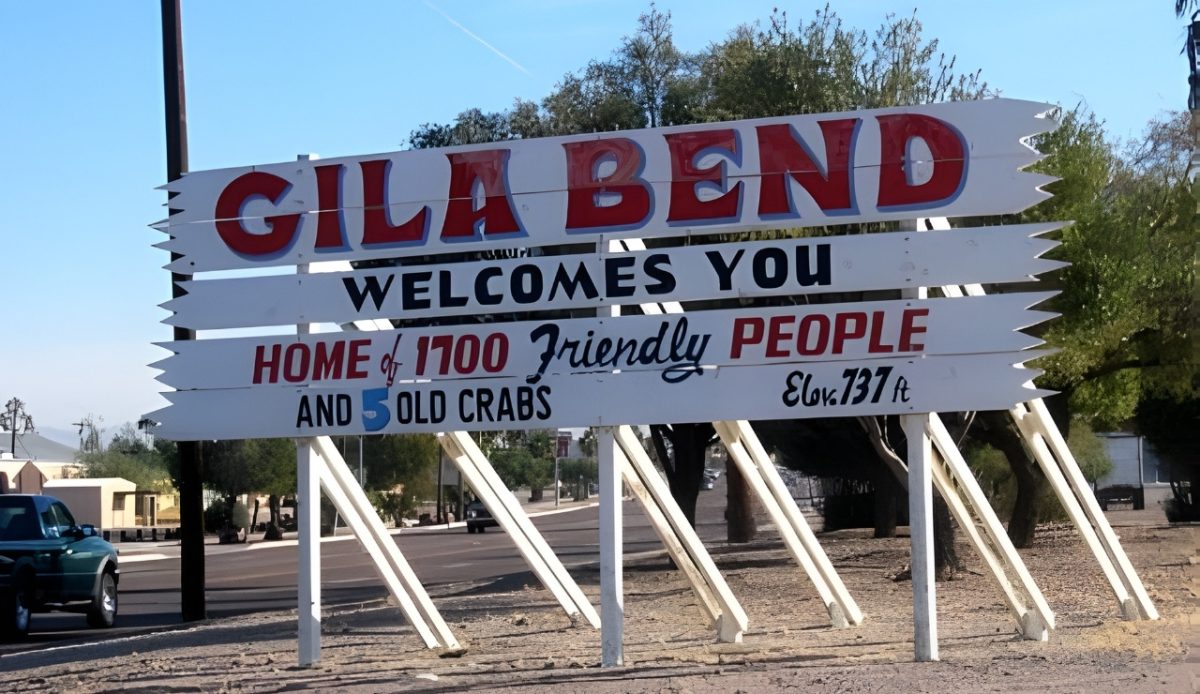
Gila Bend delivers quiet surroundings and open space, yet its limited services often complicate retirement living. The city offers few healthcare facilities, and most residents must drive long distances for hospital care or specialists. Shopping options remain narrow, with small markets and gas stations covering basic needs. Outdoor recreation is possible but restricted by high temperatures and minimal shaded areas. The local economy relies on highway traffic and small tourism businesses, leaving little for those seeking community programs or senior centers. For retirees who depend on easy access to services and moderate weather, Gila Bend’s isolation makes daily life demanding.
6. Ajo, Arizona
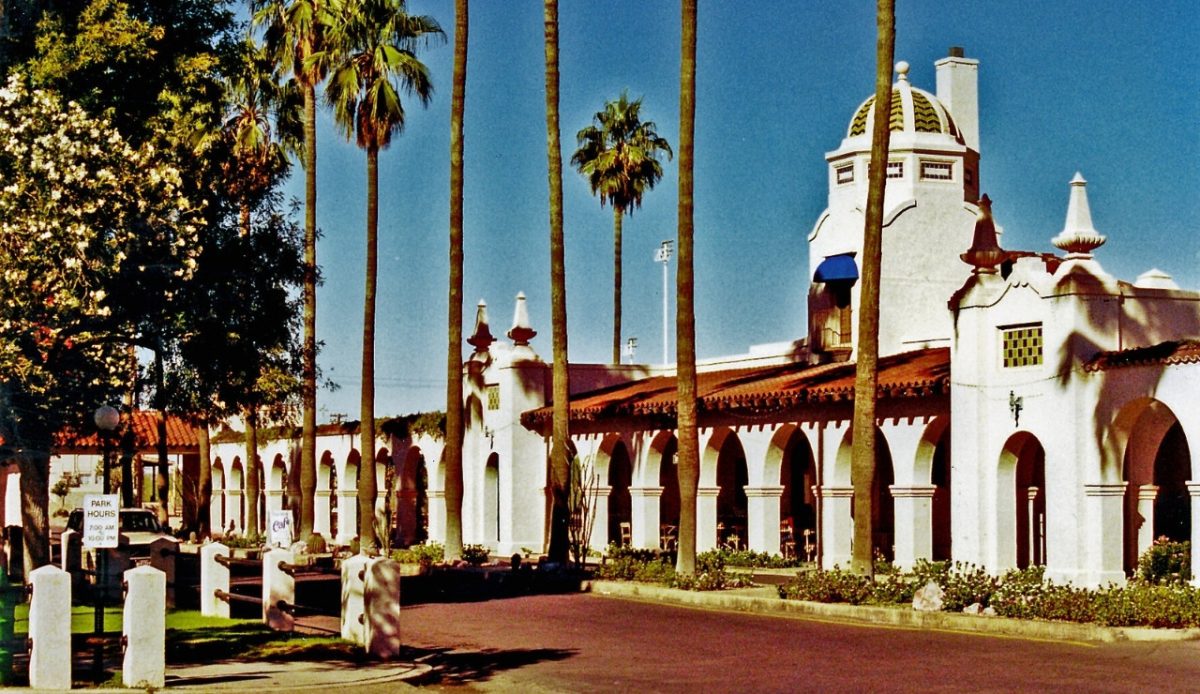
Ajo’s affordability and historic charm appeal to many, though its remote setting can create daily difficulties for retirees. The nearest major hospitals and grocery chains are hours away, which complicates routine medical visits or supply trips. Broadband and cellular coverage remain inconsistent, making telehealth and online errands less reliable. The town’s entertainment choices are limited to small cafés, art galleries, and seasonal markets. Summer heat reduces outdoor activity for much of the year. While residents appreciate its community spirit, retirees who rely on modern conveniences and accessible healthcare often find Ajo better suited for short stays than permanent living.
7. Somerton, Arizona
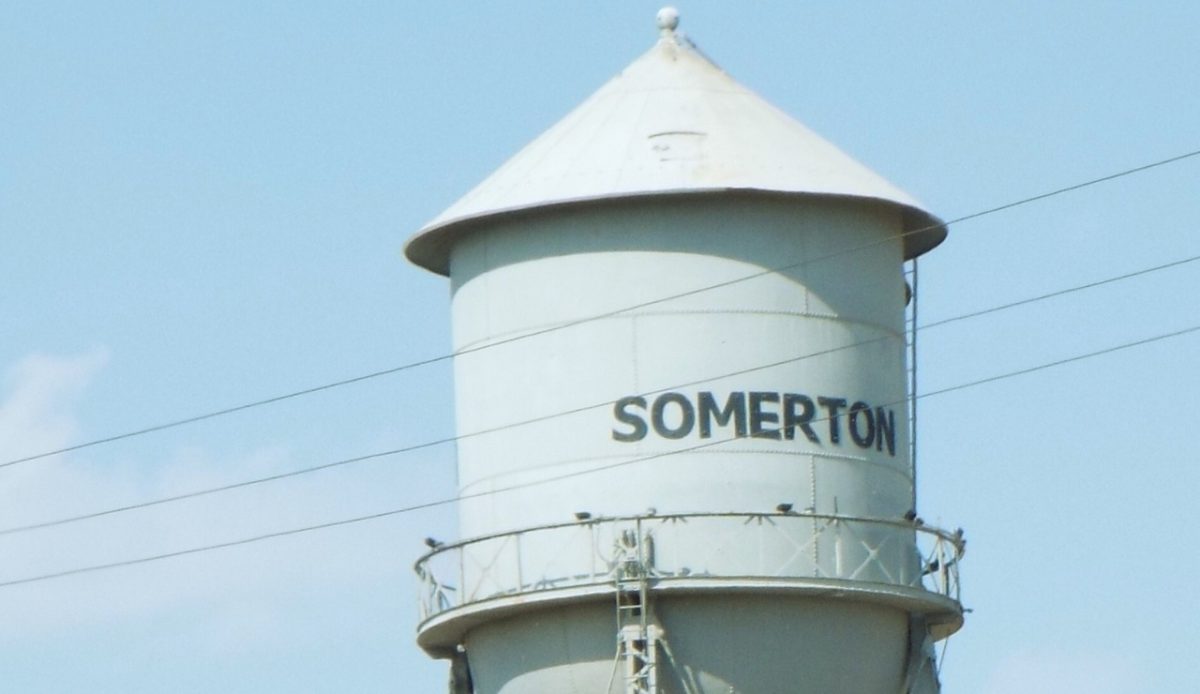
Somerton’s friendly residents and affordable housing attract new arrivals, though its limited infrastructure can frustrate long-term retirees. The city’s compact layout restricts entertainment, dining, and shopping to a handful of blocks. Medical and specialty services are concentrated in Yuma, adding travel time for appointments. Public areas often lack shaded seating or accessibility features, making outdoor activity uncomfortable during hot months. Community events build strong local ties, yet growth remains slow and uneven. For those who want affordability combined with easy access to care, Somerton’s small scale and climate challenges make it less practical than it first appears.
8. Nogales, Arizona
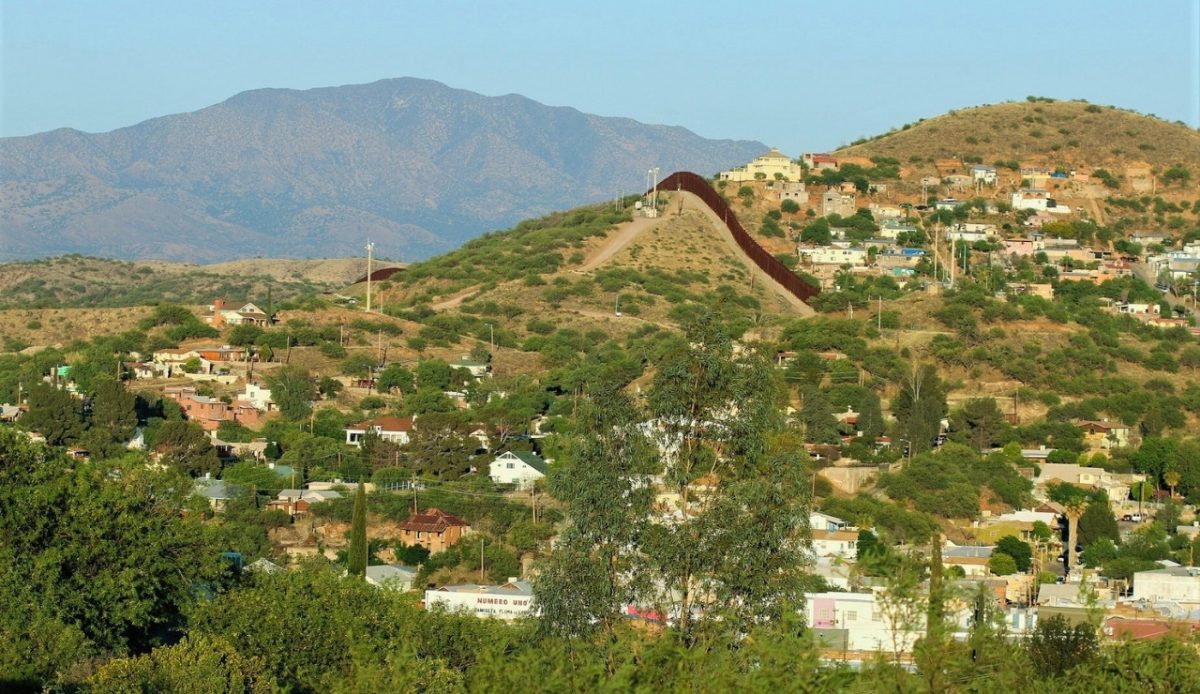
Nogales offers cross-border culture and affordability, yet retirees frequently find the area challenging for long-term comfort. The city’s location on the international border brings constant truck traffic and long inspection lines that slow daily travel. Access to healthcare can also be difficult, with many residents relying on clinics in Tucson, nearly 70 miles away. Summers are hot, and air quality occasionally worsens from nearby vehicle emissions. While Nogales celebrates its multicultural energy, it also struggles with limited senior housing and higher crime rates than surrounding towns.
9. Winslow, Arizona
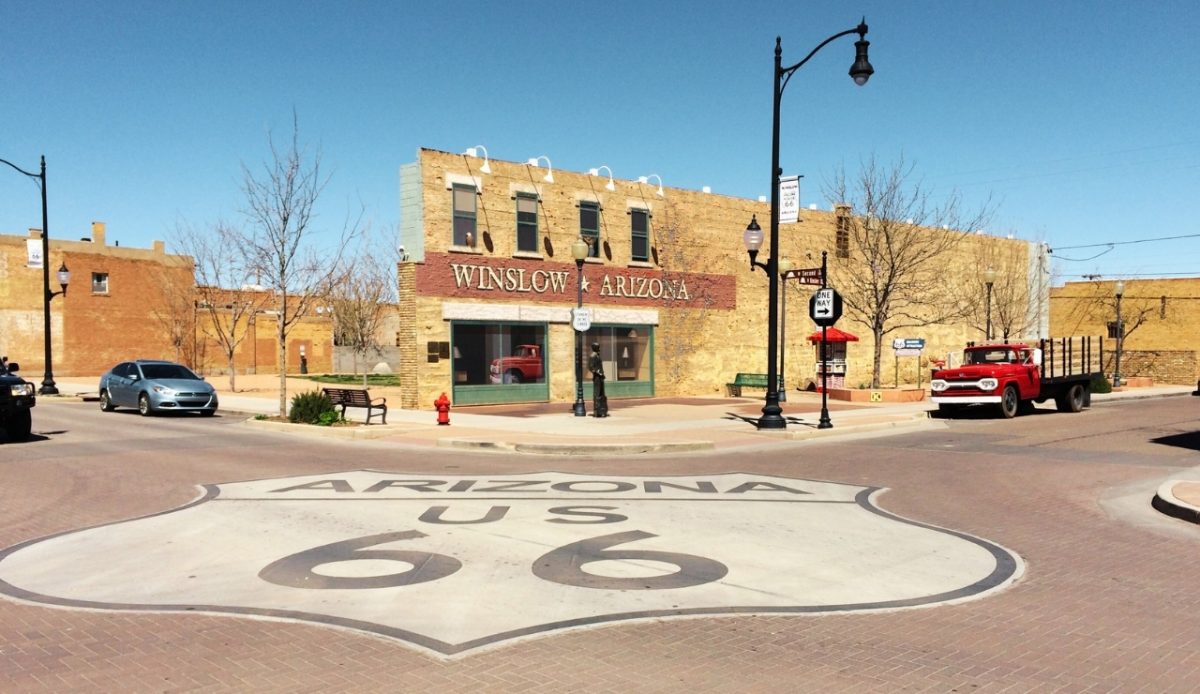
Winslow carries Route 66 nostalgia but falls short of the amenities retirees often seek. The town’s small population restricts access to full-service hospitals and specialty clinics. Grocery stores and pharmacies provide limited choices, requiring frequent trips to Flagstaff for broader services. Employment and volunteer options are minimal, and housing stock tends to be older, often needing costly maintenance. Summers bring high heat, while winters can surprise new residents with icy conditions that challenge mobility. Winslow’s charm appeals to travelers, yet for retirees wanting modern conveniences and stable healthcare, daily life can feel more isolating than relaxing.
10. Page, Arizona
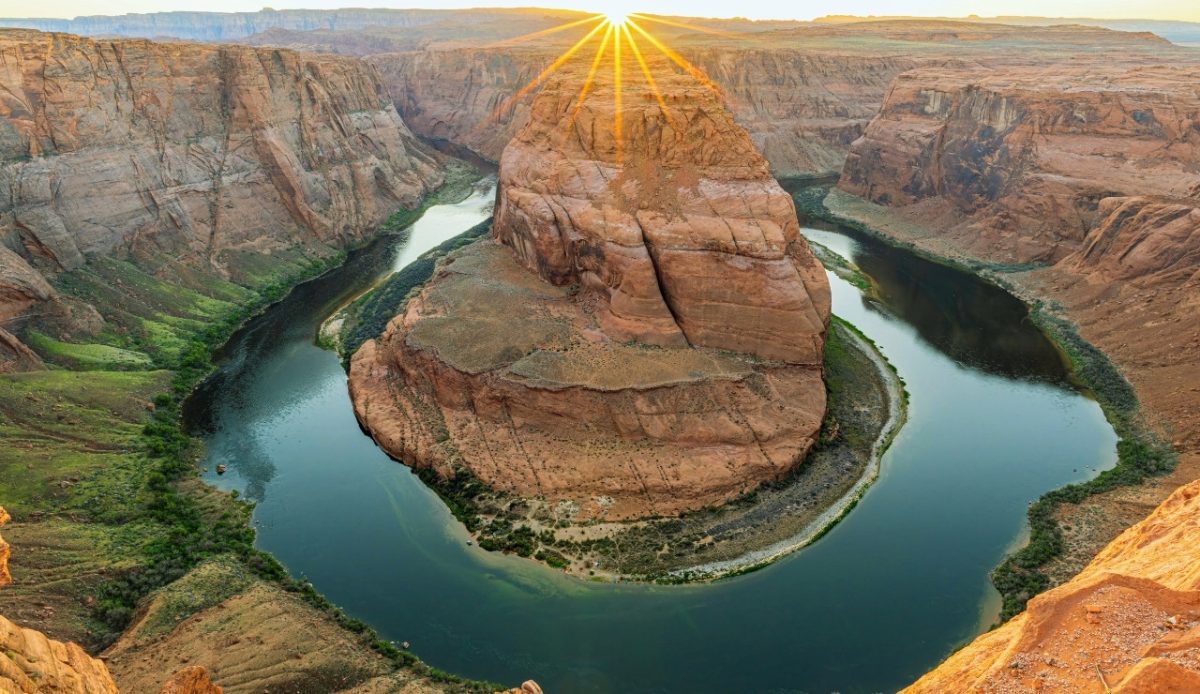
Page enjoys scenic beauty near Lake Powell, yet its isolated location poses challenges for retirees. The nearest large hospitals and shopping centers are hours away, creating dependency on long drives for essential needs. Seasonal tourism shapes much of the economy, so prices rise during peak months, while services shrink in the off-season. Extreme summer heat and limited shade restrict outdoor comfort. The housing market caters more to short-term rentals than long-term residents, which makes finding suitable senior housing difficult. For retirees prioritizing consistent healthcare, moderate weather, and convenience, Page’s remote beauty comes with practical sacrifices that many prefer to avoid.
