
Malta may be small, but its history is enormous, stretching from prehistoric civilizations to medieval knights and modern coastal culture. The island is filled with ancient temples, dramatic fortifications, and architectural gems that tell the story of thousands of years in just a few square miles. Whether you’re wandering through walled cities or standing before ruins older than the pyramids, every corner of Malta reveals something astonishing. These ten landmarks offer the perfect starting point for exploring the island’s rich and layered past.
1. Valletta’s Upper Barrakka Gardens
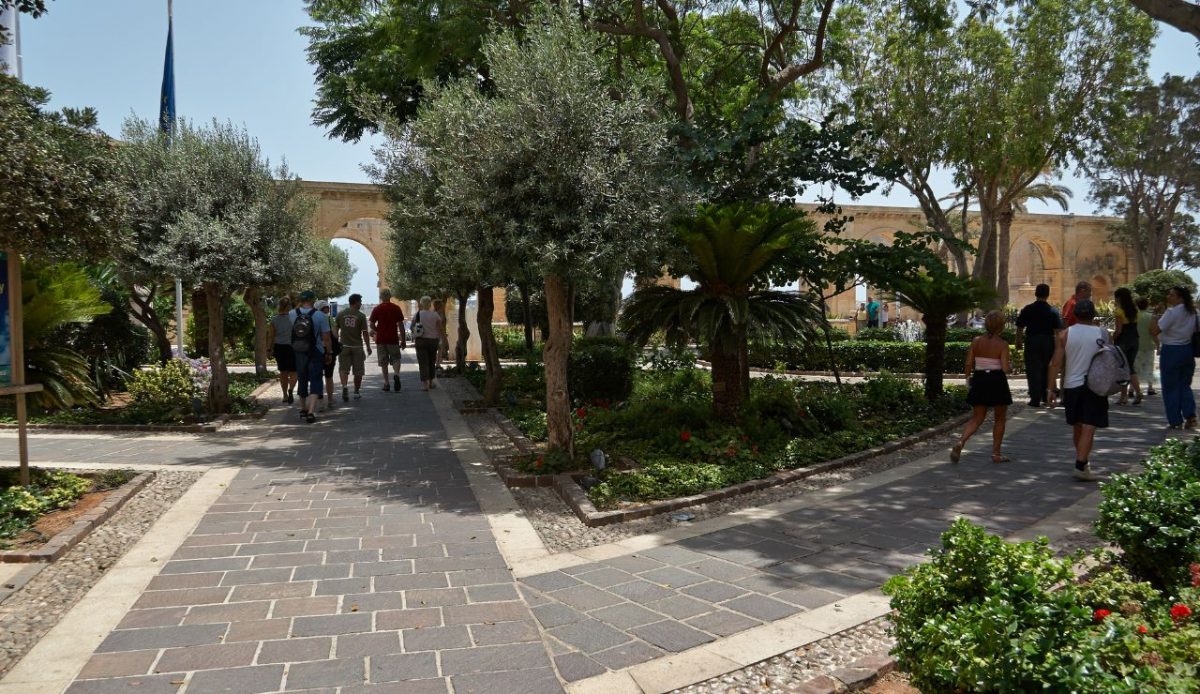
Perched high above Grand Harbour, the Upper Barrakka Gardens offer one of Malta’s most iconic viewpoints. Built in the 17th century for the Knights of St. John, the terrace overlooks historic forts, passing ships, and Mediterranean sunsets. Cannons still fire daily from the Saluting Battery below, adding historical flair. The gardens feel peaceful yet impressive, with statues, fountains, and shaded walkways. It’s an essential stop for photography, panoramic views, and a taste of Malta’s fortified history.
2. Mdina, the Silent City
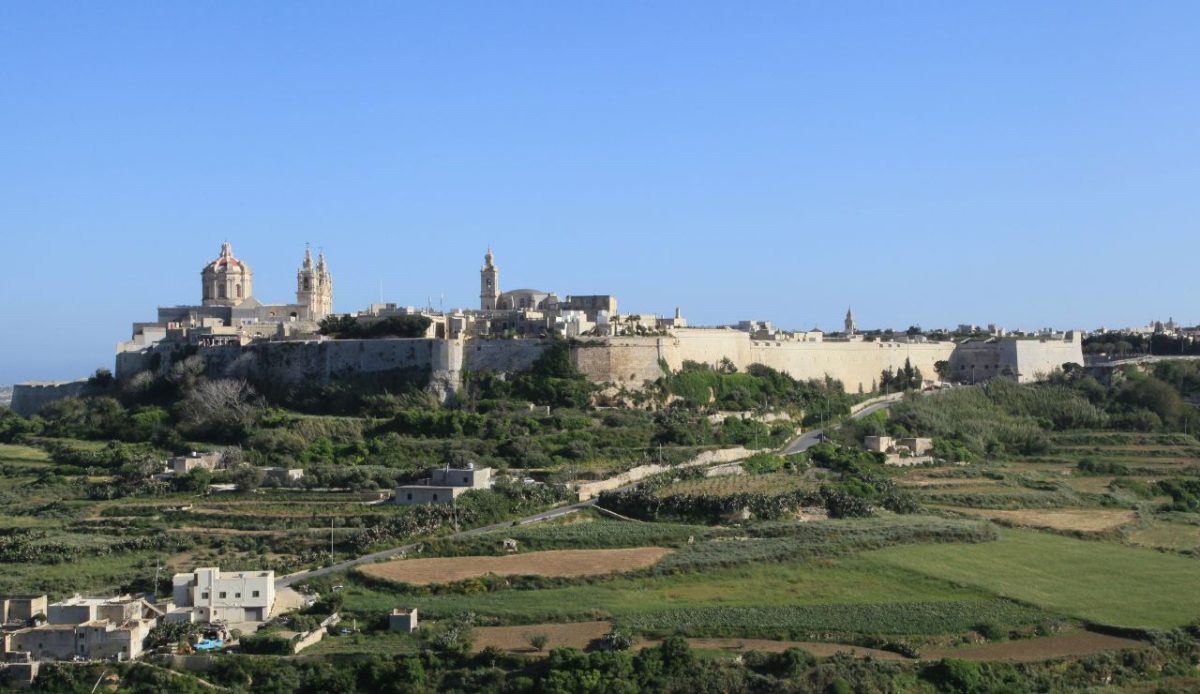
Mdina is a beautifully preserved medieval city that feels frozen in time. Narrow alleys, limestone walls, and wooden balconies create an atmosphere unlike anywhere else in Europe. Once Malta’s capital, it was home to nobles and religious leaders, earning its nickname “the Silent City.” Visitors can explore St. Paul’s Cathedral, fortified gates, and panoramic lookout points without crowds or noise. Mdina is quiet, magical, and one of the island’s most cinematic destinations.
3. Ħaġar Qim Temples
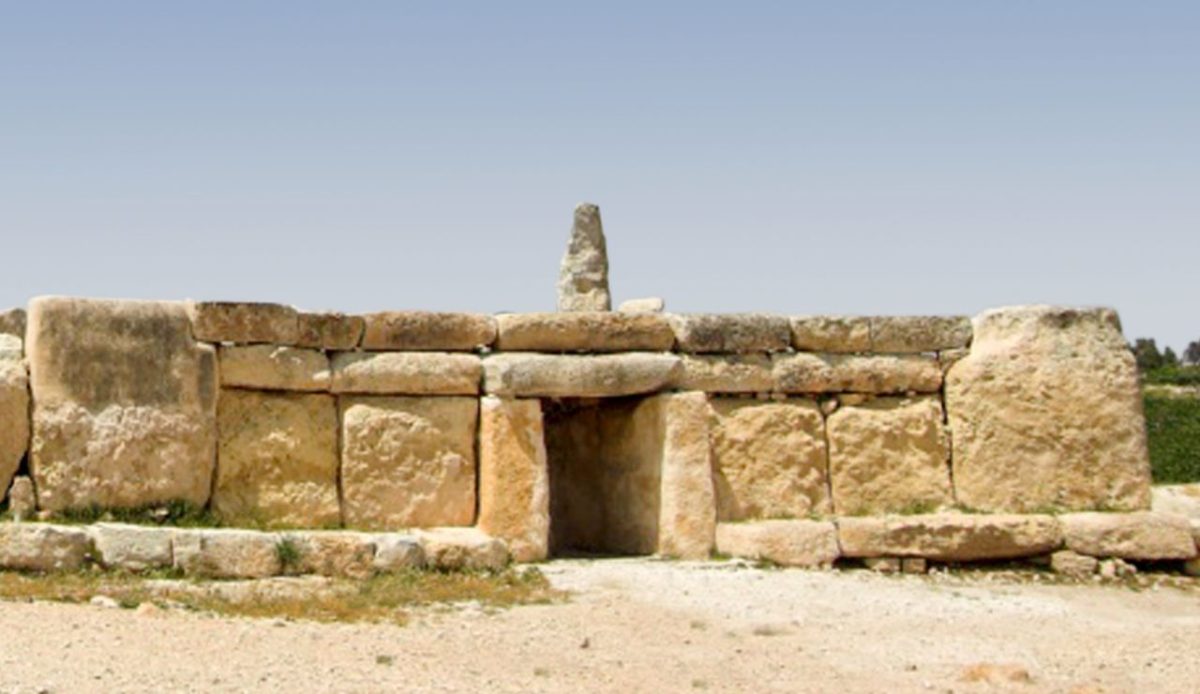
Older than Stonehenge and the Egyptian pyramids, the Ħaġar Qim temples showcase Malta’s incredible prehistoric heritage. Built between 3600 and 3200 BC, the site features massive stone blocks arranged in sophisticated layouts that reveal advanced engineering and spiritual culture. Set on a cliff overlooking the sea, the temples feel both ancient and atmospheric. Visiting Ħaġar Qim offers a rare chance to walk inside one of the world’s oldest free-standing structures.
4. St. John’s Co-Cathedral
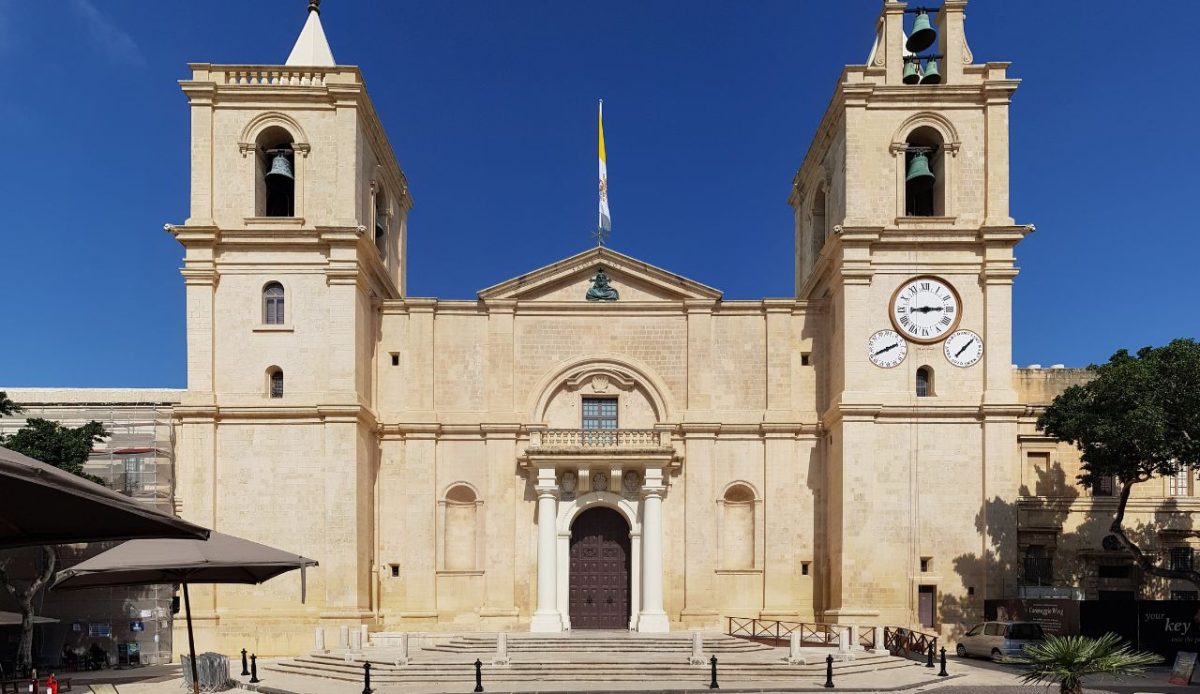
Behind its modest exterior, St. John’s Co-Cathedral in Valletta hides one of the most breathtaking Baroque interiors in Europe. The ceiling is covered with dramatic frescoes, gold detailing, and intricate marble floors, while its chapels honor knights from different European regions. The cathedral also houses Caravaggio’s masterpiece The Beheading of St. John the Baptist, making it a world-class art destination. It’s a stunning example of Maltese religious and artistic splendor.
5. The Blue Grotto
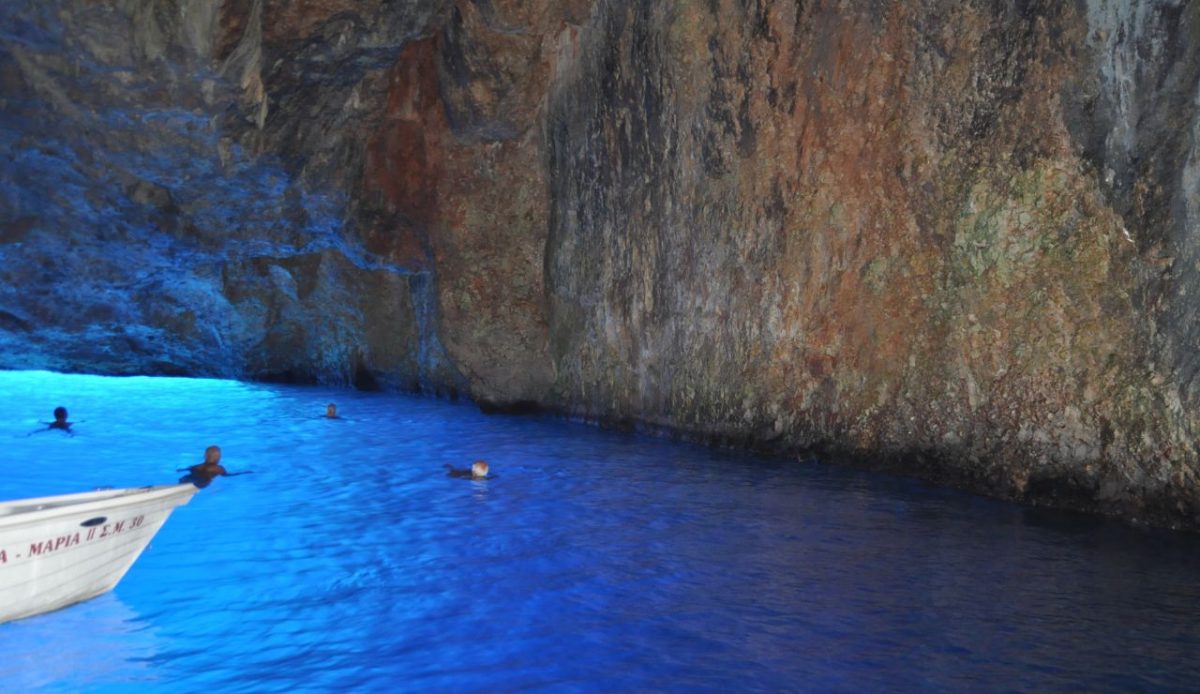
The Blue Grotto is a natural sea cave famous for its electric-blue water, created by sunlight reflecting off underwater surfaces. Boat trips take visitors through archways and into glowing caverns that look almost unreal. Located along Malta’s rugged southwest coast, the site combines dramatic cliffs, turquoise water, and peaceful quiet. It’s one of the island’s most photographed natural landmarks and a must-see for nature lovers and coastal explorers.
6. Fort St. Elmo
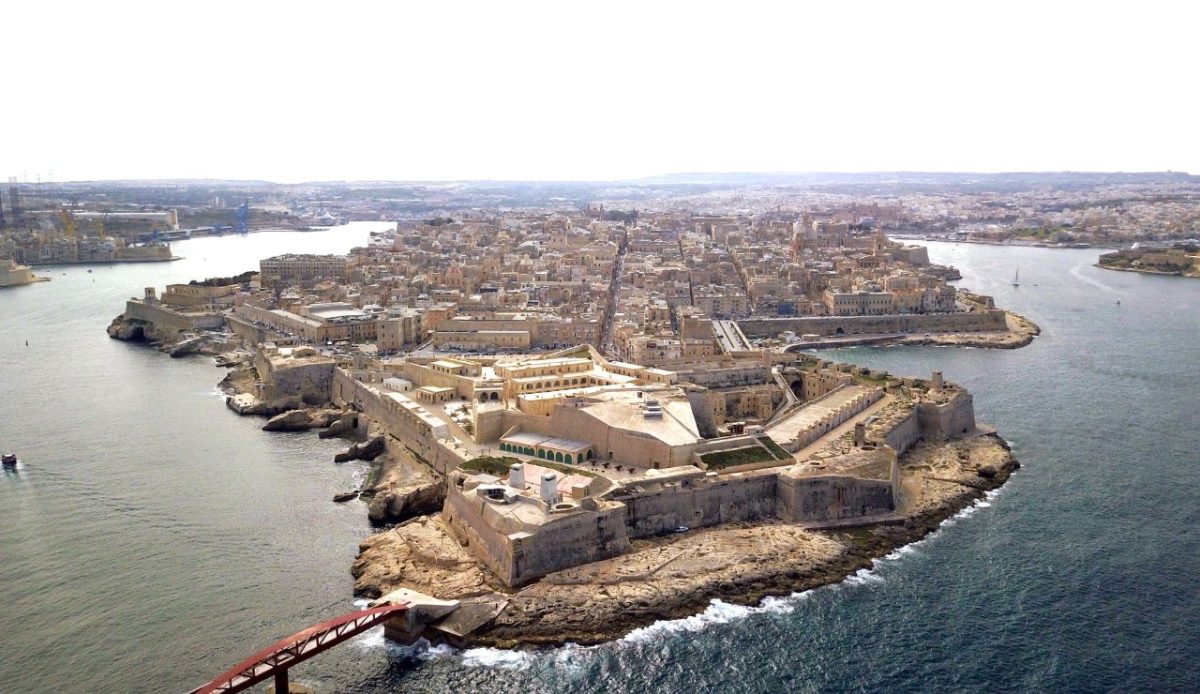
Overlooking the entrance to Grand Harbour, Fort St. Elmo played a crucial role in the 1565 Great Siege of Malta. Today, it houses the National War Museum and offers sweeping views of Valletta’s waterfront. The star-shaped fortress showcases centuries of military engineering and tells the story of Malta’s strategic importance in European history. Its stone walls, museum exhibits, and coastal setting make it a highlight for history lovers and photographers.
7. Gozo’s Citadel, Cittadella
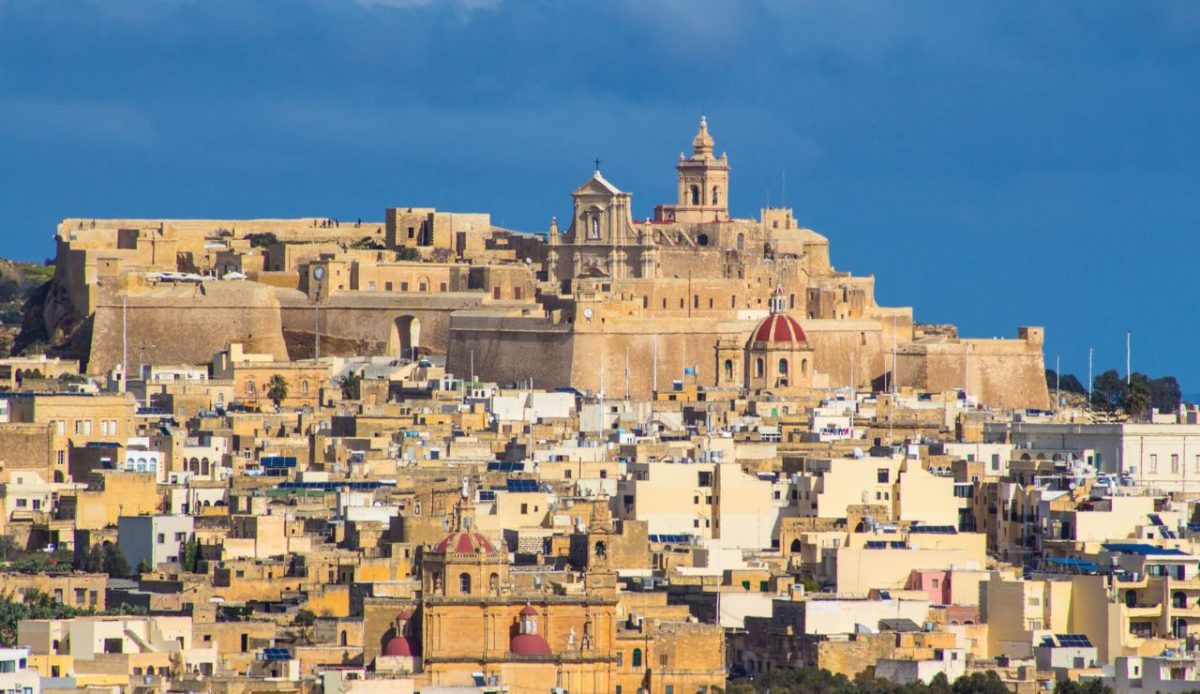
Located on Malta’s sister island Gozo, the Citadel is an ancient walled city that rises dramatically above Victoria. Its fortifications date back to the medieval period, and visitors can wander through narrow alleys, historic chapels, and lookout terraces. The views stretch across the entire island, from farmland to sea. The Citadel blends archaeology, architecture, and everyday life, a rare chance to explore a living fortress still used by locals today.
8. Marsaxlokk Fishing Village & Sunday Market
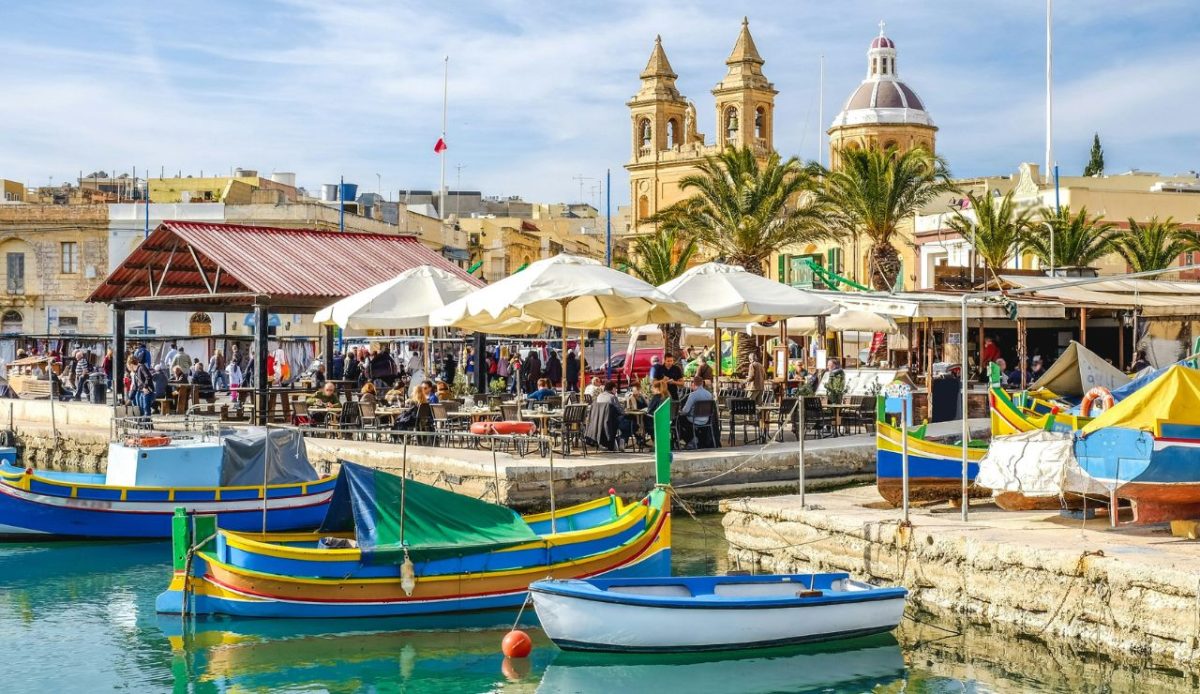
Marsaxlokk is a colorful harbor town famous for its traditional luzzu fishing boats painted with bright eyes for protection. Every Sunday, the waterfront fills with market stalls selling fresh seafood, spices, crafts, and local treats. The village offers an authentic glimpse into Maltese life beyond tourist zones. With peaceful bay views, waterfront cafés, and a strong cultural identity, Marsaxlokk feels like stepping into a postcard of everyday Malta.
9. Popeye Village
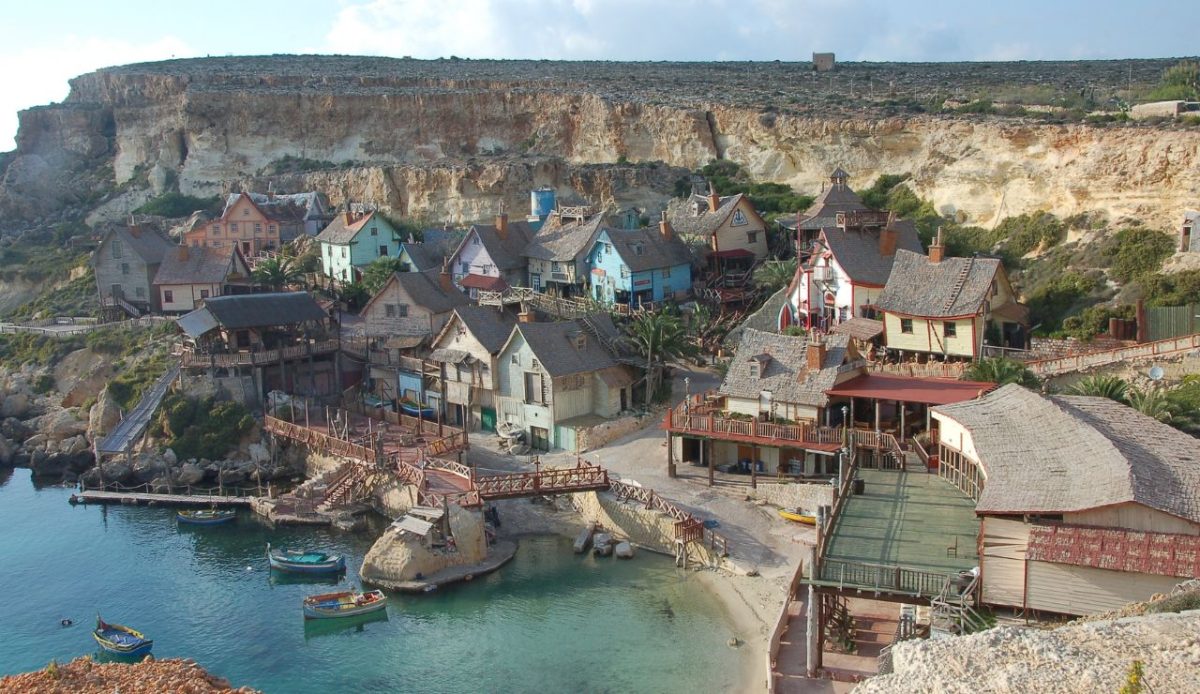
Originally built as the film set for the 1980 musical Popeye starring Robin Williams, Popeye Village has transformed into one of Malta’s most charming and quirky attractions. The brightly painted wooden houses sit along Anchor Bay, surrounded by vivid turquoise water and dramatic cliffs. Visitors can explore themed buildings, watch live shows, take boat tours, and even swim during the summer. It’s equal parts film history, family fun, and coastal scenery, making it an unforgettable photo stop and a playful reminder of Malta’s Hollywood connection.
10. Għar Dalam Cave
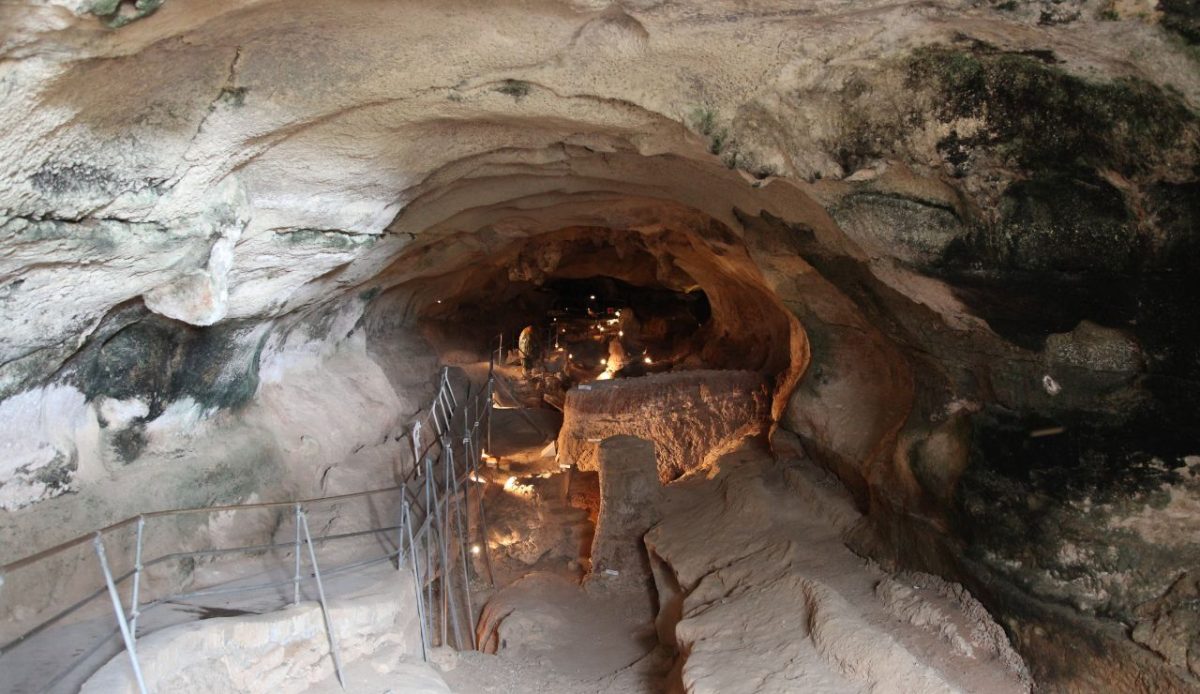
Għar Dalam is one of Malta’s most important prehistoric sites, offering a rare window into the island’s ancient past. The cave contains animal fossils over half a million years old, including extinct dwarf elephants, hippos, and deer that once roamed Malta. Archaeologists later discovered evidence of the island’s first human settlers inside the same layers. Today, visitors can walk through the cave’s illuminated pathway and explore a museum filled with fossils and artifacts. It’s a must-visit for anyone interested in natural history and deep time.
