
A room can look orderly, quiet, and fully secure while still hiding everyday risks that most travelers, renters, or even homeowners overlook. Safety is rarely about one dramatic problem. More often, it comes down to small maintenance issues, weak privacy points, or overlooked hazards that blend into the background until something goes wrong.
That is why a quick room check matters. It helps identify fire risks, fall hazards, and security gaps before they become expensive, disruptive, or dangerous. Many of these issues are easy to spot in a minute or two if you know where to look.
A safer room usually starts with noticing the ordinary details people assume are fine.
1. Dryer Vents and Hidden Fire Buildup
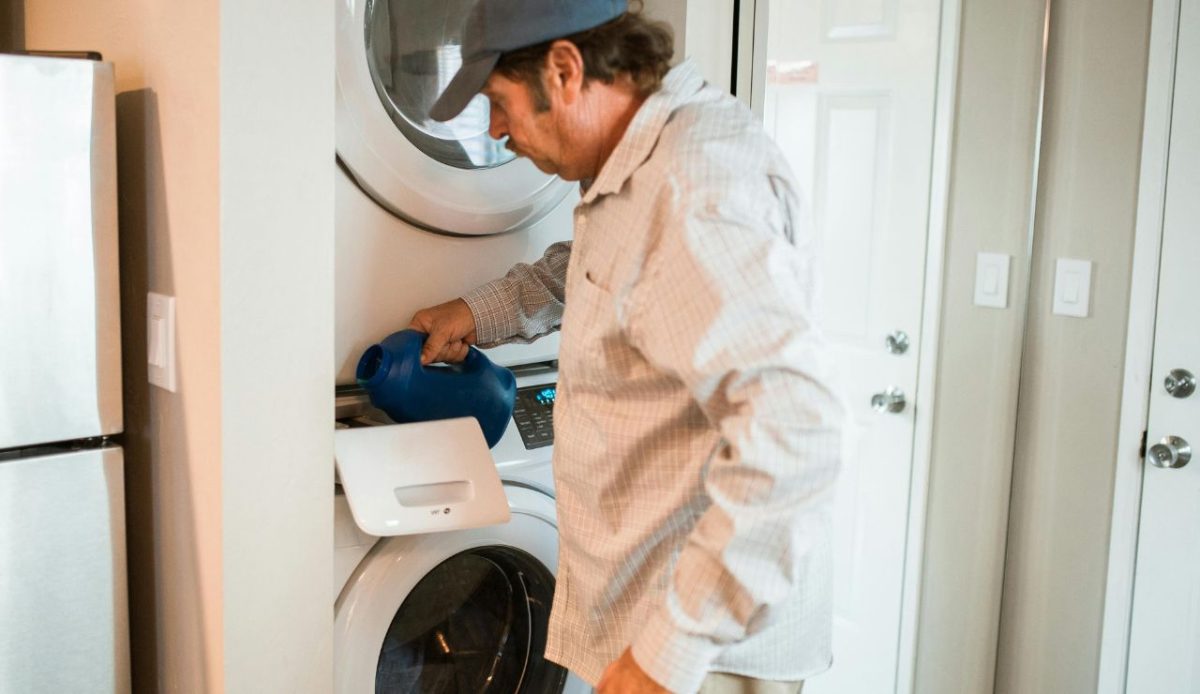
Laundry equipment is easy to ignore because it feels routine, but lint buildup remains one of the most overlooked fire hazards in any room or home. If a room includes a dryer, check the lint screen, look for heavy buildup around the vent area, and notice whether the machine seems excessively hot after use. These are simple warning signs that airflow may be restricted.
Long or poorly maintained vent lines can trap lint beyond the filter, especially in properties where maintenance is irregular. That buildup increases heat and can raise the risk of ignition over time.
Even in a clean-looking space, fire risk can hide inside ordinary appliances. A quick check helps you catch a problem that is usually invisible until it becomes serious.
2. Tall Furniture That Could Tip
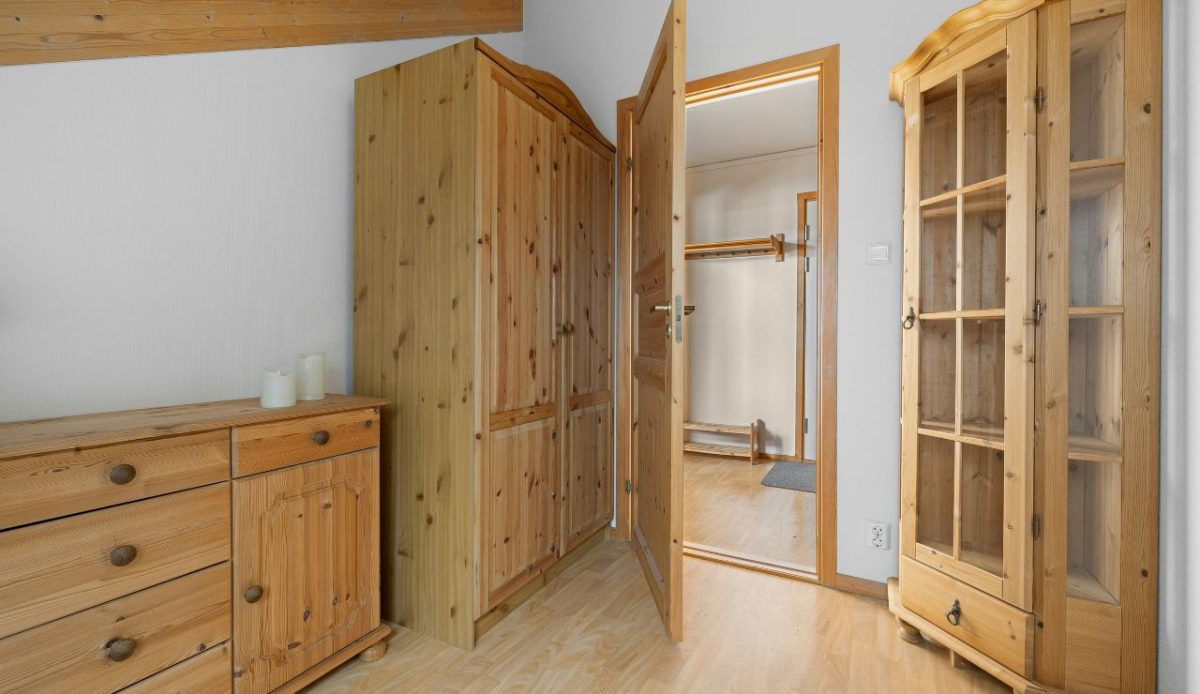
A room may feel stable and well arranged, but wardrobes, shelving units, and televisions can still become hazards if they are not secured properly. This matters even more in family spaces, rental homes, and rooms where furniture looks heavy but rests unevenly on soft flooring or loose legs. A quick visual check can show whether large pieces wobble or lean.
Not every hazard comes from break-ins or faulty locks. Sometimes the risk is physical instability, especially if drawers pull out unevenly or a child might climb on the unit without warning.
Furniture should look and feel anchored, not merely placed against a wall. Spotting that difference early helps prevent an avoidable accident in an otherwise ordinary room.
3. Power Outlets and Overloaded Plugs
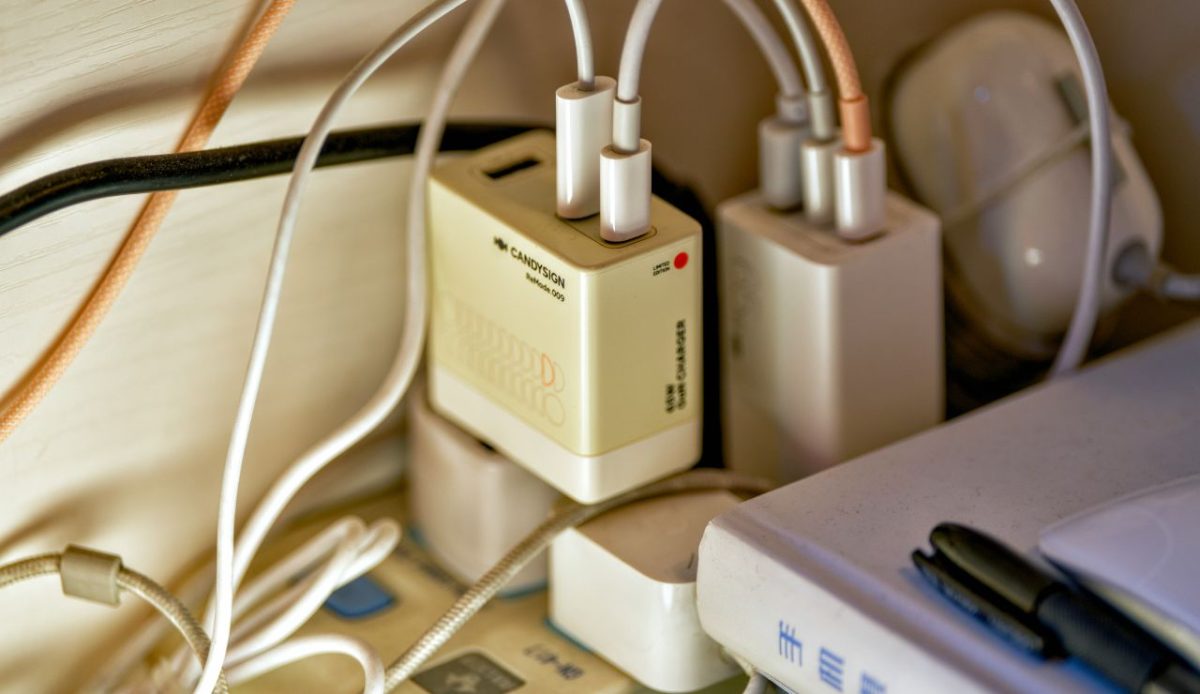
A room with enough charging points can still carry electrical risk if the outlets are damaged, outdated, or overloaded with adapters. Look for loose sockets, scorch marks, buzzing sounds, or too many devices forced into one area through stacked plugs and extension cords. Those details can point to unsafe wiring or too much strain on a single outlet.
Mixed outlet types in older buildings can also suggest parts of the electrical system were updated unevenly. That does not always mean danger, but it does justify more caution when using high-draw devices.
Electricity problems usually do not announce themselves clearly. They appear as small warning signs first, which makes a short outlet check one of the easiest room-safety habits to adopt.
4. Bathroom Surfaces That Turn Slippery

Bathrooms often look spotless and well-maintained, yet they remain one of the most common places for slips and minor injuries. Smooth tile, wet floors, and poorly drained shower areas can become risky quickly, especially at night or after a rushed shower. Check whether the floor grips properly, whether bath mats stay in place, and whether water pools outside the tub or shower.
This is not just about comfort. A small leak around the toilet or sink can leave an invisible slick patch that makes movement less predictable when the room is dim or hurried.
The safest bathroom is one that stays dry, stable, and easy to move through. That is worth confirming before you settle into your routine.
5. Window Coverings and Night Privacy
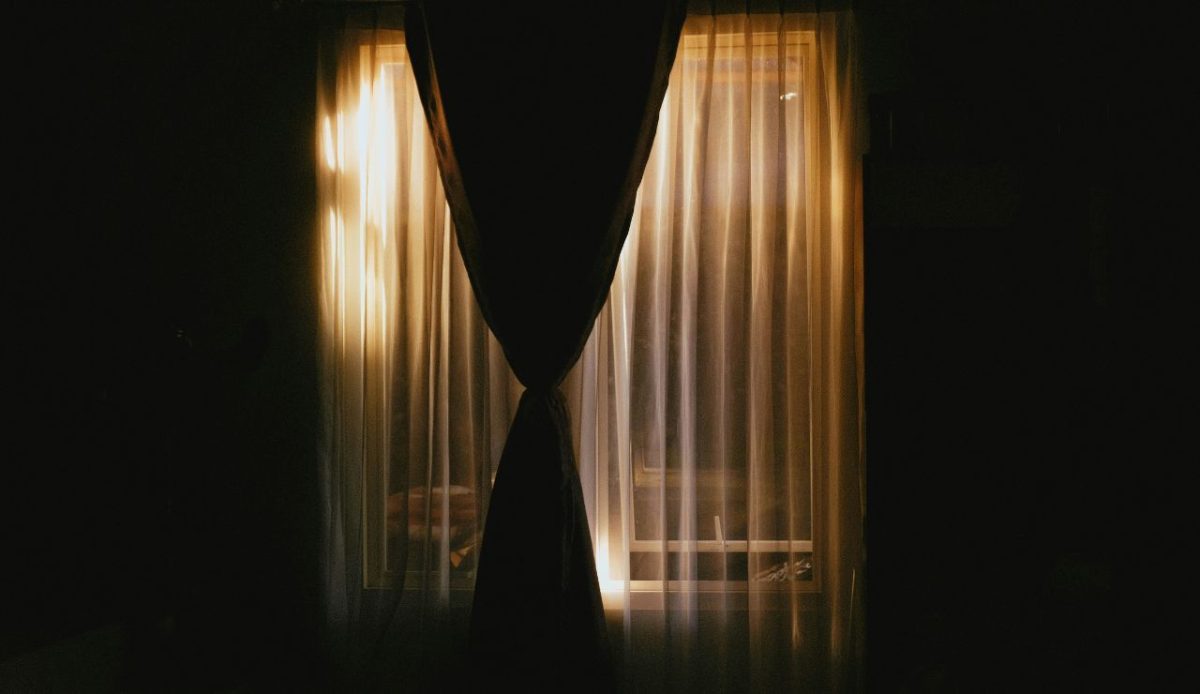
Privacy changes after dark, and many people do not realize how exposed a room becomes when interior lights are on. If you can see clearly out through a curtain or blind at night, someone outside may also be able to see in. That matters in hotels, rentals, ground-floor rooms, and any space facing a walkway, parking area, or neighboring building.
Check whether curtains close fully, whether blinds leave side gaps, and whether the fabric is thick enough to block direct visibility. Thin coverings may still create silhouettes even when the room feels private from inside.
A room does not need a broken lock to lose its sense of safety. Weak nighttime privacy can be just as unsettling once you notice how visible daily routines really are.
6. Bed Bugs and Mattress Edges
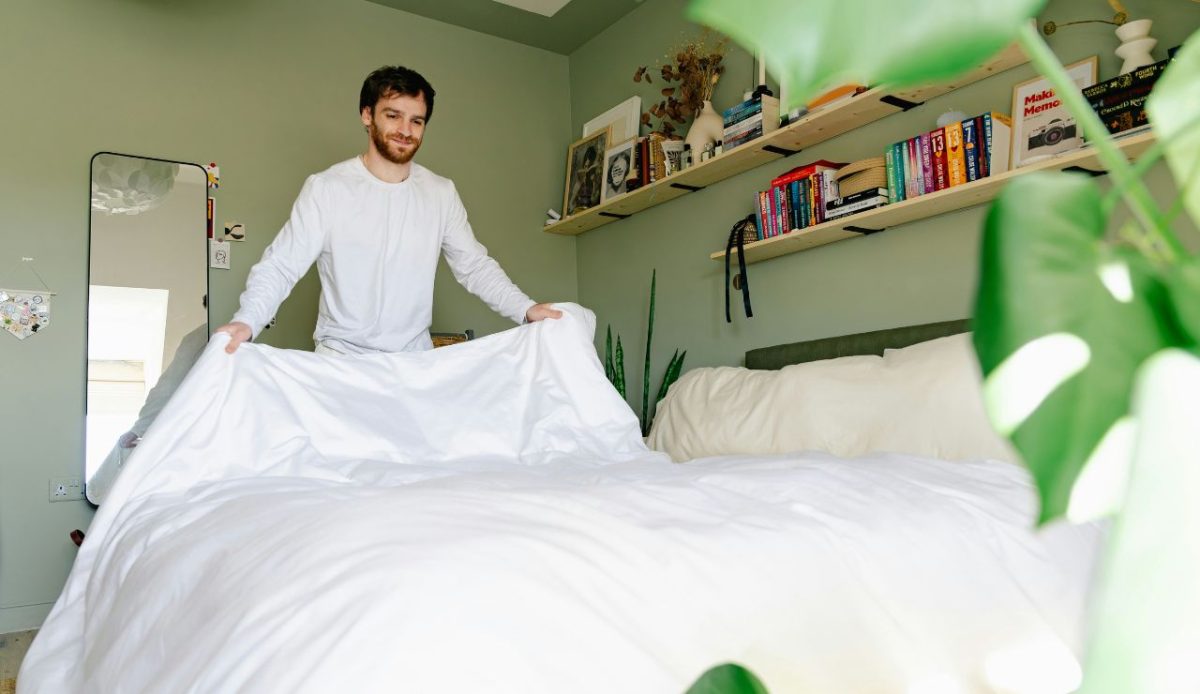
A neatly made bed can still hide one of the most unpleasant room problems travelers encounter. Bed bugs do not reflect luxury or budget alone, and they can appear even in places that look clean on arrival. Before unpacking, inspect mattress seams, headboards, and upholstered edges for dark spotting, tiny shells, or other visible signs of activity.
This check matters because the earlier a problem is found, the easier it is to change rooms or leave belongings protected. Once clothing and bags are spread around, the situation becomes harder to manage.
You do not need a full inspection routine, just a careful glance at the right places. It is a practical step that can prevent a far larger disruption later.
7. Bedding Materials and Chemical Labels

Comfort is not the only thing worth checking in bedding. Older foam products, budget pillows, or poorly labeled mattress toppers may contain chemical treatments that some travelers prefer to avoid, especially if they are sensitive to odors or spend long hours in the room. Labels, strong synthetic smells, or worn foam can offer useful clues about what you are sleeping on.
This issue is less visible than dirt or stains, which is why many people never think about it. Yet air quality and skin contact matter in a room where rest is the main purpose.
You may not always get full product information in a hotel or rental, but noticing labels, condition, and odor can help you judge whether the sleep setup feels genuinely comfortable and safe.
8. The Gap Under the Door
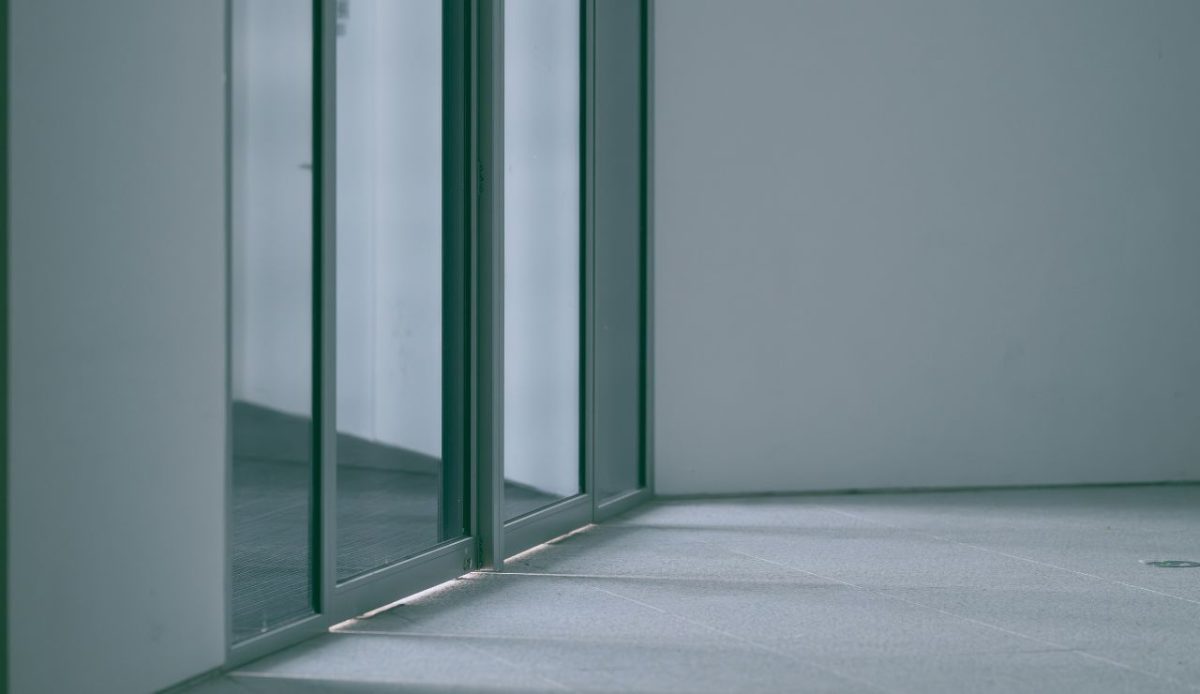
A locked door can still leave one weak point that people rarely think about: the gap at the bottom. In hotels and rentals, a wide under-door space can allow hallway light, noise, smoke, and in some cases, unwanted visibility or tampering. It is worth checking whether the gap feels unusually large or whether the door closes tightly against the floor.
This is also where portable wedges or simple door alarms can add reassurance for travelers who want another layer of security at night. The goal is not to assume danger, but to reduce obvious vulnerabilities when you notice them.
A door does not need to swing open to feel insecure. Small structural details like the lower gap can affect privacy, rest, and peace of mind more than expected.
9. Lighting and Clutter in Walking Areas
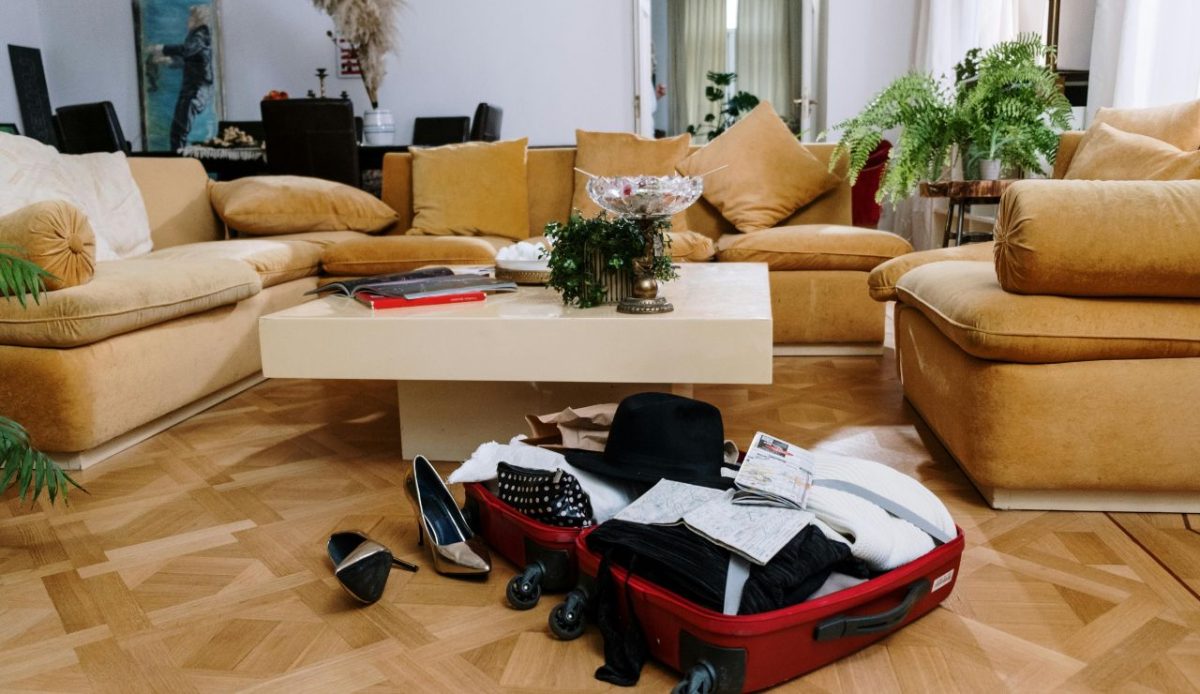
A room can be technically secure and still feel unsafe if movement through it is awkward or poorly lit. Weak bedside lighting, bags left in walkways, and cluttered floor space increase the chance of stumbles, especially during the night when people are disoriented or rushing. This matters more in unfamiliar rooms where you have not yet adjusted to the layout.
Good lighting is also part of how a room feels mentally. Dark corners, sharp shadows, and blocked walking paths can create low-level stress even when nothing is actually wrong.
A quick reset makes a difference. Clear the path to the bathroom and door, test the lights you may need after dark, and make sure the room works safely when you are tired, not just when you first arrive.
