
Road trips look organized on paper, with routes, bookings, and planned attractions mapped out in advance. In practice, the most memorable parts usually happen between those fixed points. They appear in the pauses, detours, and unexpected shifts that turn a simple drive into a fuller travel experience.
That is part of the appeal of covering long distances by car. Travelers are not only moving toward a destination but passing through small, changing situations that no itinerary can fully predict.
These are the moments many plans leave out. They are easy to overlook before departure, yet they often become the parts people talk about long after the trip is over.
1. The Wrong Turn That Leads Somewhere Better

A road trip plan usually assumes the route itself is settled before the drive begins. Then a missed exit, a confusing junction, or a decision to follow a lesser road sends the car somewhere unexpected. What first looks like a mistake can turn into one of the day’s most rewarding parts.
That detour may reveal a quiet main street, a scenic back road, or a place that never appeared in the original research. Because it was not anticipated, it often feels more personal and memorable than a heavily promoted stop.
Moments like this remind travelers that road trips are shaped by movement, not just destinations. A wrong turn can quietly become the reason a day feels distinctive.
2. The Local Tip You Would Never Find Online

Even detailed travel research cannot replace a useful recommendation from someone who actually lives nearby. On a road trip, that advice often comes casually, from a café worker, a motel owner, or a person at a fuel station who mentions a viewpoint, swimming spot, or shortcut worth taking.
These conversations tend to be brief, but they often carry more practical value than polished online summaries. Locals usually know what is worth the time, what is overrated, and what travelers might miss if they only follow search results.
That kind of guidance changes the feel of a journey. It introduces a place through lived knowledge rather than through marketing, which often makes the stop feel more grounded and real.
3. The Roadside Meal That Resets the Whole Day
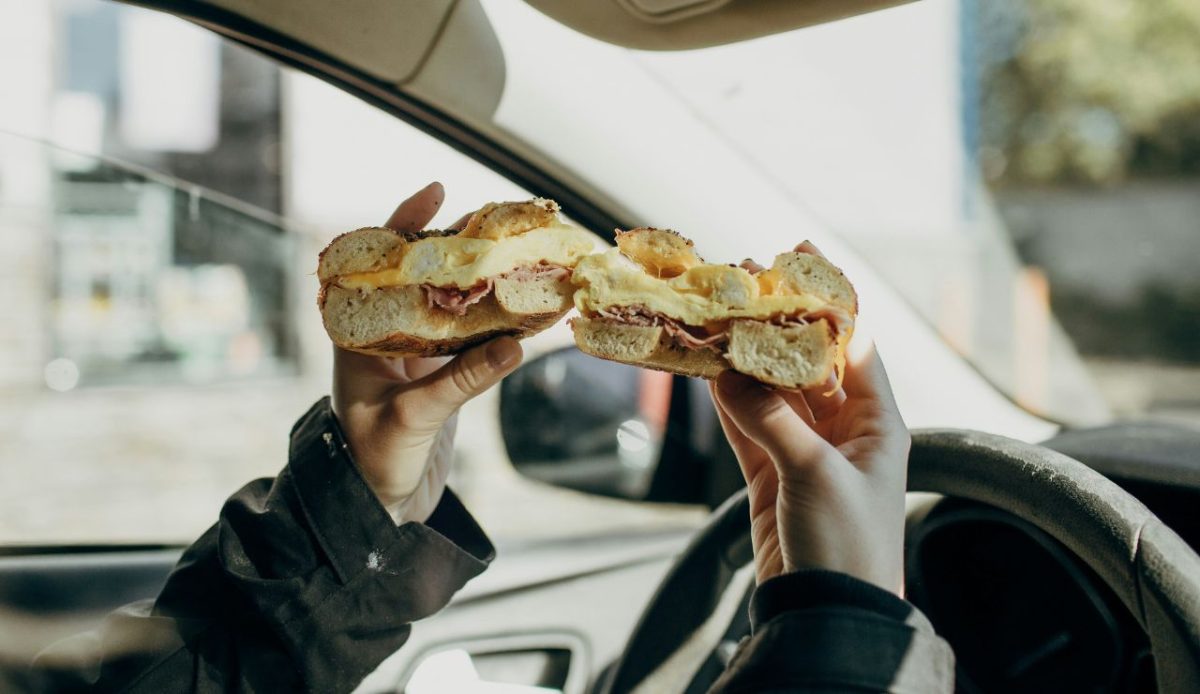
Food stops on a road trip are rarely just about eating. After hours of driving, a simple lunch at a roadside diner, bakery, or market can completely shift the mood in the car. The pause offers more than a meal. It creates a break in pace and gives the day a clearer rhythm.
Many of these meals are not carefully planned. They come from spotting a busy local place, noticing a hand-painted sign, or pulling over because everyone is too tired to keep driving without a proper stop.
That is why they stay memorable. Travelers may forget exact distances and times, but they often remember where they sat, what they ordered, and how that stop made the journey feel manageable again.
4. The Quiet Stretch When the Scenery Starts Doing the Work
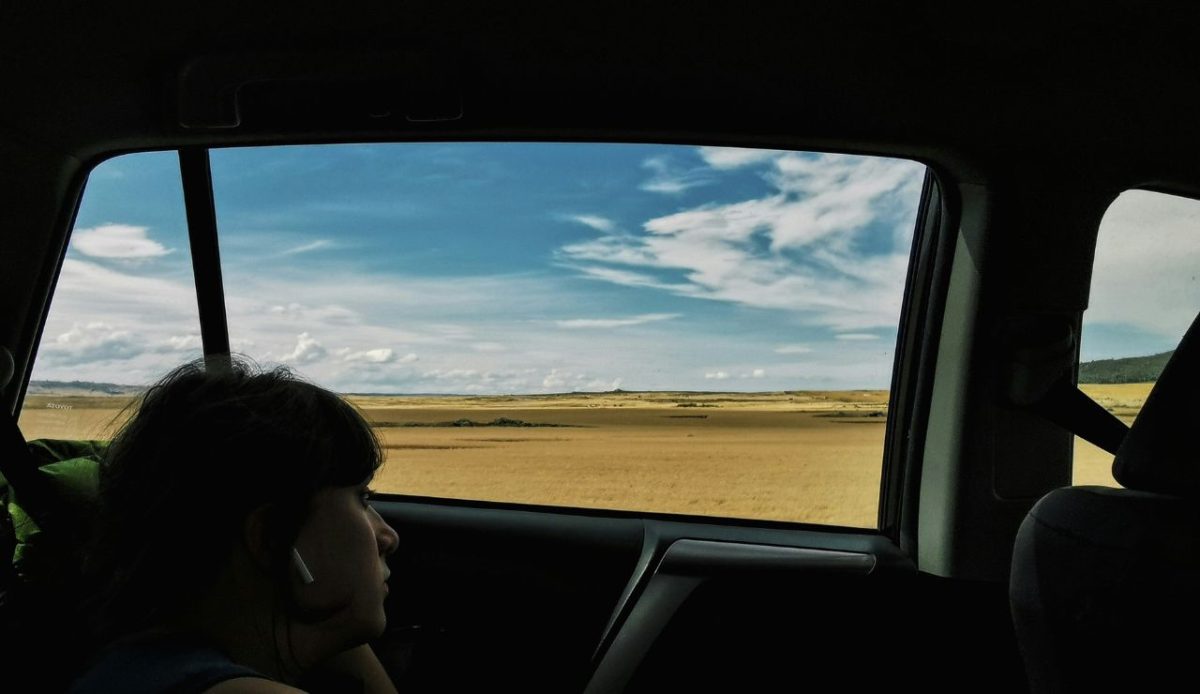
Not every important road trip moment involves a stop, a photo, or a conversation. Sometimes the strongest memory comes during a quiet hour in the car when the landscape changes slowly and nobody feels the need to interrupt it. The drive itself becomes the main experience for a while.
A flat highway may give way to hills, farmland may shift into forest, or the light may change enough to make familiar views feel entirely new. These transitions are subtle, but they are part of what makes long-distance travel by road distinctive.
This kind of silence is easy to underestimate when planning. Yet it often becomes one of the clearest memories because it lets travelers absorb distance, geography, and time in a direct way.
5. The Small Problem Everyone Has to Solve Together

Few road trips unfold without at least one practical problem. It may be unexpected rain, weak phone service, a flat tire, or a booking mix-up late in the day. These moments are rarely enjoyable while they are happening, but they often become central to how the trip is remembered afterward.
A small challenge forces people to work together in a way that regular sightseeing does not. Decisions have to be made quickly, moods need managing, and the next step usually matters more than the original plan.
That shared problem-solving gives the trip a different kind of value. It adds resilience, humor, and perspective, and it often leaves travelers with a stronger sense of the journey than a perfectly smooth day would.
6. The Unexpected Place Where You Decide to Stay Longer
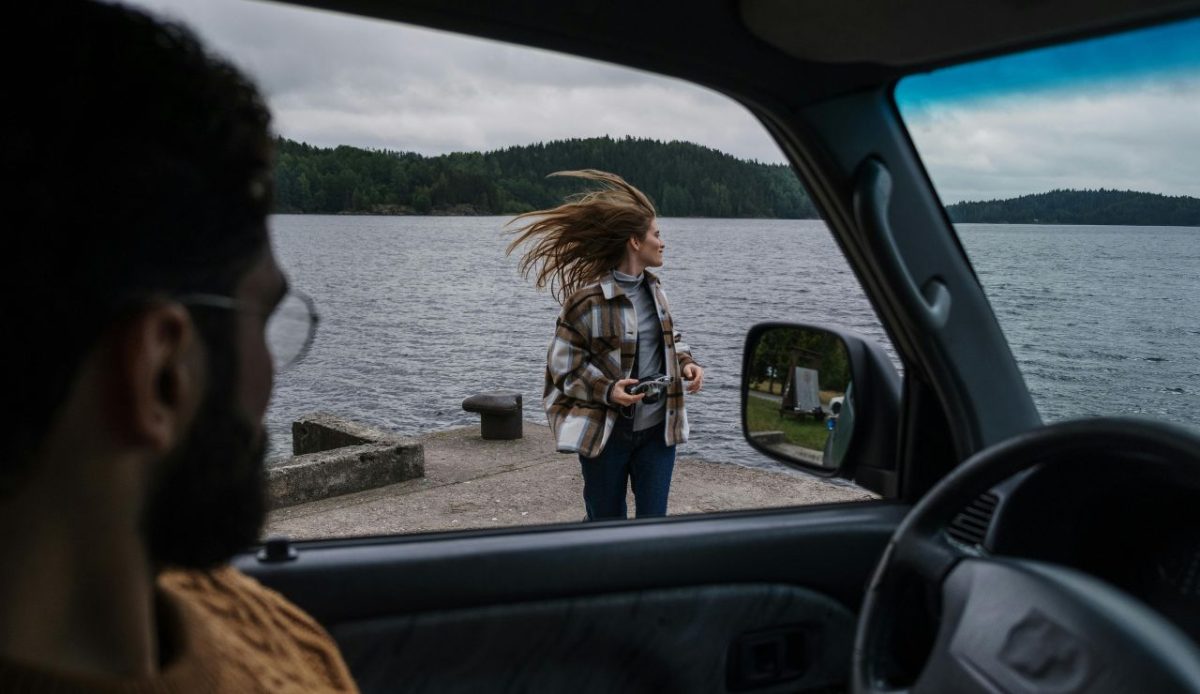
Some stops are meant to be brief. Travelers plan to stretch their legs, refuel, or take one quick look before moving on. Yet every so often, a place creates enough interest or calm that the original timetable starts to feel unnecessary. A short stop turns into an hour or an entire afternoon.
This usually happens in places that are not major headline attractions. It may be a lakeside town, a small museum, or a neighborhood with enough character to make people slow down without really discussing it.
That kind of delay is often a sign that the trip is working well. It means the road has made room for curiosity, and the experience is no longer being measured only by how efficiently the plan is followed.
7. The Moment Wildlife Forces Everyone to Pause
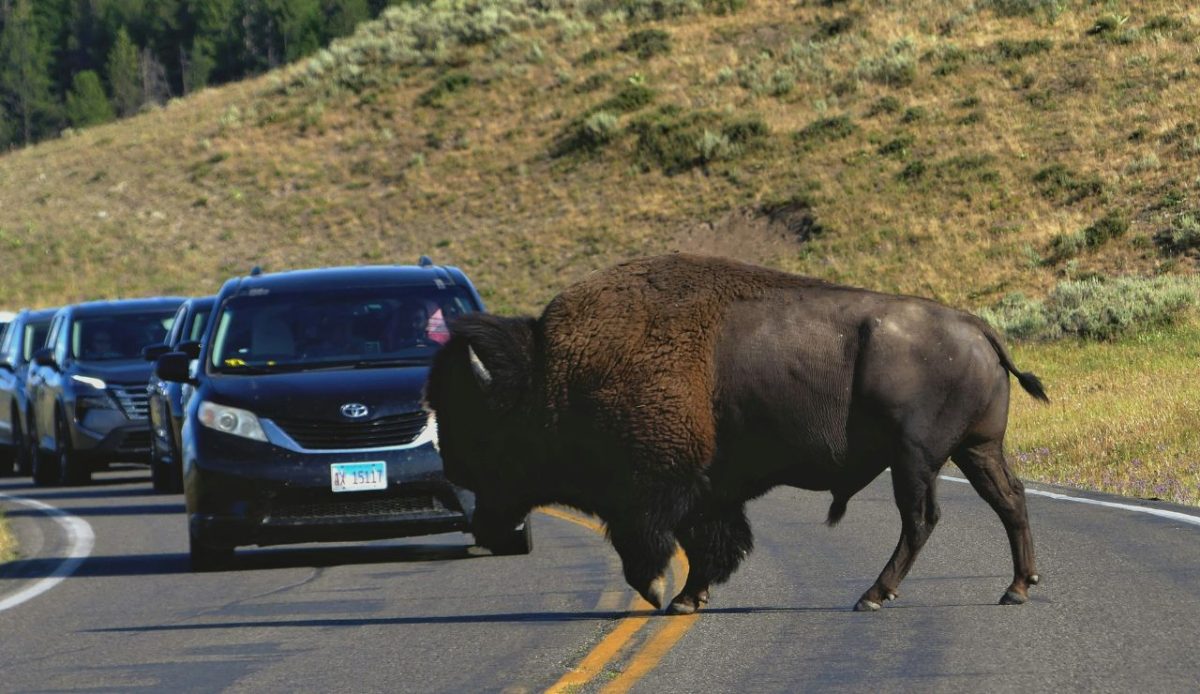
Wildlife sightings are rarely part of a reliable road trip plan because they cannot be scheduled with any certainty. Still, spotting deer near a forest edge, birds circling above a shoreline, or animals crossing an open road can instantly change the energy in the car and make everyone pay attention.
Unlike a planned attraction, this kind of moment is brief and unscripted. It creates a pause that feels tied to the place itself, not to a ticket, a timetable, or a marked stop along the route.
That is why these encounters often stay vivid in memory. They interrupt the routine of driving and remind travelers that the landscape is active, unpredictable, and not arranged purely for visitors passing through.
8. The Realization That the Best Story Was Unplanned
Most road trips begin with a clear idea of what will matter most. It might be a national park, a coastal town, or a long-awaited landmark at the end of the route. By the time the journey ends, the most repeated story is often something smaller that never appeared on the original plan.
It could be a strange roadside sign, a local recommendation, a weather delay, or a stop that lasted far longer than expected. These moments stand out because they arrived naturally and were shaped by circumstance rather than expectation.
That is one of the defining features of road travel. The route may start with a fixed structure, but the lasting value often comes from the parts nobody knew to schedule in advance.
