
A bag can look perfectly packed before a trip starts. At home, the weight feels manageable, the pockets seem organized, and every item appears useful. In that calm setting, it is easy to believe the bag will stay comfortable and practical once travel begins.
Real conditions usually prove otherwise. Movement, weather, crowded spaces, and repeated opening and closing all test whether a pack was arranged for actual use. Problems often come from poor access, extra weight, weak protection, or materials that do not handle the place well.
These nine settings show where a travel pack often stops performing the way it did indoors. The issue is rarely how it looks. It is how the bag carries, opens, protects gear, and holds up under pressure.
1. Airport Security Lines
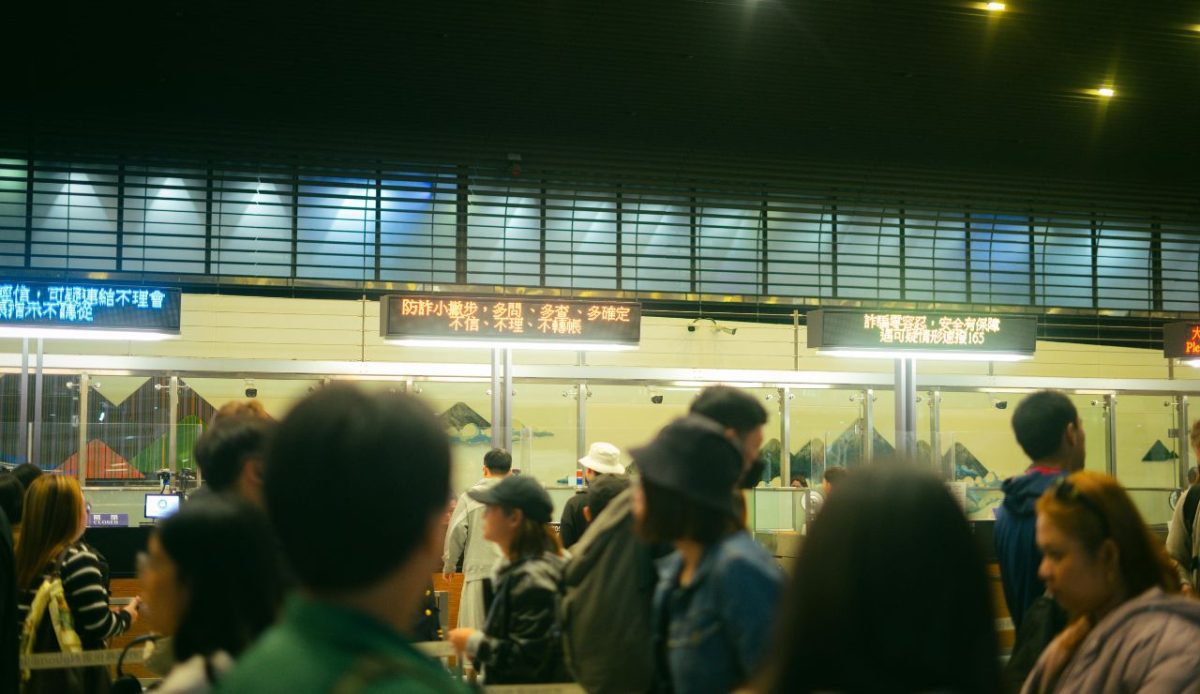
Airport security is often the first place a well-packed bag starts to fail. Items placed neatly at home can become difficult to remove when liquids, electronics, or documents are buried under clothing. A bag packed too tightly can force travelers to search through compartments while the line keeps moving.
Repeated opening and closing creates another problem. Zippers under pressure can catch, bulge, or stop moving smoothly when the bag is overfilled. Small organizers that seemed useful at home may slow everything down when fast access matters more than tidy presentation.
This setting reveals whether the bag was packed for appearance or movement. Security lines reward simple access, light layering, and items stored in the order they are needed.
2. Cobblestone Streets
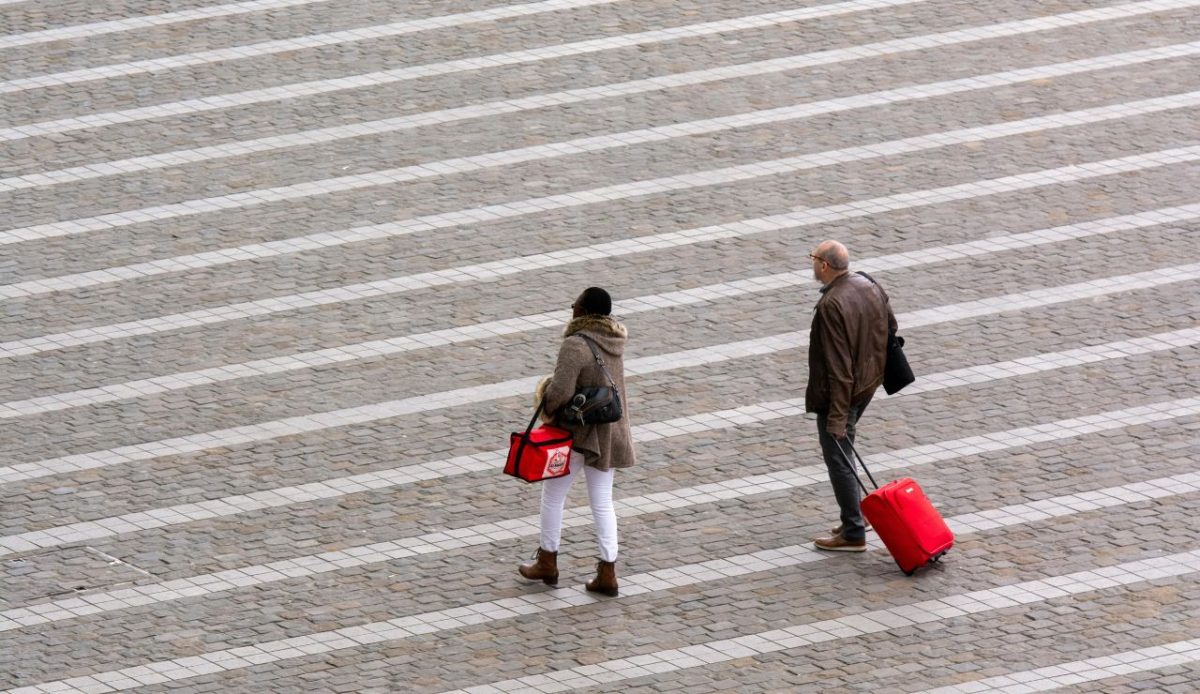
Cobblestone streets expose the structural side of a bag. Wheels that glide easily across smooth floors can shake, snag, or drag on rough stone, while handles and seams take more strain from constant vibration. What felt sturdy at home may begin to feel unstable once the ground turns uneven.
Backpacks can also fail here in a different way. If the weight is not balanced properly, the load pulls unevenly and becomes tiring faster on narrow or sloped streets. Loose outer items may swing, bump against the body, or catch on corners and railings.
This is where a bag’s true carry system matters. Rough surfaces quickly highlight weak balance, poor wheel performance, and overloaded straps that seemed fine indoors.
3. Humid Tropical Cities
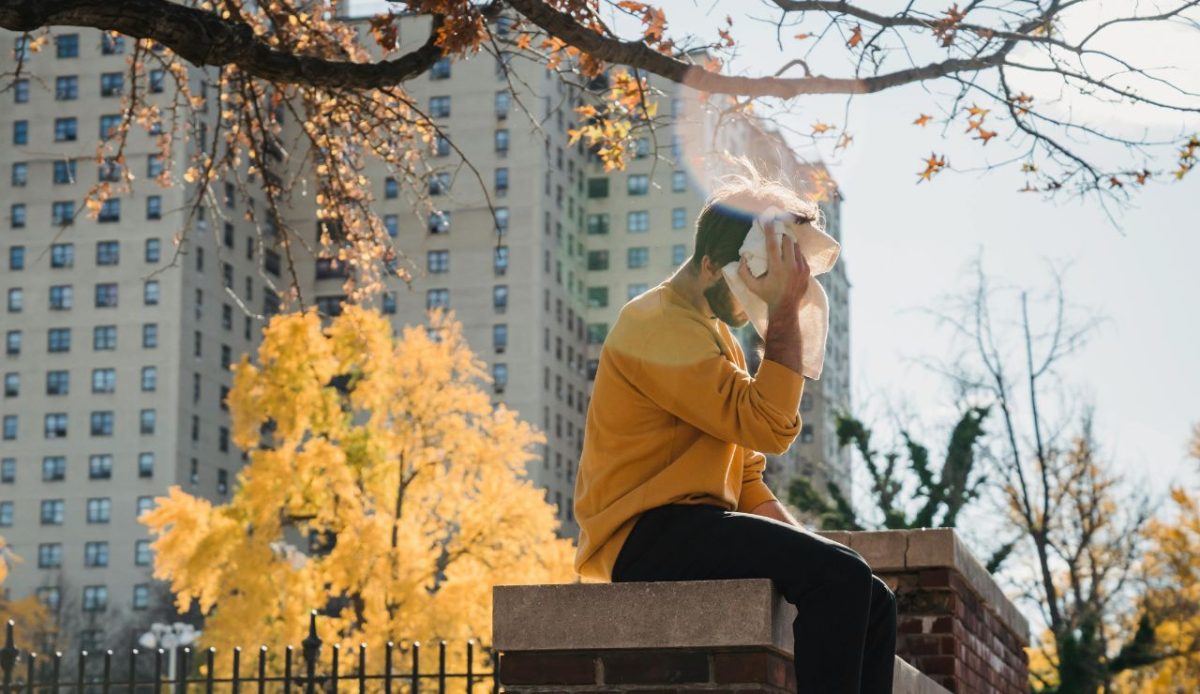
Humid cities test both the contents of a bag and the bag itself. Clothes that felt light at home may cling to the body, absorb sweat, and dry too slowly between outings. If too many thick fabrics were packed, the traveler may quickly run out of comfortable options.
Moisture also affects organization. Compartments that trap damp clothing can create odor and make clean items harder to separate. Shoes packed without thought for airflow may stay wet longer, while toiletries and electronics need better protection than expected in sticky weather.
This climate punishes packing based only on appearance. Materials, drying time, and daily reusability matter more than neat folding once heat and humidity take over.
4. Overnight Train Cabins
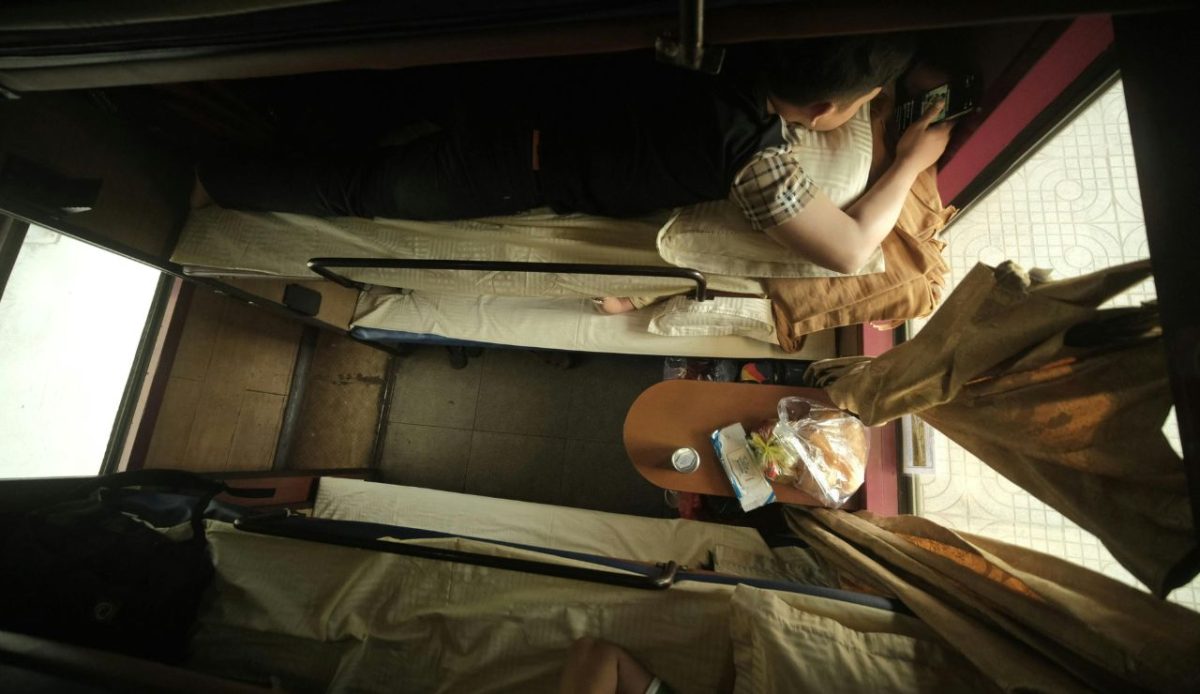
Overnight train cabins expose packing plans that rely on space the traveler no longer has. A bag that looked neat on a bed becomes difficult to manage when the cabin is narrow, the lighting is low, and only a few specific items are needed before sleep.
The main weakness is access. Sleepwear, chargers, medication, and toiletries may all be packed correctly by category but stored in the wrong order. Pulling out one thing can disturb the whole bag, turning a compact setup into clutter in a shared space.
This environment rewards sequence, not just organization. The best-packed bag for a night train is one that opens quietly, reveals essentials fast, and does not require a full unpacking session.
5. Rainy Coastal Towns
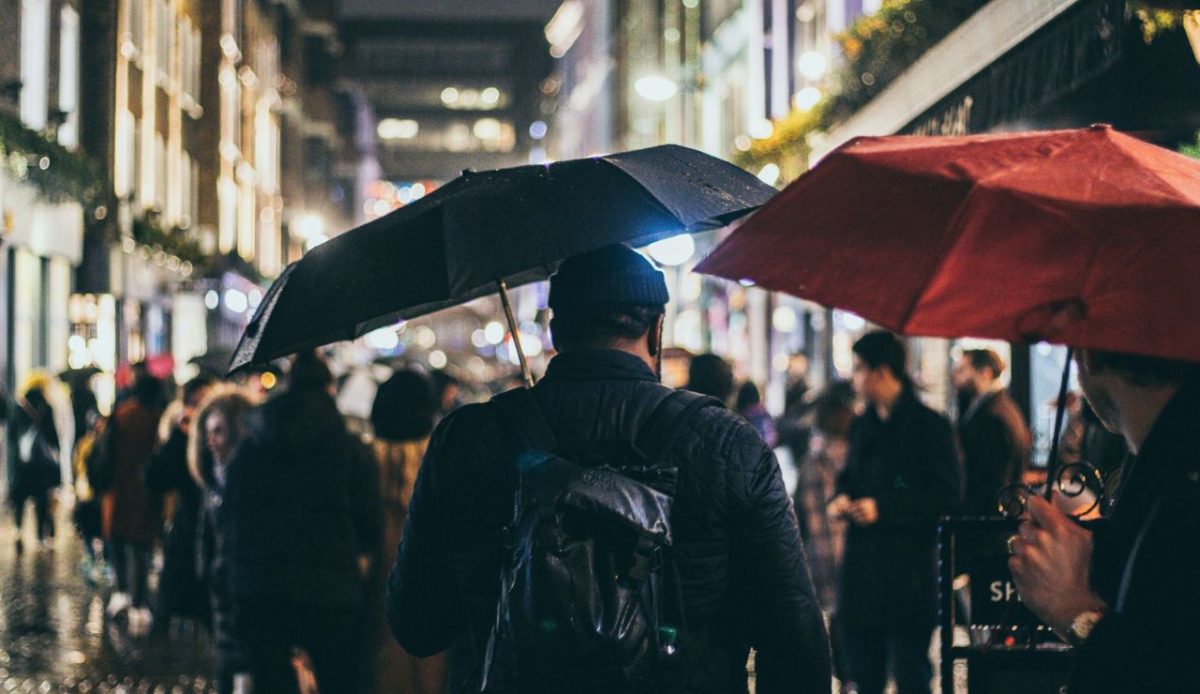
Rainy coastal towns reveal how quickly protection failures spread. A jacket that seemed weather-ready at home may soak through in repeated showers, while shoes that looked versatile can become slippery, heavy, and slow to dry. One wrong material choice can affect the entire day.
The bag itself also comes under pressure. Damp air, sea spray, and wet surfaces test zippers, fabric, and outer pockets. Items packed near the top may absorb moisture first, while electronics, spare clothing, and paper documents become vulnerable without solid protection.
This setting shows that water resistance is not a small detail. Packing works differently when the environment stays wet for hours and drying time becomes part of every decision.
6. High-Altitude Mountain Towns
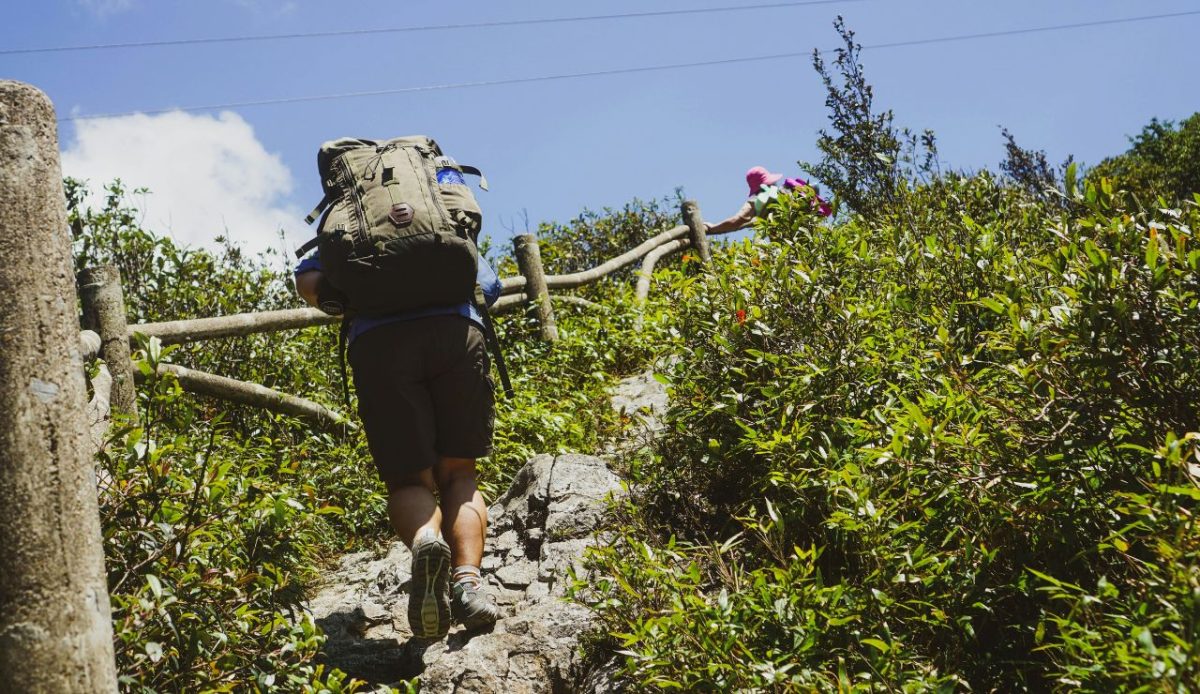
Mountain towns expose weak layering systems and poor weight decisions. At home, it may seem smart to pack for cold weather with bulky items, but altitude often brings warm sun during the day and much lower temperatures after dark. If layers do not work together, comfort disappears quickly.
The carry load matters more here as well. Extra items become more noticeable on uphill walks, and essentials such as water, sunscreen, and outerwear need to stay close at hand. A deeply packed bag forces repeated stops when the weather keeps changing.
This is where balance matters more than quantity. A pack may look complete because it includes many options, but mountain conditions reward adaptable layers and easy access.
7. Theme Parks and Long Queue Days
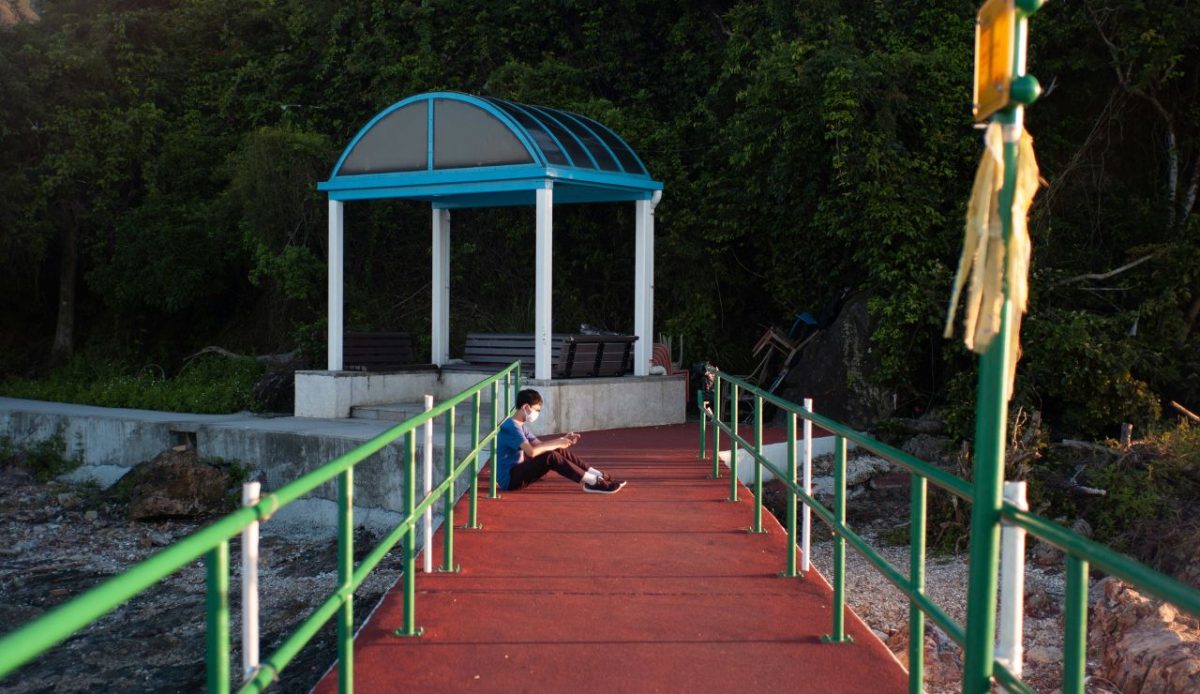
Theme parks show how a day bag can fail through repetition. A backpack that feels acceptable for a few minutes at home may become tiring after hours of walking, standing, and waiting in lines. Straps begin to rub, weight feels heavier, and a poor pocket layout becomes much more noticeable.
The issue is often overpacking. Extra layers, chargers, snacks, and backup items may sound sensible at first, but they add bulk without improving the day. Essentials such as tickets, sunscreen, or water then become harder to reach when they are actually needed.
This setting exposes friction rather than one dramatic flaw. When every small action takes longer, the pack stops helping and starts interrupting the trip.
8. Remote Desert Stops
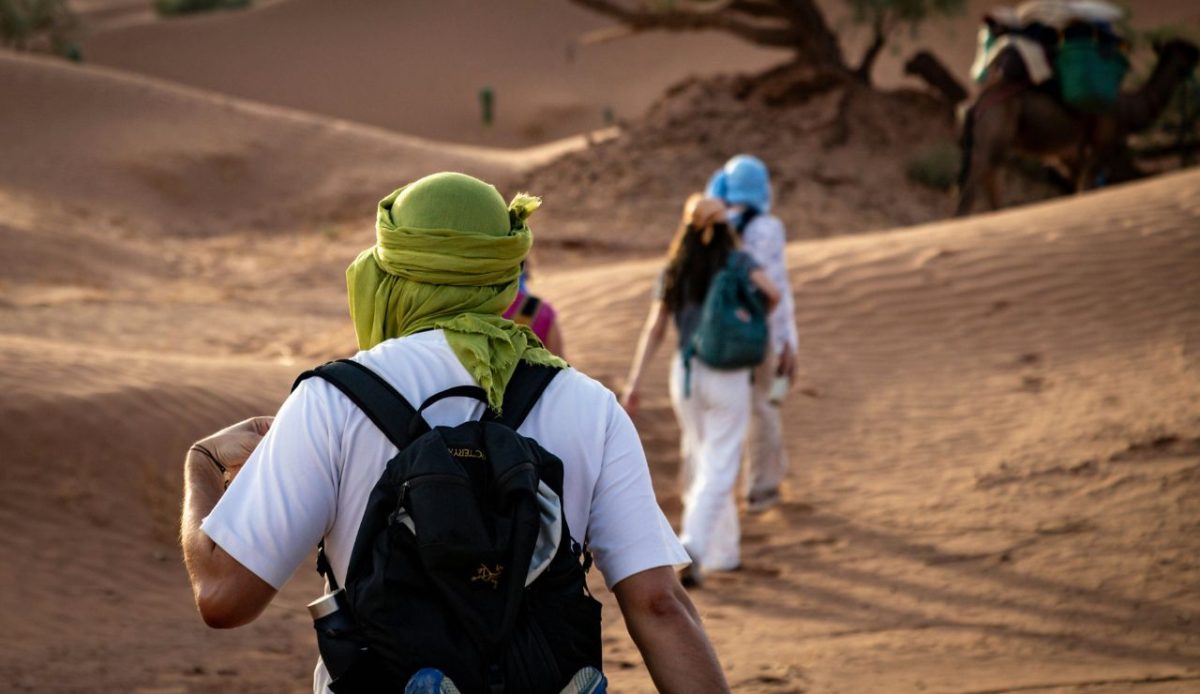
Remote desert stops reveal whether a pack was built for exposure. A bag that looks efficient at home may not support heat, dryness, dust, and sudden temperature changes. Dark clothing, low water capacity, and buried sun protection can become problems almost immediately.
Dust also stresses the bag itself. Zippers may collect grit, outer fabrics can heat up quickly, and smaller loose items become harder to manage in windy conditions. If essentials are packed too deeply, even a short stop can feel disorganized and rushed.
This environment leaves little room for correction. There may be no nearby shop, no easy shade, and no simple chance to repack once the conditions start exposing weak choices.
9. Ferry Terminals and Island Transfers
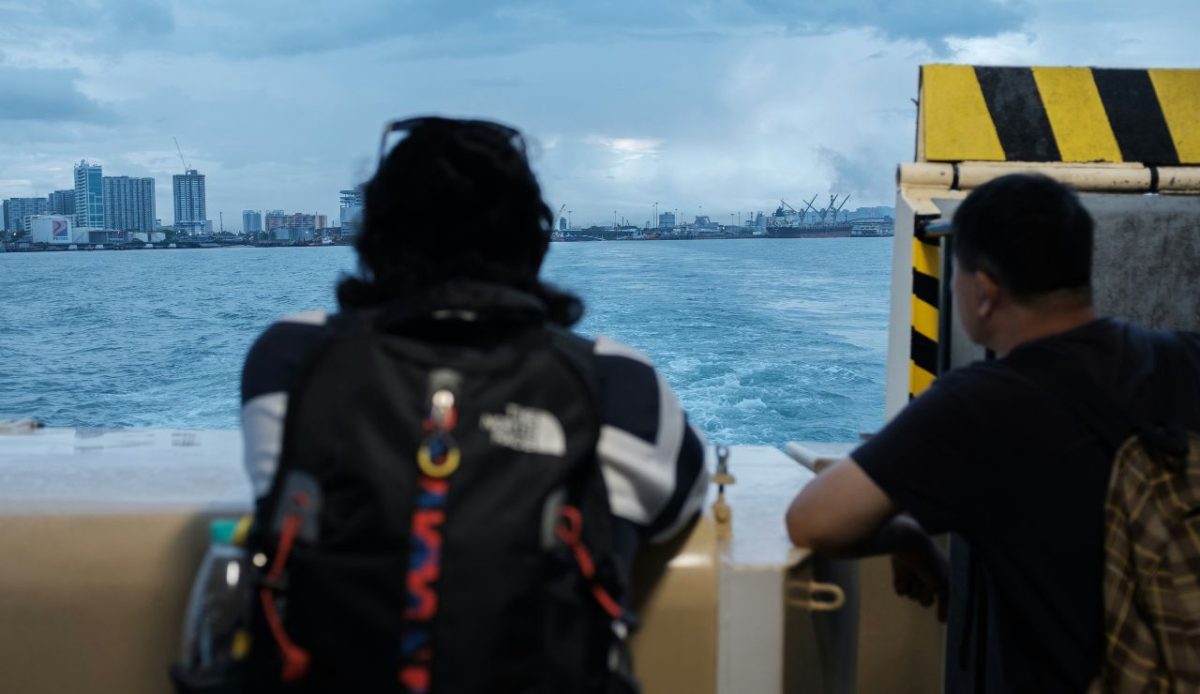
Ferry terminals test flexibility more than appearance. A bag packed neatly at home can become awkward when the traveler needs free hands, quick document access, and protection from wind or spray while moving across ramps or between different forms of transport.
Motion adds another layer of stress. Loose attachments can swing, hard-shell cases may feel clumsy in crowded boarding areas, and items packed near the top may shift when the bag tilts. What felt stable in a room can feel unbalanced once constant movement begins.
This kind of transfer rewards compact control, not just neat packing. A good travel bag must stay manageable when timing changes, surfaces move, and access needs shift quickly.
