
Americans often think they disappear into the crowd once they stop checking maps and lower their voices. In reality, smaller habits reveal more than expected. Locals notice patterns in clothing, dining, and conversation before anyone asks where a visitor is from.
These signs are not always bad manners. Most come from ordinary US routines shaped by convenience, service culture, and social habits. What feels normal at home can look distinctive elsewhere, especially where public behavior is quieter or more formal.
Not every traveler fits the pattern, and some habits are shared by tourists from other countries. Still, a few recurring behaviors regularly make Americans easy to spot in streets, cafés, museums, and airports.
1. Loud Conversations Carry Further Than Expected

Americans are often noticed first by sound rather than appearance. In many places, public conversation stays restrained, especially on trains, in cafés, or while waiting in line. A voice that feels normal in the United States can seem loud abroad, even when the speaker is not trying to attract attention.
This difference usually reflects habit, not intent. American conversation often rewards energy, quick responses, and expressive storytelling. In quieter settings, that style carries farther and becomes more noticeable than the traveler realizes.
Because of that contrast, locals may identify an American tourist before hearing a full sentence. The volume, pace, and confidence of the exchange can already signal where that person is likely from.
2. The Casual Lean Stands Out in Public Spaces
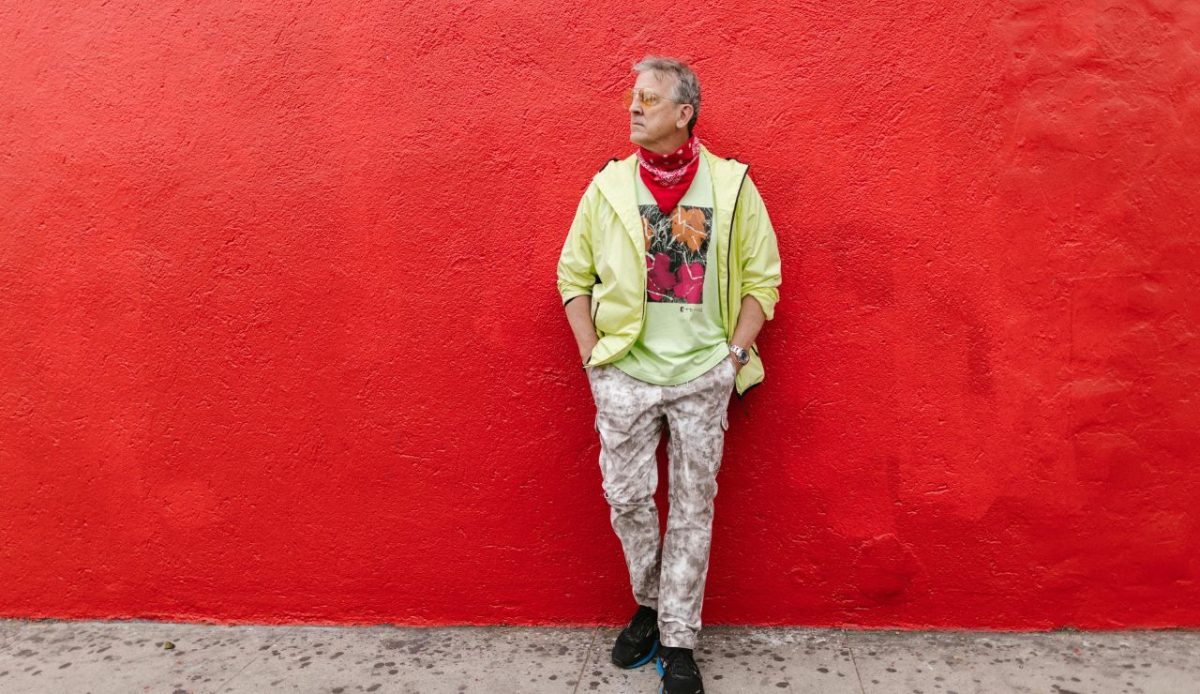
Body language can be just as revealing as speech. One habit often linked to Americans is a tendency to lean on walls, counters, railings, or door frames while waiting. It projects comfort and informality, but in some countries, it looks unusually relaxed in public.
The posture is subtle, which is exactly why it stands out. Someone may not notice they are draping themselves across a surface, shifting their weight, or taking up more space than people around them. Locals, however, may read it as a familiar American style of standing.
This easy physical manner is not universal, but it appears often enough to be noticed. In crowded transport hubs or hotel lobbies, that relaxed leaning posture can give someone away before they even speak.
3. Spotless White Sneakers Draw Immediate Attention
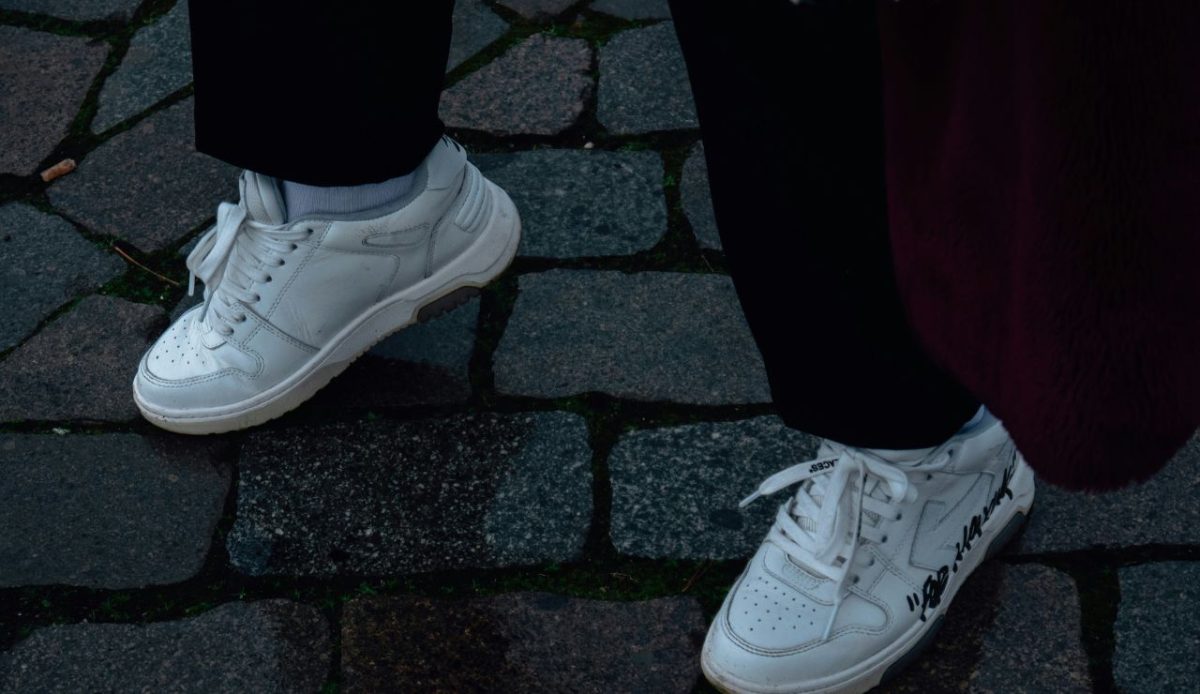
Footwear often gives travelers away, and Americans are frequently identified by bright, clean sneakers chosen for comfort above all else. In many destinations, locals wear practical shoes too, but they may be less sporty, less bulky, or styled more deliberately with the rest of an outfit.
The giveaway is usually the full look rather than the shoes alone. White trainers paired with hoodies, shorts, or athleisure can appear more casual than what local residents wear for a day in town, especially in cooler weather or dressier neighborhoods.
That approach makes sense for long days of walking. Still, comfort-first dressing reads differently across cultures, and spotless sneakers often become a quick clue that the traveler is probably American.
4. Oversized Water Bottles Become a Traveling Signature

Large reusable water bottles have become a familiar travel accessory for many Americans. They are practical, easy to refill, and part of a broader routine built around constant hydration. Abroad, though, carrying an oversized bottle everywhere can stand out more than travelers expect.
In some countries, people are more likely to buy smaller drinks as needed or carry something less noticeable. A big insulated bottle on a museum visit, at dinner, or during a short city walk can look unusually conspicuous in comparison.
The bottle itself is harmless, but it reflects a very specific comfort habit. When someone guards it like an essential companion and carries it through every setting, locals may read it as one more American travel signal.
5. Small Talk With Strangers Feels More Noticeable Abroad
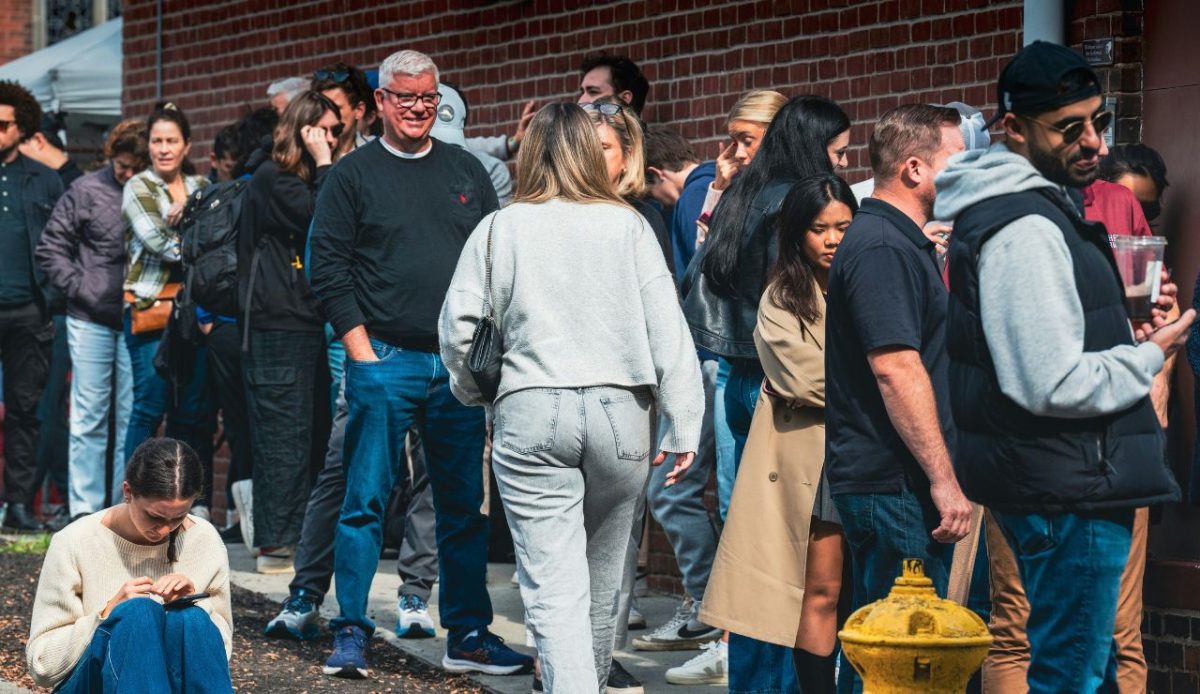
Americans often make conversation quickly and easily, even with people they have just met. They may chat with a server beyond the order, comment on the weather in a queue, or ask another traveler where they are from. In the United States, small talk is routine and usually kindly meant.
Elsewhere, public conversation can be more reserved. People may be polite without expecting a personal exchange, especially on public transport or during simple transactions. What feels friendly to an American may feel unusually familiar to someone local.
That gap in expectations makes this habit easy to spot. A few cheerful questions or a casual joke with a stranger can signal an American style of openness before nationality becomes part of the conversation.
6. Frequent Smiling Reads Differently Across Cultures

Frequent smiling is another giveaway. In the United States, smiling at strangers can mean politeness, acknowledgment, or a low-stakes sign of friendliness. In places where people use fewer facial cues with people they do not know, that same expression can appear unusually constant.
What stands out is often how automatic it seems. Americans may smile at cashiers, passersby, hotel staff, or fellow passengers without thinking much about it. The gesture is casual at home, but abroad, it may look more personal or enthusiastic than local norms require.
That does not make the habit wrong. It simply makes it noticeable. A traveler may believe they are blending in quietly, while their open expression has already marked them as culturally different.
7. Tipping Automatically Signals US Service Habits
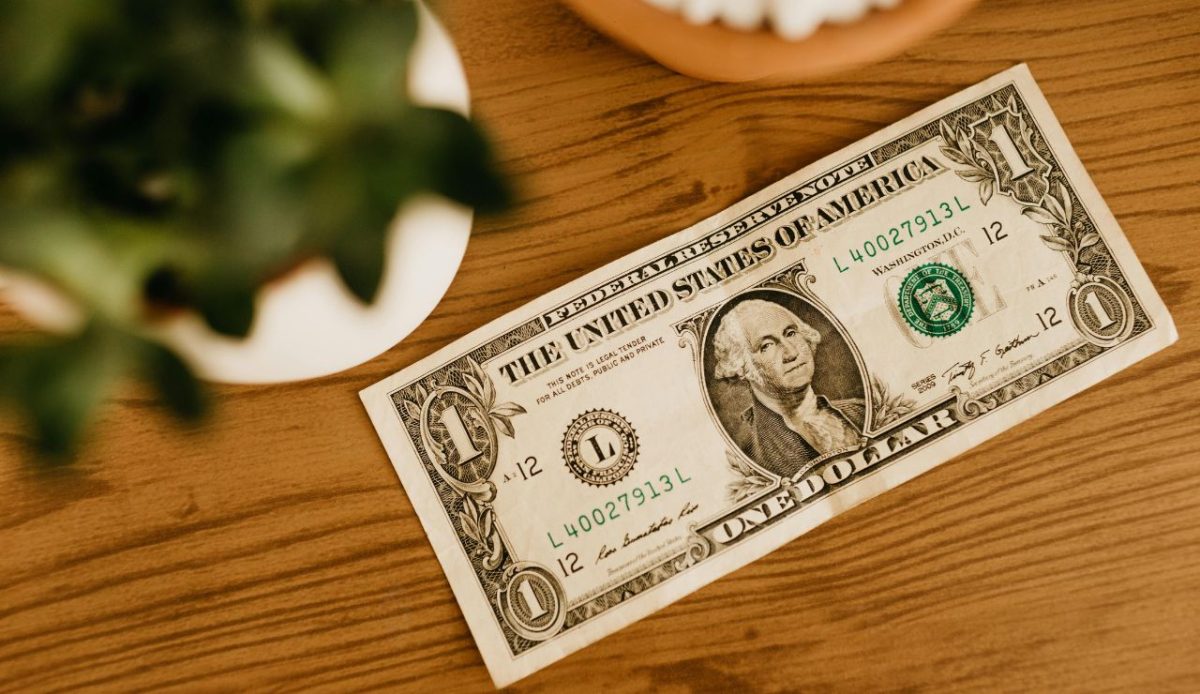
Tipping habits reveal American travelers at the end of a meal or hotel stay. In the United States, leaving 15 to 20 percent is standard in many settings, and walking away without adding something extra can feel wrong. Abroad, those rules often work differently.
Some countries include service in the bill, while others treat tipping as optional, small, or uncommon. Americans may still reach for the same familiar percentage because it feels polite and automatic, even when local practice does not call for it.
That moment can quietly expose someone’s background. Asking whether a tip has already been added or leaving a larger amount without hesitation reflects a service culture that many locals immediately associate with the United States.
8. Asking for Ice and Refills Breaks the Local Rhythm

Dining expectations can also make Americans easy to spot. Many are used to restaurants bringing plenty of ice, checking in often, and offering free refills on soft drinks or coffee. In other countries, those features may be rare, slower, or absent altogether, which creates an immediate contrast.
A traveler may ask for extra ice, expect water right away, or wonder why nobody is returning to the table every few minutes. Those requests are common in the United States, but abroad they can seem out of step with the local pace of service.
Even without saying much, someone searching for constant table attention or another refill can stand out. The habit reflects ordinary American dining culture, and locals often recognize it almost instantly.
9. College and Sports Gear Works Like a Cultural Label

Clothing with US college names or pro sports logos works like an accidental label overseas. Hoodies, caps, and T-shirts from universities or teams are everyday casual wear in the United States, but they can look more specific abroad, especially when the branding is large and recognizable.
The same applies to outfits built around casual comfort. Logo-heavy sweatshirts, baseball caps, and team gear may feel effortless to pack and wear, yet they announce an American reference point without the traveler meaning to do that.
Many locals may not know every team or campus, but they recognize the pattern. Sports branding and university merch travel well, but they also make it harder for Americans to pass unnoticed in another country.
