
Napa Valley and Sonoma still sit at the top of many luxury wine itineraries because they combine prestige, scenery, and polish in a way few regions match.
Napa is known for high-end tasting experiences, resort stays, and Michelin-recognized dining, while Sonoma adds a broader landscape of wineries, farm-driven cuisine, and a slightly more relaxed rhythm.
Together, they offer travelers the kind of wine-country trip that feels both refined and deeply rooted in place, which keeps them firmly on the luxury map. Their appeal reaches beyond wine itself, turning a tasting holiday into a full lifestyle escape.
Prestige Built on Wine Reputation
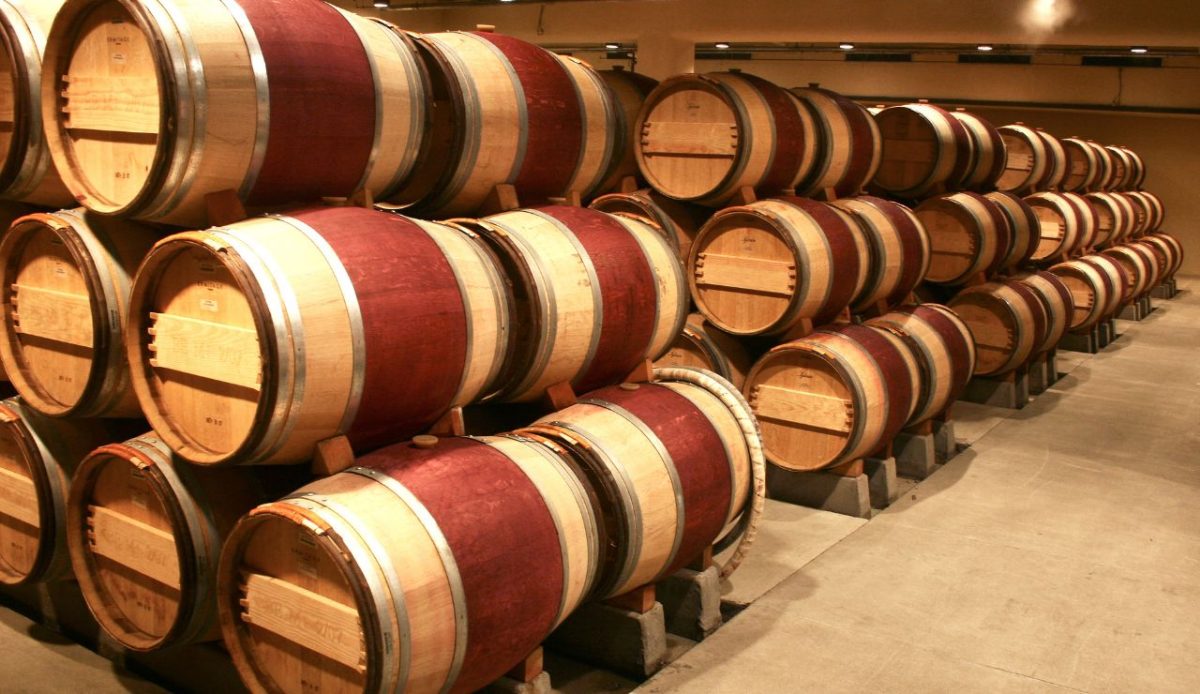
Part of the enduring appeal comes down to reputation. Napa Valley has long been associated with top-tier Cabernet Sauvignon, private tastings, and polished hospitality, while Sonoma County is celebrated for its breadth, with more than 425 wineries and a wide mix of tasting styles.
That combination gives travelers two distinct versions of luxury close together: one more concentrated and formal, the other broader and more varied.
For visitors seeking status, quality, and choice, that pairing is hard to beat. It also means first-time visitors feel confident booking here because both regions already carry global recognition.
High-End Stays and Fine Dining
Luxury in both regions goes well beyond the glass. Napa Valley promotes full-service resorts, boutique inns, spa experiences, and Michelin dining, which helps turn a tasting trip into a full upscale escape.
Sonoma answers with luxury resorts, villas, acclaimed restaurants, and a strong farm-to-table culture tied to local agriculture.
For travelers, that means the experience feels complete from morning to night. Wine may bring people in, but hospitality, food, and comfort are big reasons they keep returning. The stay feels as carefully designed as the tasting, which is exactly what luxury guests expect today.
Scenic Variety Adds to the Experience
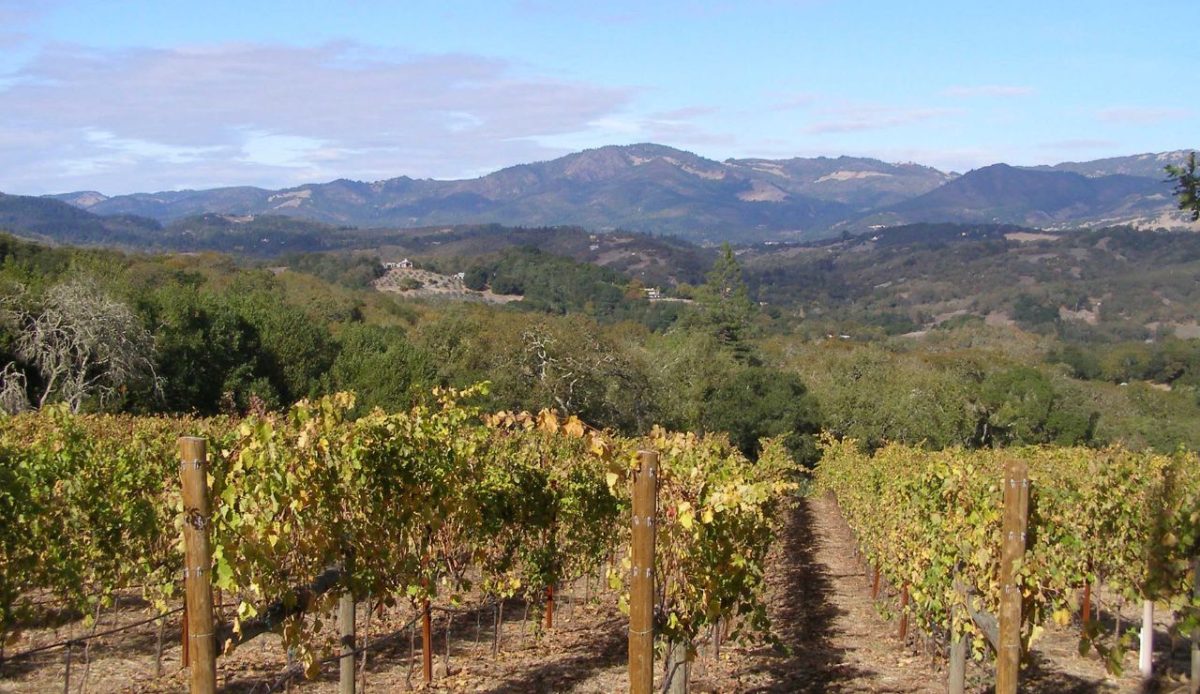
Napa Valley and Sonoma provide landscapes that elevate a wine trip into a full travel experience. Napa is known for its tidy vineyard rows, gentle hills, and refined towns such as St. Helena and Yountville, where tasting rooms, restaurants, and boutiques sit close together.
Sonoma broadens the scenery with vineyard backroads, forested hills, river valleys, and areas that reach toward the Pacific Coast. The countryside feels more open and varied.
This range of scenery matters because luxury travel is not only about wine or dining. The surrounding landscape shapes the pace of the trip and helps create a memorable sense of place.
Tasting Experiences Feel Curated
Another reason they stay relevant is how well the tasting experience is packaged. Napa emphasizes intimate tastings, private tours, cellar visits, and carefully paced itineraries, with the local tourism board even advising visitors to limit daily winery stops so each visit feels substantial.
Sonoma offers guided tastings, food pairings, and activity-based experiences that can include biking, trolley tours, or vineyard exploration.
The result is a more curated kind of wine tourism that feels designed, not improvised. That extra structure is a major part of the luxury appeal for visitors who value ease and personalization.
They Keep Evolving Without Losing Identity
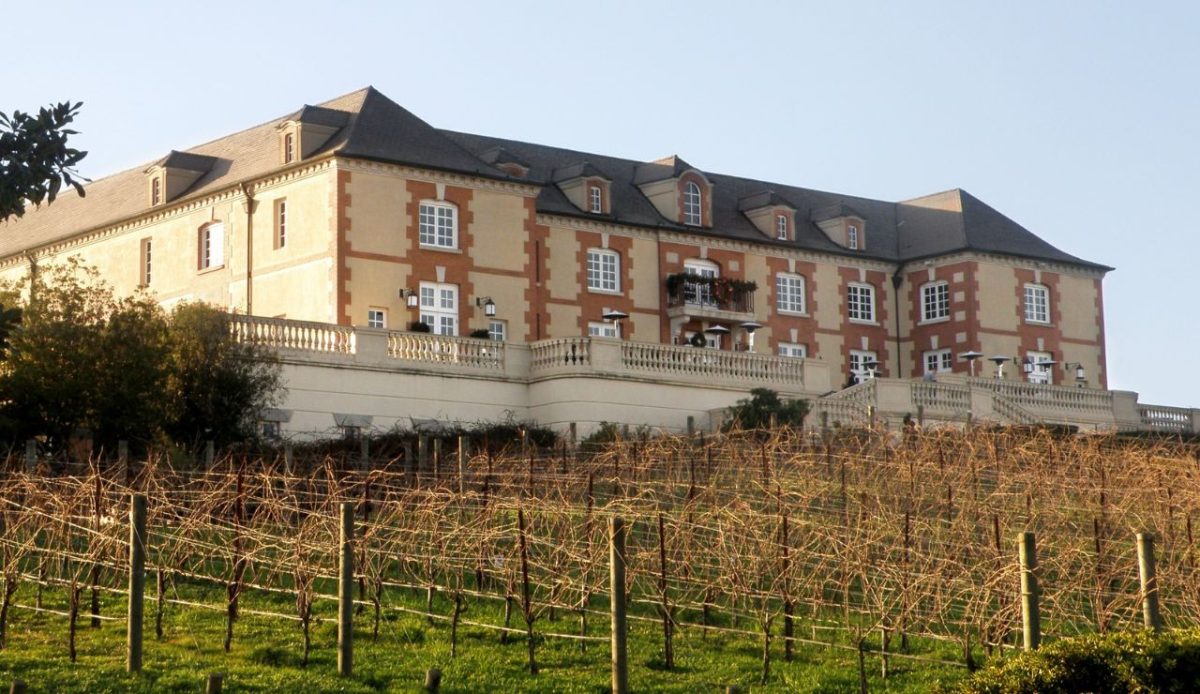
The final piece is adaptability. Napa continues to market new dining, wellness, and tasting experiences alongside its established image, showing that the region knows luxury travelers expect fresh reasons to return.
Sonoma, meanwhile, keeps leaning into sustainability, inclusivity, and destination stewardship while preserving its wine-country character.
Neither place relies only on old fame. They stay relevant by updating the experience without abandoning the vineyard landscapes, hospitality standards, and regional identity that made them iconic. That balance keeps both destinations competitive year after year.
