
Trip planning in the United States is being changed by heat spikes, smoky skies, and flood-prone weekends. Instead of picking dates first and checking forecasts later, many travelers start with risk maps and seasonal outlooks. NOAA’s 2025 national climate assessment reported a U.S. Climate Extremes Index 58 percent above average, with warm extremes and very dry conditions ranking among the top ten on record. That volatility makes timing a key variable, especially for trips built around outdoor days, open roads, and limited shade. Forecast tools now sit beside booking tabs on many phones. Many compare the same place across weeks.
The money signal is hard to ignore. NOAA’s billion-dollar disasters tracking counted 27 U.S. events in 2024 that each exceeded one billion dollars in losses, a level that often brings airport delays, road closures, and canceled tours. Even when a trip is not in the impact zone, ripple effects can change routes, rental car supply, and lodging availability. To reduce surprise costs, travelers are shifting to shoulder seasons, building indoor backup plans, and choosing reservations that can be adjusted without heavy fees, since weather can change fast. Flexible fares and refundable rooms are being treated as part of the safety plan.
Heat Waves Turn Dates Into A Safety Decision
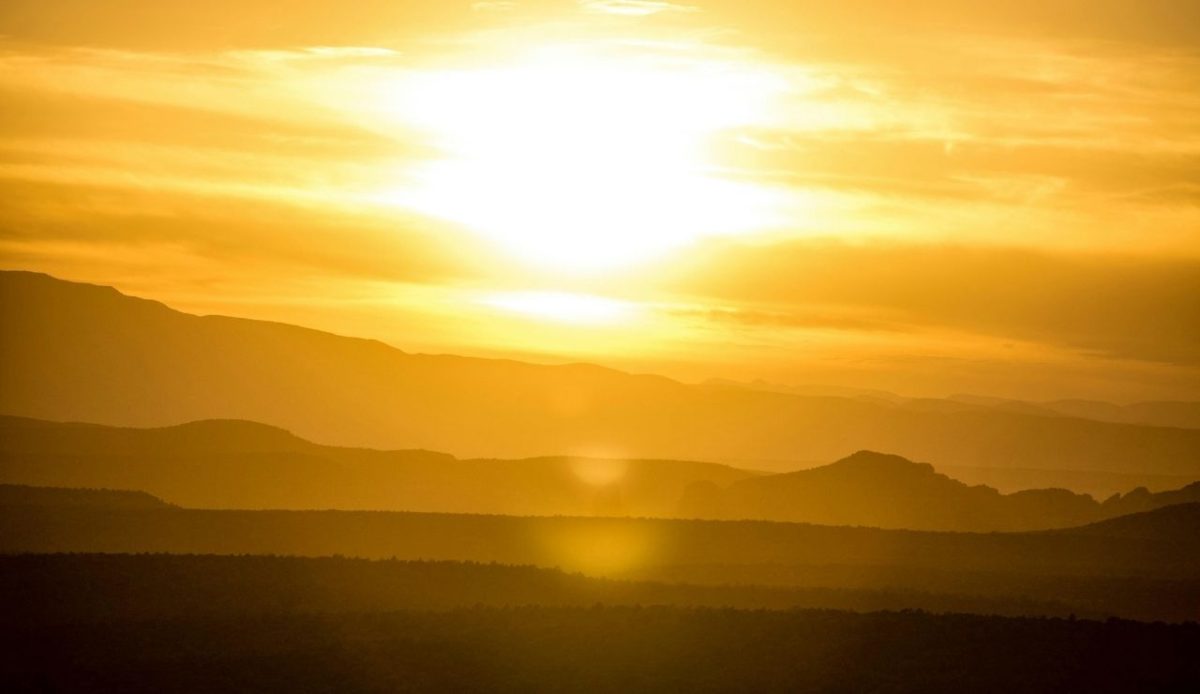
Extreme heat changes what a day allows. A long museum queue, a theme park line, or a canyon trail can become unsafe when humidity pushes the heat index higher. The National Weather Service HeatRisk map rates potential impacts for each location across a seven-day forecast, and it is described as supplementary to official heat watches and warnings. Travelers use it to choose earlier start times, target shaded routes, and avoid long midday transfers in cars that must idle in traffic. Dates are often compared in the same way airfare is compared. In cities, route plans are shortened so water stops can be spaced closer together.
Heat is also planned at night. NOAA’s 2025 national report noted that extremes in overnight minimum temperature affected more than 85 percent of the West, Northwest, and Southwest. When nights stay hot, sleep quality drops and recovery suffers, especially for families with kids and older adults. Many travelers now look for lodging with reliable air conditioning, pool hours that extend past sunset, and nearby indoor options. Trips are being moved toward late spring or early fall, when cooling is more dependable. Higher elevation alternatives are also selected when a valley forecast looks punishing.
Wildfire Smoke Adds Air Quality To The Checklist
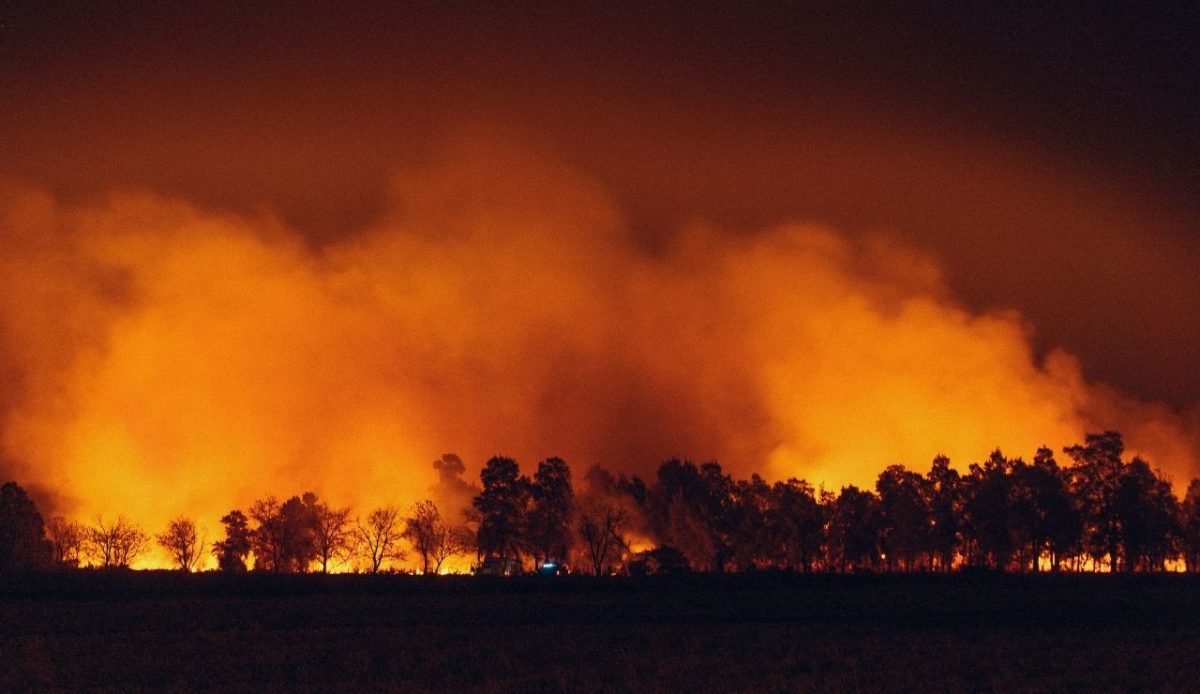
Wildfire seasons now affect travel well beyond the burn perimeter because smoke can drift for hundreds of miles. Before booking, many travelers watch the Air Quality Index and compare past smoke patterns for the same month. The CDC advises staying indoors during heavy smoke and notes that high-efficiency filters, preferably MERV 13 or higher when compatible, can help clean indoor air. The EPA also promotes setting up a clean room to reduce exposure when smoke persists. That guidance pushes travelers to pick properties with sealed windows, good filtration, and cancellation terms that do not punish a last-minute change.
Smoke changes activities on the fly. Hikes are replaced with museum time, scenic drives lose visibility, and outdoor dining becomes a health concern. Travelers respond by building day plans that can flip indoors quickly, and by booking shorter stays so a bad air spell does not ruin a full week. Coastal areas with stronger breezes can be prioritized over inland basins that trap particulates, while portable air cleaners are packed for rental homes. Parents also track AQI alerts daily before planning long outdoor blocks. Tickets are often bought closer to the visit date, so refunds are easier if air turns unhealthy.
Heavy Rain And Flash Flooding Reshape Itineraries
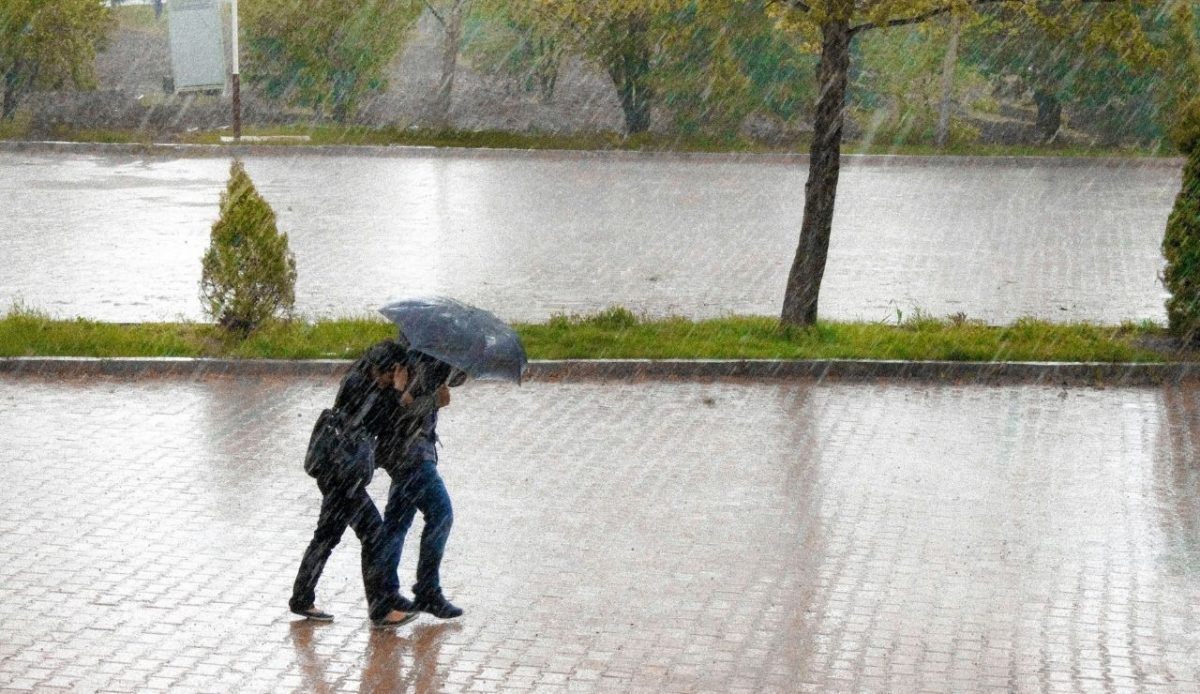
Intense downpours can derail trips even when a forecast looks fine at noon. Flash flooding closes canyon roads, washes out trail access, and strands visitors in areas with one main exit. Travelers now scan rainfall outlooks and local emergency management pages before committing to river tubing, slot canyon tours, or mountain drives. Itineraries are designed with alternate routes that avoid low water crossings, and lodging is chosen on higher ground when possible. This planning is common in monsoon-prone parts of the Southwest and in humid Gulf states. Flash flood warnings are treated like a stop sign, and tours are rebooked.
The travel impact is amplified by infrastructure stress. When a storm hits, airports can ground flights, rental counters run out of cars, and long detours add fuel and time costs. Visitors are responding by arriving a day earlier, leaving extra buffer time for return flights, and selecting towns with multiple road connections. Many also keep one indoor anchor activity each day, such as a museum or food market, so a rain burst does not become a wasted day. The result is a schedule built around uncertainty, not optimism. Refundable shuttle passes and flexible tour times reduce the pressure to travel during dangerous conditions.
Hurricane Season Changes Coastal Travel Math
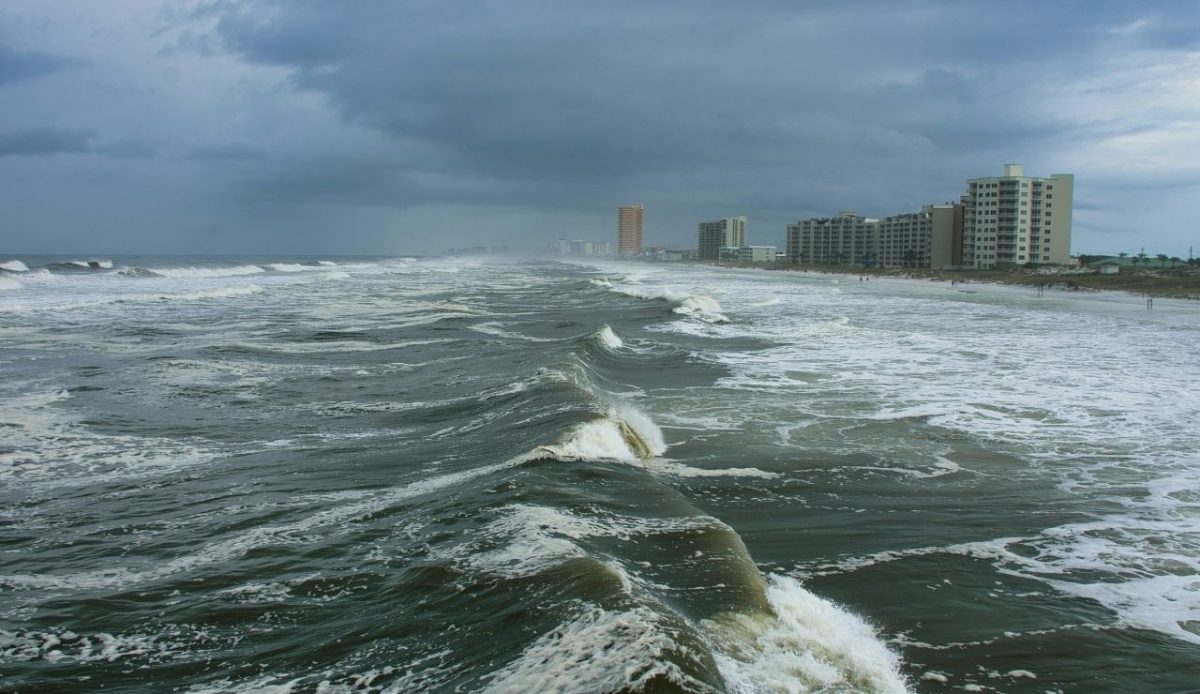
Along the Atlantic and Gulf coasts, travelers are paying closer attention to the calendar from June through November. Seasonal outlooks set expectations, but even a single storm threat can shut bridges, ports, and beachfront businesses for days. Many visitors now choose earlier summer weeks, avoid the historical peak period, or split a beach trip between two towns so one evacuation order does not end the whole vacation. Backup inland lodging is sometimes reserved for the same dates, then canceled if the track stays away. Local evacuation zone maps are checked before arrival, not after a warning is issued.
Planning also reflects how disruptions spread. A tropical system can cancel flights far from landfall, and hotel inventory can vanish when residents relocate. To reduce that risk, travelers choose refundable rates, use travel protection that covers weather-related interruptions, and keep essential supplies in the car for long waits. Drive itineraries are routed away from single causeways, and return travel is scheduled with extra slack. The goal is not perfect forecasting, but fewer trapped decisions when alerts begin. Families also plan communication plans and meeting points in case cell networks are overloaded.
Winter Volatility Drives Backup Plans And Route Choices
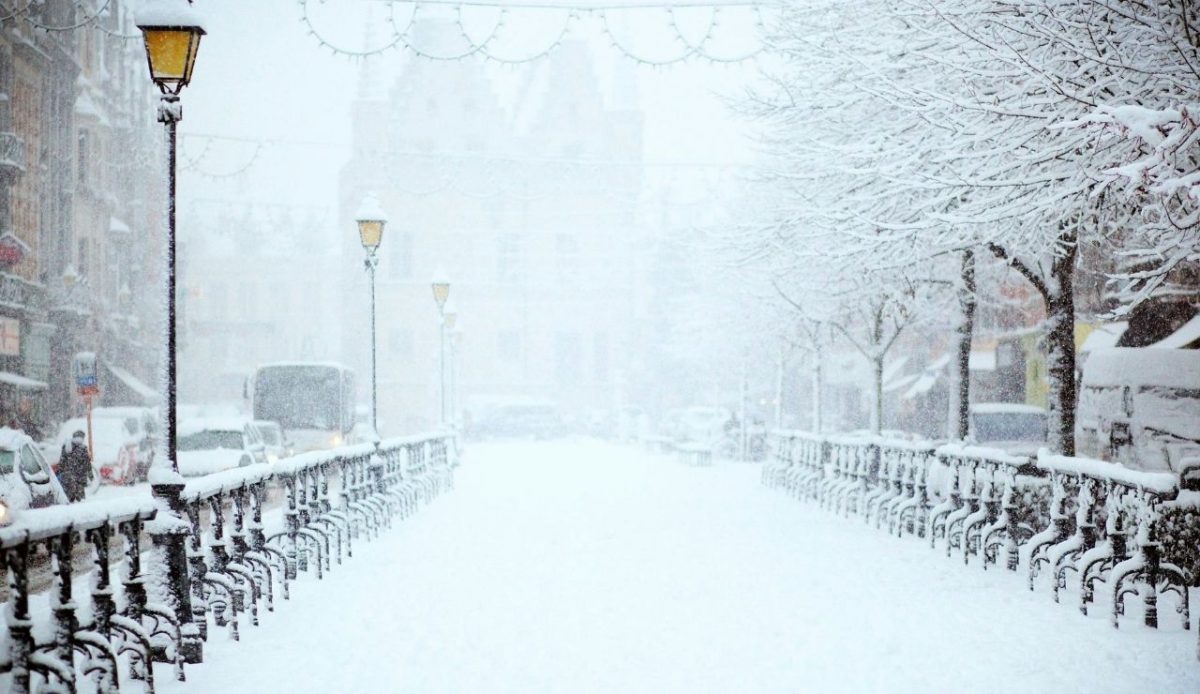
Winter travel is being planned around two opposing problems: unreliable snow and sudden severe storms. Ski trips are timed to periods with better historical snowpack, while higher elevation resorts are favored when lower slopes depend on artificial snow. At the same time, heavy snow bursts and ice can close mountain passes and trigger chain controls, so travelers monitor road condition sites and keep alternate highways ready. Shorter stays and midweek arrivals are used to avoid the busiest travel days when a storm could hit. Freeze-thaw cycles can create thin cover and slick sidewalks, so footwear and plans are adjusted.
Air travel during winter extremes has pushed people toward redundancy. Some travelers book earlier flights, add a buffer night near the airport, or choose cities with multiple carrier options. On road trips, extra fuel, traction devices, and warm layers are packed because a closure can trap cars for hours. Indoor attractions are selected near outdoor activities so plans can pivot without long drives. By planning for both scarcity and disruption, travelers aim to protect time off that cannot be replaced. Flexible lodging check-in times help when a road reopens late, and arrival is unpredictable.
