
Airport meals in the United States started feeling pricey when terminals were rebuilt as revenue centers in the 1990s and early 2000s. As airports expanded gates and concourses, more budget pressure was shifted onto shops and restaurants that sit behind security. Premium spots were awarded through bids that promised airports a strong return, so higher rent was built into the menu math. Many leases required a minimum guarantee plus a share of gross sales, which pushed prices upward even on slow days. After 2001, dining options were confined to ticketed travelers, and the same sandwich could no longer be compared with a store across the street.
Today, the high receipt reflects several hands taking a cut. The operator pays for labor, ingredients, card fees, and spoilage, then remits a contracted share to the airport through percentage rent. Tenant-funded buildouts must meet airport design and safety rules, so those costs are repaid through menu pricing. Airports use the revenue for utilities, custodial crews, winter operations, and bond payments tied to terminal work. Security adds friction because deliveries are screened, and staff must be badged, and choices are limited once past the checkpoint. That is where most of the extra dollars go.
Terminal Rebuilds And Rising Rents
Large U.S. airport rebuilds in the 1990s and 2000s changed what a restaurant space was worth. Concourses were designed to keep passengers circulating near gates, and foot traffic was treated like a reliable audience. Dining locations near security exits and busy piers were offered through concession competitions, not simple leases. Bidders paid for the right to operate there, and buildout costs were assumed by the tenant in many deals. Those fixed obligations were set before the first order, so pricing was lifted to recover rent, fees, and construction over time. The premium shows up most on quick items with steady demand.
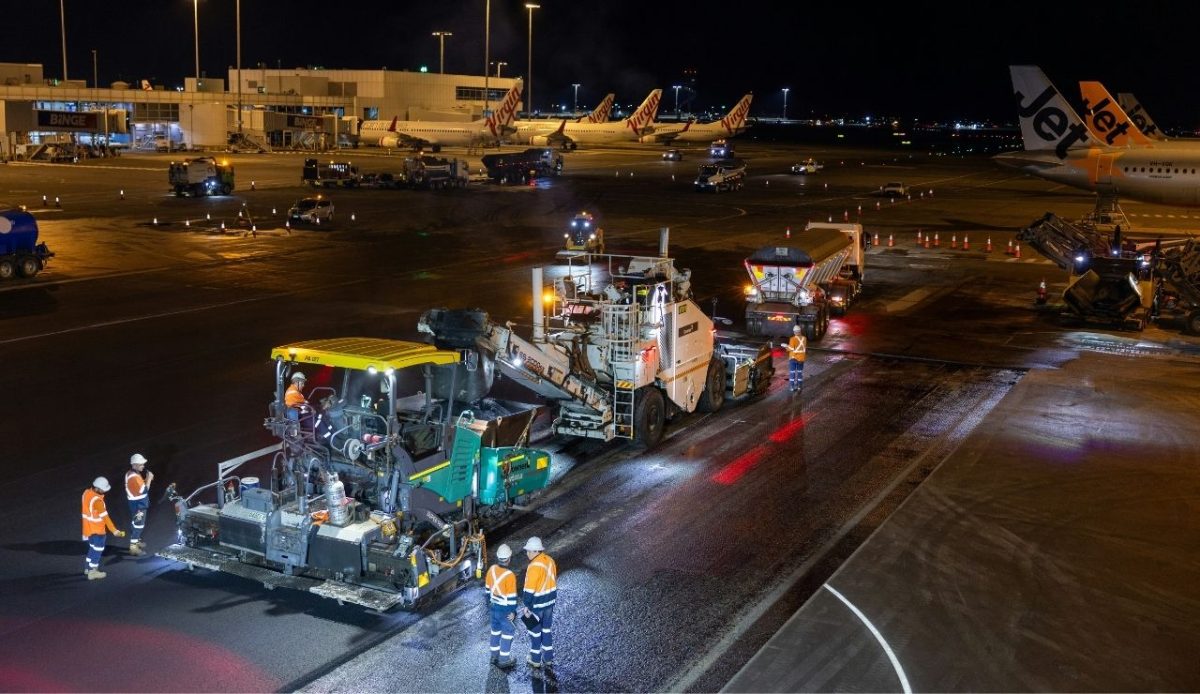
Airports also learned that dining influences passenger satisfaction, so national and local brands were recruited to match city identity. That upgrade raised costs because curated concepts require higher finish levels, branded equipment, and stricter design reviews. Storage is limited, so more frequent deliveries are needed, and spoilage risk rises for fresh items. Remodel schedules follow flight banks, so work is often done at night and priced higher. When a space is refreshed every few years, the tenant must recoup that investment, and higher menu prices spread the payback across travelers. Over time, the cost base resets upward.
Minimum Guarantees And Percentage Rent
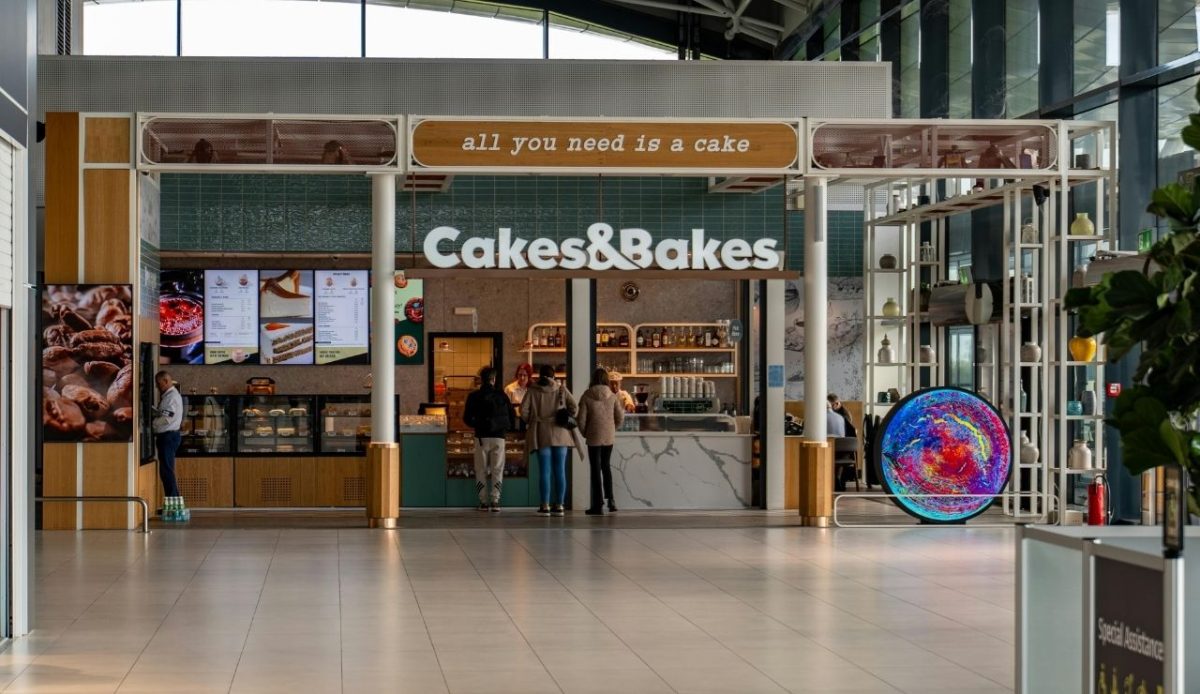
Most airport food operators do not pay only a flat monthly rent. A minimum guarantee is commonly required, and a percentage of gross sales is collected when receipts rise above that floor. Sales are reported regularly, and the airport payment is due regardless of food cost swings or staffing shortages. Because the airport share is calculated on revenue, not profit, higher menu prices can be the simplest way to keep the location viable. When traffic drops, the guarantee still sits there, so pricing is built to cover the worst weeks as well as the best ones. Competitive bids can push guarantees up, and that pressure flows straight to the menu.
This contract design also changes what items get promoted. Since the airport is paid from gross receipts, operators favor products that lift the average check, such as combo meals, bottled drinks, and grab-and-go bundles. Discounts are less common because they lower gross revenue while fixed labor remains. Brand fees, airport-approved packaging, and point of sale reporting systems add more overhead. A traveler who buys an extra coffee is not just paying for beans and milk; the purchase also increases the rent base. That link between each sale and the airport share is a main reason prices feel detached from street locations.
Security And Supply Chain Costs
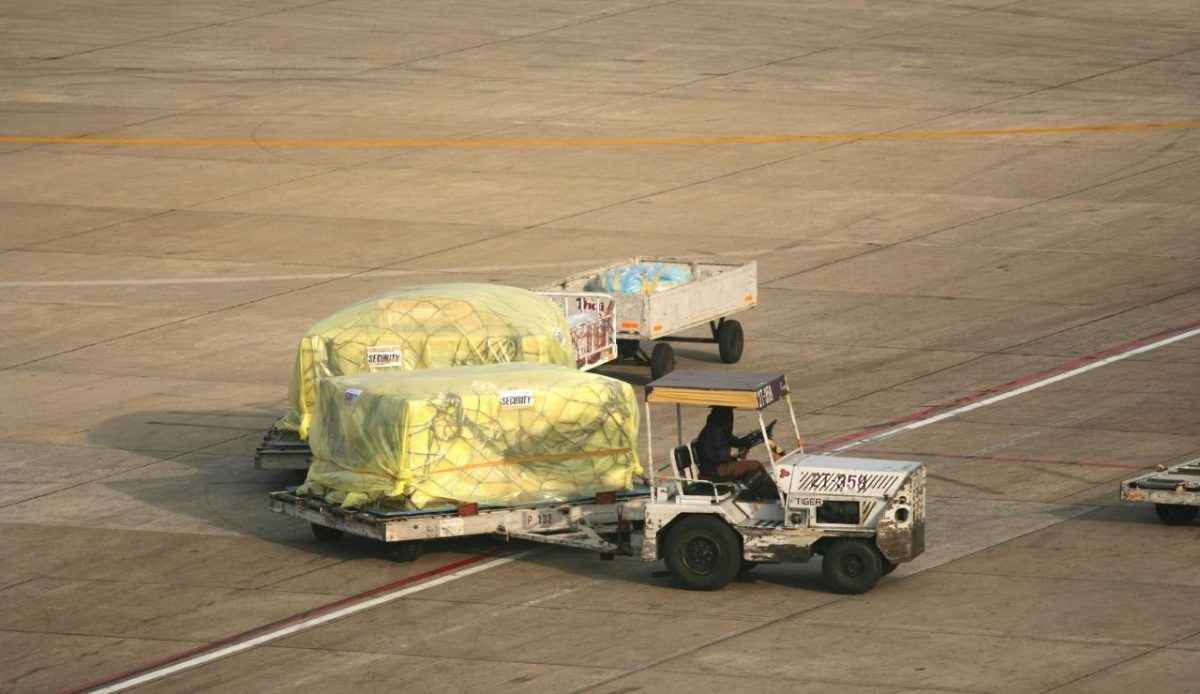
Food inside secure areas is supplied through a tighter logistics system than a typical shopping center. Drivers may need badges, trucks can be staged at specific docks, and deliveries are routed through screened checkpoints. If a delivery window is missed, restocking can be delayed until the next approved slot, which can increase waste and overtime. Small fridges and limited storage force frequent replenishment, so the cost per delivery rises. Packaging and trash handling are often governed by airport rules, which can limit cheaper options. Those extra steps are paid for, and they are reflected in the posted price.
Security also affects what can be repaired and when. A broken freezer or grill may require a technician who has cleared background checks and can work within sterile area access rules. Emergency service calls can take longer, and downtime is costly during peak travel hours. Health inspections, fire checks, and airport-specific compliance reviews add paperwork and staff time. Some airports restrict where gas lines, vents, and grease traps can run, which complicates maintenance and raises utility use. When operations are constrained this way, a higher menu price becomes a buffer against interruptions that would be easier to absorb off airport.
Labor, Hours, And Buildout Payback
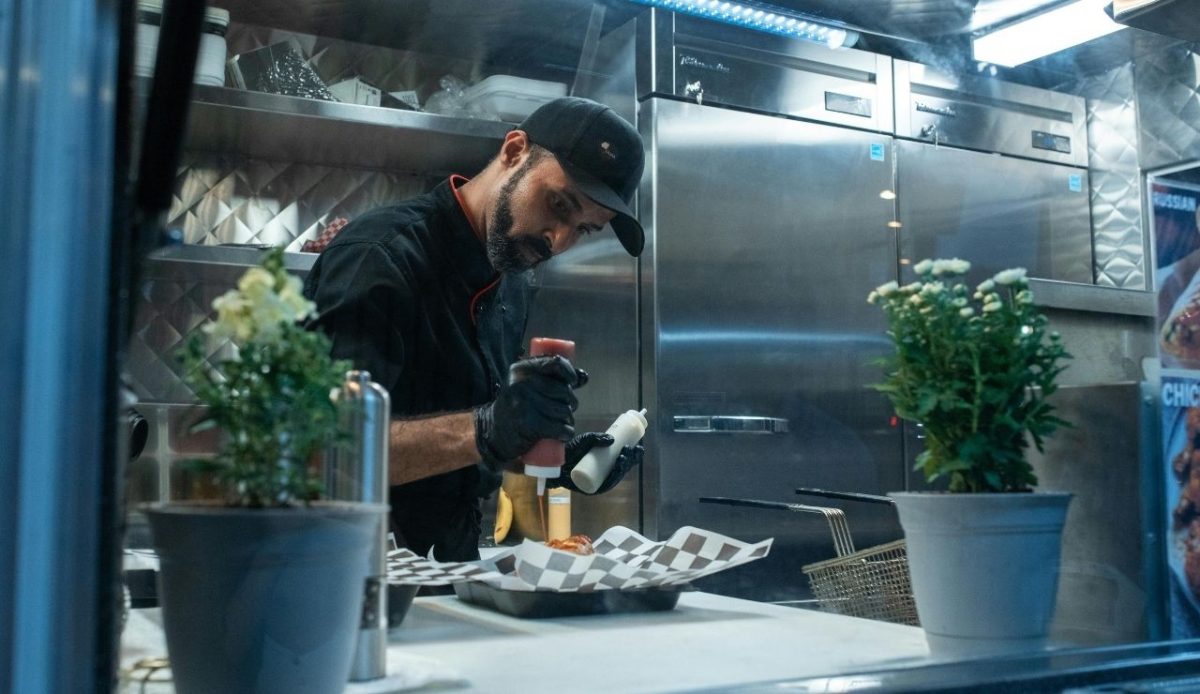
Airport restaurants run on flight schedules, not a normal lunch rush. Many open before dawn, stay active through delays, and close late, which means more shift changes and higher payroll. Hiring is harder because employees must pass screening and often commute through remote parking lots and shuttle routes. Turnover is expensive since replacements need badging and training before they can work behind security. Staffing levels cannot drop too low during peak banks, or lines spill into concourses, and complaints rise. When labor costs climb in this setting, menu pricing is adjusted quickly to protect already thin operating margins.
The physical store is another cost driver that travelers rarely see. A tenant may fund the kitchen build, plumbing upgrades, and custom finishes required by an airport design manual. Financing is used for equipment, and interest is paid while sales ramp up after opening. Work is often scheduled overnight to avoid passenger disruption, so contractors charge more and projects take longer. Remodel cycles can be written into the lease, forcing periodic reinvestment even when the concept is performing well. Those capital costs are recovered across menu items, which is why even a basic salad can carry a surprising markup.
What Airports Fund With Food Revenue
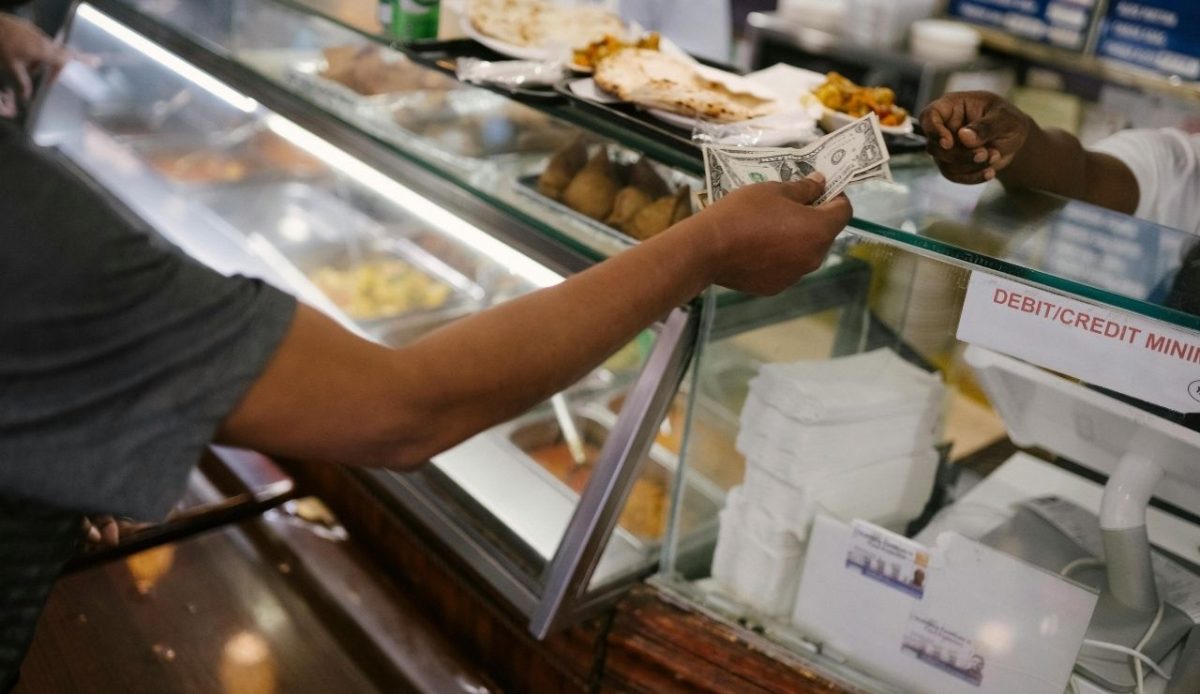
The airport’s share of restaurant sales is typically treated as operating revenue, not a special food fund. It supports terminal upkeep such as lighting, HVAC, restroom cleaning, and gate area repairs that passengers expect to be reliable. During winter, runway clearing and deicing support services create high costs that must be covered even when flights are reduced. Technology costs also add up, from WiFi and digital signage to power for baggage and screening areas. Revenue from concessions helps pay debt service on bonds issued for terminal projects. So part of what you pay for a meal is routed into the basic functioning of the facility.
Where the rest of the money goes is split across the operator and its suppliers. Ingredients are only one slice since wages, benefits, uniforms, and training are paid for a workforce that can clear security rules. Card processing fees take a percentage of every sale, and airport-required reporting systems add ongoing expense. The airport then collects rent through the guarantee or sales share, while the operator keeps what remains to cover overhead and profit. When all parts are added, the premium you notice is mostly rent, compliance costs, and the price of convenience behind the checkpoint for travelers.
