
Travelers often assume peak season is fixed by school calendars, old brochures, or long-standing weather patterns. That idea is getting less reliable. In many destinations, heat spikes, heavy rain, wildfire risk, and weak snow cover are changing when conditions feel comfortable, safe, or practical for visitors.
The result is not the end of peak travel, but a reshuffling of it. Some places now draw more visitors in spring or early autumn, while midsummer becomes harder to market.
For tourists, the surprise is how quickly this affects pricing, crowd levels, and trip planning. The busiest period on paper may no longer be the easiest time to go.
Heat Is Pushing Classic Summer Trips Toward the Edges of the Calendar
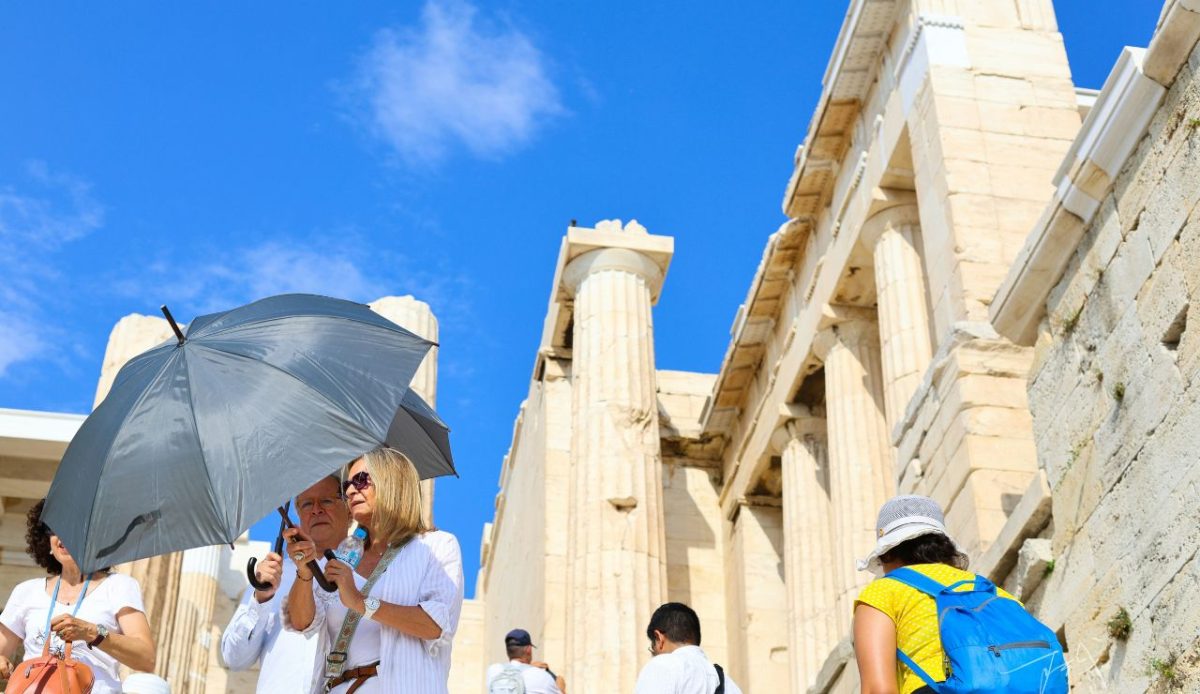
In many destinations, the traditional high season was built around warm, stable summer weather. But longer heatwaves and hotter nights are making parts of July and August less appealing for city breaks, sightseeing, and outdoor touring.
That shift often moves demand into June, September, and even October. Travelers still want sunshine, but many now prefer periods that offer lighter crowds, safer daytime conditions, and less physical strain than the hottest weeks of the year.
In practice, the calendar is stretching outward rather than staying fixed at its old center. That shift quietly changes when many places feel most usable for visitors.
Winter Destinations Are Dealing With Shorter and Less Predictable Snow Windows
Mountain tourism has long relied on a winter pattern that once felt dependable, with holiday demand building around expected snowfall. That pattern is becoming harder to trust as snow arrives later, melts earlier, or varies sharply between elevations in the same destination.
For travelers, that means the most expensive weeks do not always bring the best conditions. Some now book closer to departure, choose higher-altitude resorts, or favor towns with spas, trails, and indoor attractions that do not depend entirely on deep snow.
The season still matters, but it now feels less stable and far less predictable for visitors.
Rain and Storm Volatility Are Changing How Shoulder Season Is Viewed
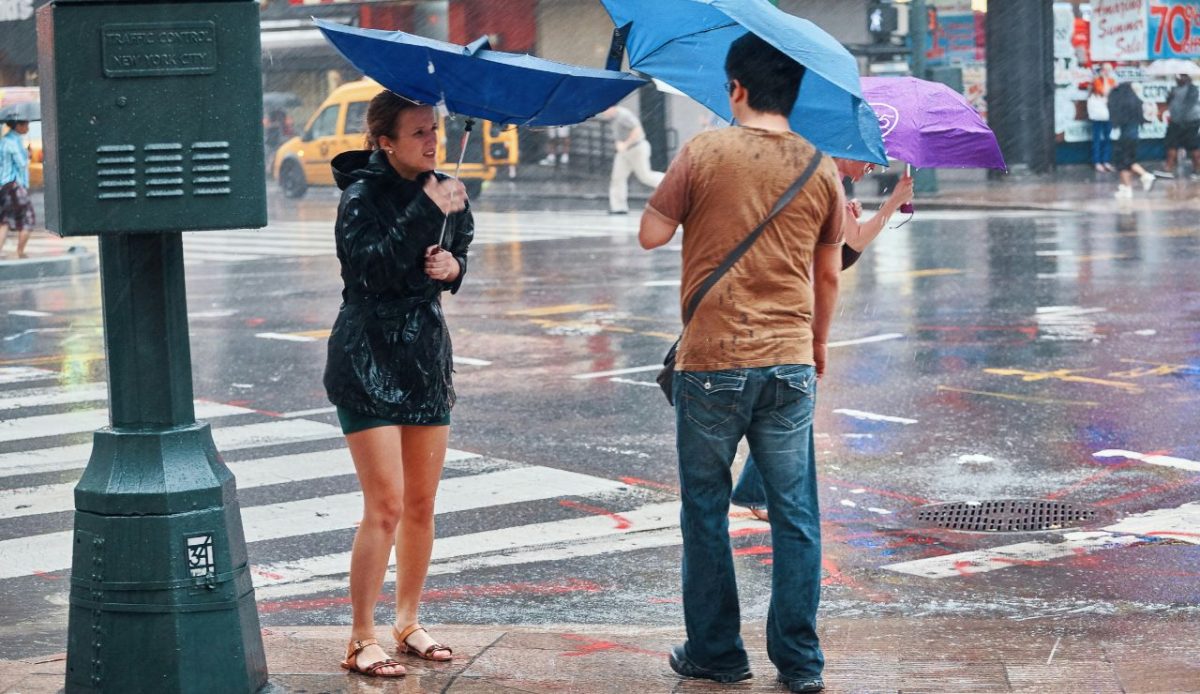
Shoulder season used to be marketed as a compromise: fewer crowds, lower prices, and a small weather trade-off. Now, in some places, it can be either more attractive or more disruptive, depending on how rainfall, flooding risk, humidity, or storm timing is evolving.
That makes older travel assumptions less useful. A month once considered safely dry may now be less dependable, while another period once dismissed as marginal can offer steadier conditions for walking, beach time, or road travel than the traditional peak period.
That makes shoulder season a less automatic choice than before. It can be the better window, but not by old rules alone.
Wildfire and Smoke Risk Are Reshaping Demand Beyond the Hottest Regions
Travelers do not need to be near flames for weather disruption to affect a trip. Smoke, poor air quality, transport interruptions, and park closures can alter plans across a much wider area than many visitors expect, especially during dry and windy stretches.
Because of that, some destinations now face softer demand during months that once felt reliably busy. Visitors may still come, but they are more likely to monitor forecasts, buy flexible bookings, and favor times of year when landscapes are open yet environmental stress is lower.
That changes the feel of peak season even without a formal reset.
Peak Season Now Depends More on Flexibility Than Tradition

The old travel formula was simple: go when everyone else goes, and the weather will probably cooperate. That logic is weaker than it used to be. Travelers now have to think in terms of probability, not habit, especially in places facing stronger seasonal swings.
For the industry, this is pushing hotels, tour operators, and destinations to spread demand across a wider calendar. For tourists, it means the smartest trip may be the one booked just outside the classic peak, with room to adapt, compare conditions, and change plans if needed.
Peak season has not disappeared, but it is becoming less fixed over time.
