
U.S. commuter rail slows when aging fleets and power systems force safety-first operations. SEPTA Regional Rail runs thirteen lines, and many trips still use Silverliner IV cars built in the mid 1970s, so failures and shop time reshape daily schedules.
In 2025, an FRA emergency order followed onboard fires and required enhanced inspections and repairs. Many cars were pulled for checks, so consist lengths were shortened, and some departures were dropped. Because the equipment rotates, the disruption was shared across the network.
SEPTA revised timetables to lift on time performance, yet slower running persists where fleets are thin, and maintenance windows expand. The sections below show how aging assets cut frequency and stretch trips on key lines.
1. Airport Line
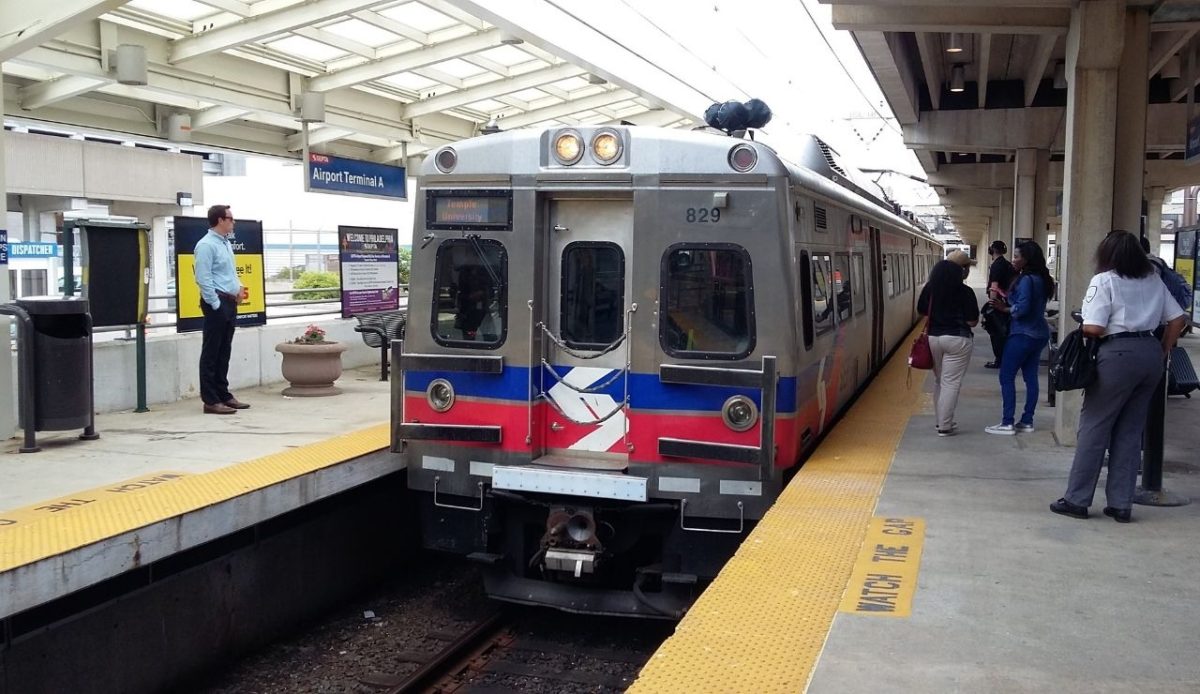
Airport Line riders travel with fixed deadlines, so small slips matter. When cars are scarce, shorter trainsets run and dwell time rises as luggage slows boarding. If one unit is sidelined for a door or brake defect, a trip can be cancelled with little notice.
Silverliner IV cars have faced intensive checks after fire-related federal orders, shrinking the usable fleet. With limited spares, swaps are harder, so late departures persist. Operators may hold lower speeds to reduce stress on the traction and high-voltage gear.
SEPTA has added padding to protect punctuality, yet that lowers the average speed for everyone. Road options look faster for some travelers. Until new cars enter service, this line will reflect the risks of an overaged fleet.
2. Chestnut Hill East Line
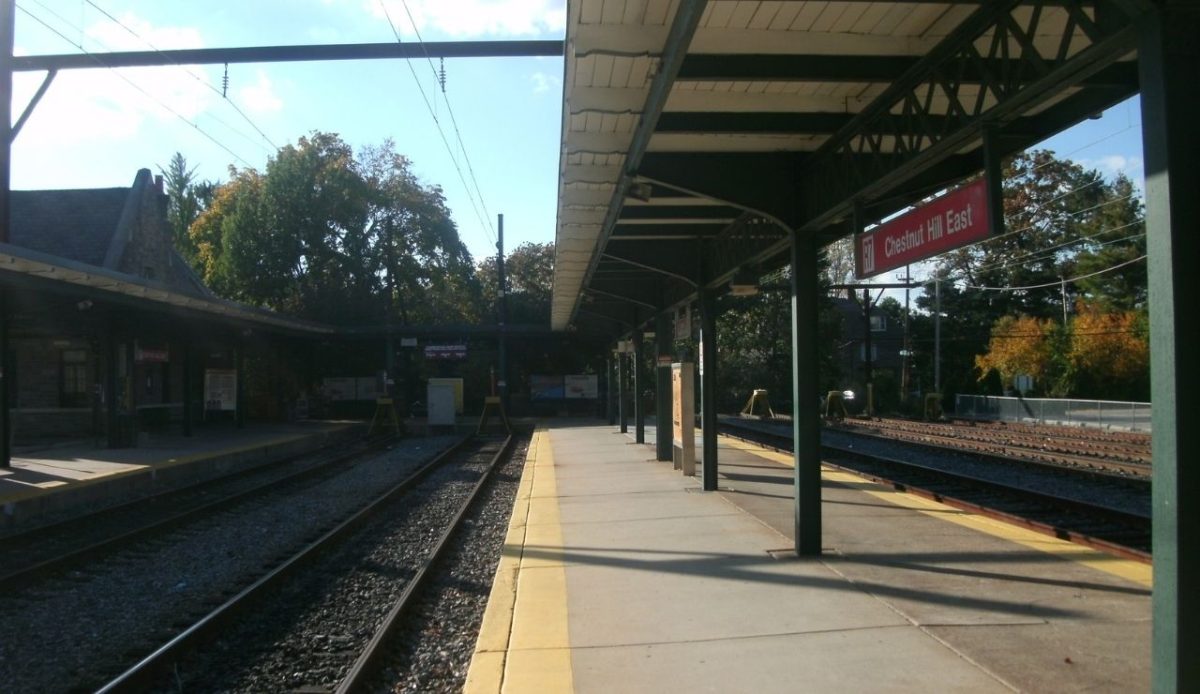
Chestnut Hill East has spaced stops where acceleration is key. When the traction response is uneven, seconds are lost between stations and cannot be recovered. Aging substations and overhead gear can worsen those losses during peak load.
As railcars age, more preventive work is scheduled, and more defects are found inthe shop. Units are pulled from rotation, so headways widen, and platforms crowd. Dispatchers may also increase spacing when signal components require extra monitoring.
SEPTA has adjusted Regional Rail schedules to improve reliability on multiple lines. Here, the added running time can lift punctuality metrics while riders still feel slower trips. Without fleet renewal and power upgrades, speed will keep being traded for safe operation.
3. Chestnut Hill West Line
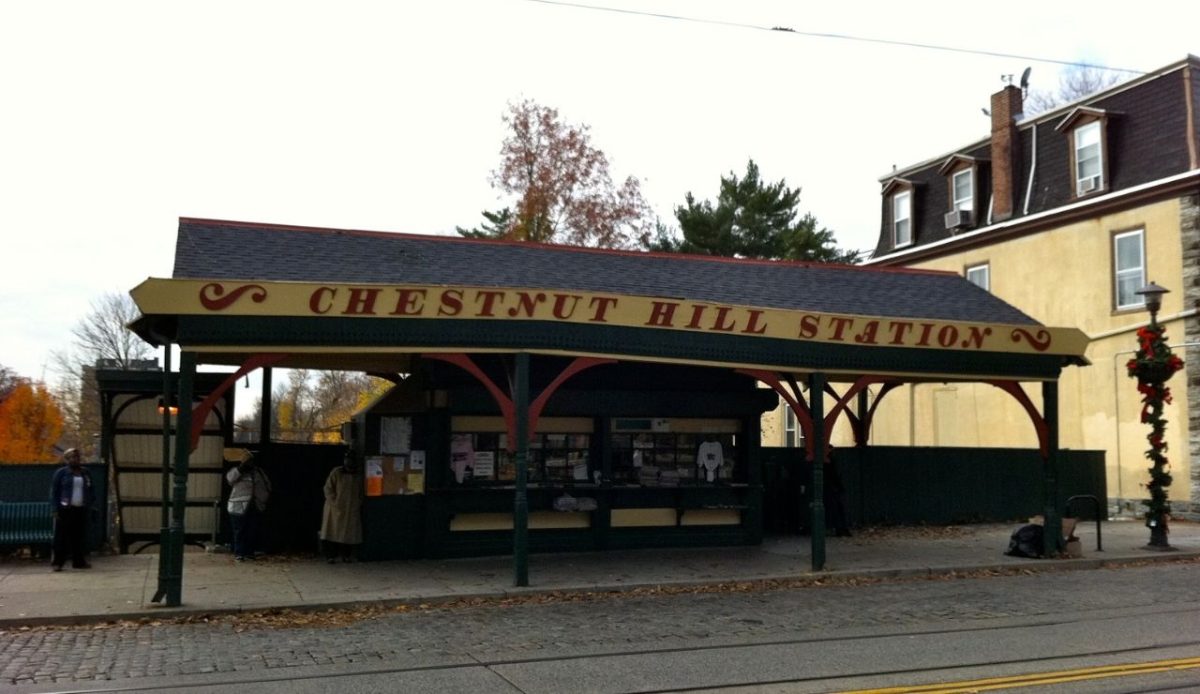
Chestnut Hill West is shaped by the shared fleet pool more than local track length. When inspections remove cars elsewhere, fewer sets remain for this branch, so service is trimmed. Riders see wider gaps and heavier loads, which increases dwell time at hub stations.
Line performance can swing because trainsets rotate each day. A car held for electrical, brake, or HVAC work reduces flexibility across the schedule. That constraint can turn a delay into a missed slot through the Center City tunnel.
To keep trips predictable, dispatchers add spacing and recovery minutes. Those choices can raise on-time rates while lowering average speed. Until older cars are replaced, this branch will reflect systemwide aging rather than corridor demand.
4. Cynwyd Line
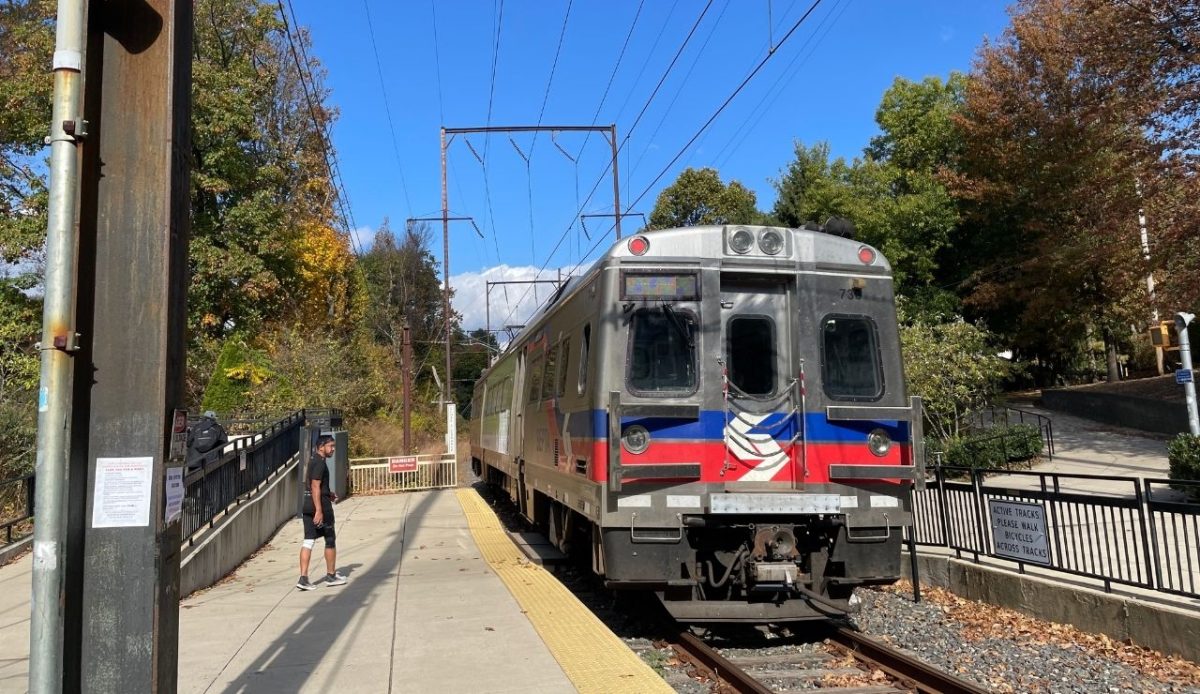
Cynwyd is a short branch with little redundancy, so shortages hit it early. When usable cars drop, equipment is assigned to higher volume corridors, and this line loses trips. Longer waits then push some riders to other modes.
Aging railcars raise the chance that one defect cancels a whole run. With few spare sets nearby, a door fault or power alert can sideline the train for the day. Those cancellations sting because the timetable already has fewer departures.
SEPTA has revised schedules to improve system reliability, yet Cynwyd cannot gain frequency without cars. Added recovery minutes do not replace missing equipment. This branch shows how end-of-life fleets reduce mobility first, where operating margins are thinnest.
5. Fox Chase Line
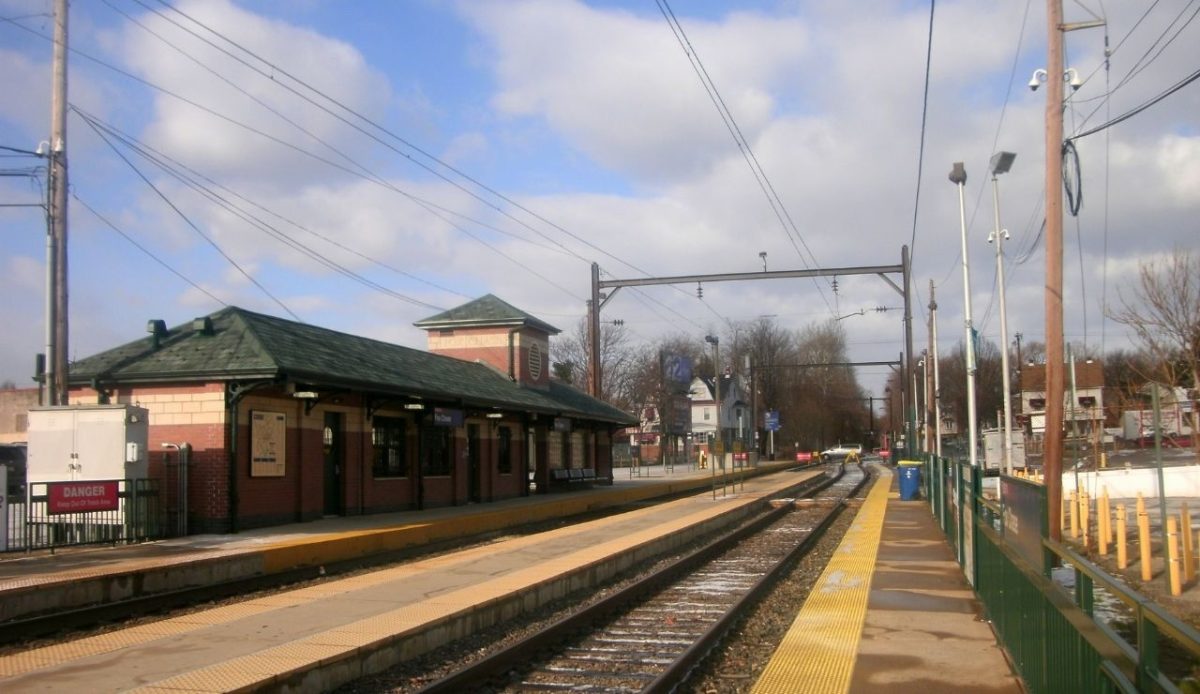
Fox Chase depends on quick acceleration and reliable braking, yet older electric cars spend more time in the shop for door, propulsion, and brake repairs. When a set is removed after a fault, fewer peak trains run, and waits increase.
Power and signal hardware along the corridor was installed decades ago, so voltage drops and equipment alarms can force cautious operation. Extra running time is often built into the timetable to avoid chronic lateness.
During 2025, safety action tied to onboard fires, more inspections were required, and availability tightened. The result has been shorter consistencies, slower recovery after a delay, and a system that feels less dependable.
6. Lansdale Doylestown Line
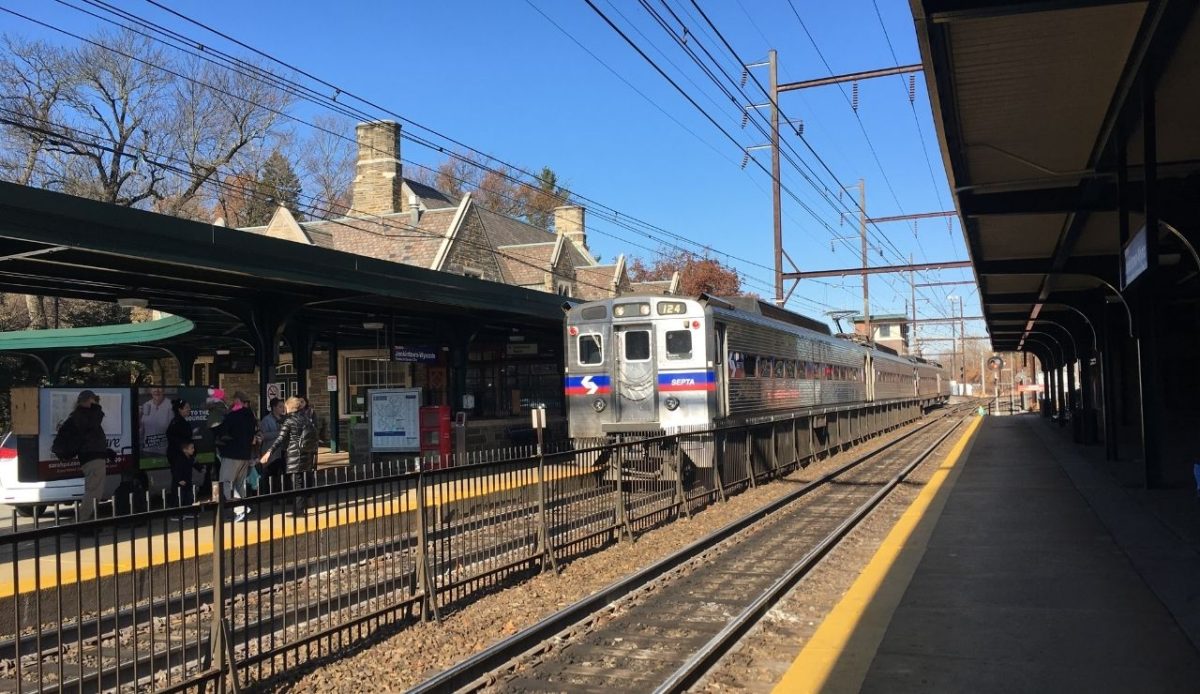
Lansdale Doylestown is long enough that small mechanical limits become obvious. Older cars accelerate more slowly and lose seconds at every stop, so minutes are added by the time the train reaches the outer stations, especially in peak traffic.
When a railcar fails beyond the core, options are limited. Trains may be short turned to keep the next cycle running, which cancels trips for riders farther out and pushes crowds onto later departures.
Fleet inspections in 2025 reduced the number of usable cars at once. With fewer spares, SEPTA protected the busiest slots first, and this line often absorbed wider headways plus longer end-to-end travel times.
7. Manayunk Norristown Line
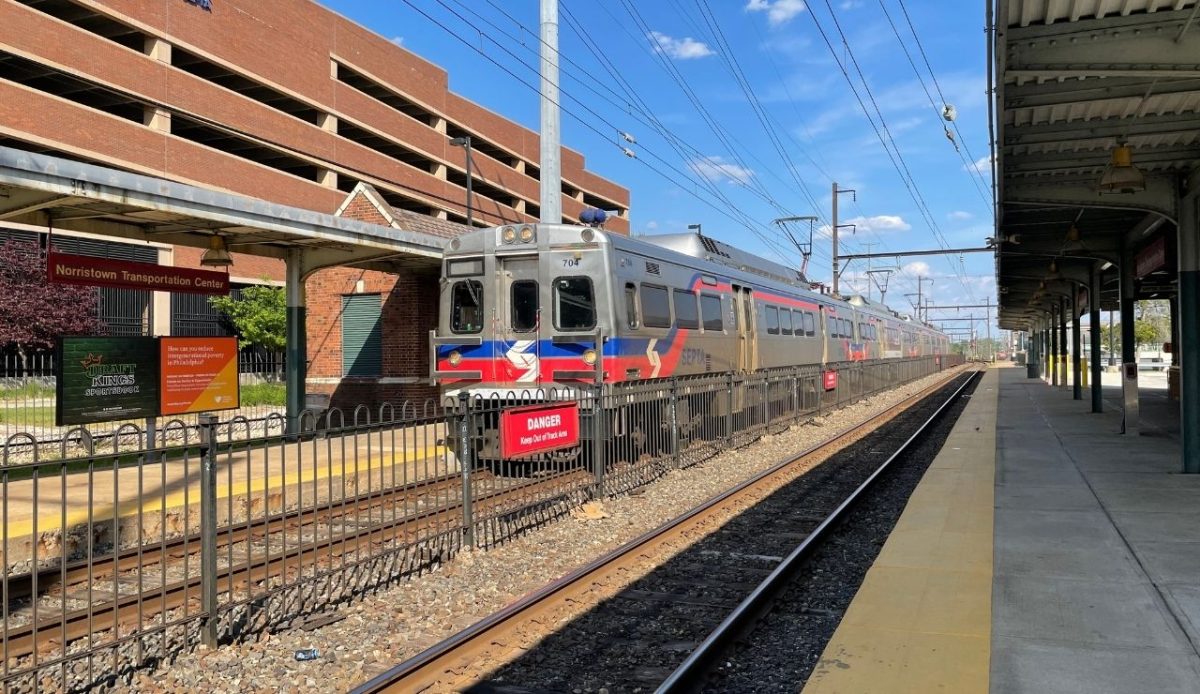
Manayunk Norristown includes curves and grades that tax traction equipment. As motors and control gear age, heat and vibration rise, so operators keep lower speeds in sensitive segments to limit risk and prevent breakdowns.
The line also shares constrained track space near the river, so dispatchers need predictable performance. When a train leaves late, spacing is increased to maintain safe separation, and the delay can block following movements.
After the 2025 inspection requirements linked to fire incidents, equipment rotation was tightened. Fewer available sets meant shorter trains and less schedule flexibility, which has translated into slower trips and reduced reliability for daily riders.
8. Media Wawa Line
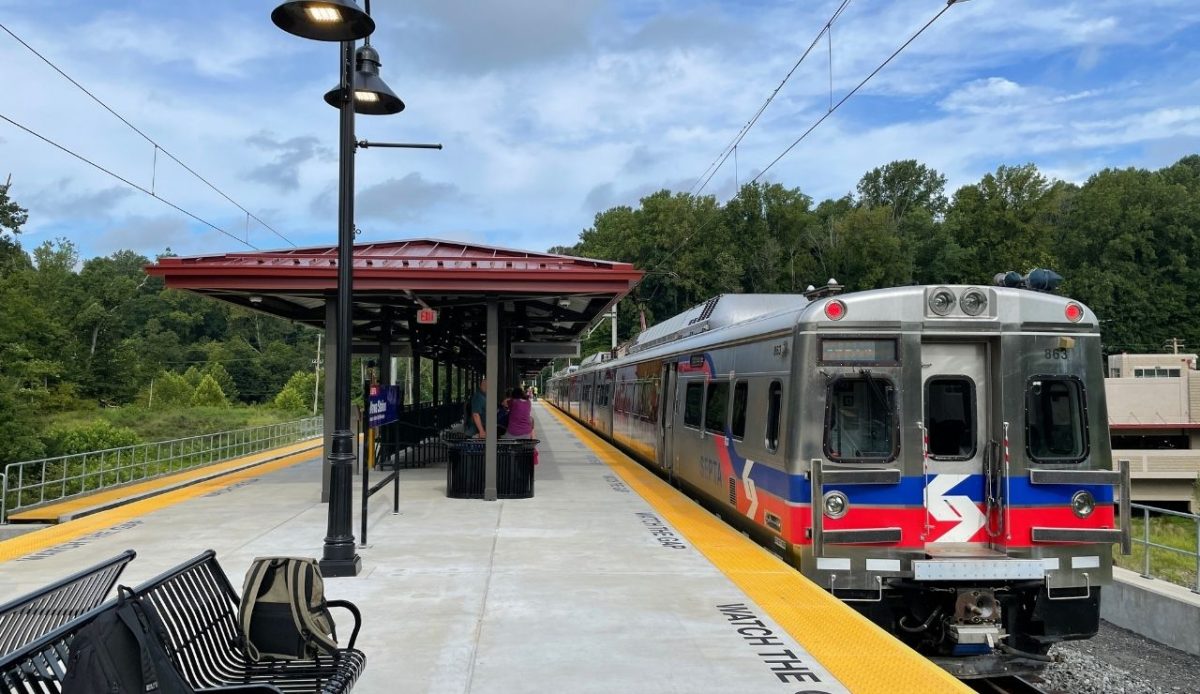
Media Wawa service grew, but many runs still rely on the same aging car fleet. More trips mean more door cycles, braking events, and pantograph use, which accelerates wear and raises the chance of a defect being found midweek.
When a car is pulled for a fault, substitutes are scarce. A missing set can force a cancellation that disrupts multiple later trips, and riders see sudden gaps even when the track itself is clear.
Systemwide inspections in 2025 pulled many cars from service at the same time. This line felt the shortage through shorter consists, longer dwell at major stations, and schedules that had to be slowed to remain stable overall.
9. Paoli Thorndale Line
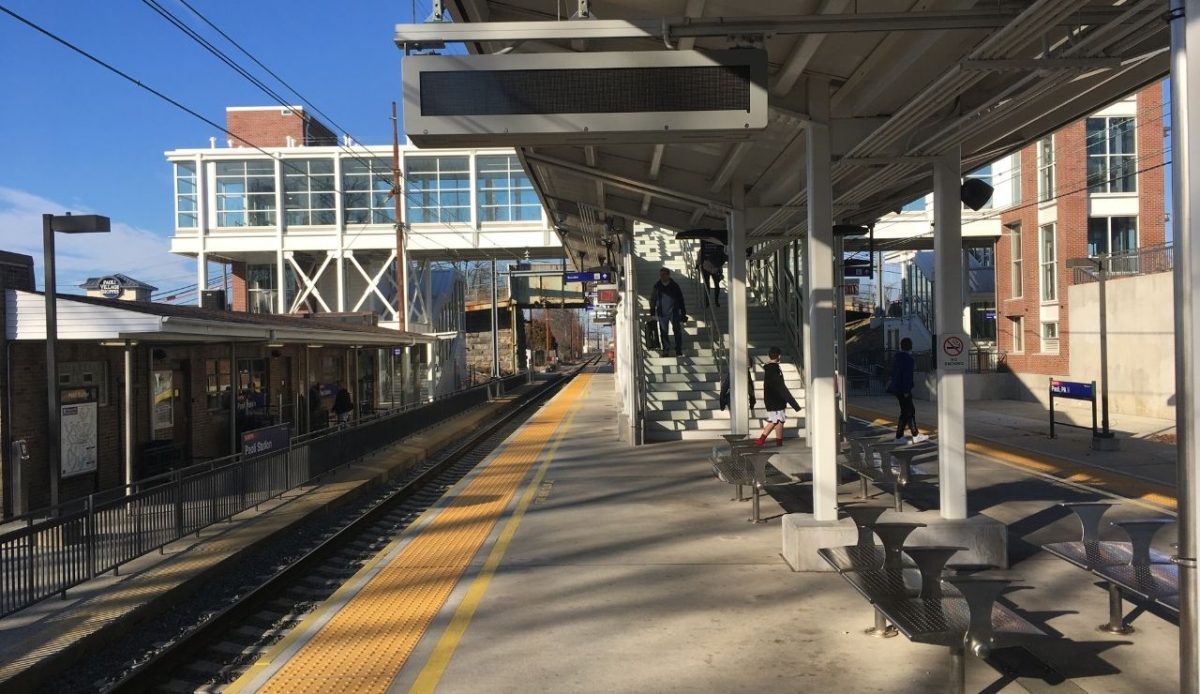
Paoli Thorndale is the core trunk for several branches, so delays here spread widely. High boarding volumes magnify any door or step problems on older cars, and extra dwell time quickly turns into missed slots through Center City.
Because trains interline, a late arrival can cascade onto other lines that share the tunnel. When consists are shortened due to car shortages, crowding increases, and loading takes longer, reducing recovery time between trips.
SEPTA adjusted timetables after the 2025 inspection wave reduced fleet availability. Even with padding, this corridor remains sensitive to aging equipment, so riders experience slower average speeds and less consistent peak frequency.
10. Trenton Line
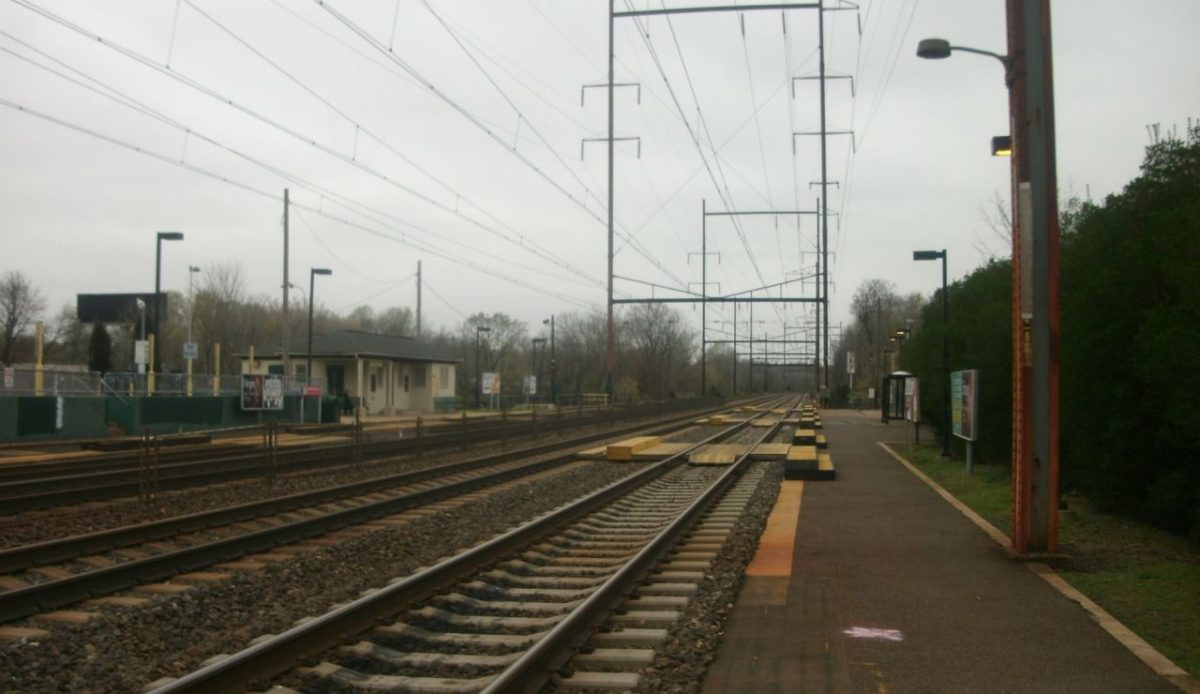
The Trenton Line must meet strict performance standards because it connects with intercity rail and crosses multiple operating territories. Aging electric cars struggle to deliver consistent acceleration and braking, so schedules include added running time to protect reliability.
When a car is sidelined for inspection or repair, replacement options are limited. Shorter trainsets raise crowding at major stations, and longer boarding times reduce the ability to recover from minor delays during peak hours.
After expanded federal inspections in 2025 reduced fleet availability, SEPTA adjusted this line’s timetable. The result preserved safety and punctuality targets but lowered average travel speed for daily commuters.
11. Warminster Line
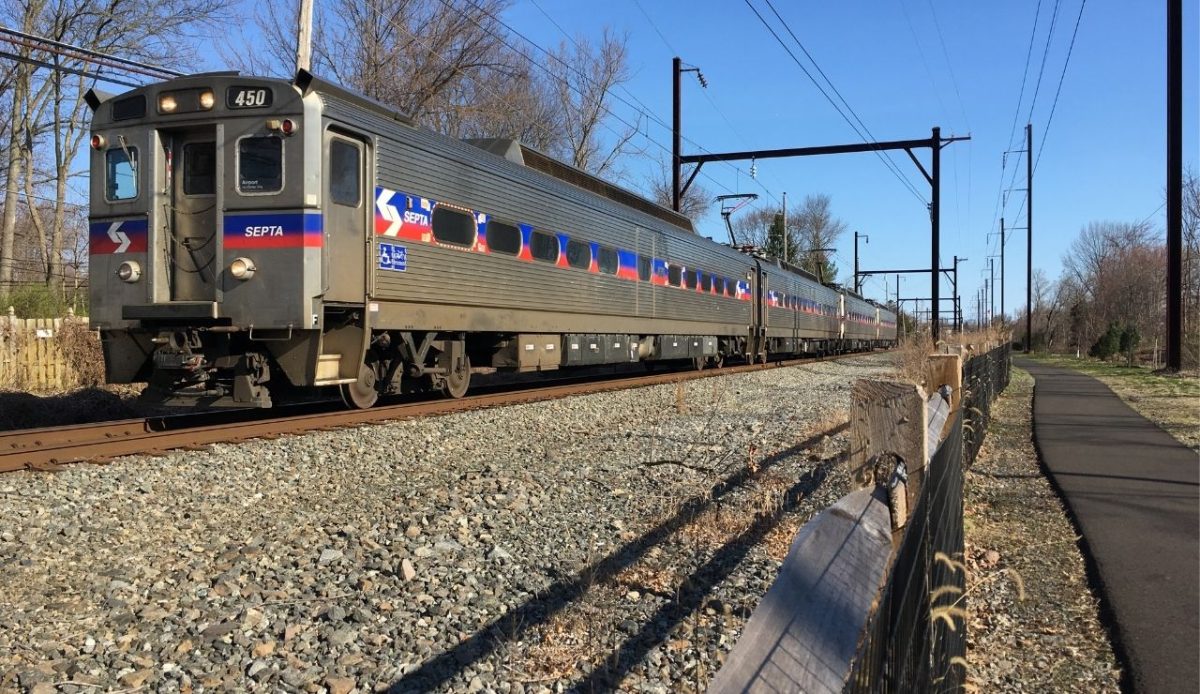
Warminster features frequent stops that place repeated stress on braking systems nearing retirement. As components wear, operators apply more conservative braking profiles, lengthening approaches into stations and adding minutes across the trip.
Equipment shortages also affect frequency. When fewer usable cars are available, SEPTA protects core routes first, leaving this line with wider peak headways. Riders often shift to earlier trains, increasing dwell time and crowding.
Fleet inspections following safety incidents reduced spare ratios in 2025. Even with revised schedules, the Warminster Line continues to reflect the limits of operating aging equipment under daily peak demand.
12. West Trenton Line
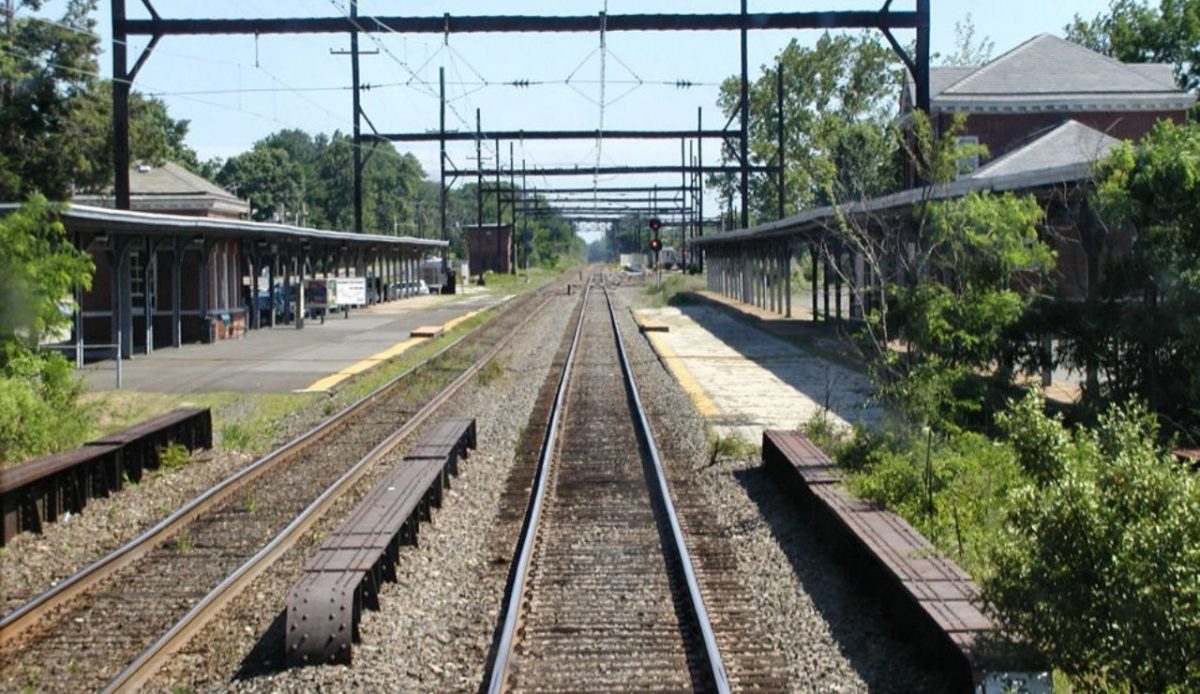
West Trenton runs long distances and shares corridors with freight traffic, which demands precise signaling response. Aging onboard systems interact less efficiently with signals, so dispatchers allow greater spacing to maintain safe separation.
When equipment cycles break due to a mechanical fault, later trips are cancelled or delayed to rebalance sets. These impacts are felt strongly in the evening, when fewer recovery options remain.
Systemwide car shortages after inspection requirements forced SEPTA to slow operations here. Added padding protects reliability but extends end-to-end travel time for riders.
13. Wilmington Newark Line
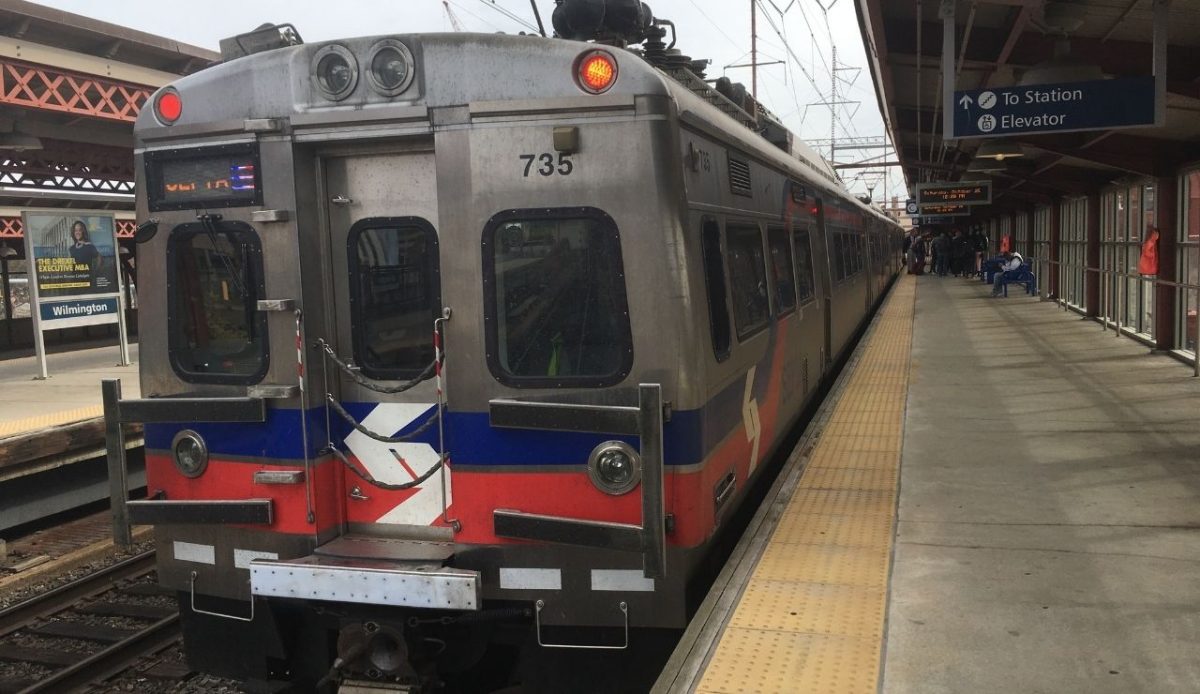
The Wilmington Newark Line places sustained load on electrical and mechanical systems over long runs. Older cars are more prone to heat-related issues during summer service, increasing inspection time and limiting availability.
When railcars are removed, trains operate with fewer coaches, raising crowding and dwell time at key stations. Delays become harder to absorb because the route already has long scheduled runs.
Following the 2025 inspection surge, SEPTA revised schedules to stabilize service. Even so, this line shows how deferred fleet replacement steadily reduces speed and flexibility across the network.
