
European destinations that Americans visit most are tightening entry through paid access, required registration, timed slots, and capped capacity. These rules are not general advice. They are enforced by QR codes, ticket scanners, and controlled gates at city zones or major landmarks.
Some changes apply to specific calendar dates, while others apply every day. If a traveler arrives without the right booking or is outside the permitted time window, entry can be refused.
Below are eight cities where access has become more restricted, with the exact control being used in each place. Rules often include exemptions for residents or overnight guests, but day visitors must follow the official process.
1. Venice, Italy
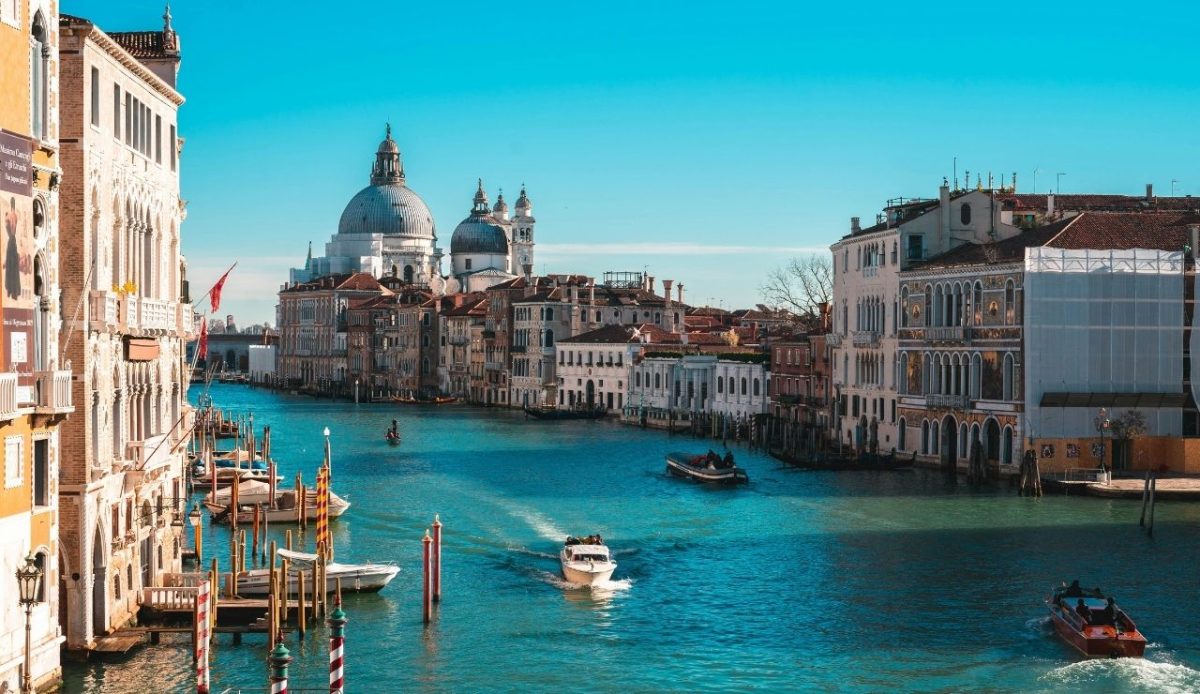
Venice is using an official Access Fee system that requires many day visitors to register before entering the historic city on selected peak dates. For 2026, the city’s access-fee calendar lists days from early April through late July, during set daytime hours.
Visitors who must pay receive a voucher with a QR code, and checks can be carried out in the city. Overnight guests are generally exempt from paying, but they still need to request an exemption voucher.
The policy is designed to control day-trip volume rather than admission to a single museum. Non-compliance can trigger administrative penalties under the city’s rules, so travelers should confirm whether they fall into a paying category before arrival.
2. Rome, Italy
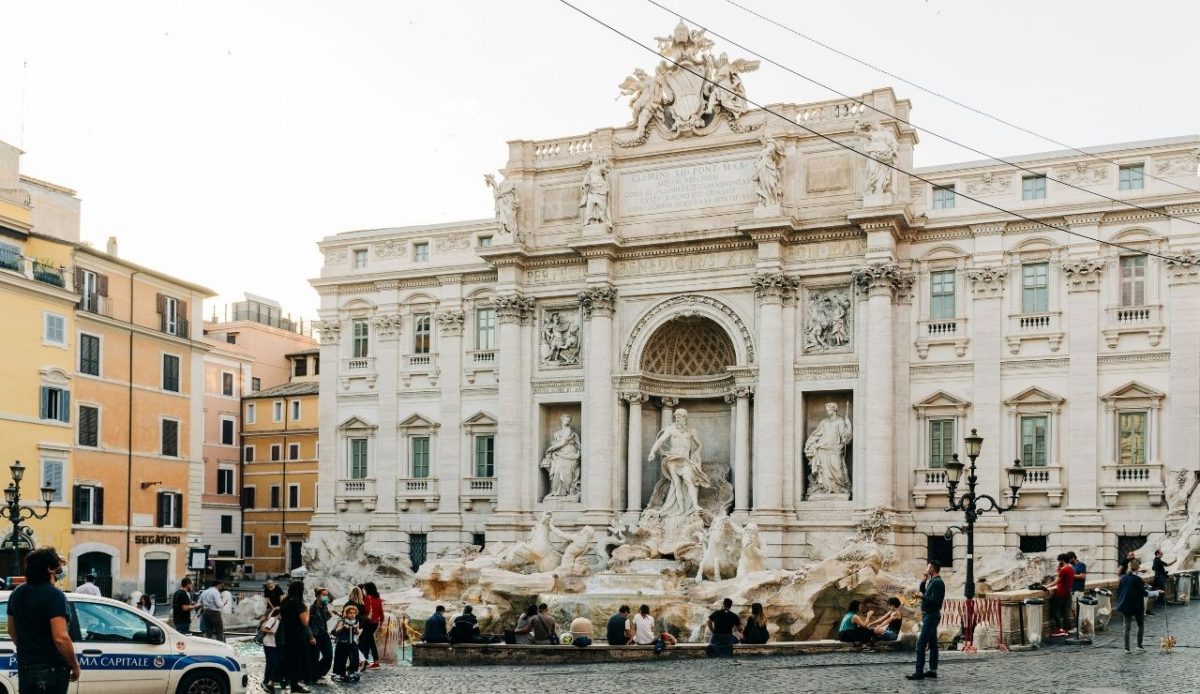
Rome is moving toward controlled entry at the Trevi Fountain. Starting February 1, 2026, the city plans to charge a two-euro fee for access to the stone steps and the close-up area around the basin.
People who view the fountain from the Piazza di Trevi without stepping into the restricted zone will not be charged. Reported exemptions include children under five and visitors with disabilities with an accompanying person.
The purpose is to reduce crowd crush at a site that can see extremely high daily visitor volumes and repeated rule-breaking. The city has also discussed using staff and barriers to keep a single, orderly entry flow.
3. Athens, Greece
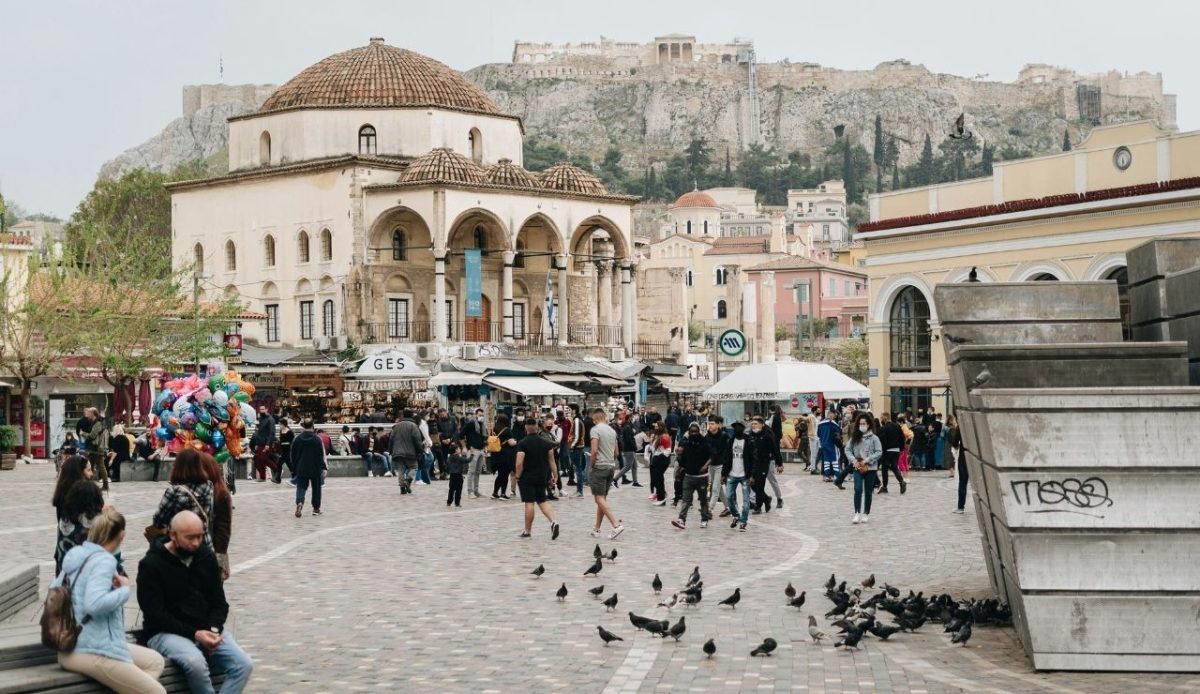
Athens has tightened entry to the Acropolis with mandatory timed tickets. The official ticketing service states that from April 1, 2024, entry is only possible during the selected time slot and that timed-entry tickets are required for all visitors.
This means a ticket is not just a payment receipt. It is permission to pass the gate within a defined window, with scanning at entry points.
Because each slot has capacity limits, popular hours sell out first, and travelers who arrive outside their slot can be refused. The rule changes same-day planning, especially in summer heat.
4. Barcelona, Spain
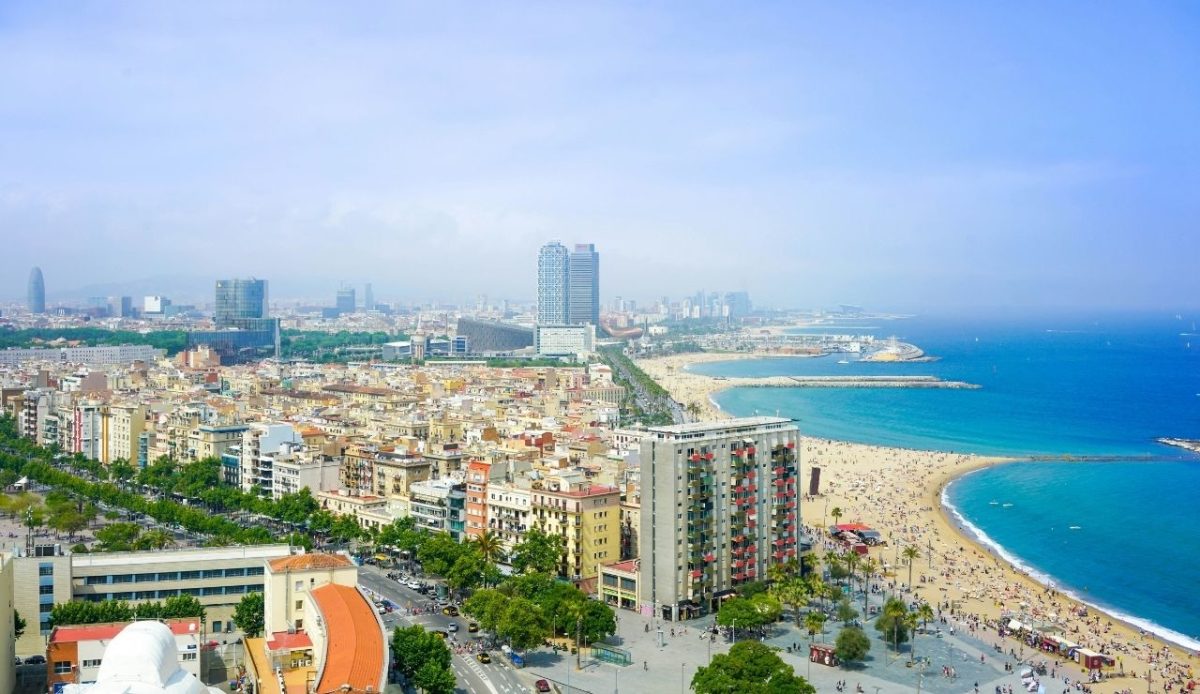
Barcelona limits tourist entry at Park Güell through strict time-banded access. The official site says tickets must be purchased in advance and online, and it also states that access will not be allowed outside the time shown on the ticket.
Visitors have a limited grace period after the printed time to enter, after which entry can be lost. The park also reserves early-morning and evening periods for residents and Gaudir Més members.
This combination of caps and time controls turns a public park zone into a scheduled entry. It directly reduces peak-hour crowding in the Monumental Zone, which is where most visitors concentrate.
5. Amsterdam, Netherlands
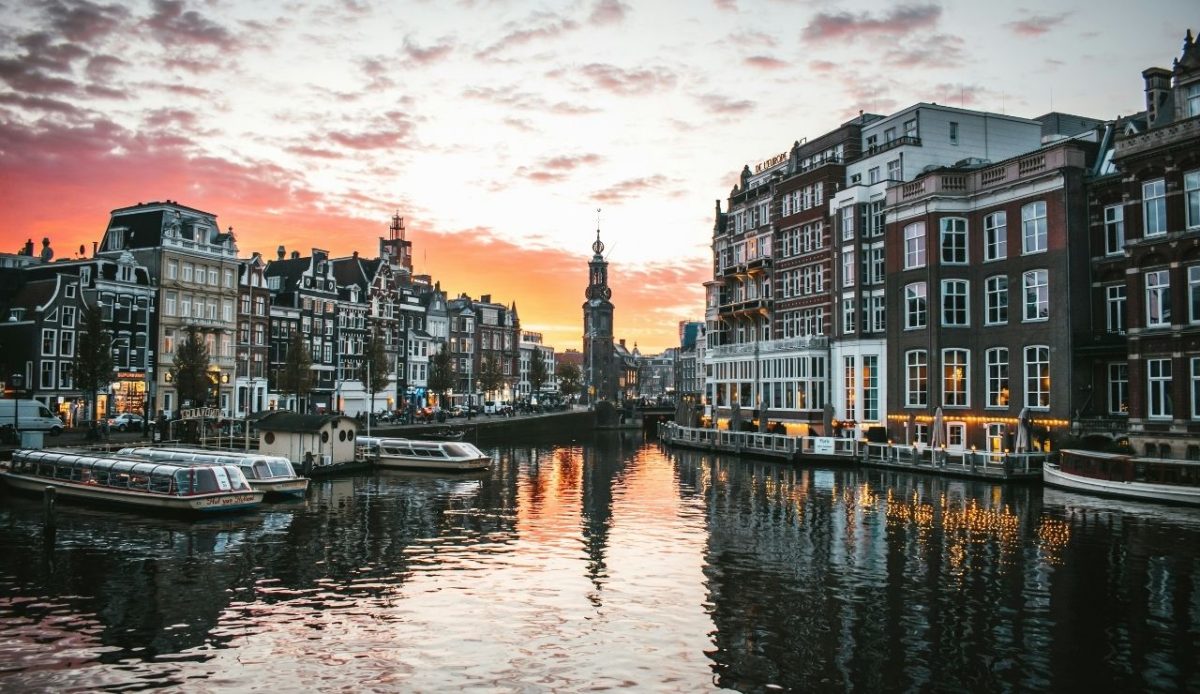
Amsterdam’s Anne Frank House uses one of the clearest no-walk-up systems in Europe. The museum states that it can only be visited with a ticket bought online for a specific time slot, including for children.
That rule turns entry into a scheduled appointment rather than a queue. Because the building is small and historically sensitive, the timed-slot system limits how many people can start the route.
If a visitor cannot secure a slot in advance, there is no alternative ticket window at the door. In practice, tickets can sell out quickly for popular dates, so planning becomes part of the entry requirement.
6. Florence, Italy
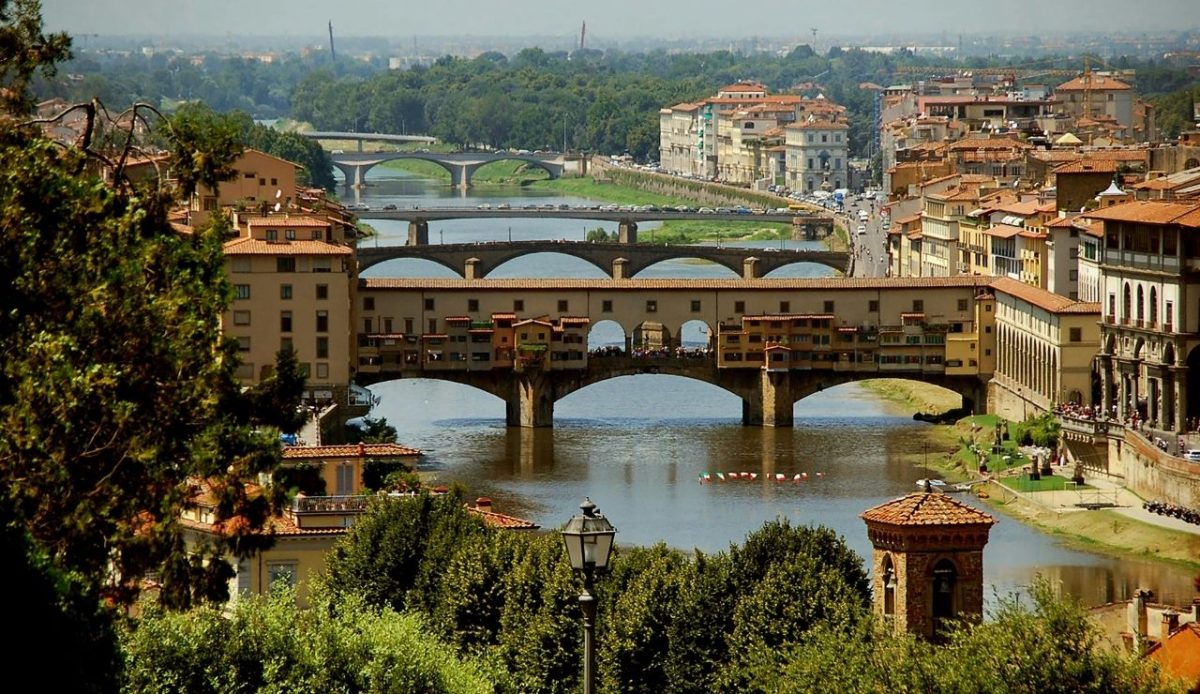
Florence has tightened entry to Brunelleschi’s Dome through a fixed-slot rule tied to the Brunelleschi Pass. The official Opera di Santa Maria del Fiore site states that the pass covers several monuments.
The Dome is different. To climb it, visitors must respect the chosen date and time slot. The same page notes that the reservation cannot be changed or cancelled once issued.
Capacity limits and narrow stairways mean late arrivals may lose entry. Other included sites can be visited within the pass’s validity without time constraints, so the Dome remains the primary access bottleneck.
7. Paris, France

Paris has tightened entry at the Louvre by shifting visitors toward time-stamped tickets. The Louvre’s official help page on reservations says that only booking guarantees access.
Another Louvre FAQ page advises all visitors, including those entitled to free admission, to book a time-stamped ticket online by choosing a slot.
This approach caps admissions by time period and reduces uncontrolled queue growth. During very busy periods, same-day purchases can mean long waits or failure to enter.
8. Dubrovnik, Croatia
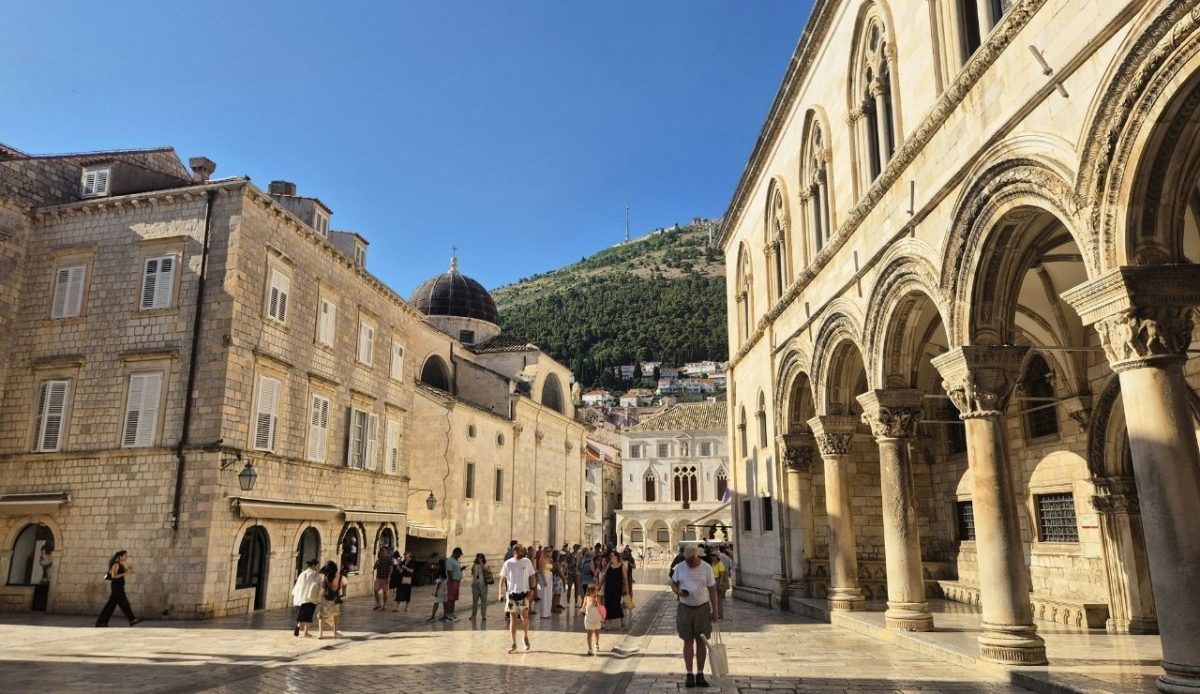
Dubrovnik is tightening entry to its walled Old Town using formal capacity limits connected to heritage protection. A UNESCO World Heritage Centre document cites studies on maximum visitor thresholds.
The findings state that the number of people inside the Historical Core should not exceed 8,000, with limited exceptions under improved pedestrian regulation.
This supports active crowd management during peak cruise days. While there is no universal ticket gate, entry can slow or pause when monitored counts approach the limit.
