
Packing mistakes at airport security often start with one assumption: if an item is sold openly and used every day, it must be fine to bring. In reality, screening rules focus on form, quantity, battery risk, and where the item is packed, not whether it feels ordinary.
That is why common belongings such as snacks, chargers, cosmetics, and souvenirs still catch travelers off guard. Security staff are not judging convenience; they are applying rules built around safety, fire risk, and screening visibility.
Understanding the categories that trigger the most confusion can save time, reduce bag checks, and prevent awkward decisions at the checkpoint. A little pre-trip awareness often matters more than how harmless the item looks at home.
1. Peanut Butter, Spreads, and Other Foods That Count as Liquids

Food often seems safer to pack than toiletries, but screening does not treat every edible item the same way. Soft foods such as peanut butter, hummus, yogurt, jam, frosting, dips, and creamy cheeses can be treated like liquids or gels in carry-on bags.
That creates confusion because a traveler may pass through with crackers or a sandwich, then be stopped over the spread packed beside them. The issue is usually not the brand or whether the container is sealed, but the consistency of what is inside.
This catches people because they think in terms of groceries, while security thinks in terms of texture and screening categories. A quick snack can become a checkpoint problem if it spreads, pours, or behaves like a gel during inspection.
2. Water Bottles and Snow Globes Still Cause Problems

Reusable bottles are standard travel gear, yet they still cause delays when passengers forget that leftover water matters at security. Even a partly filled bottle can trigger a stop, because officers are checking liquid volume, not whether the container itself is allowed.
Snow globes create a similar problem. They look decorative and harmless, especially when bought as gifts, but they contain liquid and may not pass if the amount inside appears to exceed the permitted limit for cabin screening.
The same misunderstanding affects sealed drinks and novelty containers. Travelers often focus on whether an item is unopened or sentimental, while officers focus on one basic question: how much liquid is inside and where is it packed?
3. Power Banks Cannot Go Everywhere in Your Luggage
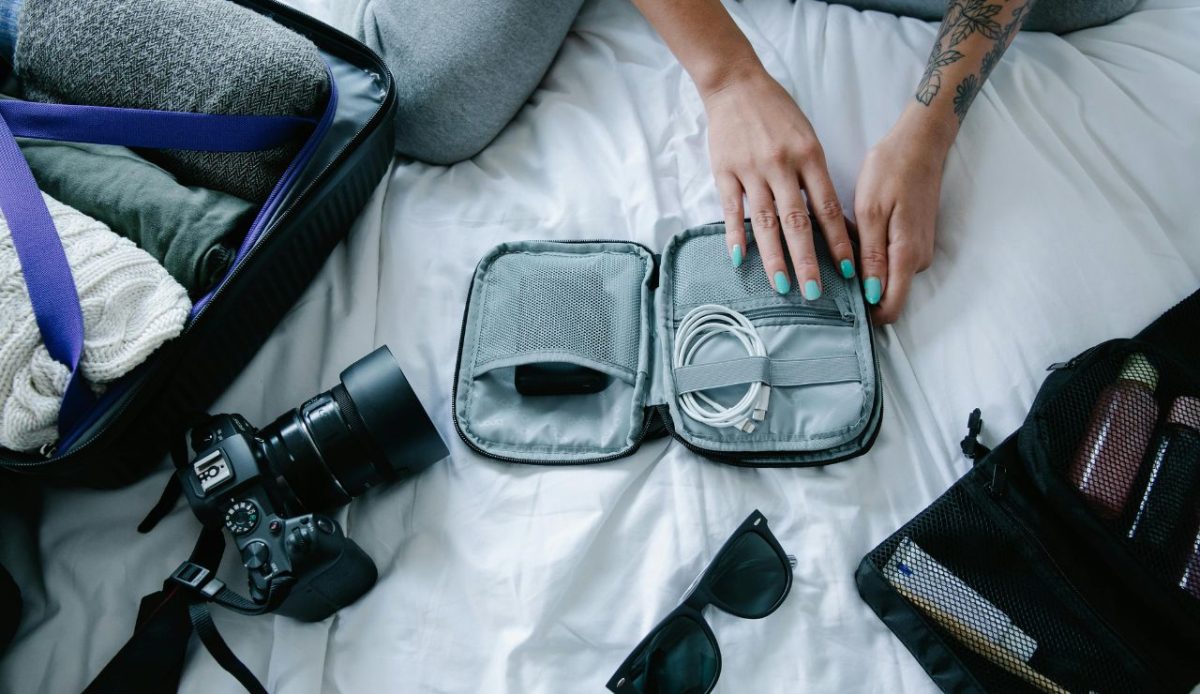
Portable chargers feel like essential travel gear, which is why many people pack them without much thought. The problem is that power banks contain lithium batteries, and those batteries are generally expected to stay in carry-on baggage rather than in checked suitcases.
Many travelers discover this only when security opens a bag or airline staff ask them to remove the charger before check-in. It is an easy mistake on return trips, when cables and electronics get tossed into luggage in a hurry.
What makes this surprising is that the item is not unusual at all. A power bank looks harmless, yet battery fire risk changes how it must travel, turning a basic charging device into one of the most misunderstood packing items.
4. Vapes and E-Cigarettes Follow Battery Rules Too
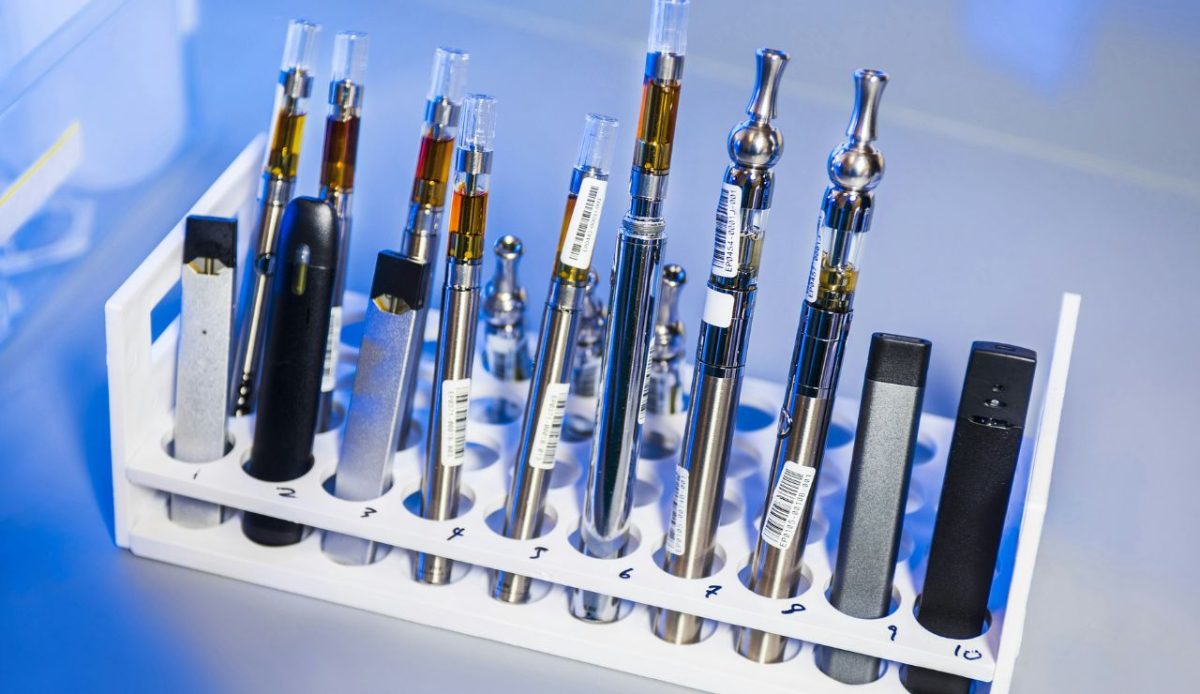
Vapes and e-cigarettes often confuse travelers because people think of them as personal accessories, not as restricted battery devices. In practice, airport and airline rules often treat them more like electronics with safety concerns than like simple pocket items.
The main issue is usually the built-in lithium battery and the possibility of accidental activation or overheating. That is why these devices are commonly expected in carry-on baggage instead of checked luggage, even when the traveler does not plan to use them.
Passengers get caught out when they throw a vape into a suitcase the same way they would pack toiletries. It feels routine, but security sees a powered device with fire risk, and that difference creates the surprise.
5. Large Powders May Be Flagged Even When They Are Allowed

Powders are one of those airport categories that confuse people because they are often allowed. Protein powder, baby formula, spices, makeup powder, and supplements may be acceptable to carry, but larger quantities can still lead to extra screening.
The surprise is that permission does not always mean speed. A traveler may pack a big tub or an unlabeled pouch, assume it is fine, and still get pulled aside while officers inspect the container more closely or test it separately before clearing the bag.
This is why powders slow people down, even when they are not prohibited. Security officers need to identify what they are seeing clearly on the scanner, and bulky or poorly labeled containers can make the process slower than expected.
6. Alcohol Rules Change With Strength and Packing Method
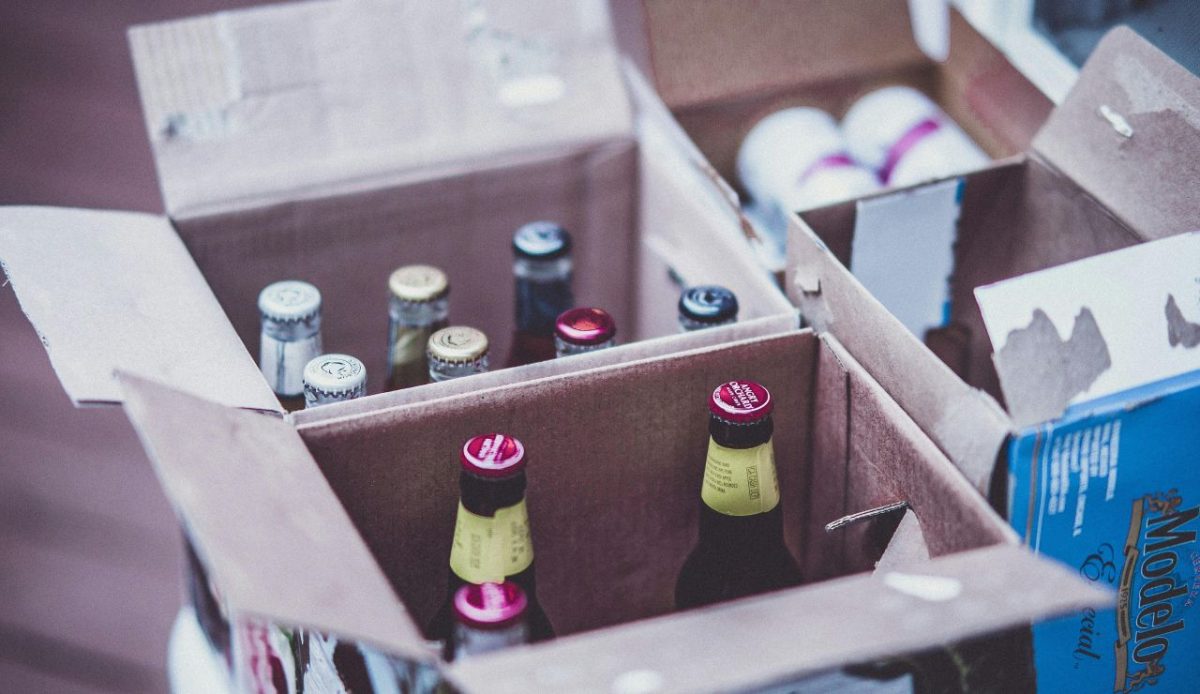
Alcohol seems straightforward because it is sold in airports, served on planes, and commonly packed as a gift. The catch is that rules can vary depending on whether the alcohol is in carry-on or checked baggage, how much is being carried, and how strong it is.
That means a miniature bottle, a duty-free purchase, and a high-proof spirit are not always treated the same way. Some passengers assume sealed equals permitted, only to learn that the alcohol percentage can change what is allowed.
This becomes a surprise during international travel, where shoppers often make quick purchases between flights. An item that feels like a normal souvenir can cross into restricted territory once its volume, proof, or baggage location is taken into account.
7. Tools, Blades, and Sports Gear Are Judged by Details
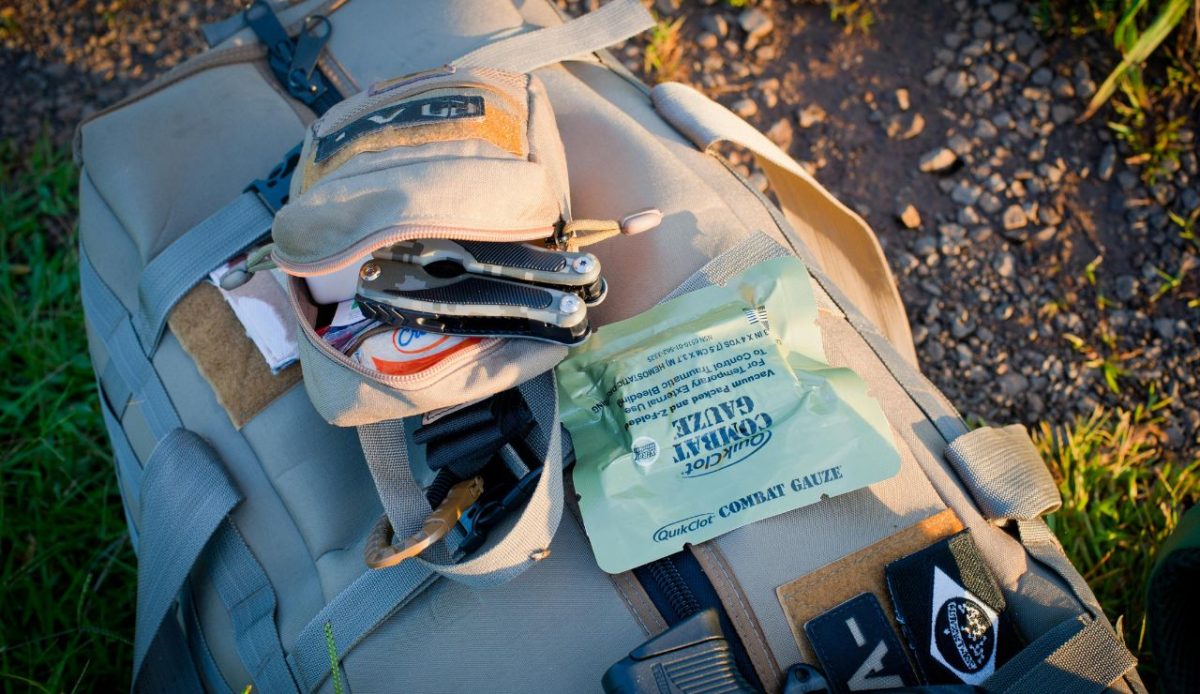
Many airport surprises come from useful objects that seem too ordinary to matter. Small screwdrivers, multi-tools, pocket knives, corkscrews, hiking poles, tent stakes, and some sports accessories are often packed for convenience, especially on active trips.
The issue is that security looks closely at specific features rather than the traveler’s purpose. One pointed edge, folding blade, sharp attachment, or rigid metal part can move an item from everyday gear into a category that needs to be surrendered or checked.
That is why passengers are often shocked by what gets flagged. The object may feel practical in daily life, but airport screening is built around use and physical design, which means small details matter far more than expected.
8. Rules Can Change by Airport, Country, and Return Flight
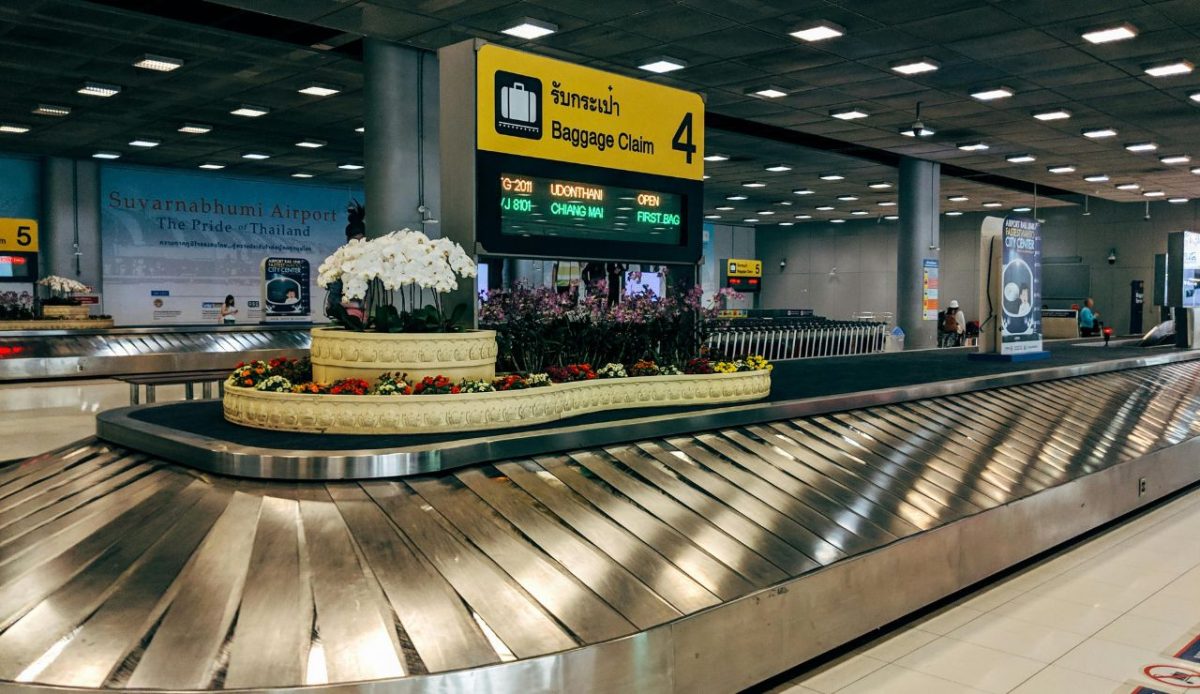
One of the biggest mistakes travelers make is assuming that one smooth airport experience guarantees the next will be identical. In reality, screening procedures can differ by airport, country, and by the technology installed at a terminal.
A traveler might leave one airport without removing liquids or electronics, then face the older process on the return journey. This is confusing now that some airports have relaxed liquid procedures while many others still apply stricter limits.
The result is a false sense of certainty. People pack based on what worked once, not on what applies to the next checkpoint, and that is often where the final surprise happens. The safest habit is checking the exact departure and return rules each time.
