
Air quality affects travelers more than many expect, especially during long visits or outdoor activities. Some cities face steady pollution from vehicles, industry, and weather patterns that keep particle levels high throughout the year. Travelers who stay in these places often notice irritation in the eyes or throat during busy hours, while people with breathing issues may feel pressure even during short stays. Knowing which cities face long-term pollution helps visitors plan indoor breaks, choose the right season, or limit time near heavy traffic. These locations highlight the need for steady awareness while exploring urban regions.
1. Delhi, India
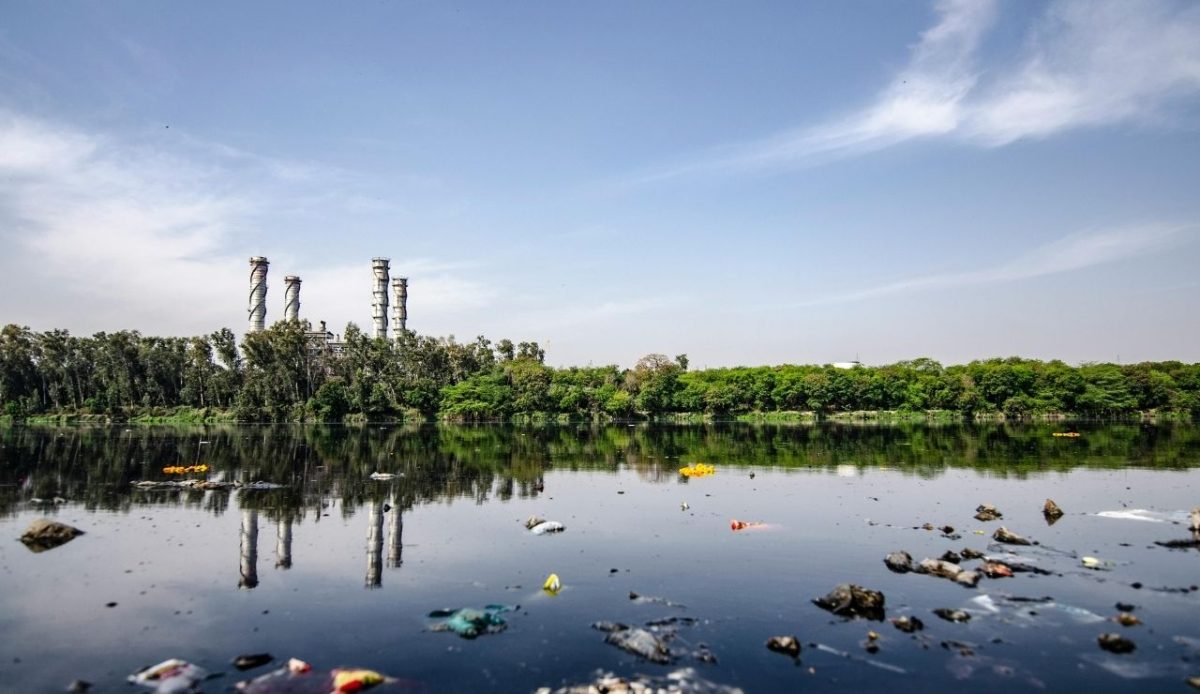
Delhi reaches some of the world’s highest yearly pollution levels because of traffic, construction dust, and winter smoke from nearby regions. The city’s size and steady movement of people create conditions that trap particles for long periods, especially during cooler months when winds weaken. Travelers often notice reduced visibility and heavy air near busy roads throughout the day. Some neighborhoods experience short improvements after rain, yet the overall air remains challenging most of the year. Visitors who plan outdoor activities may need to adjust schedules around daily readings to avoid long exposure.
2. Lahore, Pakistan
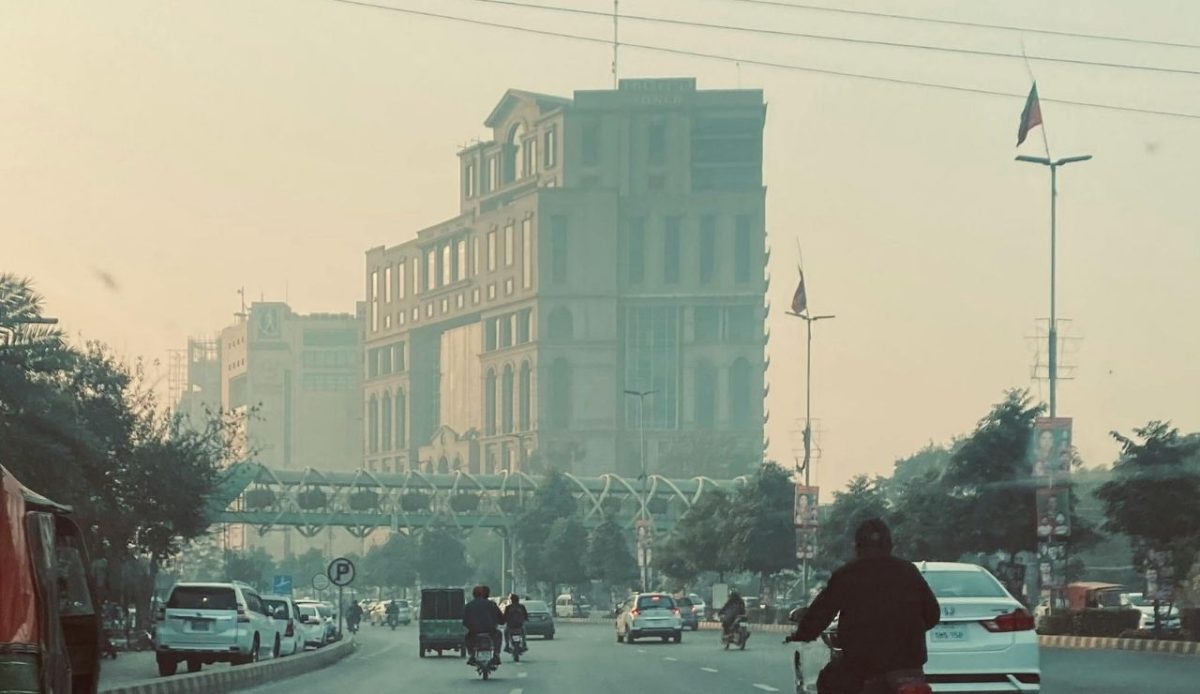
Lahore faces long-term pollution driven by heavy traffic, industry, brick kilns, and calm winter air that keeps smoke close to the ground. The city reports harmful levels during many weeks each year, with winter often bringing the toughest conditions. Travelers may feel the weight of the air on crowded streets where movement slows, and dust rises easily. Small shifts in weather can bring brief relief, yet overall conditions remain difficult for extended outdoor plans. People visiting Lahore benefit from monitoring local readings and selecting indoor locations when particle levels climb during peak times.
3. Dhaka, Bangladesh
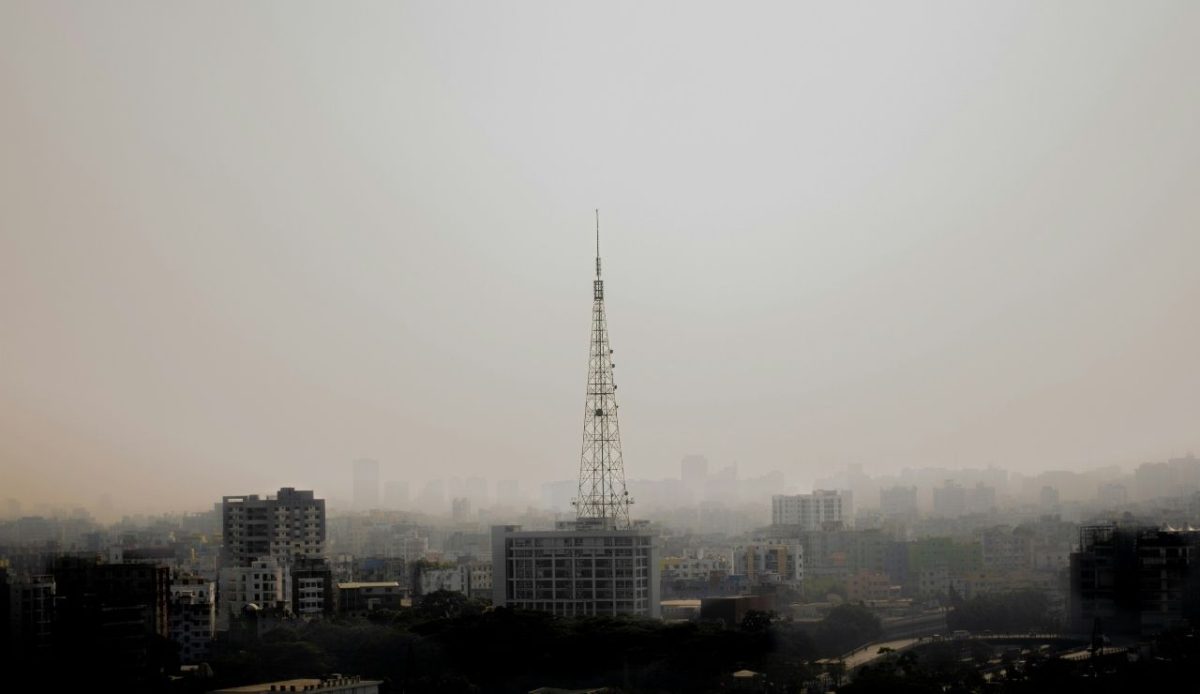
Dhaka’s growing population and nonstop construction push particle levels higher year after year. Brick kilns scattered around the outskirts contribute steadily to poor readings, and wind patterns often carry dust directly into the city. Narrow streets concentrate exhaust from vehicles, making some zones harder on visitors during peak hours. Travelers may sense irritation after short walks near crowded markets or transport hubs. Occasional rain clears the air for a moment, yet long-term averages stay high. People spending several days in Dhaka often plan indoor breaks during heavy traffic periods to lessen discomfort.
4. Karachi, Pakistan
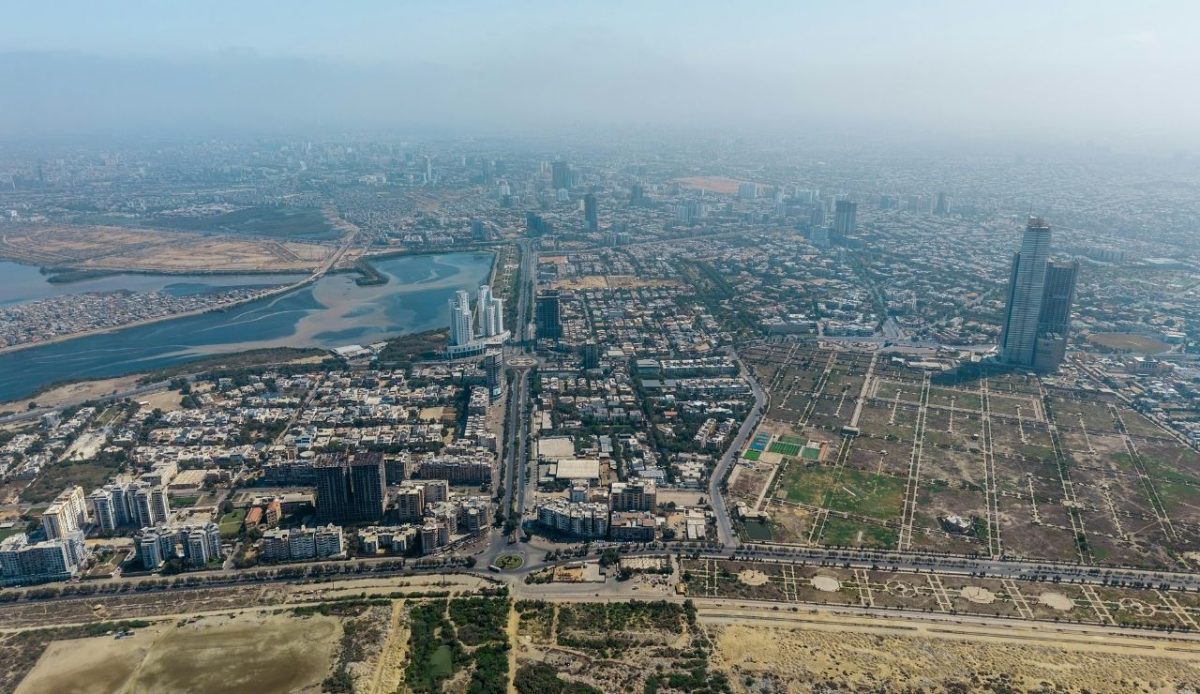
Karachi deals with long-term pollution from traffic, port activity, and industrial zones spread across its wide urban stretch. Humid air along the coast sometimes reduces visibility, keeping particles close to ground level throughout the day. Travelers may feel pressure when moving through dense areas where exhaust builds up quickly. Occasional sea breezes help but rarely improve conditions for long periods. Visitors exploring outdoor sites often manage time carefully by avoiding the busiest hours when traffic backs up across major routes. Staying aware of daily forecasts helps reduce exposure during peak pollution moments.
5. Kolkata, India
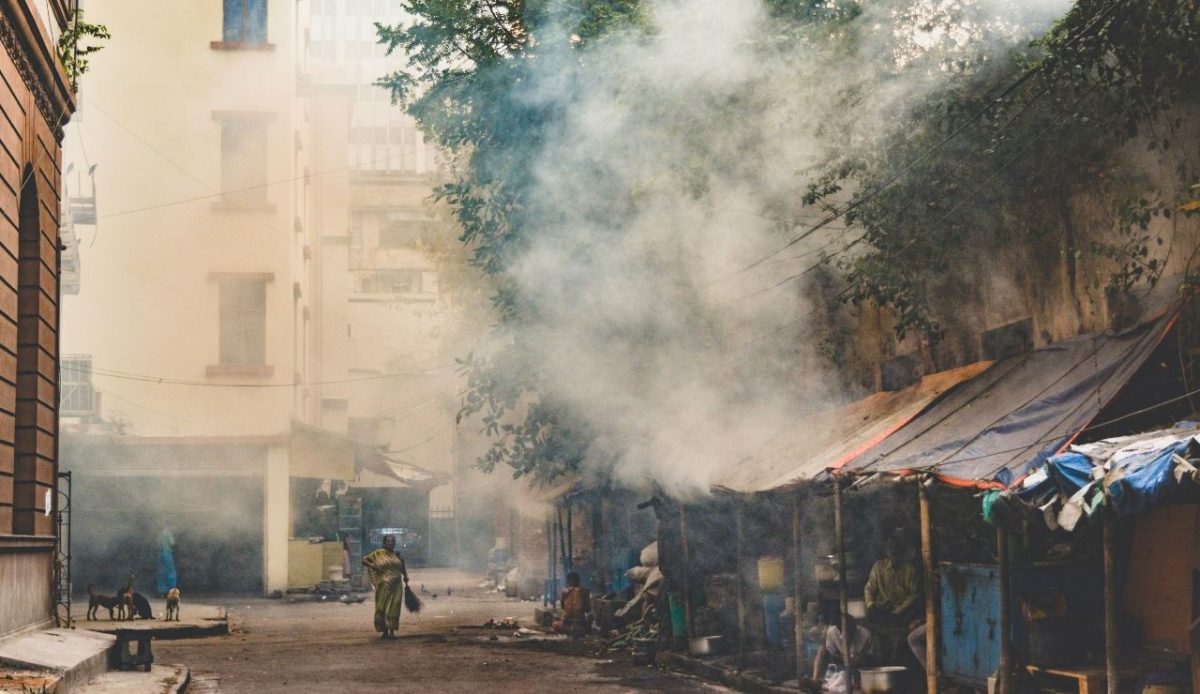
Kolkata’s long-term pollution comes from diesel engines, construction dust, and solid fuel burning in surrounding areas. The city’s older street layout concentrates emissions in tight corridors that remain busy from early morning until late evening. Travelers often notice irritation after extended time outdoors, especially during winter when cooler air slows dispersal. Periodic signals of improvement appear after storms, yet the general trend remains challenging for outdoor sightseeing. Visitors benefit from choosing early morning or post-rain hours for longer walks while planning indoor breaks during high traffic periods to limit discomfort.
6. Hotan, China
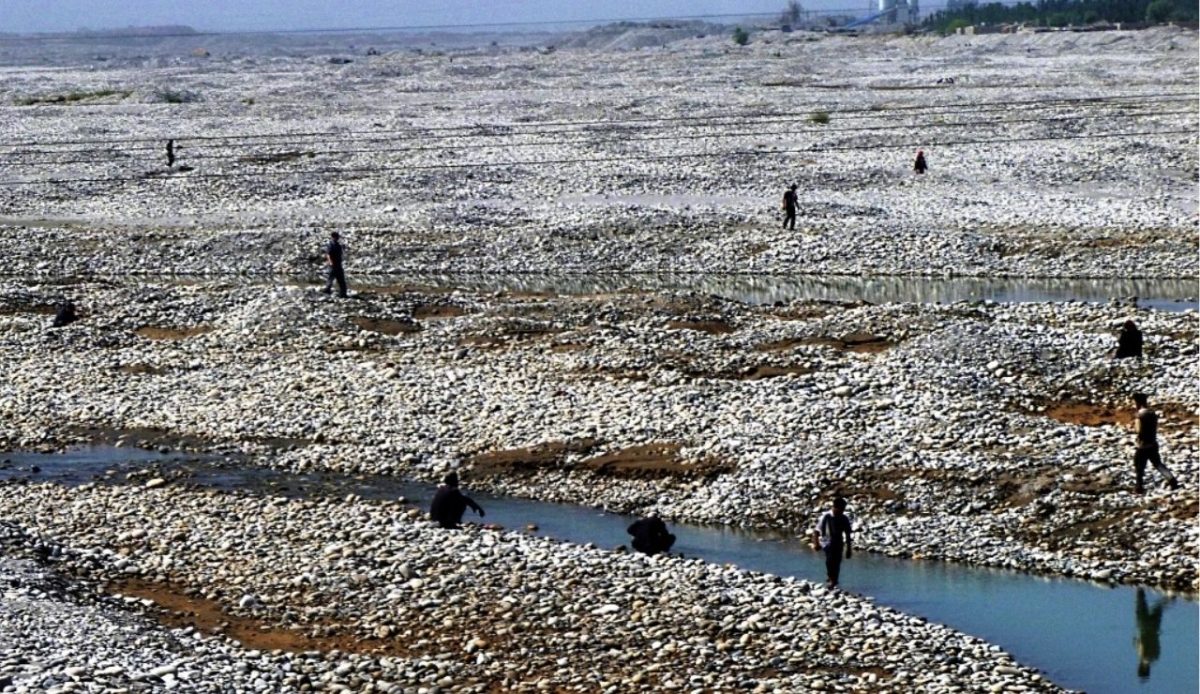
Hotan experiences long-term pollution driven by frequent dust movement from nearby desert regions, along with local industry. Winds often push fine particles across the city, creating a steady haze that lingers even during warmer months. Travelers may find outdoor visibility reduced for extended periods, especially when dry conditions increase dust movement. Short improvements appear after rainfall, though they rarely last. People visiting Hotan often limit time outdoors during peak hours and rely on indoor activities when airborne dust becomes heavier. These patterns make Hotan one of the most challenging destinations for travelers sensitive to air conditions.
7. Faisalabad, Pakistan
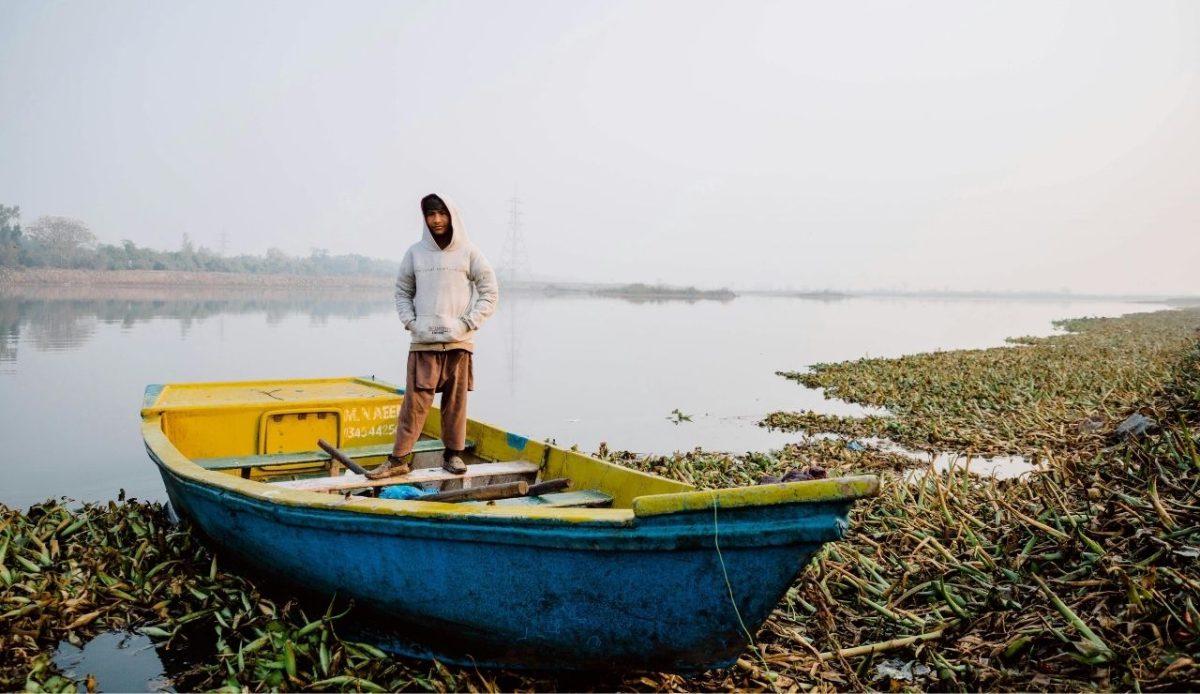
Faisalabad faces persistent pollution linked to textile production, vehicle movement, and small industrial sites that operate throughout the year. Calm winter air often traps particles close to street level, making long walks uncomfortable for visitors unfamiliar with thick urban haze. The city’s commercial areas remain active from dawn to night, which keeps emissions steady across busy corridors. Travelers may notice irritation after extended time outside, particularly during cool months when dispersion slows. Planning indoor pauses during high traffic periods helps reduce strain, and selecting early morning visits for outdoor areas provides slightly easier conditions.
8. Bhiwadi, India
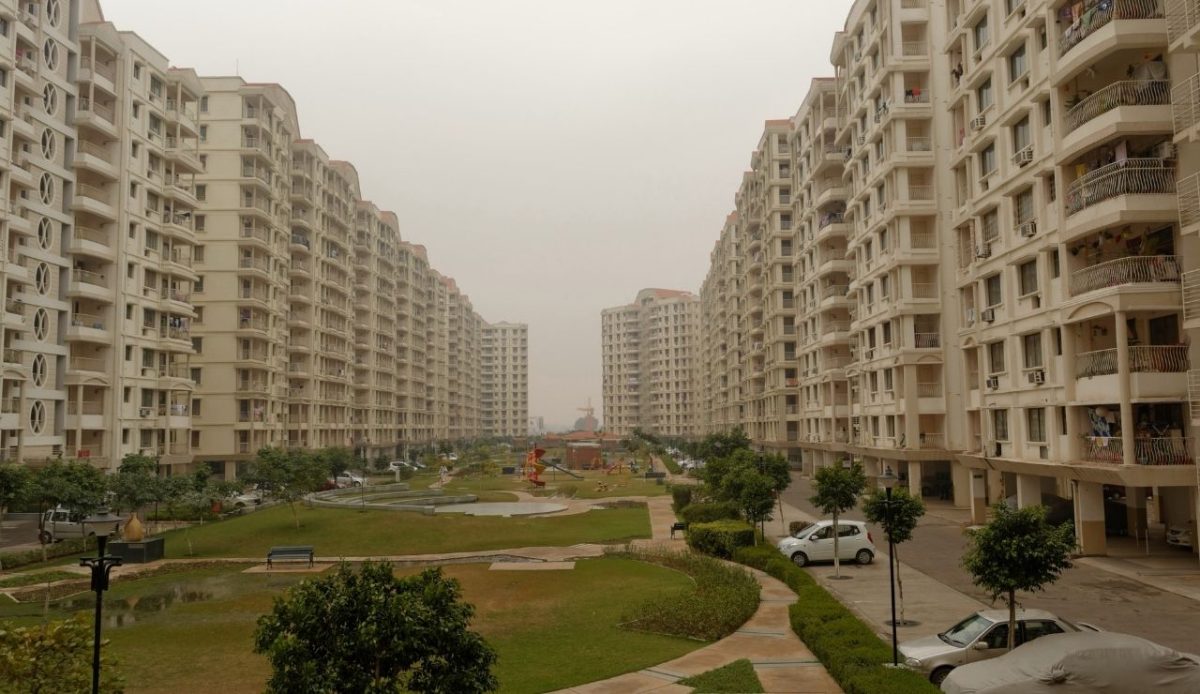
Bhiwadi ranks high in long-term pollution due to industrial activity and steady output from nearby manufacturing zones. Traffic along surrounding highways adds more particles to the air, creating a blanket that often stays in place throughout the day. Travelers may sense heaviness in the air soon after arrival, especially during winter when cooler temperatures limit the movement of dust and smoke. Short rain showers help briefly, yet conditions return quickly to their earlier state. Visitors planning time outside often move activities to early hours when readings dip slightly before industrial work builds momentum.
9. Ghaziabad, India
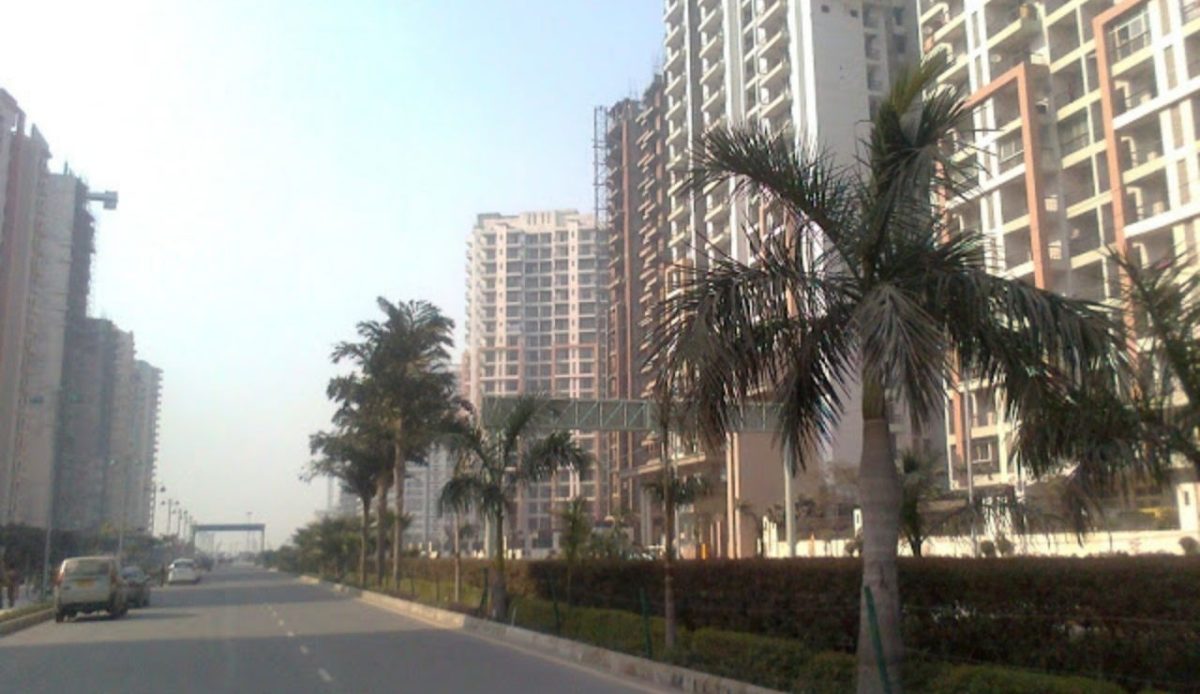
Ghaziabad deals with persistent pollution from construction, industry, and heavy traffic linked to its position near major transport routes. Particle levels climb during winter when air circulation weakens, and the haze spreads across wide residential and commercial zones. Travelers may find busy intersections especially difficult as exhaust collects around narrow roadways. Limited wind movement during peak season makes it hard for the city to clear even after quieter periods. Visitors often manage plans by selecting short outdoor intervals and relying on indoor stops during times when readings rise through the afternoon and early evening.
10. Greater Noida, India
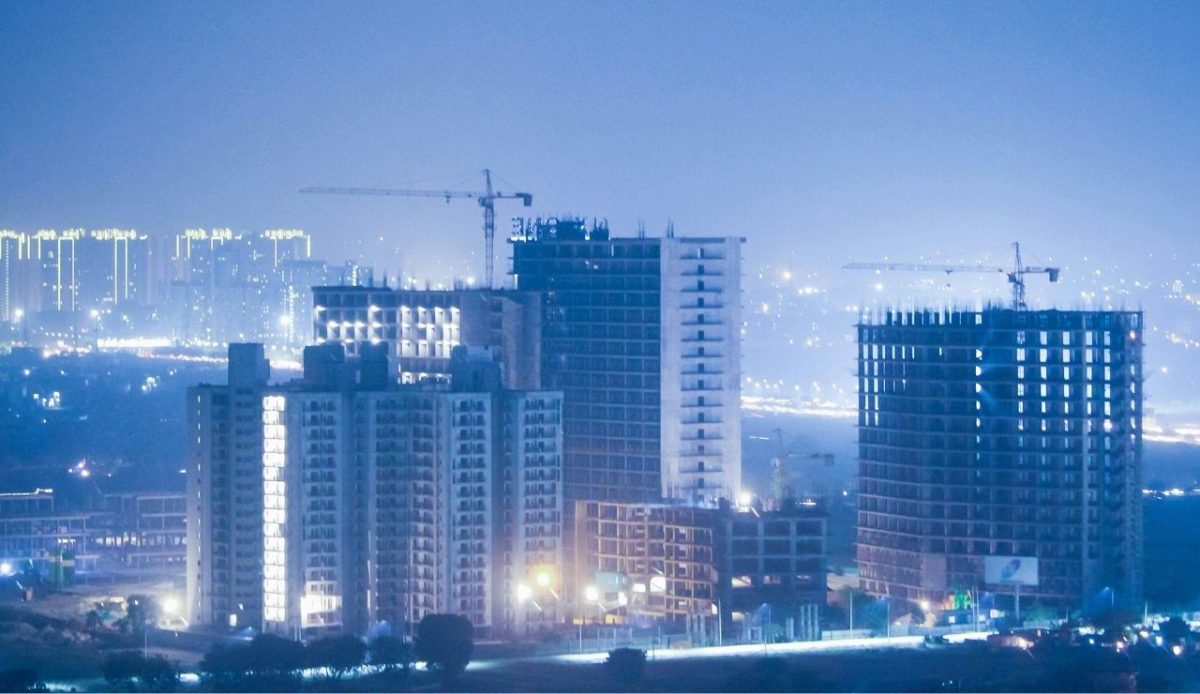
Greater Noida reports long-term pollution shaped by rapid development, constant construction, and strong ties to nearby industrial centers. Calm nights allow particles to settle close to ground level, producing heavy mornings that can surprise first-time visitors. Traffic adds to the buildup as commuters move across major routes connecting the region. Travelers may feel strain after long periods outside during cooler months when dispersion slows. Planning indoor activities during high traffic hours and choosing outdoor breaks shortly after rainfall can offer slight relief, though overall conditions remain demanding for sensitive travelers.
