
Sleep-focused vacations, often called sleep tourism or a “sleepcation”, flip the travel script: the priority is a better night’s rest. Instead of stacking activities, travelers choose quieter stays and schedules built for recovery.
Hotels are leaning in with blackout curtains, calmer lighting, and policies that reduce noise and late-night disruption. Some add guided wind-down routines so guests arrive drained and leave reset.
The rise of sleep travel says something blunt about modern life: many people don’t feel rested at home. When sleep becomes the goal, comfort and low-friction days start to matter more than a packed itinerary.
Why sleep is becoming the main reason to travel
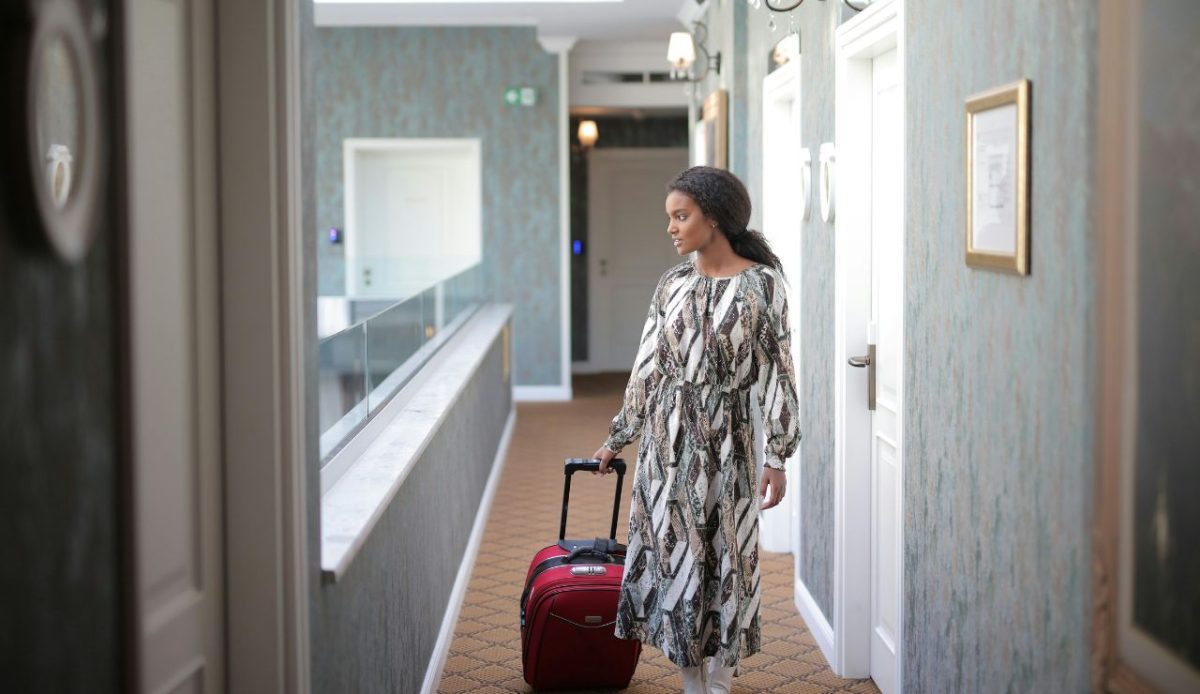
Sleep tourism is an extension of wellness travel that treats rest as something you can plan for, not just hope for. Many travelers arrive already depleted from commutes, screens, and irregular work hours.
Instead of “doing it all,” they pay for the opposite: fewer alarms, fewer reservations, and fewer decisions. On short breaks, one truly restorative night can feel more valuable than another rushed checklist.
Hotels have noticed that sleep quality drives reviews and repeat stays, so the bed and the room environment are becoming center stage. Quiet time, not just location, is increasingly part of the product.
How hotels are redesigning rooms around rest
A sleep-focused stay usually starts with the room, not the spa. Travelers look for real darkness at night, less hallway noise, and temperature control that doesn’t fight their body clock.
That’s why blackout curtains, better door seals, and simple dimmable lighting show up in sleep packages. Some properties add pillow choices, white-noise options, and strict “do not disturb” practices.
Small design choices matter when you’re away from home: fewer blinking devices, less light leakage, and clear rules around late-night noise. The goal is removing common hotel triggers that leave people awake at 2 a.m.
The “sleep menu” replacing the old wellness checklist

Sleep vacations show a shift from “wellness as luxury” to “wellness as structure.” Guests aren’t only buying a nice mattress; they’re buying help sticking to routines that are hard to keep at home.
Offerings can include guided wind-down sessions, breathwork or meditation audio, and earlier dining options. Some stays add late checkout, fewer housekeeping interruptions, or quiet hours so the schedule supports sleep.
There’s usually a behavior piece too: timing caffeine, avoiding heavy late meals, and keeping a predictable pre-sleep ritual. Done well, it’s not a strict program, just travel designed around recovery.
How tech is turning sleep into a trackable travel outcome
Technology is fueling the trend, but not in a “more screens” way. Some hotels use smart mattresses, cooling systems, and lighting that shifts to warmer tones at night.
Guests may be offered sleep tracking via wearables or room sensors, plus simple tips like lowering the temperature or reducing late-night disturbances. For travelers who like measurable outcomes, a sleep score can make “rest” feel real.
The catch is that tracking isn’t a medical diagnosis, and accuracy varies by device and person. Privacy matters too, so the best programs are clear about what’s collected and keep the tech in the background.
What sleep vacations reveal about modern travel priorities
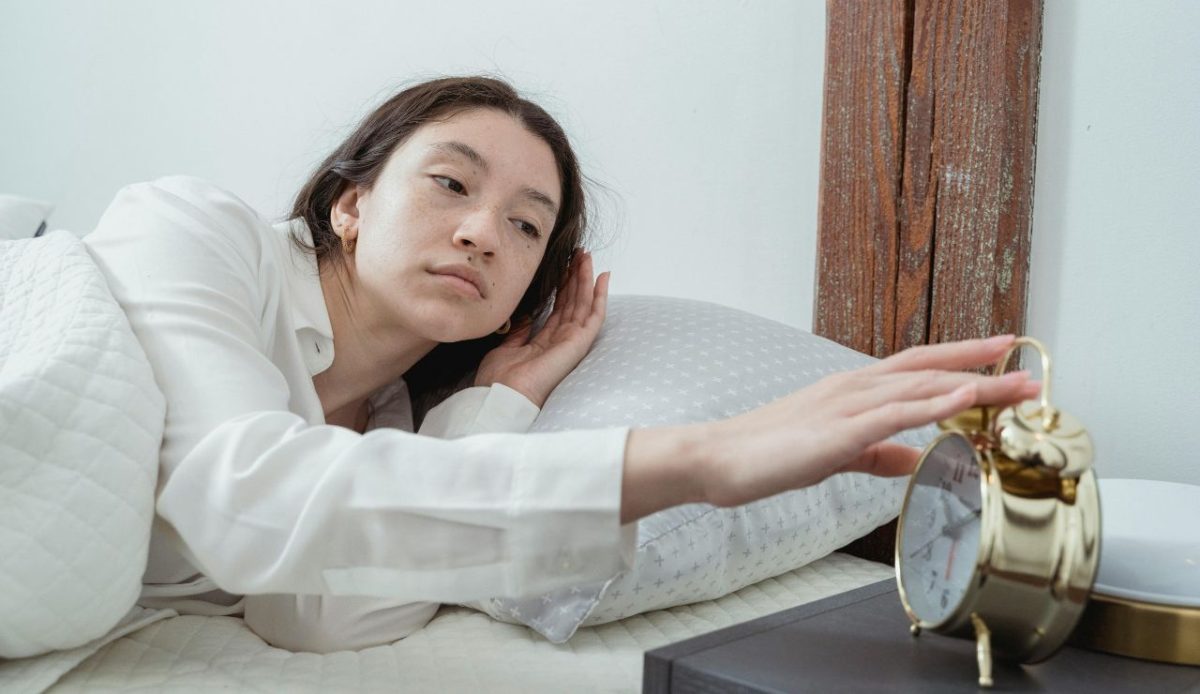
Sleep-focused trips hint at a change in what travel is “for.” For many people, the scarcest thing isn’t miles, it’s recovery time. A getaway that delivers real rest can feel more useful than a whirlwind tour.
It also reflects modern overload: constant notifications, crowded attractions, and pressure to document everything. Choosing quiet, controlled environments is a way to step back without making it a big statement.
A sleepcation won’t erase chronic sleep debt if daily life stays chaotic, but it can reset habits. The takeaway is simple: plan fewer obligations, protect nighttime routines, and treat rest as part of the itinerary, near or far.
