
The Hamptons has long been shorthand for an expensive summer, but the latest price surge is changing the trip in practical ways. Strong real estate demand, tight seasonal supply, and higher everyday costs are making accommodation, parking, dining, and planning tougher.
Recent market reports show home prices reaching new highs while rental expectations remain elevated. That pressure does not stay in sales data. It affects rental pricing, summer menus, and how quickly lower-cost options disappear.
For travelers, the beach escape is still possible, but it now rewards earlier booking, tighter budgeting, and more flexible plans.
How the property boom reaches beyond home sales
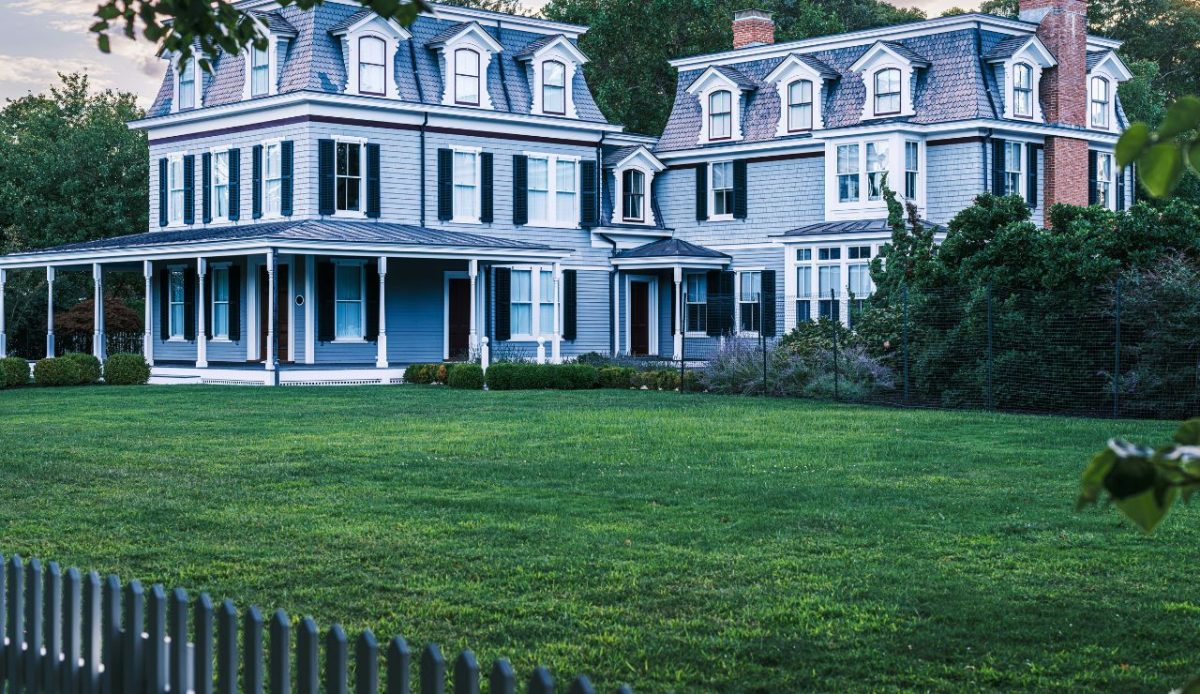
Price growth in the Hamptons is no longer limited to real estate headlines. Rising home values are influencing the wider summer visitor economy, shaping rental prices, dining costs, and access to popular beaches across the region.
Housing reports continue to show strong demand and high property values in several Hamptons communities. As ownership costs increase through taxes, maintenance, and financing, many property owners adjust seasonal rental prices.
These higher costs gradually affect visitors. Short-term stays, peak summer weekends, and services across the South Fork often become more expensive during the busiest travel months.
Why summer accommodation feels tighter than before
Summer lodging is where travelers usually feel the boom first. Realtor.com recently reported that entry summer rentals can run roughly $35,000 to $60,000 for the season, while renovated midrange homes often cost much more, especially from July through Labor Day.
Short-stay options still exist, but flexibility usually comes with a high nightly rate in popular villages. Even modest properties can become expensive when demand compresses into a few prime weeks.
That shift matters for visitors who once counted on last-minute bargains. In the Hamptons, waiting can now mean fewer choices or paying luxury prices for a standard setup.
Transport and beach access now need more planning

The price boom also changes how people move around once they arrive. Beach access is not simply a matter of finding sand and parking.
East Hampton Village lists its 2026 non-resident seasonal beach permit at $750, with limited availability, while Southampton’s permit rules and fees vary by category. For visitors, that means transport planning has become part of the vacation budget, not an afterthought.
Travelers staying outside the most in-demand areas may save on lodging, but they can lose time and money through parking limits, traffic, permit restrictions, and the extra driving that comes with chasing access.
Daily costs add up faster on a peak-season trip
Dining, groceries, and casual spending also rise when a destination becomes more exclusive. In resort areas shaped by luxury demand, restaurants, prepared foods, ride services, and event pricing tend to follow the market upward during peak weeks.
Travelers may not notice a single dramatic charge, but the total cost of a long weekend climbs fast once meals, coffee stops, tips, and convenience purchases are added together. That is where many budgets get stretched.
The Hamptons still offers public beaches, smaller hamlets, and lower-key stops, yet value now depends more on timing than on luck. Midweek trips and simpler itineraries usually help.
What summer travelers should do differently now?

For summer travelers, the main takeaway is not to avoid the Hamptons but to approach it differently. The destination still delivers beaches, village centers, farm stands, and an easy getaway feel from New York City.
What has changed is the margin for casual planning. High property values and premium seasonal demand have made the market less forgiving for late bookers and budget-first visitors, especially on peak summer weekends.
Travelers who compare hotels, reserve early, and separate must-haves from extras can still make the trip work. In this market, strategy now matters almost as much as scenery, and flexibility has real cash value.
