
Weather forecasts are usually useful, but some destinations have a habit of making them look overly confident. Coastal fog, mountain exposure, ocean currents, and fast-changing local conditions can turn a promising forecast into something that only applies for a very short stretch of time. That is why certain places reward caution more than certainty.
This list looks at destinations where “clear skies” can be technically true and still prove misleading by midday. In some, fog moves in from the coast. In others, altitude, rain bands, or shifting winds can change visibility and temperature quickly.
They are not unreliable places to visit. They are simply places where the weather often moves faster than a traveler’s assumptions.
1. Bergen, Norway
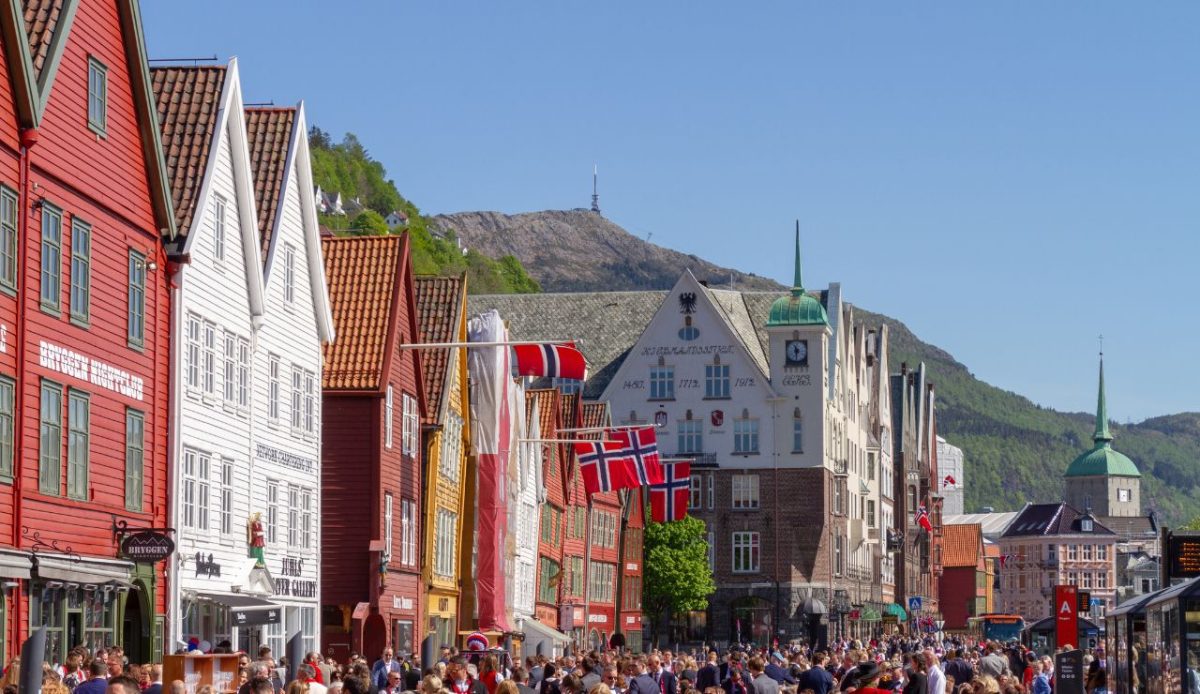
Bergen has a long-standing reputation for weather that rarely settles into one mood for very long. Visit Bergen notes that spring can swing from only a few degrees to around 15°C, sometimes within the same day, and the city’s own travel guidance recommends packing warm clothing and a shell jacket because conditions in Bergen and Western Norway can change quickly.
That makes a bright morning easy to misread. A stretch of blue sky can suggest a stable day, only for wind and rain to push back in before afternoon plans are underway.
In practice, Bergen is less about constant bad weather than quick reversals. It is exactly the sort of place where a confident forecast summary can age badly in a matter of hours.
2. San Francisco, California

San Francisco is famous for microclimates, and the city’s tourism guidance openly tells visitors to expect them. One neighborhood may feel mild and sunny while another is cooler, windier, and wrapped in fog. The local shorthand for this is “Karl the Fog,” but the larger point is that a regional forecast often misses the block-by-block mood swings.
That is especially true near the western side of the city, where marine air and fog can roll in while other districts stay relatively bright. A clear reading on an app may still leave you underdressed by mid-afternoon.
So yes, the forecast may have said sunshine. San Francisco just prefers to add terms and conditions after you arrive.
3. Lima, Peru
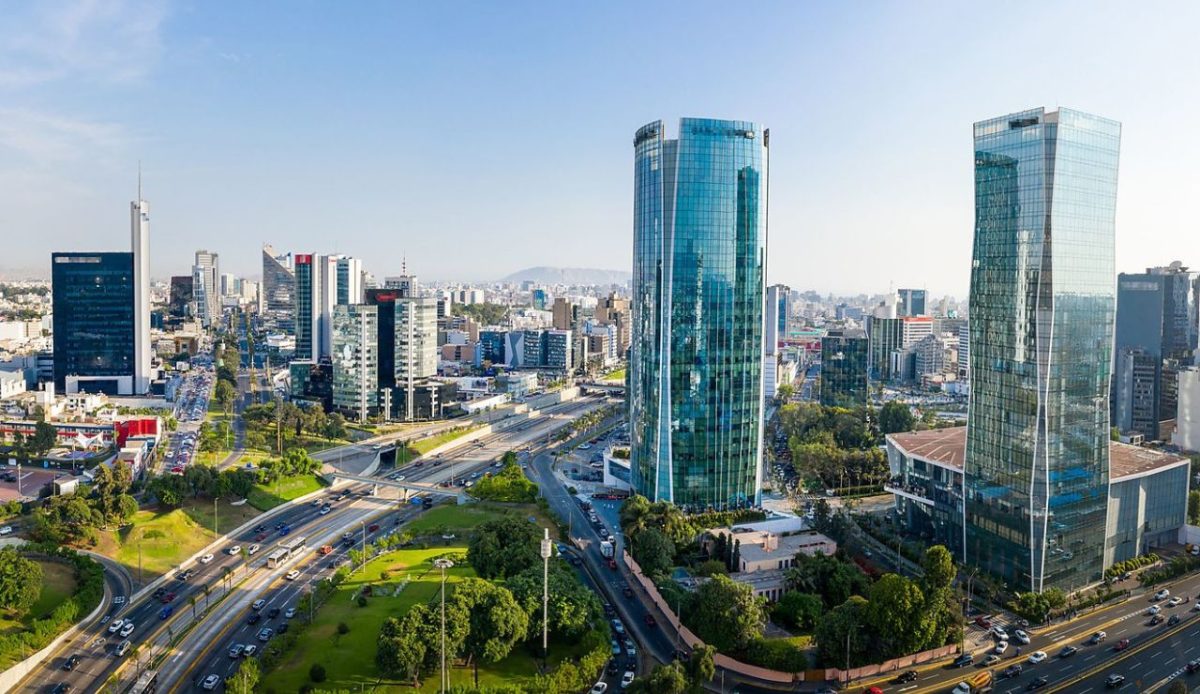
Lima is one of those places that sounds dry on paper but feels much grayer in real life. Britannica notes that the city’s coastal climate is shaped by the cool Peru Current, which helps produce thick cloud cover and the garúa, a dense sea mist that often blankets the city. Rainfall totals stay low, but the air can still feel cool, damp, and muted.
That means travelers can look at the word “desert” and imagine clear, crisp skies when the more likely reality is a soft ceiling of cloud and mist. The forecast may not look dramatic, yet the atmosphere still changes the whole feel of the day.
Lima is a good reminder that a place does not need heavy rain to make a clear-skies promise sound slightly dishonest.
4. Hilo, Hawaii

Hilo sits in one of Hawaiʻi’s wettest climate zones, and the Hawaii Tourism Authority describes it plainly as the wettest city in Hawaii. That rainforest setting helps explain why the weather there can shift so casually. A day may still include sunshine, but showers are never far from the conversation and can arrive without much warning.
The effect is not always dramatic enough to look like a storm story. More often, it is a pattern of stop-and-start rain, damp roads, bright gaps in the cloud, and then another shower passing through.
That is what makes Hilo such a classic forecast trap. You may not be wrong when you say it looks clear, but you probably will not stay right for very long.
5. Milford Sound, New Zealand
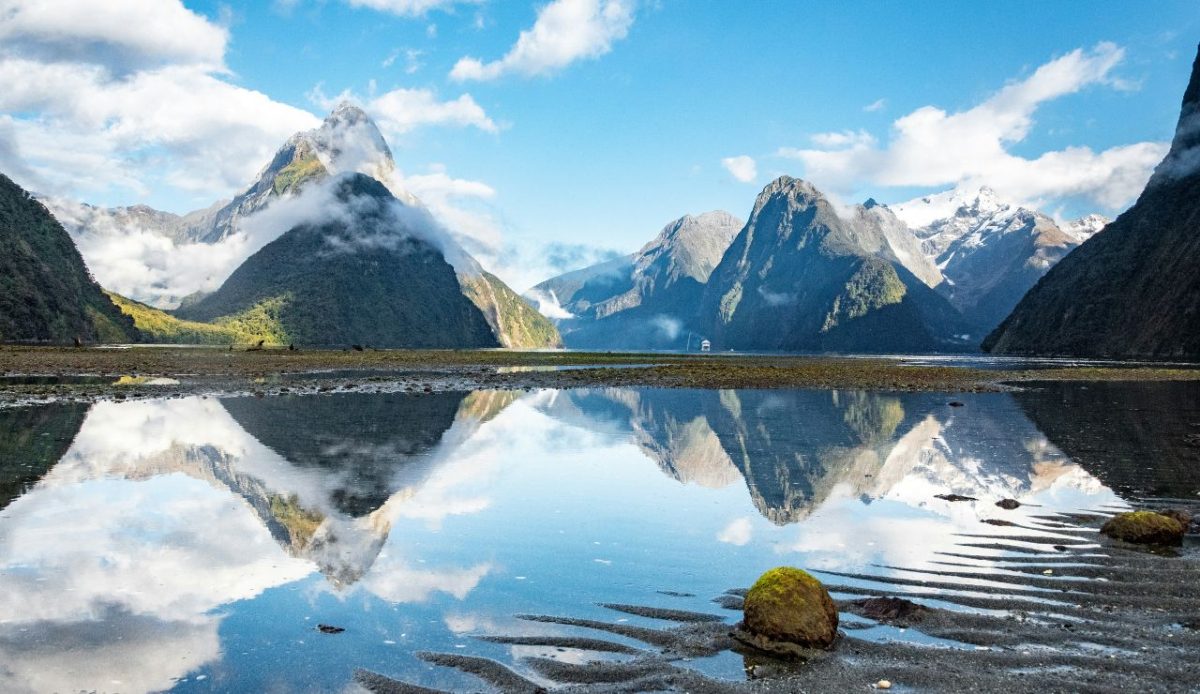
Milford Sound is one of those landscapes where the weather is part of the attraction, not just background information. Government planning documents for Milford Sound Piopiotahi note the area’s exposure to heavy rain, slope instability, and flooding risk, which reflects the broader reality of a fjord environment shaped by very wet conditions and steep terrain.
For visitors, that often translates into a day that feels visually changeable from one hour to the next. Clearer periods can quickly give way to low cloud, rain, or a darker, wetter atmosphere that transforms the cliffs and waterfalls.
That unpredictability is part of Milford Sound’s character. It is beautiful in almost every condition, but it is not a place where a simple weather promise should be made too confidently.
6. Mount Waialeale, Hawaii
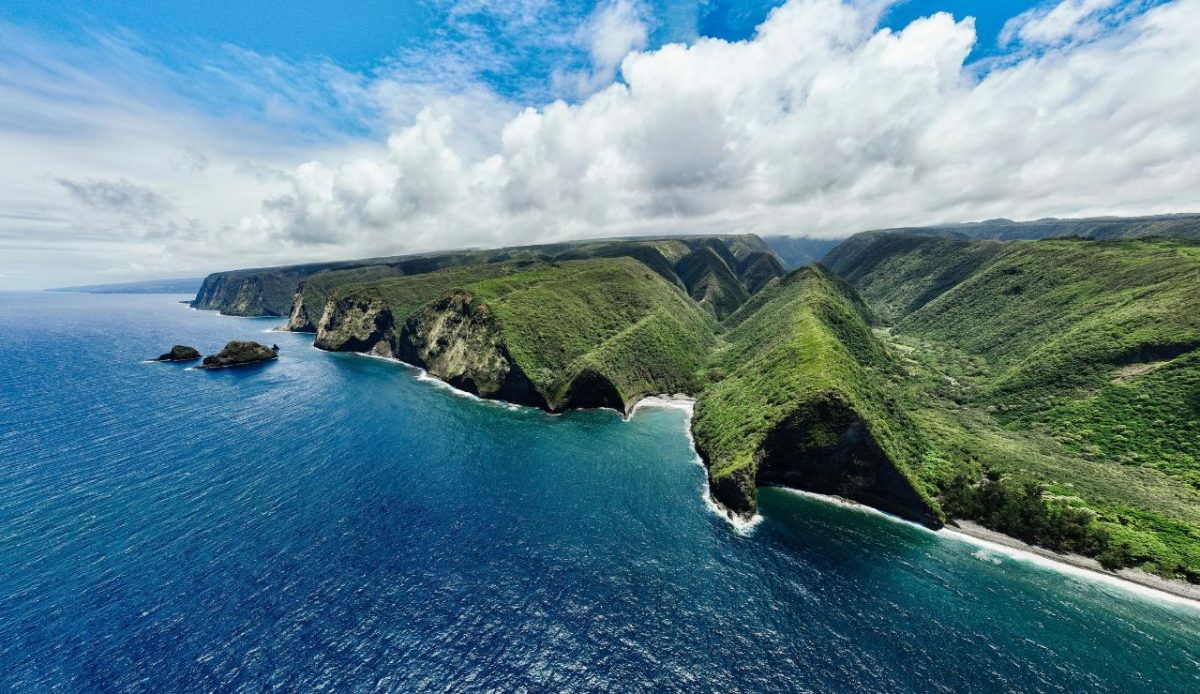
Mount Waialeale on Kauaʻi has one of the strongest rainfall reputations on the planet. Hawaii’s official databook identifies Mount Waialeale as the site of the state’s highest annual rainfall on record, and USGS maintains long-running monitoring at the mountain as part of its water data network. In other words, this is not a place where dryness should ever be treated as the default setting.
Even when nearby areas look manageable, Waialeale’s position relative to trade winds and cloud layers makes it especially prone to persistent moisture. Conditions do not need to become dangerous to become completely different from what a casual forecast watcher expected.
If there is anywhere that makes “clear skies” sound temporary, it is this mountain.
7. Mawsynram and Cherrapunji, India
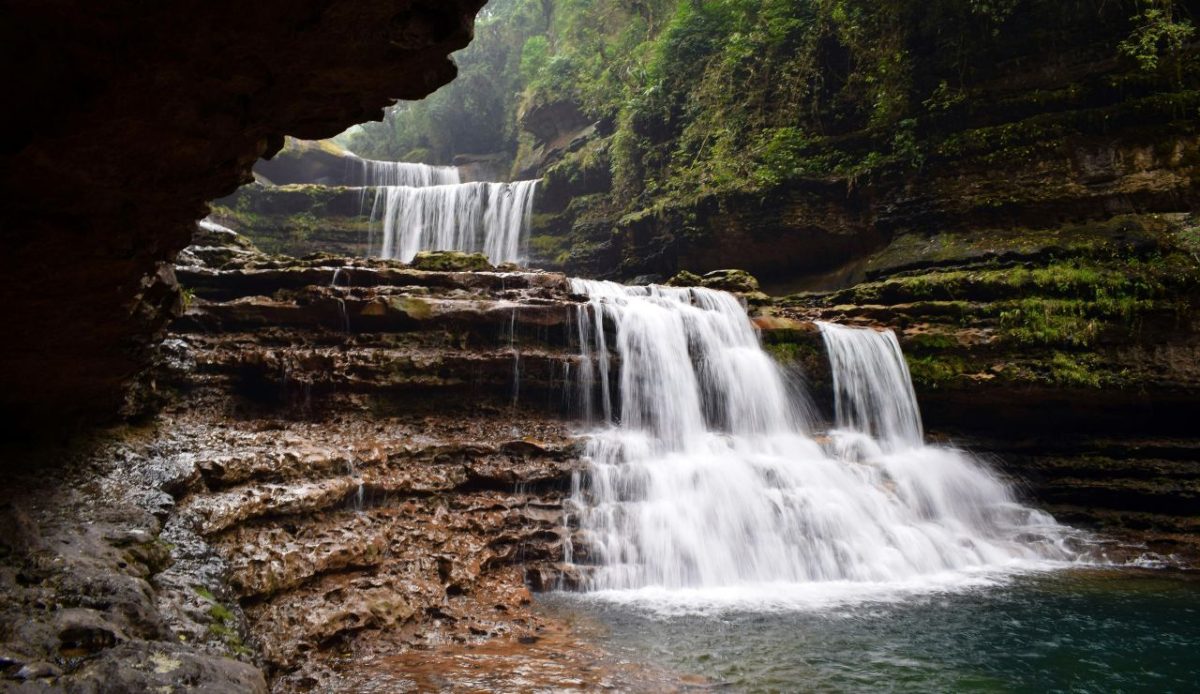
Mawsynram and Cherrapunji in Meghalaya are repeatedly cited among the rainiest places on Earth. Britannica notes that Cherrapunji has one of the world’s highest average annual precipitation totals and holds the record for the highest rainfall in a single year, while Mawsynram’s long-term average has exceeded Cherrapunji’s in recent decades.
That reputation is not just about statistics. It shapes how weather is experienced on the ground. Clouds, downpours, and dramatic moisture shifts are part of the identity of the Khasi Hills, especially during monsoon periods.
In places like these, a break in the clouds feels more notable than the return of rain. That alone tells you how risky it is to make bold promises about a clear day.
8. Crater Lake National Park, Oregon
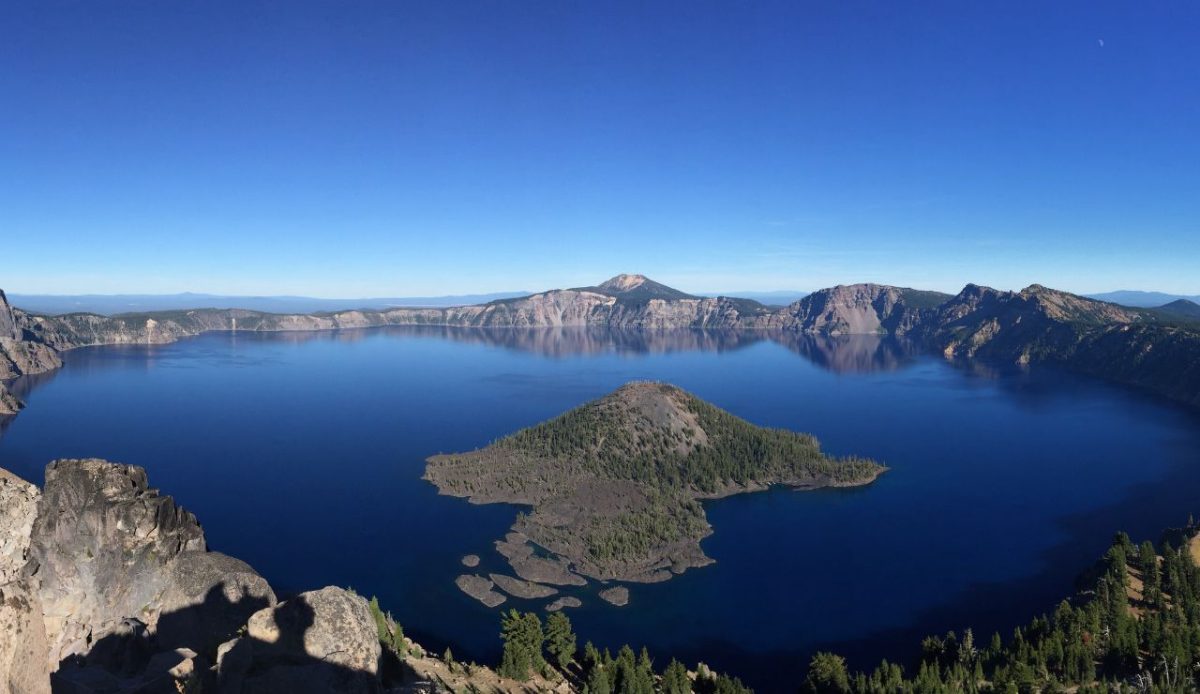
Crater Lake looks calm enough to fool almost anyone. The water is famously still, the rim views are wide, and a sunny morning can make the whole park seem stable. The National Park Service, however, warns that conditions can change quickly and that rain, snow, and wind remain possible depending on elevation and season.
That is the part travelers often underestimate. The lake itself may look serene while the weather around the rim shifts fast enough to change comfort, visibility, and what is practical for the day.
Crater Lake is not chaotic, but it is high enough and exposed enough to punish overconfidence. A clear forecast there should always be read with an asterisk.
9. Great Smoky Mountains National Park, Tennessee and North Carolina
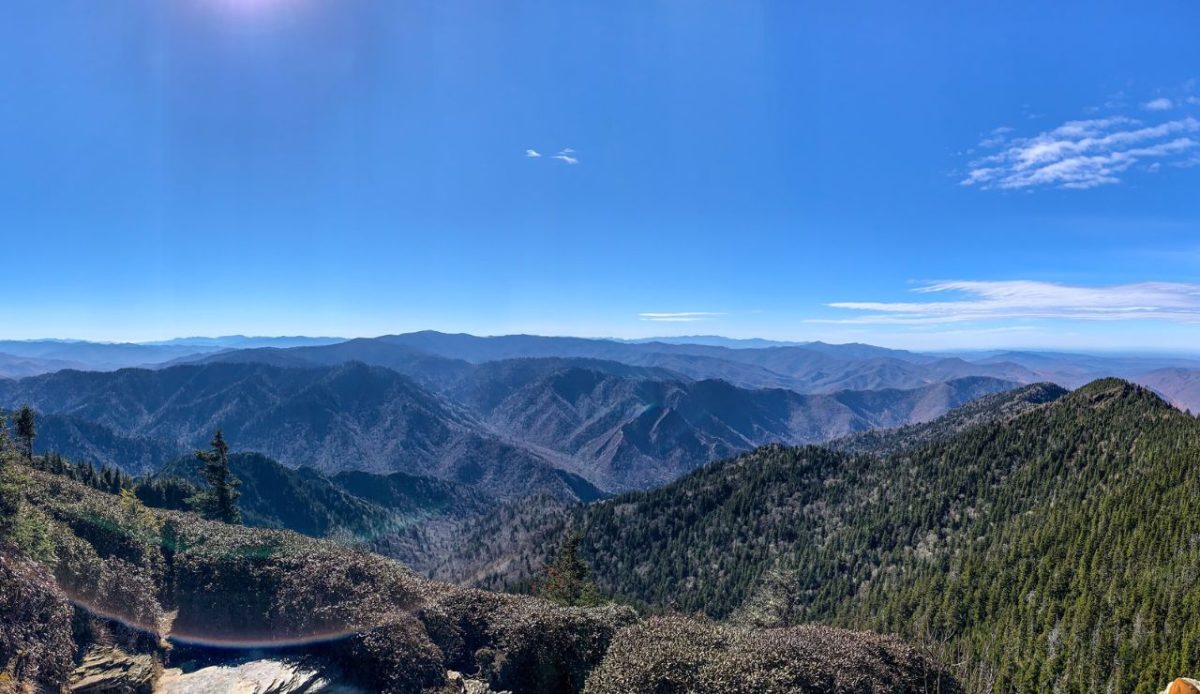
The Great Smoky Mountains are a textbook example of why a single forecast can be misleading in mountain terrain. The National Park Service explains that spring weather is unpredictable and that sunny skies can become snow flurries within hours. It also points out that conditions in lower elevations do not guarantee the same weather higher up.
That split creates the classic travel mistake. Visitors start in pleasant valley conditions, assume the day is settled, and then reach overlooks or ridges where the air is colder, wetter, and far less cooperative.
In a place named for its haze and layered atmosphere, weather rarely behaves like a simple all-day headline. That is why the Smokies make honest forecasters sound like bluffers.
10. The Lake District, England
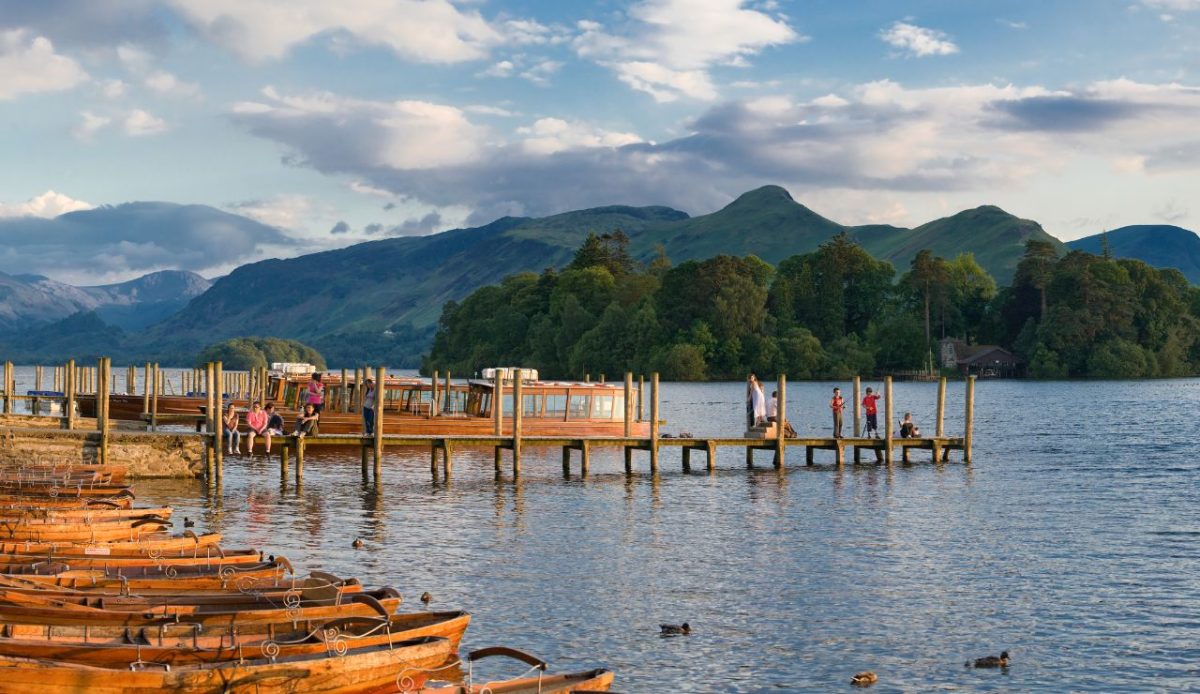
The Lake District is often presented through images of clear water, green fells, and bright walking days, but the region’s real character is more changeable. Mountain and outdoor safety guidance in the UK regularly stresses how quickly conditions can shift in upland areas, and that is a familiar reality for the Lakes, where cloud, rain, and wind can reorganize a route in very little time.
A blue morning by the water can therefore give a false sense of stability. Once walkers move onto higher ground, visibility can close in and temperatures can feel entirely different from what the day first suggested.
That is why the Lake District rewards preparation over confidence. It does not need dramatic storms to make a forecast sound overly optimistic.
