
Cheap travel choices can look smart at the booking stage, when flights, hotels, transport, and meals all compete for the same budget. But a lower upfront price does not always mean better value once the trip begins. In travel, the real cost often shows up later through delays, poor comfort, safety concerns, limited flexibility, or replacement expenses that wipe out the original saving.
That is why the cheapest option does not always win. Some low-cost decisions work well, but others create a false economy where travelers pay less first and far more later in time, stress, or extra fees.
These are the moments when paying a bit more can protect the trip itself and make the experience more practical, reliable, and worthwhile.
1. Flights With Tight or Exhausting Connections
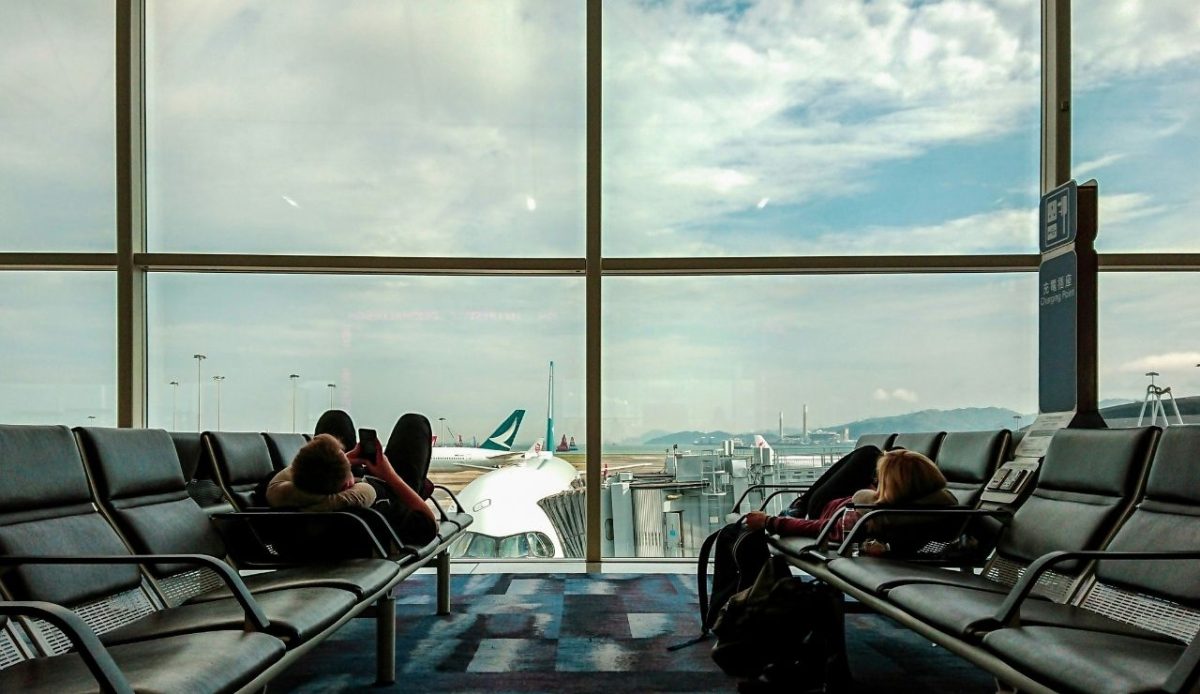
The cheapest flight often comes with the least forgiving schedule. A very short layover may look efficient, but it leaves no room for delayed departures, long walks between gates, immigration lines, or terminal changes. One small disruption can turn a low fare into a missed connection and a recovery.
Very long layovers create a different problem. Hours spent in an airport usually mean added meal costs, less rest, and time lost that could have been spent at the destination. Budget itineraries sometimes save money only by demanding more patience from the traveler.
A slightly pricier route with a realistic connection window often delivers better value because it protects both the schedule and the energy needed for the rest of the trip.
2. Hotels That Sit Too Far From the Action

A cheap room on the edge of a city can seem like an easy win, especially when the nightly rate is much lower than central options. The issue appears later, when every museum visit, dinner reservation, or early tour requires a long commute and more planning than expected.
Transport costs can quickly close the price gap. Repeated taxi rides, train fares, parking charges, or late-night returns all add to the total. Even when public transport is available, the time lost each day can reduce how much a traveler comfortably sees and does.
Paying more for a well-located hotel often improves the trip in practical ways by saving time, cutting daily travel friction, and making spontaneous plans easier to manage.
3. Rooms With Low Rates but Extra Mandatory Fees

The cheapest hotel rate is not always the cheapest stay in the end. Some properties promote a low nightly price, then add resort fees, local charges, parking costs, Wi-Fi fees, or other mandatory extras that increase the total after the booking feels settled.
That kind of pricing also changes the value of the room. A basic deal may exclude breakfast, flexible cancellation, or simple conveniences that are already included at a property with a slightly higher published rate. The cheaper listing can end up offering less while costing nearly the same.
Comparing only the headline price rarely gives a clear picture. The better choice is often the stay with the most transparent total cost, not the lowest number on the search page.
4. Rental Cars With Bare-Minimum Protection

A low rental car rate can be appealing, but the cheapest booking often strips out the protections that matter. Minimal insurance, high excess charges, strict fuel policies, and aggressive damage rules can turn a pickup into a stressful agreement with real financial risk.
That matters in an unfamiliar destination. Different road signs, tight parking spaces, local driving habits, and rural road conditions all increase the chance of small incidents that become expensive when coverage is limited. The original saving can disappear with one scrape, tire issue, or paperwork dispute.
A slightly higher rental with clearer terms and better protection usually buys peace of mind, which is often more useful on a trip than the lowest advertised rate.
5. Overnight Flights That Ruin the First Day

Cheap overnight flights are often sold as a smart way to save both money and time. In reality, many travelers arrive tired, stiff, and badly rested after trying to sleep in an upright seat under bright cabin lights with constant interruptions from announcements, service, and movement.
That fatigue affects more than comfort. It can weaken concentration during transfers, reduce patience in immigration lines, and make the first day at the destination feel wasted. A hotel night may have been saved on paper, but the lost energy often changes how the trip begins.
Choosing a better-timed flight, or paying more for a more manageable schedule, can preserve the first full day and prevent the journey from undermining the destination experience.
6. Airport Transfers That Add More Hassle Than Value
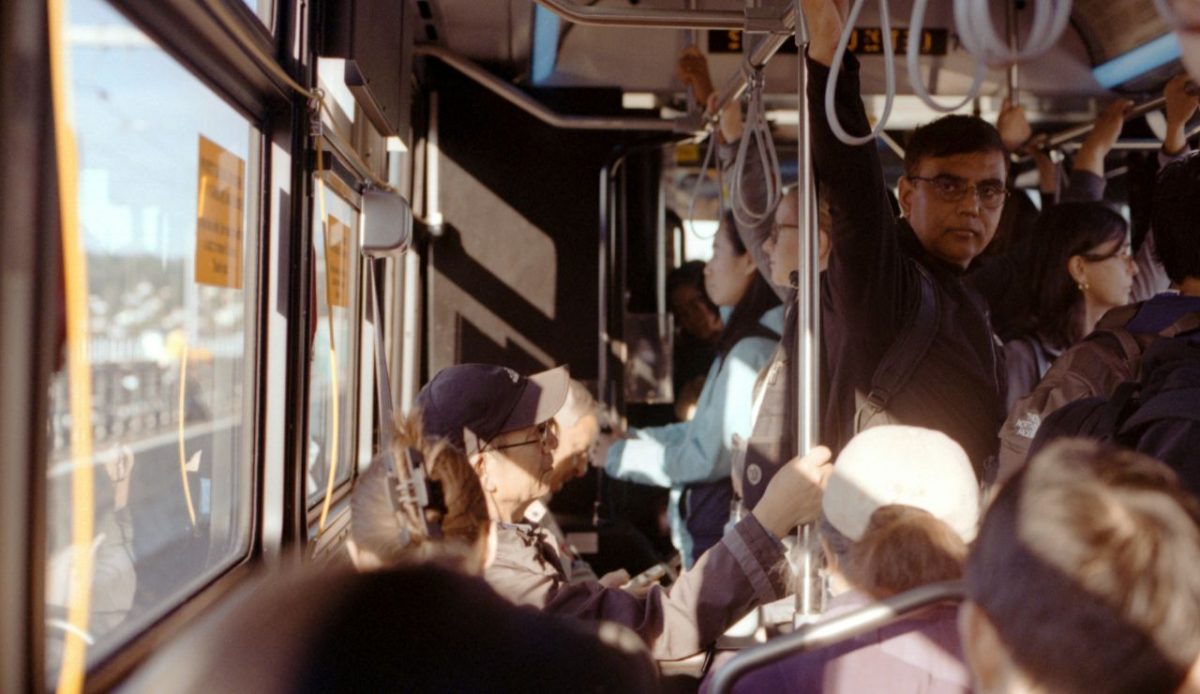
The cheapest airport transfer is not always the most practical way into a city. Budget shuttle services and low-cost buses can involve multiple stops, remote drop-off points, long waits, or limited operating hours that make arrival feel harder than it needs to be.
These trade-offs matter most after a late flight, an early landing, or a long-haul journey with heavy luggage. A cheap transfer may require extra walking, a second ride, or difficult navigation in an unfamiliar place. By the time those steps are added, the money saved may feel minor beside the inconvenience.
Spending more for a direct transfer, a closer drop-off, or a service that matches the arrival time often creates better value by reducing friction at the start of the trip.
7. Travel Gear That Fails Under Real Use

Very cheap suitcases, backpacks, chargers, and travel accessories can look fine before departure, but trips put pressure on gear. Wheels get dragged across rough ground, zippers are forced shut, power adapters stay in use for hours, and walking shoes face long daily distances in changing weather.
When low-cost gear fails, the problem is rarely small. A broken suitcase handle, weak phone charger, or uncomfortable pair of shoes can interrupt plans and force a replacement in a place where prices may be higher and options more limited. The original savings disappear quickly.
Paying more for reliable travel essentials often makes sense because durability matters more on the road, where failure costs time, comfort, and convenience at once.
8. Cheap Meals in High-Traffic Tourist Areas

The cheapest meal is not always the best value, especially in heavily visited areas where low prices are used to pull travelers into rushed, low-quality dining rooms. A budget menu in a tourist zone can lead to small portions, weak ingredients, and food that feels forgettable rather than local.
That matters because meals shape the rhythm of a trip. A poor lunch can leave travelers hungry again too soon, while a disappointing dinner can waste a chance to experience regional cooking in a meaningful way. Saving a little money may cost a much better memory.
Spending slightly more at a place known for freshness, steadier service, and better preparation often improves both the meal and the day around it, which is a stronger form of value.
9. Train or Ferry Tickets Booked at the Wrong Time
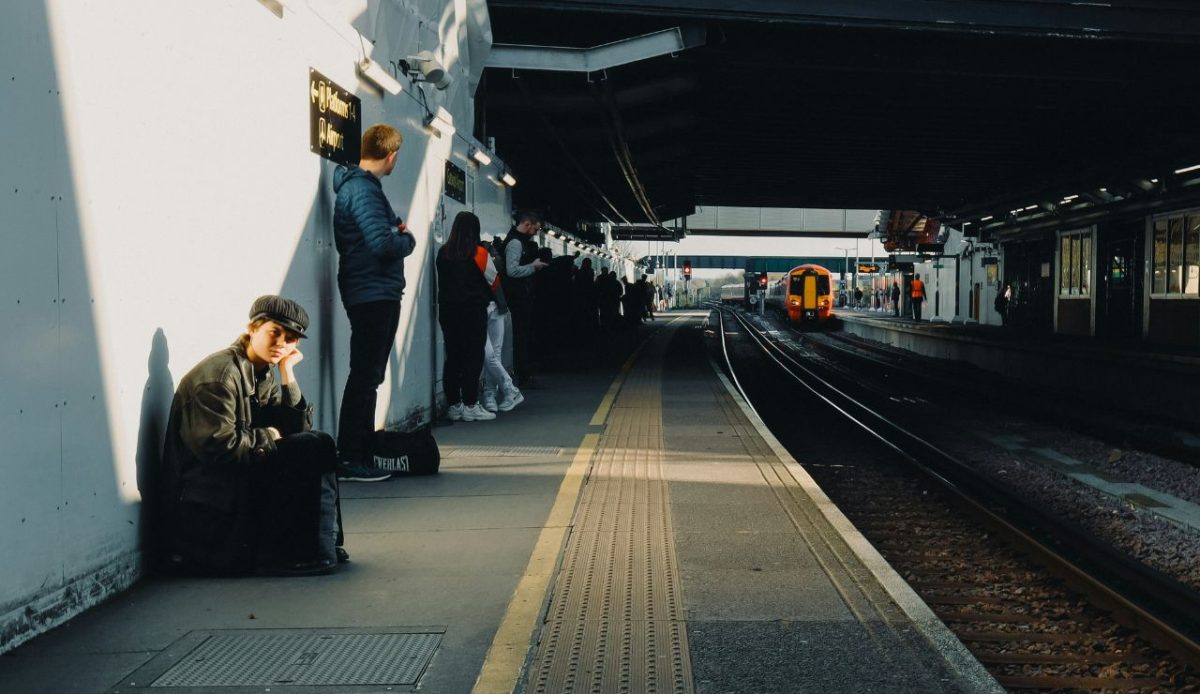
The cheapest train or ferry ticket does not always stay cheap if it is booked at the wrong time. On many routes, the lowest fares sell first, and travelers who wait too long often end up paying much more for the remaining departures or for last-minute flexible tickets.
Late booking can also reduce the quality of the journey itself. Better departure times may disappear, seats may be scattered, and the day may need to be reorganized around whatever option remains available. The problem is not just the extra cost, but the loss of control over the schedule.
In this case, cheap travel wins only when it is secured early. Waiting for the lowest possible price often produces the opposite result and leaves travelers with fewer practical choices.
10. Day Trips Built With No Margin for Error

The cheapest day trip plan can fail when it depends on perfect timing. A route built around multiple local buses, ferries, or regional trains may look efficient at first, but one missed connection can collapse the day and leave little time at the destination.
This becomes a real issue in places with limited services, seasonal schedules, or long gaps between departures. Travelers may end up rushing through major sights, paying for an unplanned taxi, or cutting visits short just to make the last return connection before evening.
A costlier route, an earlier start, or a better-organized excursion often provides the margin that budget planning removes. That extra breathing room can be the difference between a smooth day and a fragile one.
11. Budget Seats on Long Journeys
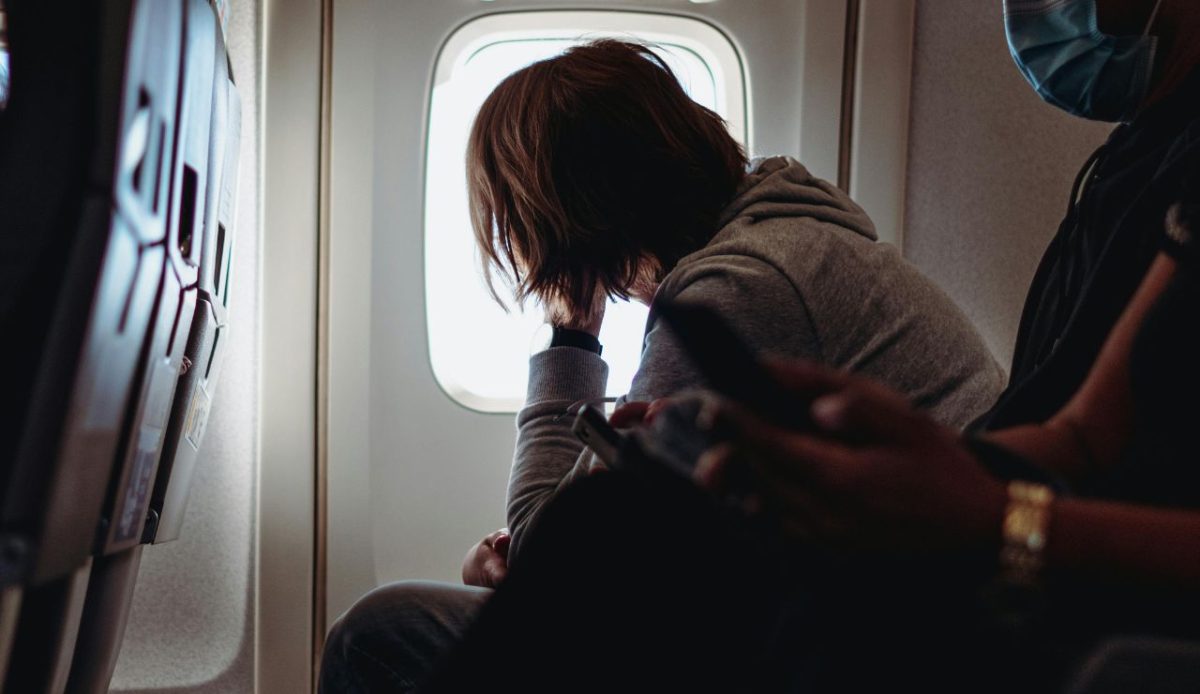
The cheapest seat on a long journey often costs less because it gives less in return. Limited legroom, strict baggage rules, poor seat placement, and the absence of basic extras may seem manageable during booking, but they can feel far more significant after several hours in transit.
Discomfort during a long flight or rail journey affects the destination experience too. Arriving tired, stiff, hungry, or irritated can reduce enjoyment of the first hotel check-in, city transfer, or planned activity. The cheaper fare saves money, but it can also lower the quality of the day that follows.
On long routes, paying a bit more for comfort, better timing, or a baggage allowance often protects the trip in ways that the base fare does not.
