
Booking apps have become a routine part of travel planning because they make it easy to compare prices, view availability, and reserve a stay or ticket in minutes. For many travelers, that convenience feels like the safest default.
But convenience does not always mean control. Once a reservation is made through an app, the traveler may be dealing with another company sitting between them and the airline, hotel, or host providing the service.
That extra layer can matter when plans change, fees appear, or a quick answer is needed. In those situations, the app that helped secure the booking can also create delays, limit options, or make a simple fix harder than it should be.
1. When You Need to Modify or Cancel a Booking

Changing a trip can become harder when the booking sits inside a third-party app rather than with the provider directly. A traveler may assume the hotel or airline can handle the update on the spot, only to learn the reservation has to follow the platform’s process first.
That means even a basic change, such as a new date, corrected name detail, or canceled night, may depend on the app’s support team, approval chain, and timing. The property or carrier may have little power to act immediately.
What could have been a short call often becomes a slower back-and-forth between multiple parties. When timing matters, that middle layer can turn a straightforward adjustment into a more frustrating and less flexible experience.
2. During Severe Weather or Travel Disruptions
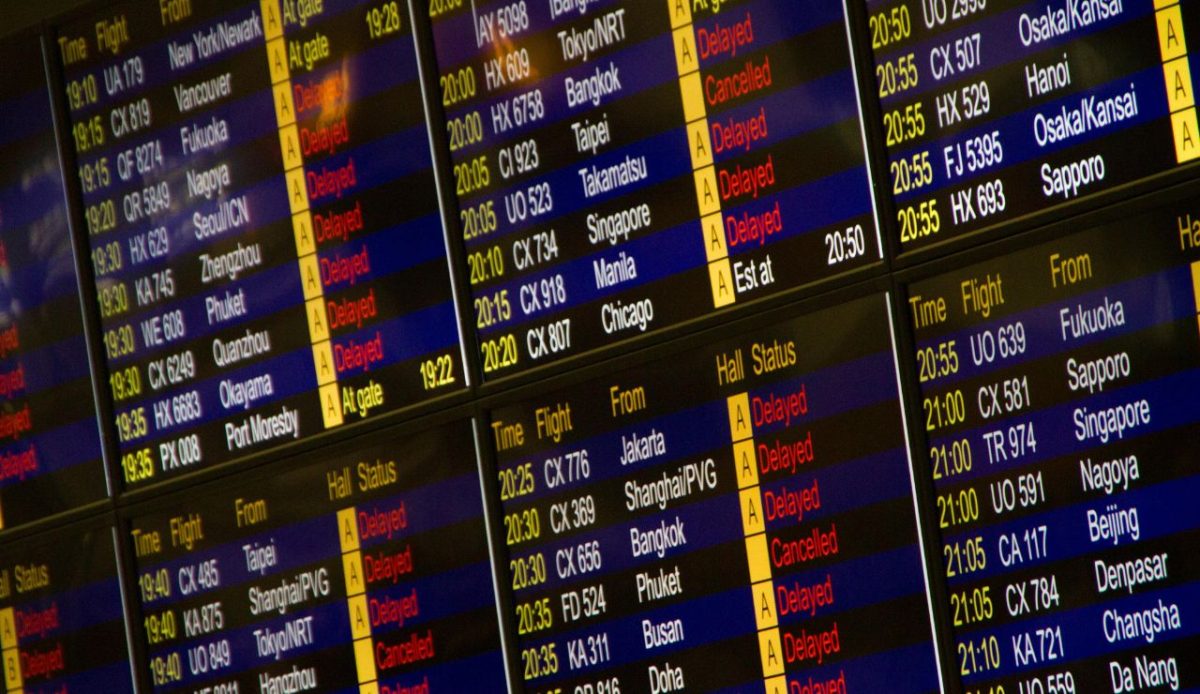
Storms, strikes, and operational breakdowns are some of the worst times to rely on a booking app as the main source of help. When cancellations spread across many routes or properties, support systems are flooded and travelers may be trying to fix plans at once.
In those moments, the airline or hotel is usually making the real-time decisions about rebooking, waivers, and available inventory. A third-party app may provide updates, but it can also add another queue before the traveler reaches someone who can act.
That delay matters when seats, rooms, or transport alternatives are disappearing quickly. During widespread disruption, going straight to the service provider is often faster than waiting inside an overloaded booking platform.
3. When You Want Loyalty Perks or Elite Benefits

A booking app may show the same room or flight, but it does not always deliver the same value as booking through a brand’s own channel. This becomes clear for travelers who care about loyalty points, elite credits, upgrades, breakfast, or late checkout.
Many hotel groups place limits on benefits for reservations made through outside platforms. Even when the stay itself is honored, the extras tied to membership status may not apply in the same way or may not be recognized at all.
That can make an app booking look cheaper at first while quietly reducing the total value of the trip. For frequent travelers, losing points or status benefits can outweigh a small upfront saving, especially across several stays over time.
4. When the Lowest Price Is Not Really the Lowest

Booking apps are designed to highlight attractive prices, but the first number on the screen is not always the full story. Extra charges can appear later through service fees, taxes, baggage costs, or rate conditions that are easier to miss on a smaller mobile display.
A rate that looks like a bargain may end up costing more by the final checkout screen, especially if the cheaper option comes with tighter cancellation rules or fewer included extras. The difference is not always obvious at first glance.
Hotels and airlines also sometimes reserve direct discounts, member offers, or price-match policies for their own websites. That means the app can look like the easiest deal while actually hiding a less competitive overall value.
5. When You Have Special Requests or Specific Needs

Special requests are one of the easiest things to submit through an app and one of the least reliable things to assume are fully handled. Travelers may add notes about accessibility, a quiet room, dietary concerns, early arrival, or room placement and expect those details to be passed along.
In practice, those requests may appear only as comments, may not be guaranteed, or may not be reviewed by on-site staff until very late in the process. By then, availability and operational limits may already shape what is possible.
That gap matters most when the request affects comfort, safety, or basic trip logistics. Direct communication with the property or provider is often the clearer way to confirm whether an important need can actually be met.
6. When You Need to Compare Complex Options Carefully

Booking on a phone can feel efficient, but it becomes less helpful when the trip involves details that need close comparison. Flights with different layovers, fare classes, bag rules, seat policies, and arrival times are harder to evaluate when everything is squeezed into a mobile interface.
The same applies to hotels with varying cancellation terms, breakfast options, resort charges, and room categories. A traveler may move quickly through the app without spotting a key difference that would have been clearer on a larger screen.
The app can make the process feel simpler while actually reducing visibility. For more complex bookings, a desktop website often gives travelers better space to compare the fine print before paying.
7. When You Are Traveling Somewhere With Weak Connectivity

A booking app depends on a working phone, battery life, and reliable internet access, which can become a weakness once a trip moves beyond stable city networks. In remote areas, on trains, or after a long travel day, the app may load slowly or fail when details are urgently needed.
That becomes a problem if the traveler needs to pull up a confirmation, reach support, or verify check-in instructions while standing outside a property or arranging transport. The information exists, but it may not be easy to access in time.
In these situations, saved emails, screenshots, and direct phone numbers can be more dependable than reopening the app. A tool built for convenience becomes less useful when connectivity is no longer guaranteed.
8. When You Are Booking for a Large Group

Travel apps are usually built around the habits of solo travelers, couples, or small family bookings. Once a reservation becomes more complex, with several rooms, multiple travelers, or special coordination needs, the app may stop being the easiest tool and start becoming a limitation.
Large group travel often involves negotiated rates, room blocks, shared payment questions, arrival coordination, and flexible communication with a property or carrier. Those needs do not always fit neatly into standard app booking flows.
The app may offer fewer useful options and less room to customize the arrangement. For groups, booking directly or using a dedicated contact can often produce clearer terms and better coordination than an app-based reservation.
9. When Privacy and Data Sharing Matter to You
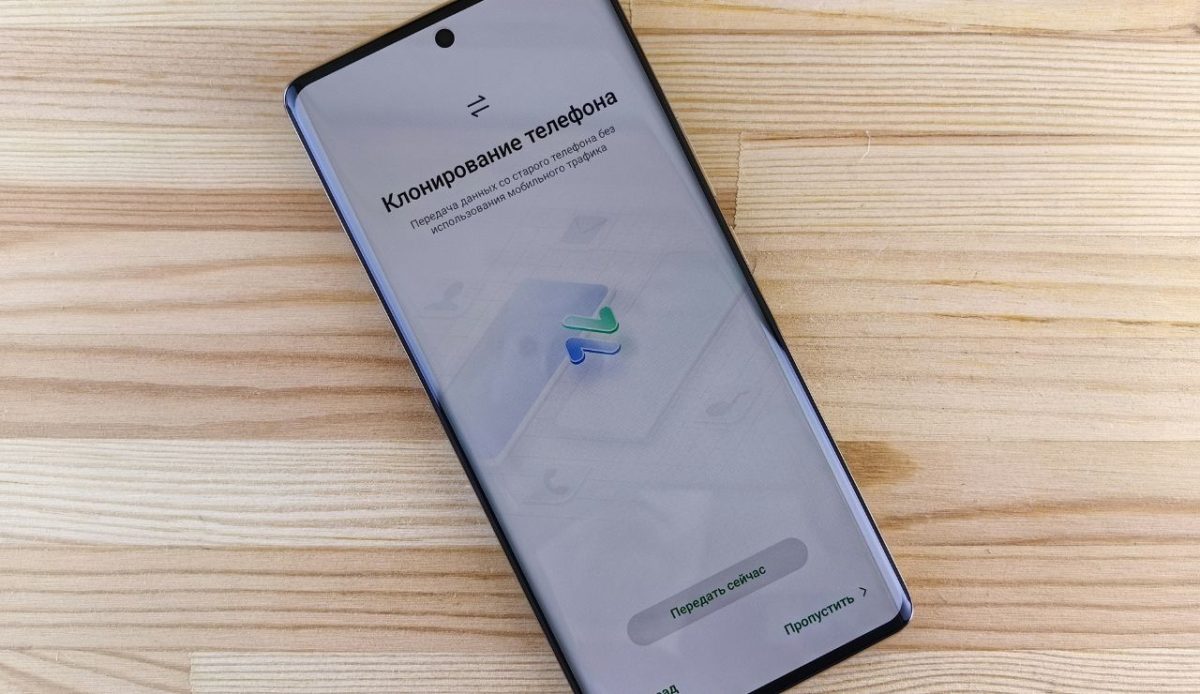
Travel apps often collect more user data than travelers think about in the moment. Depending on settings and permissions, they may gather location information, usage habits, device details, and other signals that help platforms personalize offers or advertising.
For some travelers, that tradeoff feels normal. For others, especially people who prefer tighter control over personal data, opening the app for every search and booking may feel less appealing once the tracking side is considered more closely.
Using a browser, limiting permissions, or booking directly with a provider can reduce how much information passes through added third-party systems. In that case, the app also expands the amount of data shared along the way.
