
The American road trip still matters, but the experience has changed in ways many drivers can feel. What was once shaped by paper maps and long stretches of uncertainty is now guided by apps, reviews, and tightly planned routes.
The open road has not disappeared, yet the sense of discovery often arrives in a more controlled form. For some travelers, that means greater comfort and fewer surprises.
For others, it means the trip has lost some of its old rhythm, where getting there felt just as important as the destination waiting at the end of the highway. That tension now defines how many people experience travel by car across the country.
Spontaneity Is Harder to Find
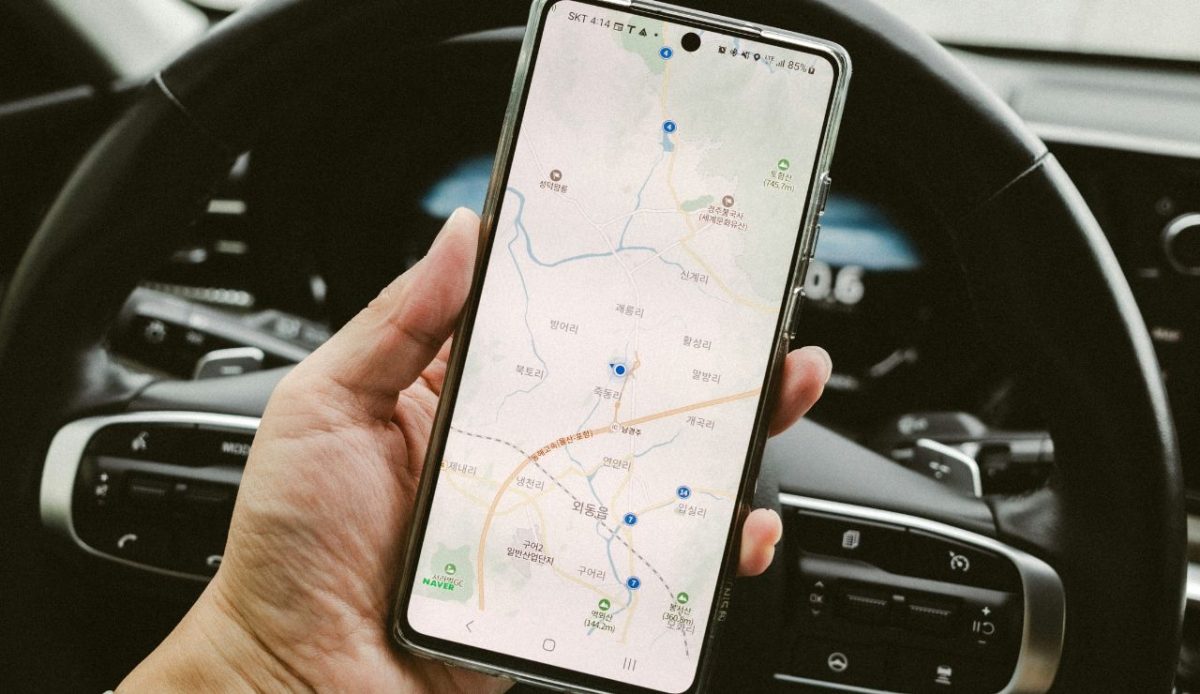
Older road trips often began with only a rough plan and a map folded in the glove box. Drivers stopped when something looked interesting, changed direction without much warning, and discovered places by accident rather than by design.
Today, navigation tools, online reviews, and travel content make most journeys far more predictable before they even begin. Travelers often know the route, the traffic, the best stops, and the photos they want before leaving home.
That makes planning easier, but it also removes some of the uncertainty that once gave the drive its sense of adventure and made small detours part of the story.
Roadside America Feels More Uniform
One reason many people miss older road trips is that the roadside itself has changed. Independent diners, family motels, and eccentric attractions once gave each highway a different mood and made travel feel tied to the places along the route.
In many regions, those businesses have been replaced by chain restaurants, large service plazas, and familiar hotel brands built for speed and consistency. They offer convenience, but they can also make one stop look much like the next.
For drivers who remember more local color, the modern road trip can feel less distinctive, even when the scenery outside the window still changes.
Screens Compete With the Landscape
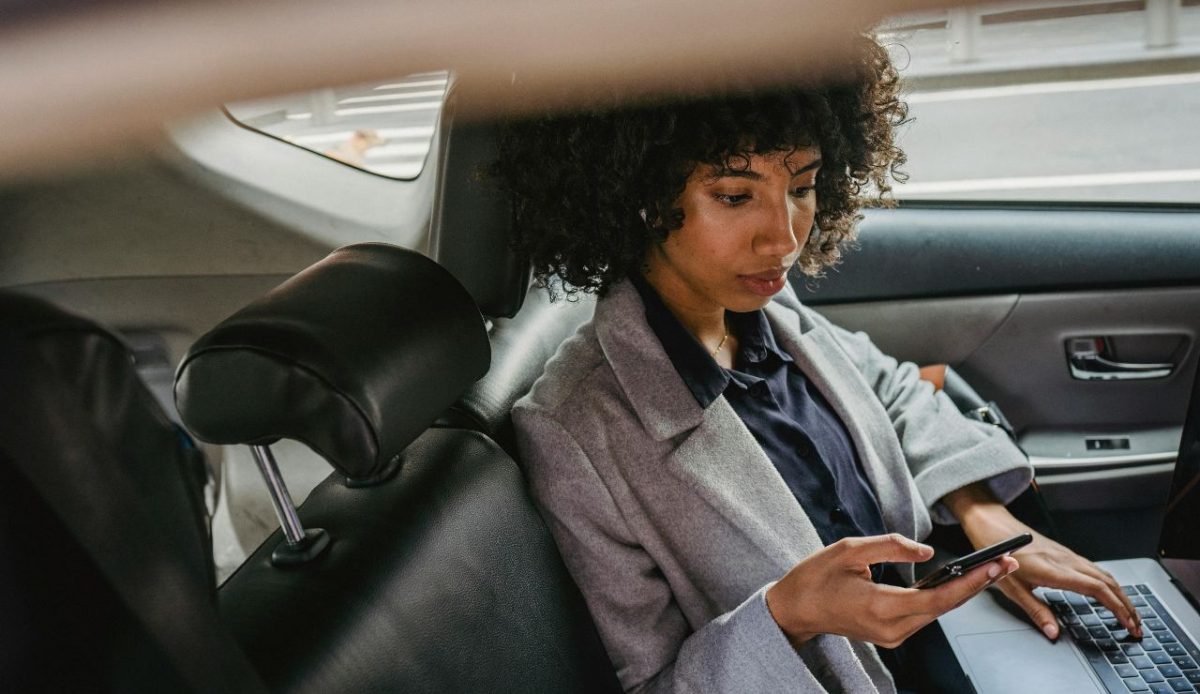
Technology has made long drives more manageable, but it has also changed how people experience them. Phones provide traffic updates, restaurant options, music, and constant contact with life back home.
Passengers scroll, stream, and search instead of simply watching towns, fields, and rest stops pass by. Even drivers now follow spoken directions so closely that the route can feel more monitored than explored.
None of this is inherently bad, yet it changes the pace of the trip. The road used to create distance from daily routines. Now it often carries those routines directly into the car and leaves less room for quiet observation.
Convenience Has Replaced Some Character
Modern highways are designed to move people efficiently, and in many ways they succeed. Roads are better marked, services are easier to find, and travelers can avoid delays with far more accuracy than before.
At the same time, bypasses and interstates often pull drivers away from the small towns that once gave trips their texture. Instead of moving through main streets and local business districts, many travelers now see only exits lined with the same fuel stations and fast food counters.
The trip becomes smoother, but also less rooted in place. For some, that tradeoff is exactly what feels missing from the old experience.
The Appeal of the Road Trip Remains
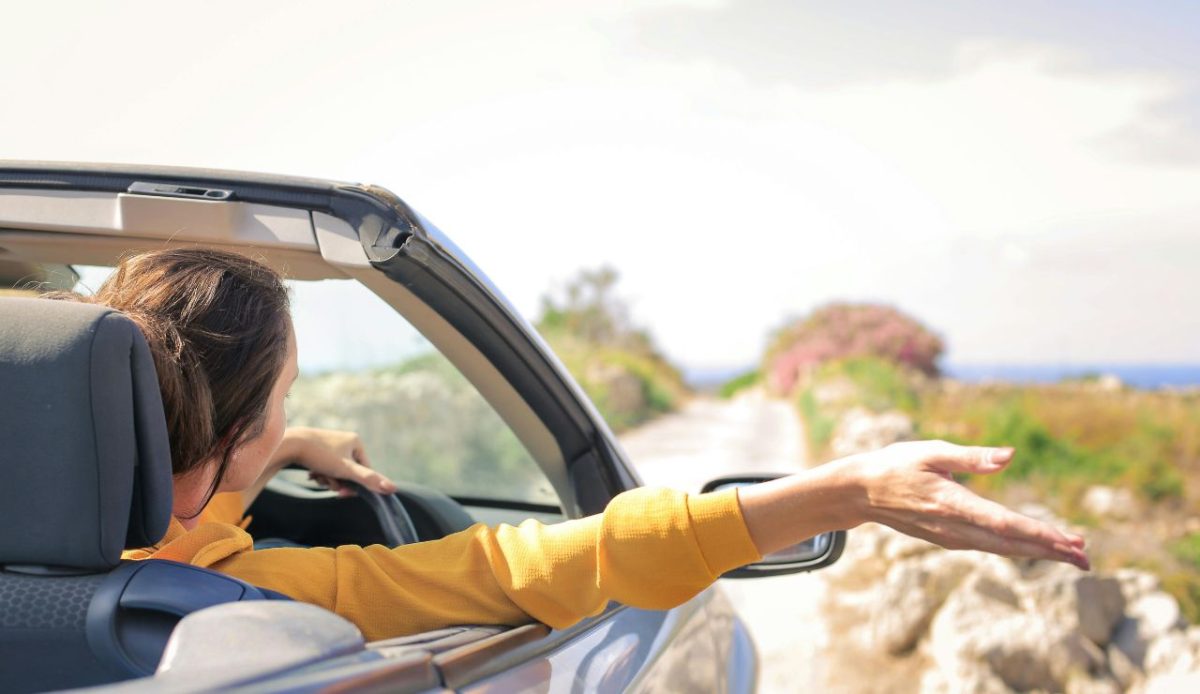
Even with all these changes, the road trip still holds a special place in American travel. People continue to choose it because driving offers freedom, flexibility, and a closer view of the country than most flights or train rides can provide.
What has changed is the atmosphere surrounding that freedom. The trip is now more curated, more connected, and often more efficient than it once was.
Even so, many travelers still search for older pleasures by taking slower routes, stopping at classic roadside landmarks, or putting the phone away for part of the drive. The spirit has not vanished, but it does require more intention to feel it now.
