
Social media has turned many landmarks into bucket-list stops by repeating the same polished angles, calm moments, and dramatic captions. That visibility helps places go viral, but it also builds expectations that real visits rarely match. What looks spacious or exclusive online often feels crowded and commercial in person.
The disappointment usually comes from the gap between edited content and the real setting. Visitors expect one perfect scene and instead find queues, noise, or restricted viewpoints.
That does not mean these places lack value. It means the online version often promises an experience that the real place cannot deliver.
Hollywood Walk of Fame
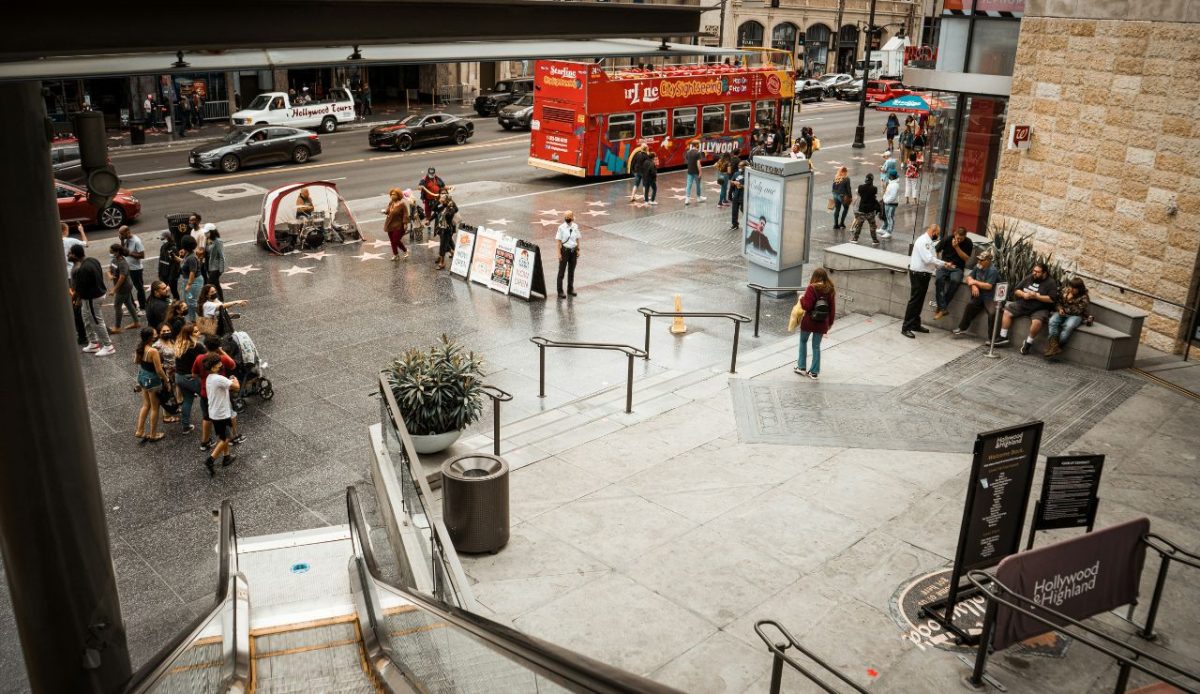
The Hollywood Walk of Fame is often presented online as a glamorous strip tied closely to film history and celebrity culture. In reality, many visitors find a busy public sidewalk lined with souvenir shops, traffic, and a street atmosphere that feels more ordinary than iconic. The contrast is sharp when people expect a polished attraction instead of an active commercial district.
Part of the letdown comes from scale and setting. The stars matter more as symbols than as a visually dramatic site, so the experience can feel thin once the photos are done.
For some travelers, it is famous first and memorable second.
The Mona Lisa at the Louvre
The Mona Lisa may be the world’s most recognized painting, but social media often presents it as a calm museum moment. In reality, many visitors arrive at a crowded gallery where the artwork sits behind protective glass, and the viewing feels brief. After seeing enlarged reproductions online for years, some are also surprised by how small the painting appears in person.
That contrast explains the disappointment. People expect quiet attention and instead get a quick look through a crowd of phones and moving visitors.
The painting remains historically important, but for many tourists, the visit feels shaped more by the room than by the art.
Times Square
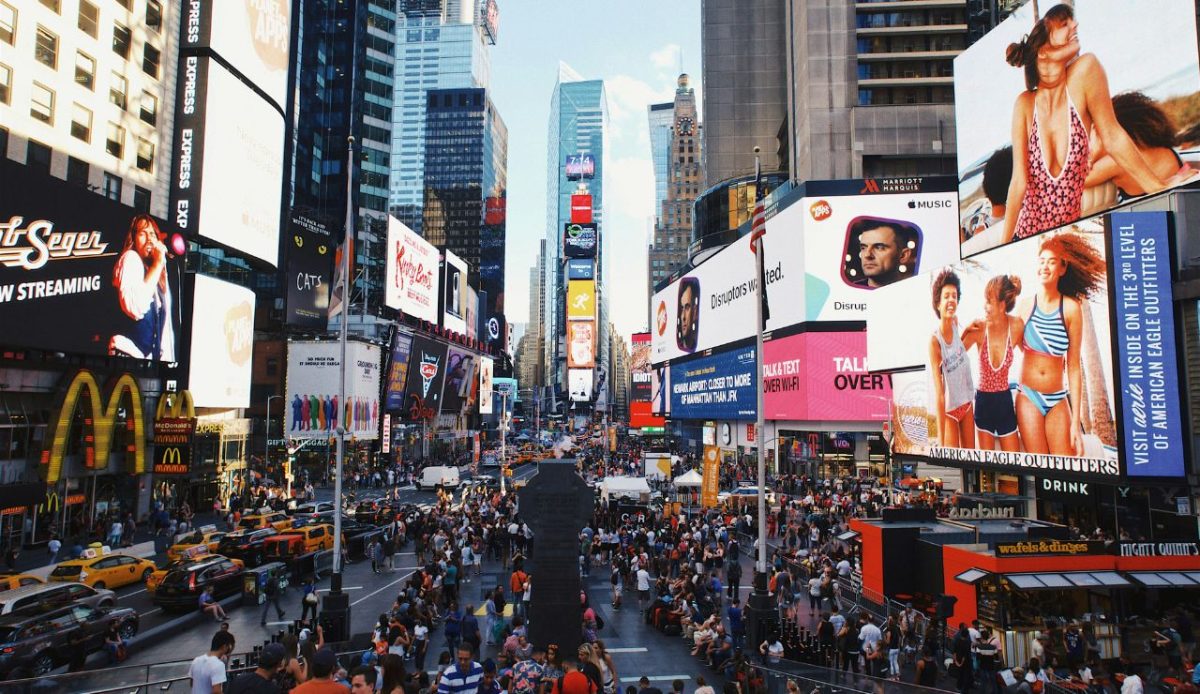
Times Square thrives online because it delivers bright lights, giant screens, and the image of nonstop New York energy. On the ground, though, that same intensity can be exhausting. Visitors hoping for a cinematic city moment often find extreme crowding, sensory overload, advertising everywhere, and very little personal space to stop, look around, or take a clear photo.
The area is built to be loud, busy, and commercial, which is exactly why some travelers leave underwhelmed. It works better as a spectacle than as a comfortable place to spend time.
For many people, one pass through is enough to understand it.
The Leaning Tower of Pisa
The Leaning Tower of Pisa has one of travel’s most recognizable silhouettes, and social media keeps that fame alive with the familiar forced-perspective pose. The issue is that the online image often becomes the entire expectation. Once visitors arrive, some feel there is less to do than they imagined beyond seeing it, photographing it, and moving on.
That does not make the tower unimportant, but it can make the visit feel short compared with the hype. When a place is known mainly for one visual joke, the real experience can seem smaller than the build-up.
It often ends up being more iconic than immersive.
Santorini’s Blue Domes
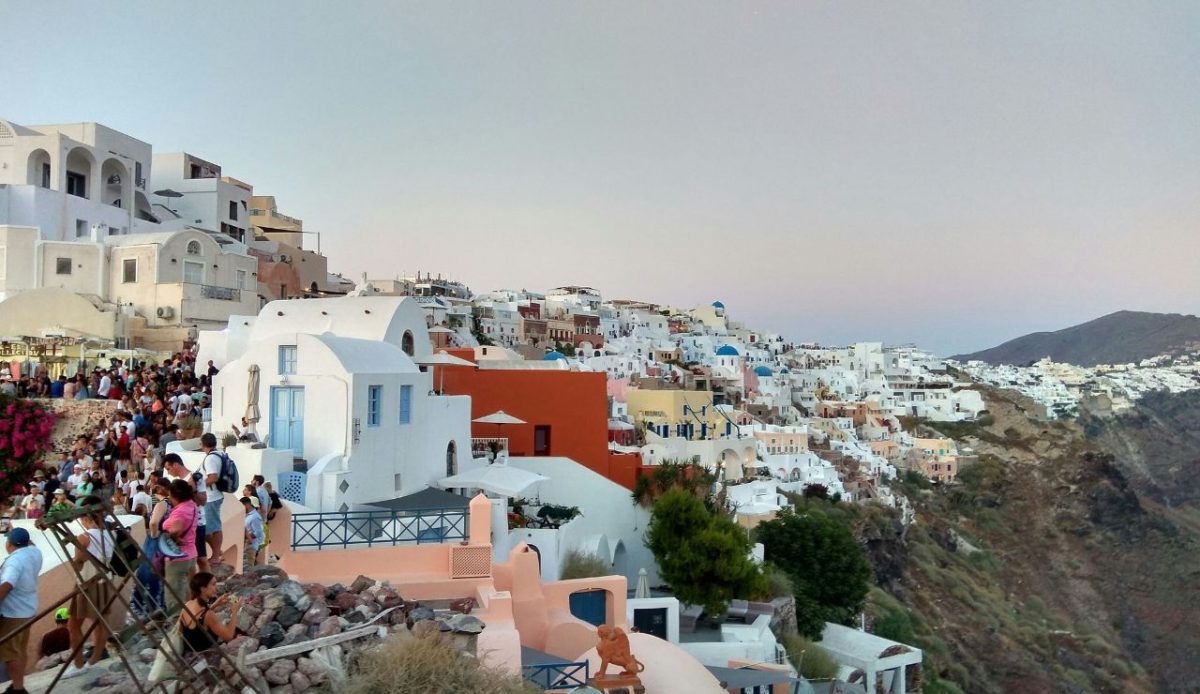
Santorini’s blue-domed churches appear online as calm symbols of the Greek islands, often shown against white lanes and sea views. In reality, the most photographed viewpoints can be crowded with visitors waiting for the same shot. That creates a stop-start experience that feels more like lining up for a photo than exploring a place.
Part of the disappointment comes from the narrow viral framing. People expect the area to match the postcard scene, when attention is focused on a few tightly photographed spots.
The setting is beautiful, but the social media version often feels cleaner and quieter than the real one.
