
Small city airports often depend on one late flight that links to a hub. When it is removed, same-day travel becomes fragile, and a single delay can force an overnight stay.
In November 202,1 United said it would halt service on 11 regional routes from hubs in Chicago, Houston, and Denver, citing long-term sustainability. Many of these markets had limited carrier choice, so rebooking options shrank fast. Local employers and universities reported longer trips and higher travel costs.
Below are those 11 airports. Each section explains what the lost hub flight did for reliability, why late timing mattered, and how travelers are pushed toward long drives to bigger airports.
1. Kalamazoo Battle Creek International Airport, Kalamazoo, Michigan
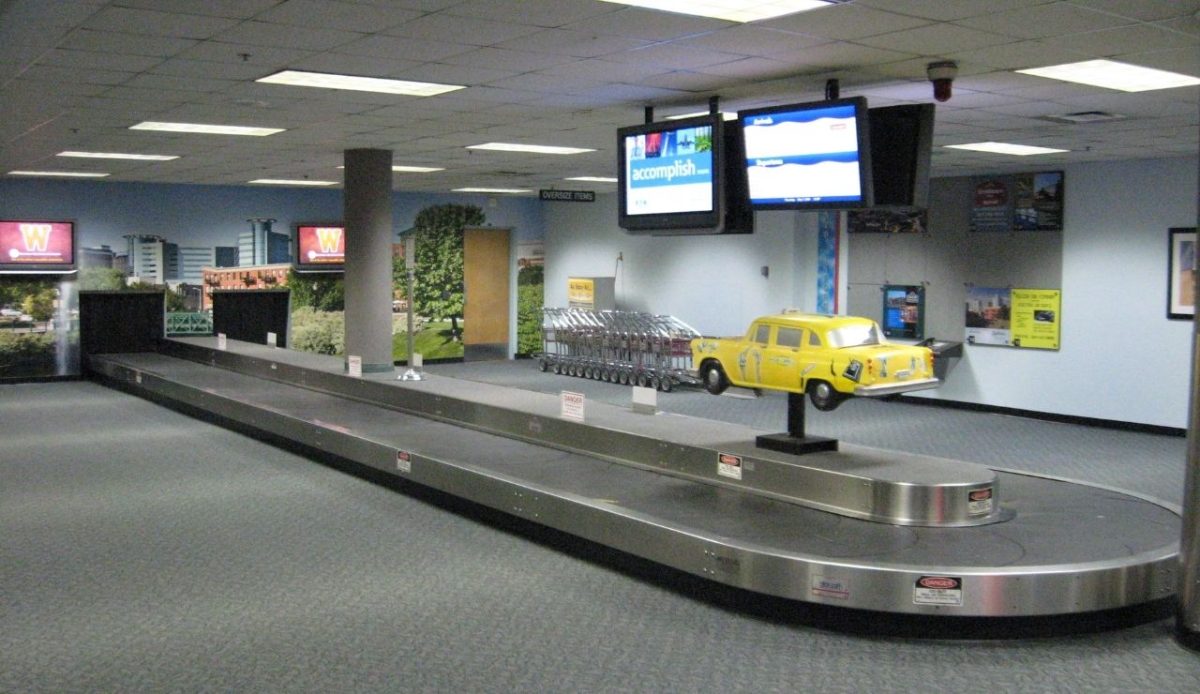
United’s Chicago O’Hare service to Kalamazoo was a short hop, but the late departure acted as the day’s safety valve. When it disappeared, missed connections could not be repaired that night, and itineraries started to require wider buffers for crews and weather.
The area includes colleges, auto suppliers, and regional health travel. American and Delta still offered some service, yet the loss of one carrier reduced same-day reroute capacity during storms and winter deicing.
Most backups require driving to Detroit Metro or Grand Rapids for more frequent backups. That shift adds ground time and parking costs, so a cut on paper becomes an access problem in practice.
2. Easterwood Airport, College Station, Texas
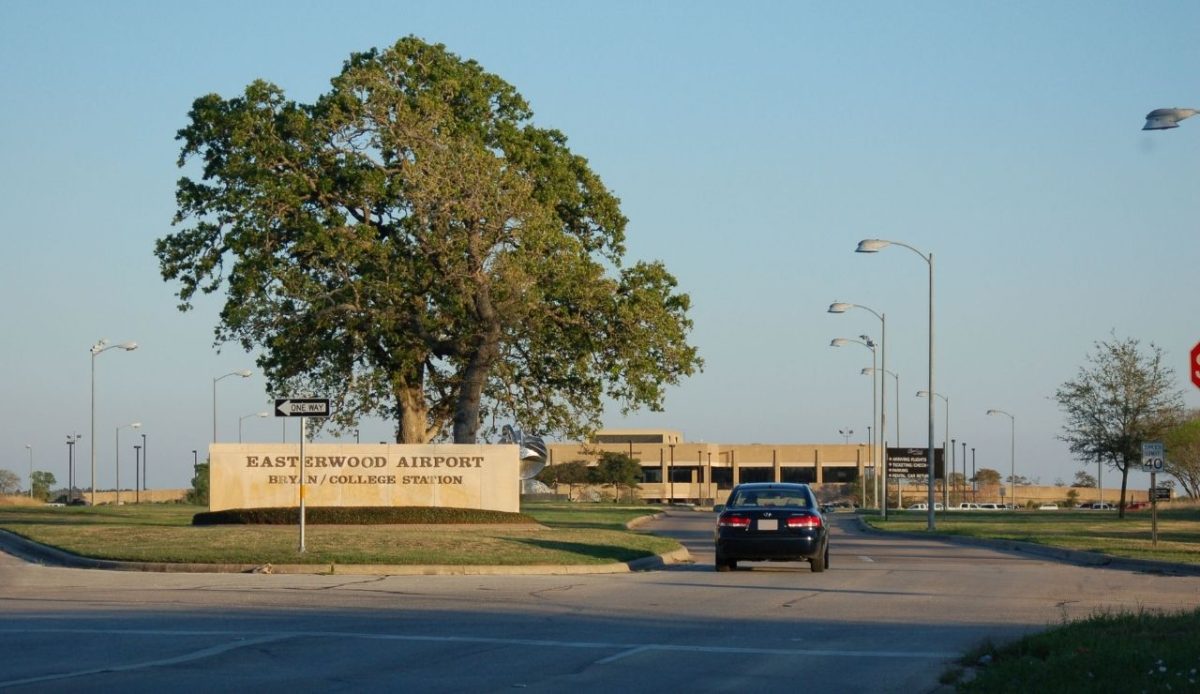
At Easterwood, the Houston link carried passengers into United’s hub banks, including late-day departures that enabled evening returns. Once service ended, the last chance to catch onward flights was removed.
College Station travel demand is tied to Texas A&M, with weekday peaks among faculty, athletes, and visiting speakers. American continued service via Dallas Fort Worth, but losing the Houston option reduced redundancy when a single flight was delayed on short notice.
Many travelers shift to Austin or Houston area airports by car to regain frequency. The extra drive time can erase the time savings that regional flights were meant to provide.
3. Columbia Regional Airport, Columbia, Missouri
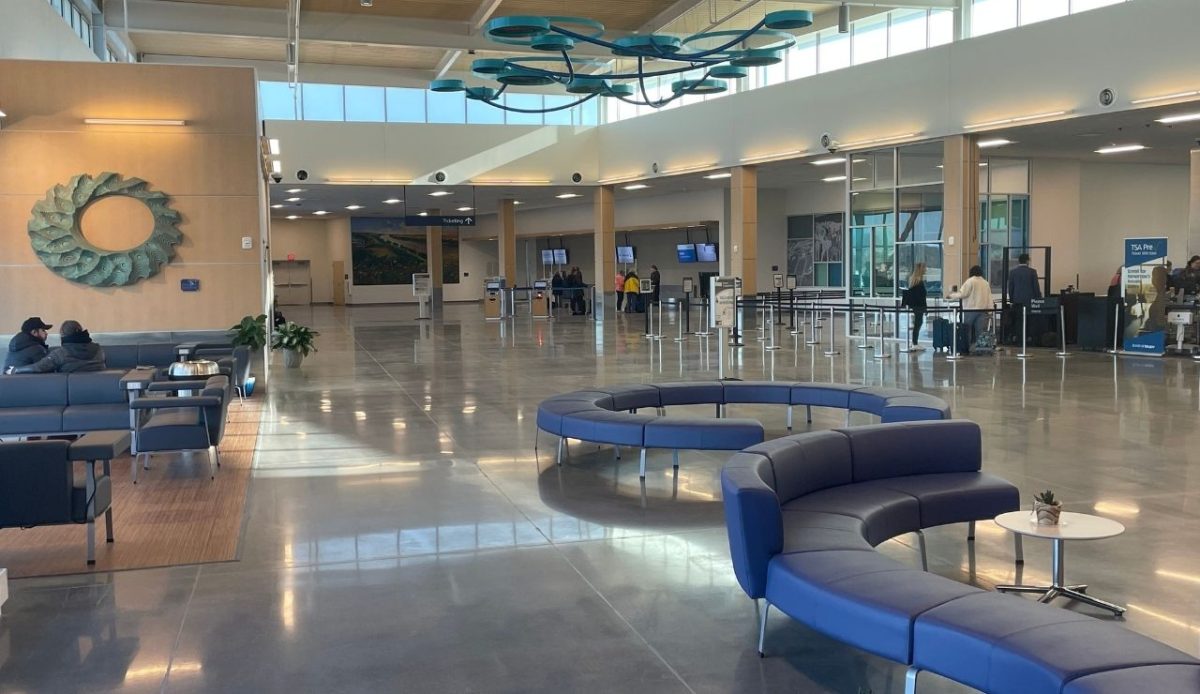
Columbia’s O’Hare flight connected a mid-Missouri city to a global network, and the late departure helped travelers recover from daylong disruptions. With the route gone, the final daily exit disappeared, and the schedule became less forgiving.
The University of Missouri and major health providers generate steady business travel. American kept some service to Chicago, yet the loss of another carrier reduced seat inventory for same-day reroutes when a bank of connections was missed.
Driving to Kansas City or St Louis restores airline choice but adds hours and parking costs. For short trips, that ground leg can rival the flight time that was being replaced.
4. Central Wisconsin Airport, Mosinee, Wisconsin
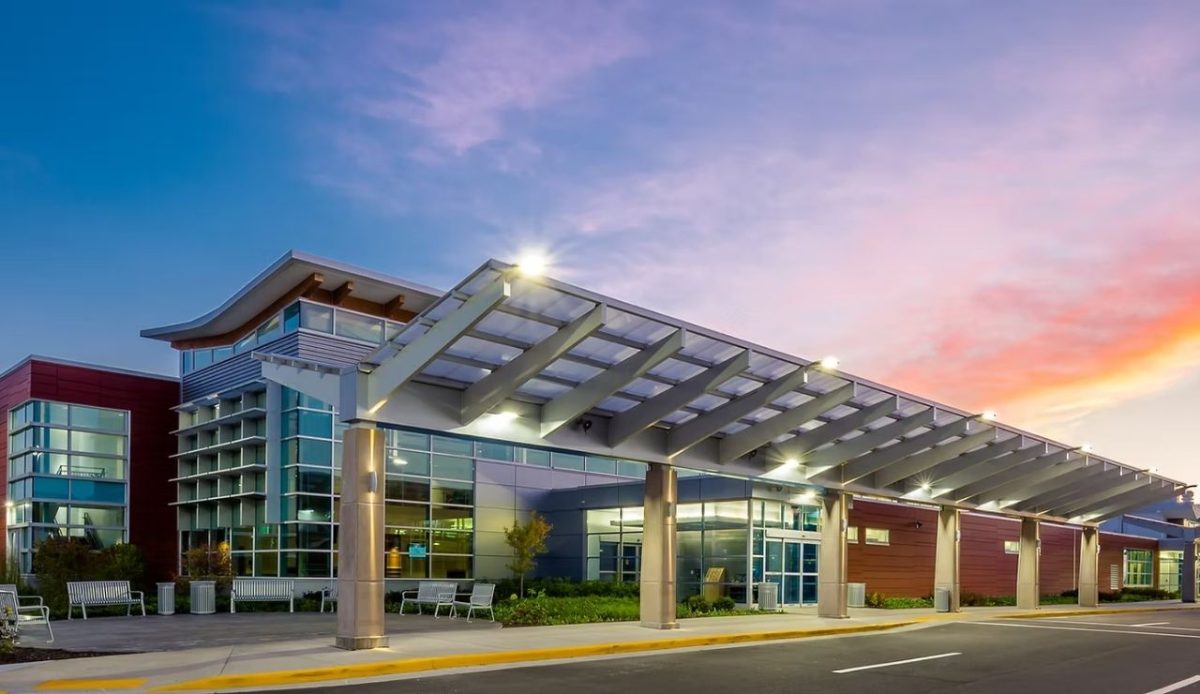
Central Wisconsin Airport relied on a Chicago link with late-day connections. Removing it cut the last daily path into a major hub and reduced the ability to fix delays without sleeping away from home.
The catchment area spans smaller towns, paper and packaging plants, and seasonal travel. Delta and American routes still existed in the region, but fewer overall departures meant fewer seats to absorb irregular operations after thunderstorms rolled through.
Travelers often drive to Madison, Milwaukee, or Minneapolis to regain options. That added road time, especially in the snow season, changes a one-day trip into a two-day commitment.
5. Evansville Regional Airport, Evansville, Indiana
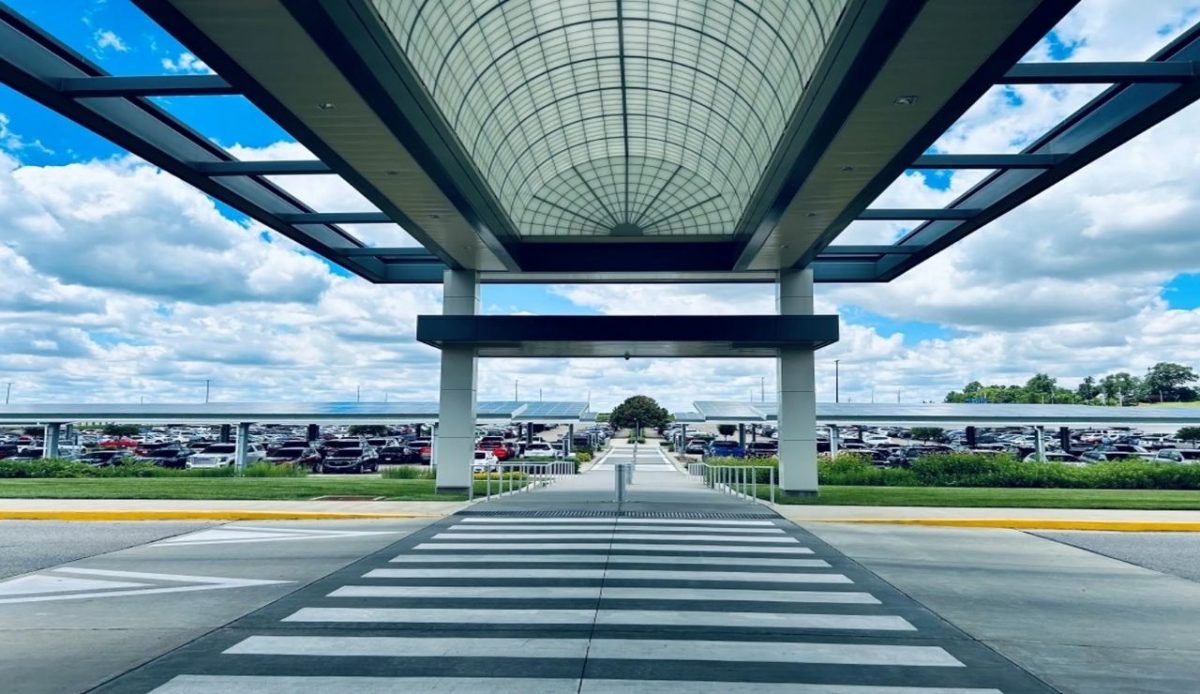
Evansville lost its United link to Chicago O’Hare, including the late flight that once offered a final connection bank. The cut removed a key fallback for travelers whose earlier segments were delayed.
The metro depends on manufacturing, logistics, and hospital travel. American and Delta still fly from Evansville, and Allegiant runs select leisure routes, but fewer competing schedules reduce same-day reroute capacity when weather disrupts hub arrivals.
Many residents now start trips from Louisville or Nashville to gain more departures. The drive adds time and costs that regional flights were designed to avoid, especially for short business loops.
6. Killeen Fort Cavazos Regional Airport, Killeen, Texas
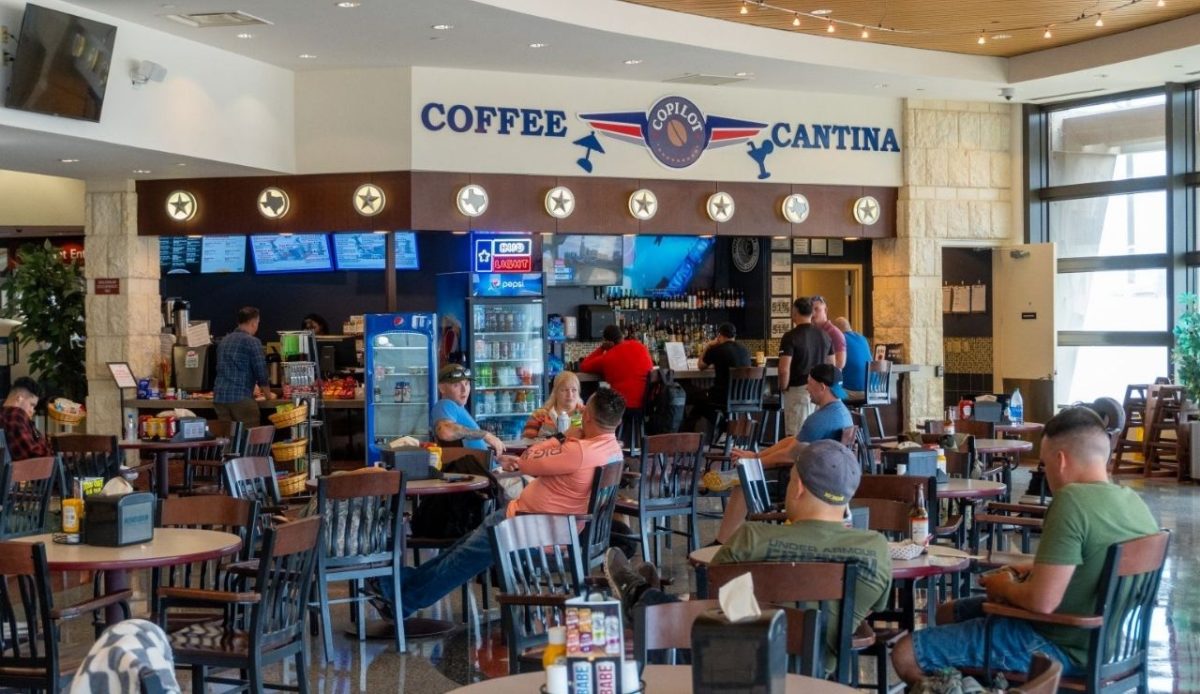
Killeen Fort Cavazos Regional lost United service to Houston, which provided a late-day option into a large hub. For a military community, that timing mattered for leave travel and quick turn trips.
Service members, contractors, and families often travel on fixed reporting windows. With the Houston flight gone, a missed connection can force a night near the hub. American service via Dallas-Fort Worth becomes the main scheduled choice, so disruptions cascade when capacity is tight.
Some travelers drive to Austin or Waco to widen airline options. The added ground leg increases the risk of missing departures, which further erodes confidence in the local airport.
7. Capital Region International Airport, Lansing, Michigan
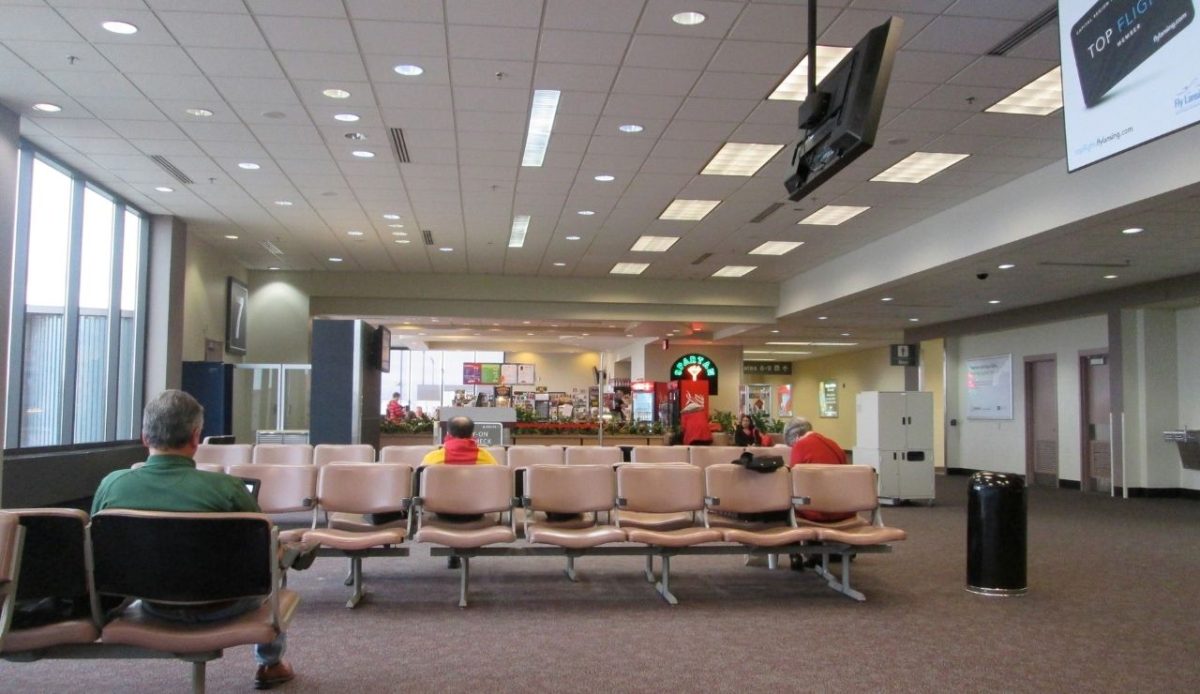
Lansing’s United flight to Chicago O’Hare supported short-notice travel for state government and regional firms, with a later departure that enabled same-day returns. Ending it reduced usable access from the capital area.
United’s schedule had aligned with O’Hare connection banks, so one late flight carried outsized value. American and Delta still provide service, yet fewer total departures mean fewer seats for rebooking when the day unravels. A missed connection can now stretch a routine trip into the next morning.
Detroit Metro and Grand Rapids offer more frequency, but both require longer ground travel and paid parking. That shift makes the local airport less attractive for conferences and recruiting visits.
8. Monroe Regional Airport, Monroe, Louisiana
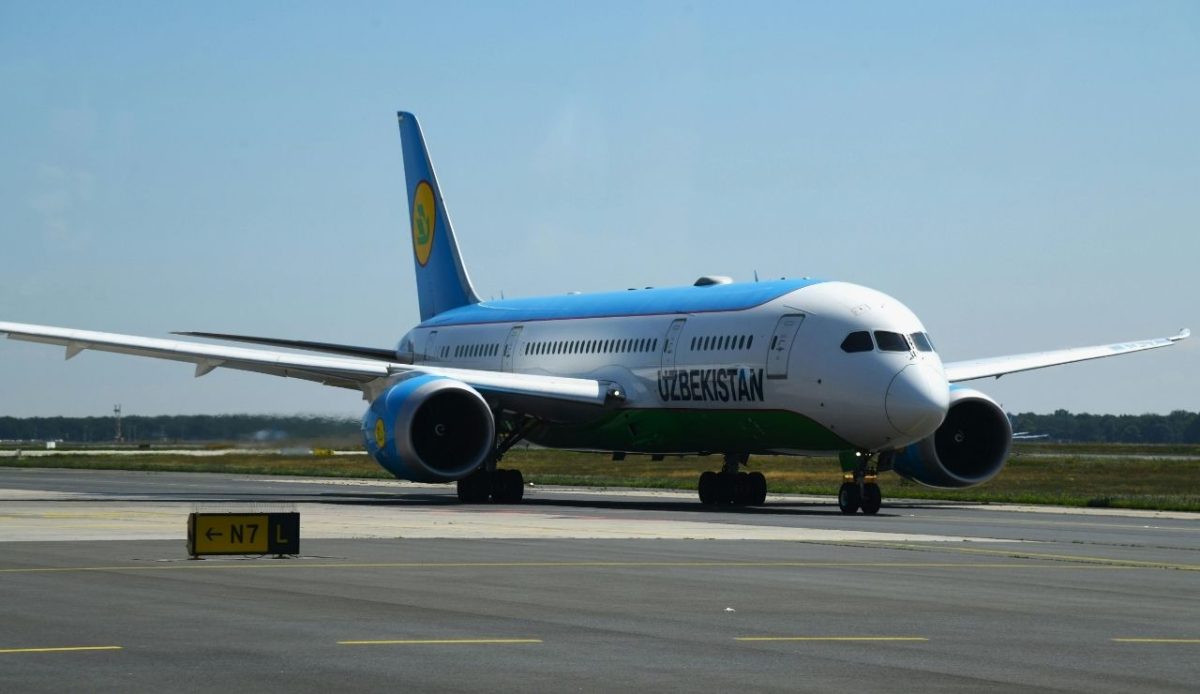
Monroe lost its United hop to Houston, which functioned as an evening backstop into a large hub. Without it, the last daily chance to connect onward often vanished once afternoon delays began.
Small firms in northeast Louisiana rely on quick trips for sales and maintenance support. Delta continues to link through Atlanta and American through Dallas-Fort Worth, but losing a carrier reduces competition and seat supply. When disruptions hit, rebooking can be pushed to the next day, and hotel costs follow.
Many passengers drive to Shreveport for more schedules. That diversion adds road time and shifts spending away from Monroe, weakening the case for future service restoration.
9. Pierre Regional Airport, Pierre, South Dakota
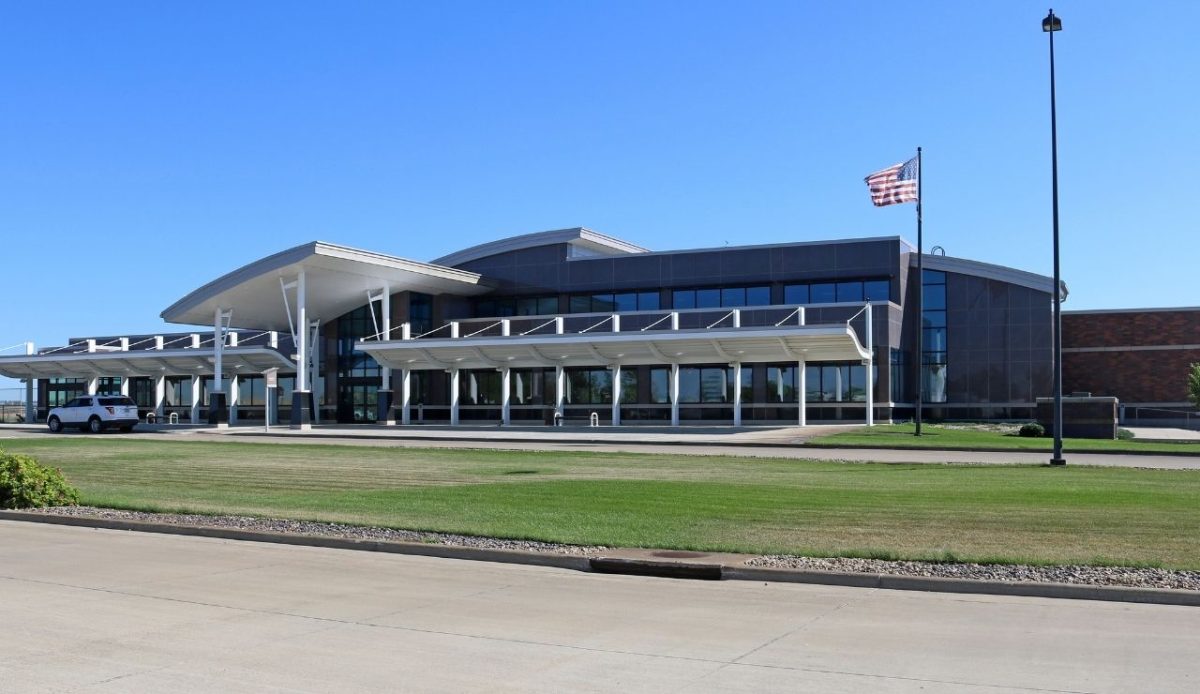
Pierre lost United service to Denver, cutting a late departure that helped the state capital keep same-day access to a hub. In a low-frequency market, one removed flight can erase most schedule flexibility.
Work tied to government, legal services, and vendors often runs until late afternoon. When the final departure is not available, travelers are forced into next-morning options, and per diem costs rise. After the cut, Denver Air Connection was expected to be the only scheduled operator.
Some travelers drive to Sioux Falls or Rapid City to catch more flights. The distance makes quick trips harder, so meetings are shifted to remote formats or longer stays.
10. Watertown Regional Airport, Watertown, South Dakota
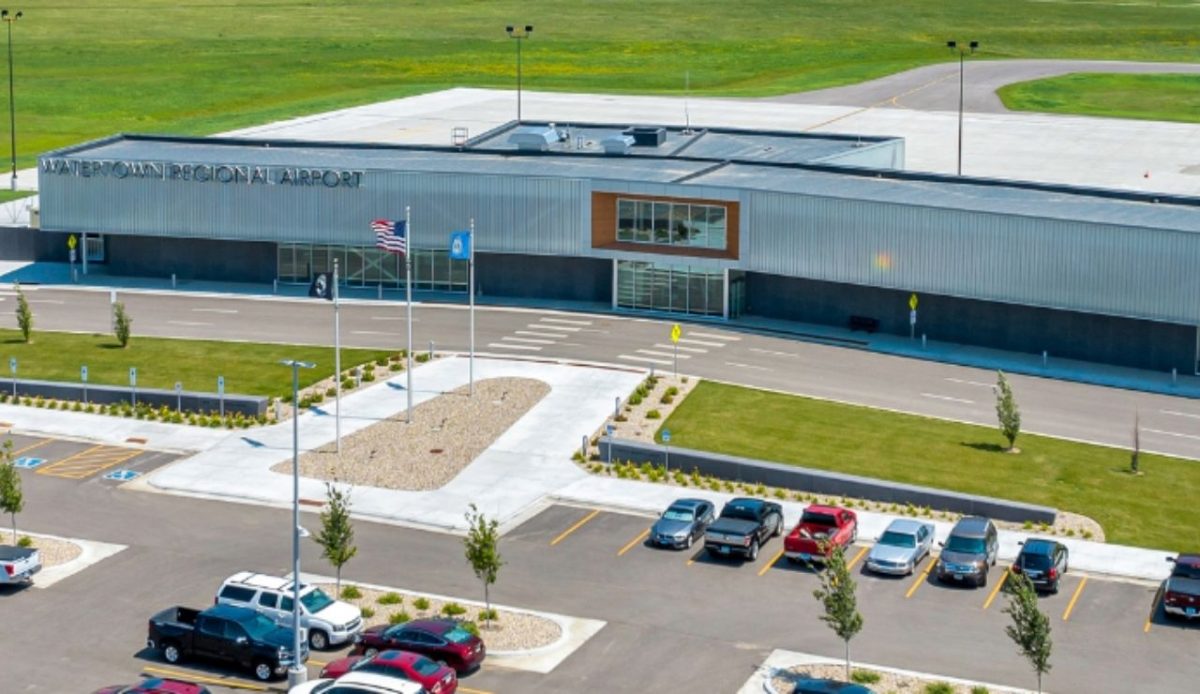
Watertown also lost the United link to Denver that provided an end-of-day connection window. That late timing mattered because it allowed recovery from earlier delays and preserved same-day returns.
Local manufacturing and agriculture depend on travel for equipment support and client visits. When the last flight vanished, disruptions started producing overnight stays more often. Denver Air Connection was positioned to remain as the lone scheduled carrier after United’s exit.
Driving to Sioux Falls is the common workaround, but winter roads add risk and time. The added friction can affect hiring and investment when firms weigh how reachable the area is.
11. Magic Valley Regional Airport, Twin Falls, Idaho
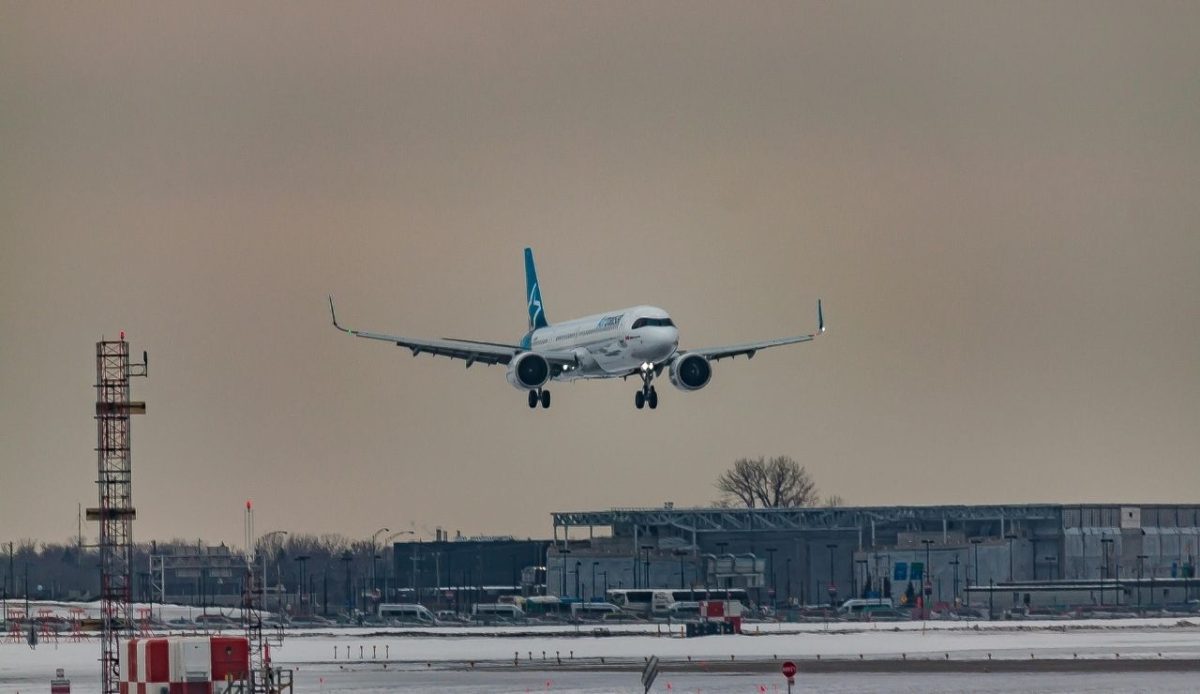
Twin Falls lost its United flight to Denver, removing a late departure that linked the Magic Valley to a broad connection network. The change narrowed both routing choice and the ability to fix a missed connection that day.
Medical travel is especially sensitive to timing. Visiting specialists and patients often schedule tight windows, and a delay can now require an added night away. Business travelers face the same issue when hub banks close before they can arrive.
Many residents drive to Boise for more flights, trading a short regional hop for hours on the road. That substitute can be unreliable in winter weather and increases the total trip cost.
