
Historic downtowns were designed for daily residential life, with housing placed close to jobs, schools, and civic spaces. When a growing share of those homes shifts to short-term rentals, the balance between living and visiting changes fast.
Higher nightly income makes short stays financially attractive compared to year-long leases. As a result, permanent residents move outward, while central streets see frequent guest turnover instead of stable households.
This article examines documented cases where city records and policy actions link short-term rentals to declining residential presence in historic downtown cores.
1. Charleston, South Carolina
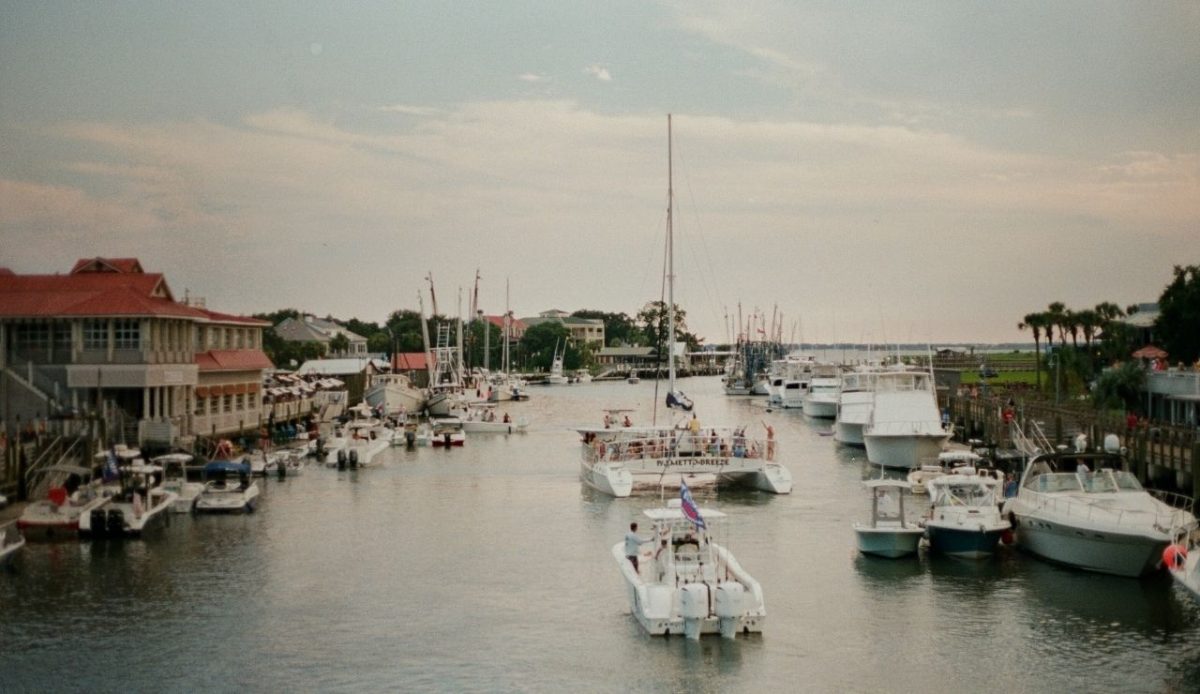
Charleston’s historic peninsula contains dense residential blocks protected by preservation rules. City audits and investigative reporting have identified hundreds of unlicensed short-term rentals operating within these protected neighborhoods.
As long-term tenants were replaced by rotating visitors, complaints increased about noise, waste collection timing, and parking strain. More critically, local data showed a decline in full-time residents within the historic district.
Charleston restricts permits largely to owner-occupied units and conducts targeted enforcement. Officials state the intent is to preserve residential life rather than allow historic streets to function as informal hotel corridors.
2. Savannah, Georgia

Savannah’s Historic District combines residential housing with tourism activity in a compact grid. University of Georgia research documented resident concern that high short-term rental density created blocks with minimal year-round occupancy.
Upper-floor apartments near River Street increasingly shifted to visitor use, reducing housing options for workers and students. This change weakened weekday demand for local services not tied to tourism.
Savannah adopted zoning overlays and permit caps within the historic district. Policy documents cite housing stability and neighborhood continuity as primary reasons for limiting additional short-term rentals.
3. New Orleans, Louisiana

The French Quarter and nearby historic neighborhoods experienced rapid short-term rental growth after platform expansion. A city-commissioned housing study linked high STR concentration to reduced long-term rental supply.
Entire buildings converted to visitor lodging, displacing tenants and lowering resident density. With fewer locals, everyday services declined while complaints related to transient use increased.
New Orleans imposed licensing limits, geographic caps, and enforcement actions. Official policy language consistently frames STR regulation as necessary to protect residential life within historic districts.
4. Taos, New Mexico

Taos limits short-term rentals near the plaza through its municipal code. In mapped areas that include historic districts and the central business district, new unhosted rentals are barred, and permits are not issued.
The policy targets housing scarcity in the core. Planning materials and public testimony describe investor demand raising prices beyond local wages, pushing workers outward, and reducing year-round occupancy.
Compliance relies on registration, inspections, and complaint-driven checks, with penalties for violations. The stated goal is to keep downtown units serving residents near jobs for the long term, not a revolving visitor stock.
5. Bar Harbor, Maine
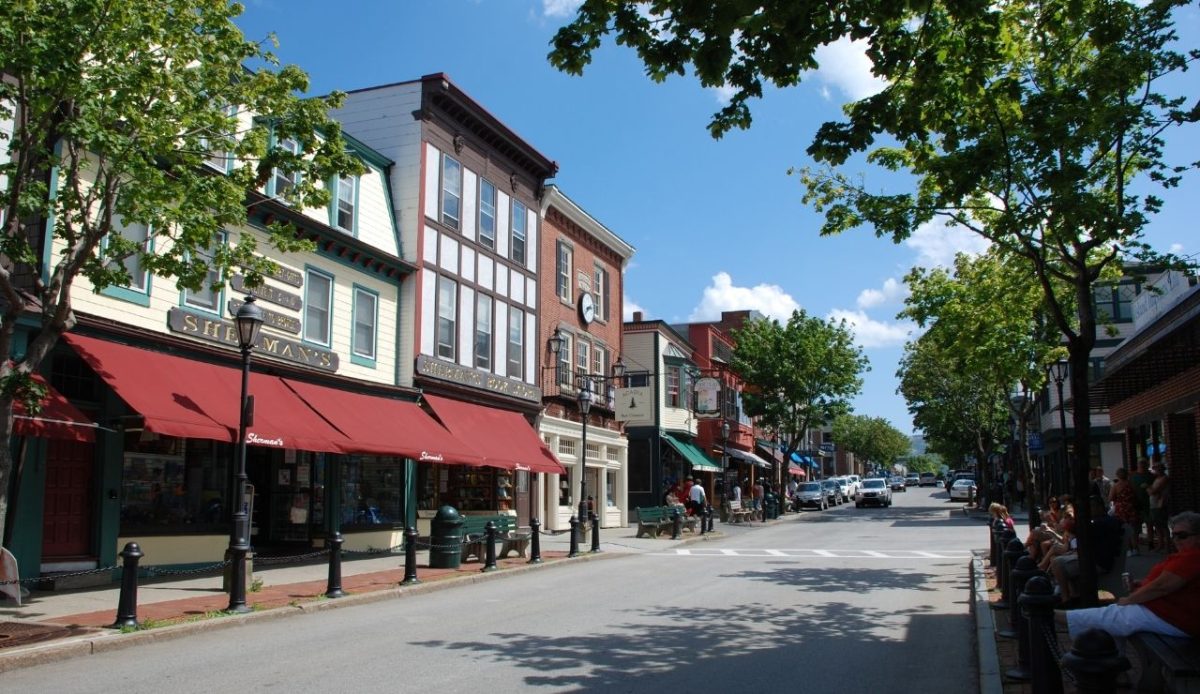
Bar Harbor’s village center is a tight historic waterfront downtown that serves as the main gateway to Acadia. Town rules require short-term rentals to register annually and follow safety and parking standards.
Local housing discussions have treated STR growth as a driver of lost long leases. When homes shift to weekly guests during peak season, restaurants and shops report hiring problems because workers cannot live close by. Winter occupancy also drops when units are held for summer income.
Policy updates have aimed to limit impacts through licensing, fees, and enforcement against unregistered units. The intent is to keep a resident base downtown so services can operate beyond the summer rush.
6. Nantucket, Massachusetts
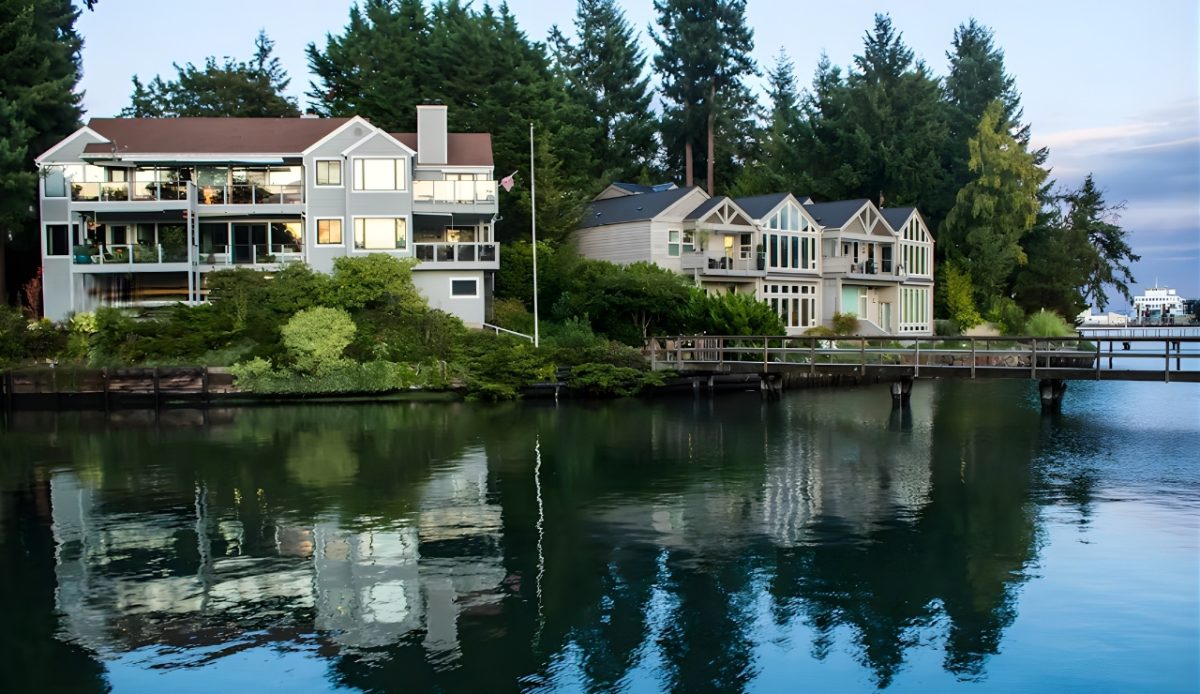
Nantucket’s historic downtown faces a fixed housing supply shaped by island geography and preservation limits. Debates over short-term rentals have centered on how many homes are being used as weekly lodging rather than residences.
Town meeting proposals and legal disputes have cited reduced year-round occupancy, fewer stable leases, and pressure on workforce housing. When seasonal use dominates, schools, clinics, and civic groups lose the steady membership that keeps services running.
Regulatory options have included registration, limits by zone, and tighter definitions of rental activity for taxation and enforcement. The consistent aim is to protect permanent living in the historic core, not expand visitor capacity.
7. Provincetown, Massachusetts

Provincetown’s compact historic center blends housing above shops with a walkable commercial strip at the tip of Cape Cod. A town commissioned a STR study, reviewed registration data, and described how conversions reduce long-term rental supply.
The impact shows up in staffing. Employers serving downtown report workers doubling up, moving off Cape, or leaving mid season when rent spikes and lease options disappear. Some businesses cut hours despite steady visitor demand.
Regulatory changes have used licensing, caps, and stricter compliance checks tied to health and building codes. Officials frame the work as keeping the downtown inhabited year-round instead of becoming a seasonal lodging market.
8. Park City, Utah
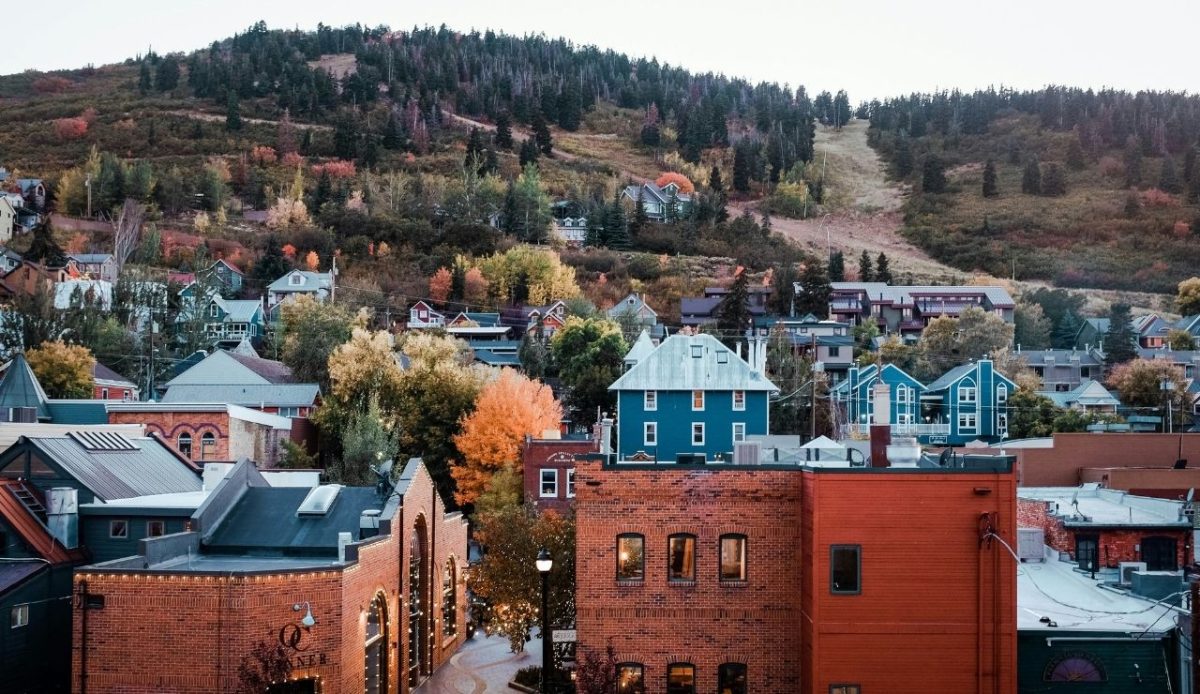
Park City’s Old Town is a preserved mining-era downtown with a limited housing supply and strict zoning. City housing assessments identified short-term rentals as a direct cause of long-term units leaving the residential market in the core area.
As properties shifted to nightly use, service workers supporting downtown restaurants, shops, and transit were forced to relocate to outlying towns. This increased commute times and reduced weekday activity in Old Town neighborhoods.
The city expanded deed restrictions, permit limits, and employee housing programs. Official planning language states these measures are intended to protect residential stability in the historic downtown rather than accommodate additional visitor lodging.
9. Whitefish, Montana
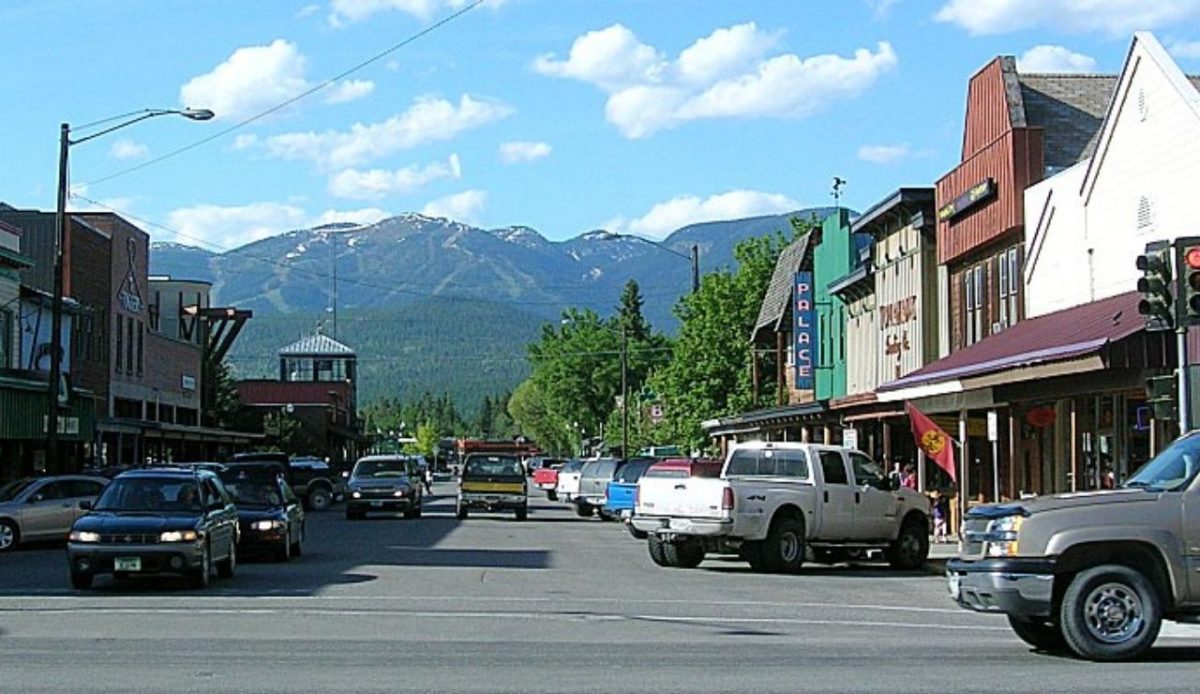
Whitefish’s historic downtown sits near the railroad corridor and serves as the town’s commercial heart. City enforcement reports and state journalism documented a rise in unregistered short-term rentals within residential blocks close to downtown.
Housing officials linked these conversions to workforce shortages, noting that employees in retail, food service, and maintenance struggled to find long leases near their jobs. Neighborhoods reported fewer permanent residents and higher turnover.
The city strengthened registration rules, fines, and compliance tracking. Public statements frame regulation as protecting housing access in the downtown area, ensuring it remains a functioning neighborhood rather than a visitor-only zone.
10. Bend, Oregon
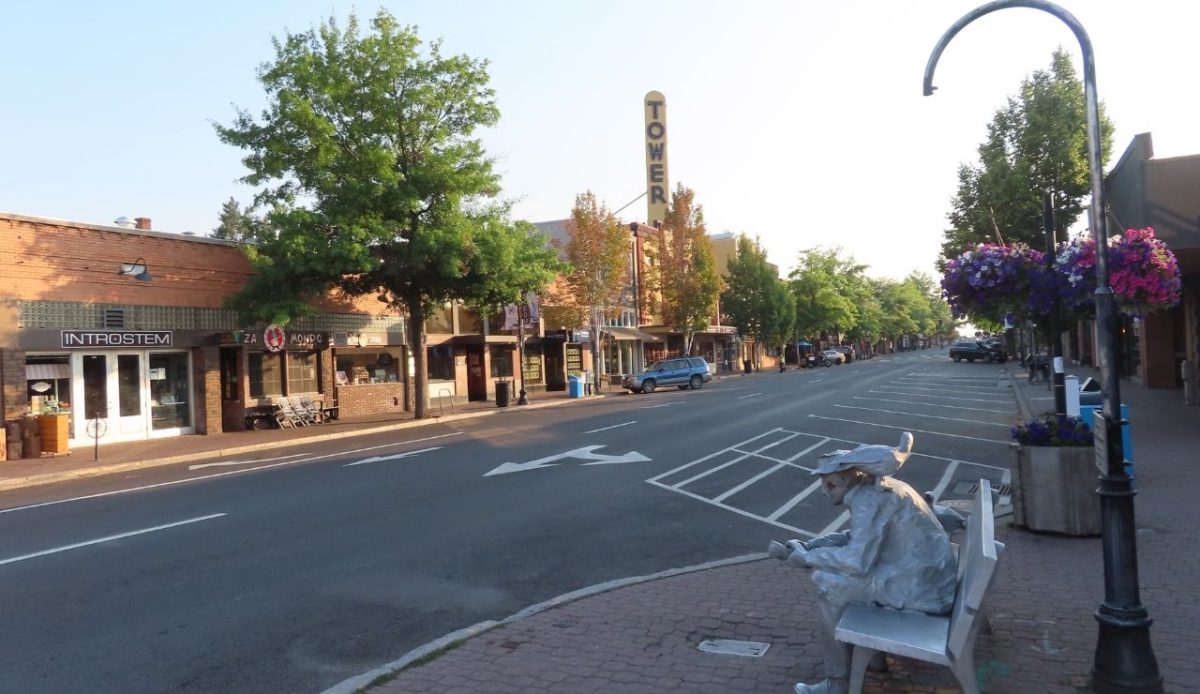
Bend’s Old Town and adjacent historic neighborhoods experienced steady growth in permitted short-term rentals over the past decade. Local analysis of permit data showed each approval removed a unit from the long-term housing pool.
As prices rose, workers in downtown businesses increasingly lived farther away, reducing daily foot traffic and weakening resident presence. Core neighborhoods lost population even as visitor counts climbed.
Policy debates and ordinance updates consistently cite housing preservation as the reason for limiting STR density. City documents emphasize maintaining residential use in central districts to support long-term economic stability.
11. Key West, Florida
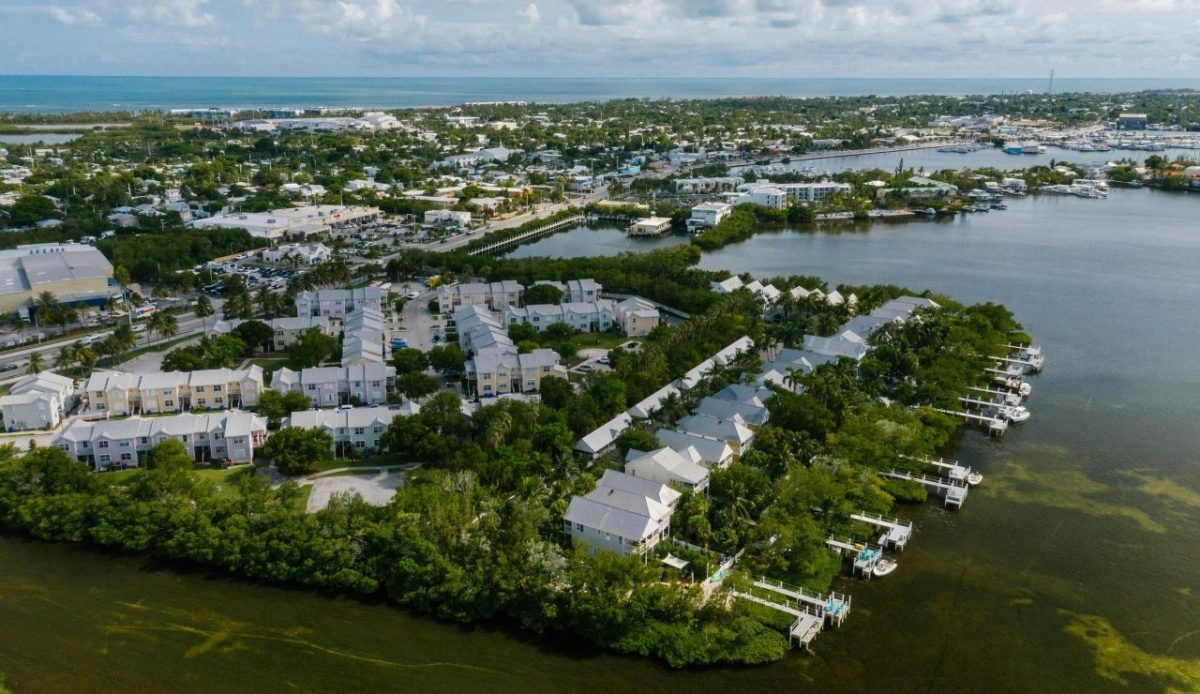
Key West’s Old Town is one of the state’s most intact historic residential districts. Local reporting tied vacation rentals to rising rents and loss of housing for hospitality and public service workers.
As homes converted to short-term use, many workers relocated to the mainland or distant islands. This reduced year-round residency and increased strain on downtown employers who rely on nearby labor.
Zoning limits, permit caps, and enforcement actions focus on retaining residential occupancy in Old Town. City policy frames STR control as necessary to prevent the historic core from becoming a lodging district.
12. Santa Fe, New Mexico

Santa Fe’s Plaza area anchors the city’s historic identity and cultural economy. Housing plans and zoning codes regulate short-term rentals through permits and location-based restrictions near historic districts.
Officials linked STR activity to reduced housing availability close to downtown jobs in arts, hospitality, and public services. Limited supply magnifies even small shifts from long leases to nightly use.
Santa Fe’s regulatory approach treats STRs primarily as a housing issue. Policy language stresses keeping the historic core occupied by residents to sustain daily life, not expanding visitor accommodations.
