
Scenic road trips are often sold as peaceful getaways, with travel ads showing open roads, dramatic views, and a slower pace than air or city travel. The appeal is obvious: more freedom, more scenery, and the sense that the journey itself is part of the vacation.
But crash patterns on scenic and rural roads show a less comforting reality. Many famous routes combine sharp curves, limited shoulders, changing weather, and long periods of concentrated driving.
That contrast matters. A road can look serene in a brochure while demanding constant focus from the driver, especially during busy travel months when fatigue and distraction rise together.
The View Itself Can Become a Driving Hazard
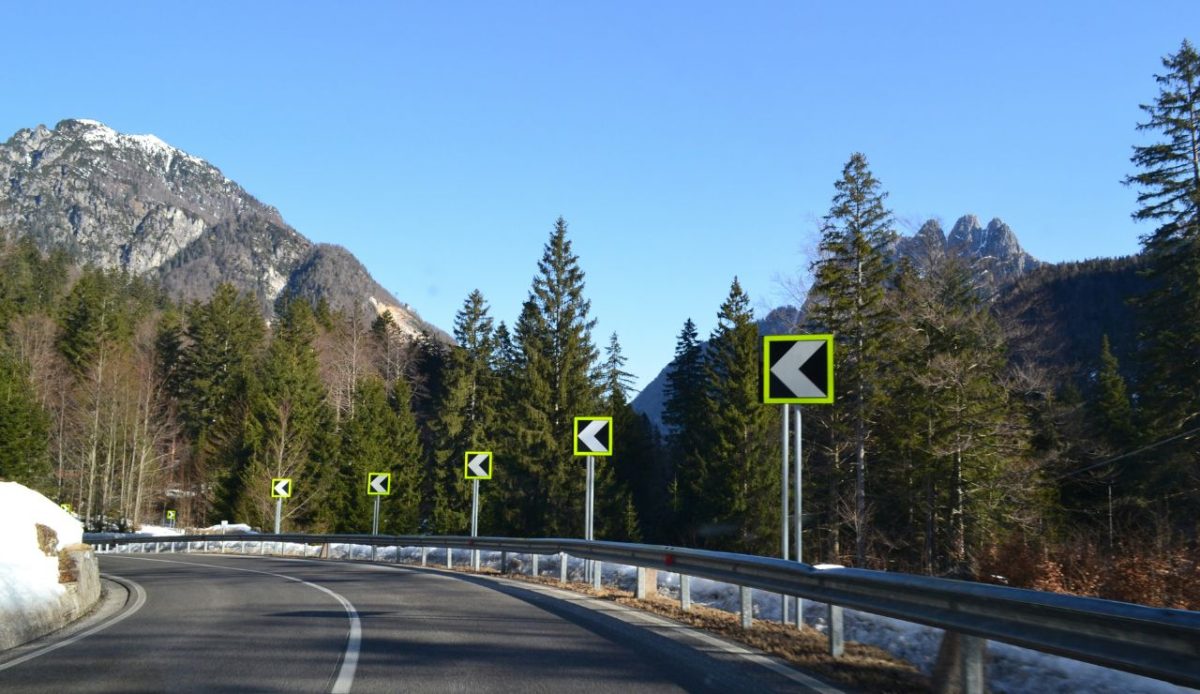
One reason scenic drives can be more dangerous than expected is distraction. The same landscapes that attract travelers also compete for a driver’s attention. Mountains, coastlines, waterfalls, and overlooks can pull the eyes away from the road.
Even a brief distraction can matter on roads with tight curves or sudden elevation changes. A driver may not be texting or speeding, yet still lose important seconds by focusing on the view instead of the lane ahead.
That is why these routes feel relaxing, mainly for passengers. For the person behind the wheel, the road often requires steady concentration from start to finish.
Scenic Roads Often Have Riskier Physical Conditions
Many scenic roads are built through difficult landscapes rather than around them. That often means narrow lanes, blind turns, steep grades, minimal shoulders, and limited barriers between vehicles and the edge of the road.
Routes praised for their beauty may also be physically demanding to drive. A mistake on a wide modern highway can sometimes be corrected quickly. On a winding mountain or coastal road, the same mistake may have far more serious consequences.
The challenge is structural as much as behavioral. These roads were not designed for casual sightseeing at speed, even though they are often marketed as effortless vacation drives.
Weather Can Change the Road Faster Than Expected
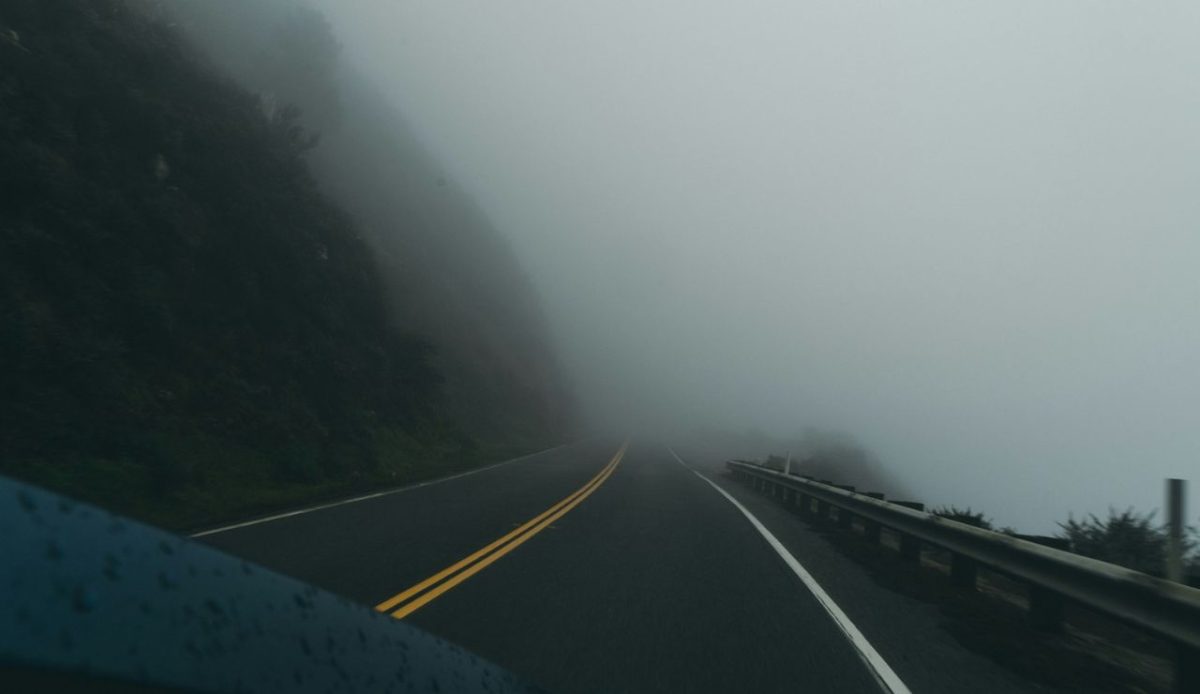
Weather is another reason scenic routes deserve more caution than their image suggests. Conditions can change quickly on mountain, forest, or coastal roads, where fog, rain, wind, or glare can reduce visibility with little warning.
A route that seems simple in clear weather may become much harder when the pavement turns slick or the horizon disappears. Drivers unfamiliar with the area may also struggle to judge corners, braking distances, or fading daylight.
That uncertainty adds pressure. The road may still look beautiful, but safe driving depends on adjusting to conditions rather than trusting the postcard version of the trip.
Rural Isolation Increases the Consequences of Mistakes
Scenic road trips also tend to involve long stretches of rural driving, and that comes with its own risks. Remote roads may have fewer services, weaker phone reception, limited lighting, and slower emergency response after a crash.
Distance creates another problem: fatigue. Drivers may underestimate how tiring it is to stay alert for hours on curving or isolated roads, especially when they are trying to fit multiple stops into one day.
Crash risk rises when tired drivers keep pushing through unfamiliar terrain. A scenic route can feel unhurried on paper while quietly demanding more stamina and judgment than expected.
Safer Trips Start With More Realistic Expectations
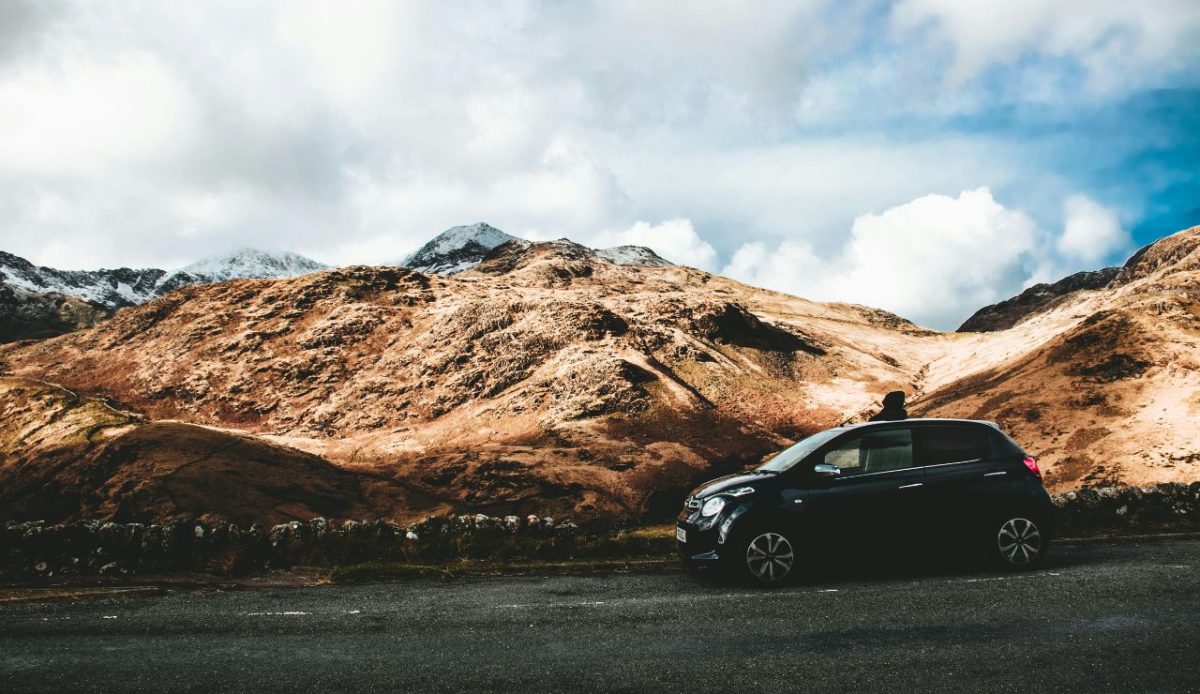
A safer scenic road trip starts with dropping the idea that a beautiful drive is automatically an easy one. Drivers need to treat these routes as active road environments that require planning, patience, and full attention.
That means using designated pullouts instead of looking around while moving, checking the weather and daylight before departure, keeping speeds realistic, and taking breaks before fatigue starts shaping decisions.
Scenery is best enjoyed when the road is respected first. The best trip is not the fastest or most packed itinerary, but the one planned with the understanding that scenic roads can be demanding and memorable.
