
Across rural America, small Amtrak stations have long served as quiet lifelines linking remote towns to major cities. For many residents, these stops provide access to jobs, medical care, family visits, and tourism opportunities.
However, budget pressures, low ridership numbers, and infrastructure challenges are leading to the gradual shutdown of several smaller stations.
While closures may streamline operations for rail providers, the impact on rural communities can be significant. Travelers who once relied on convenient local boarding now face longer drives, limited alternatives, and increased travel costs.
1. Fort Morgan, Colorado
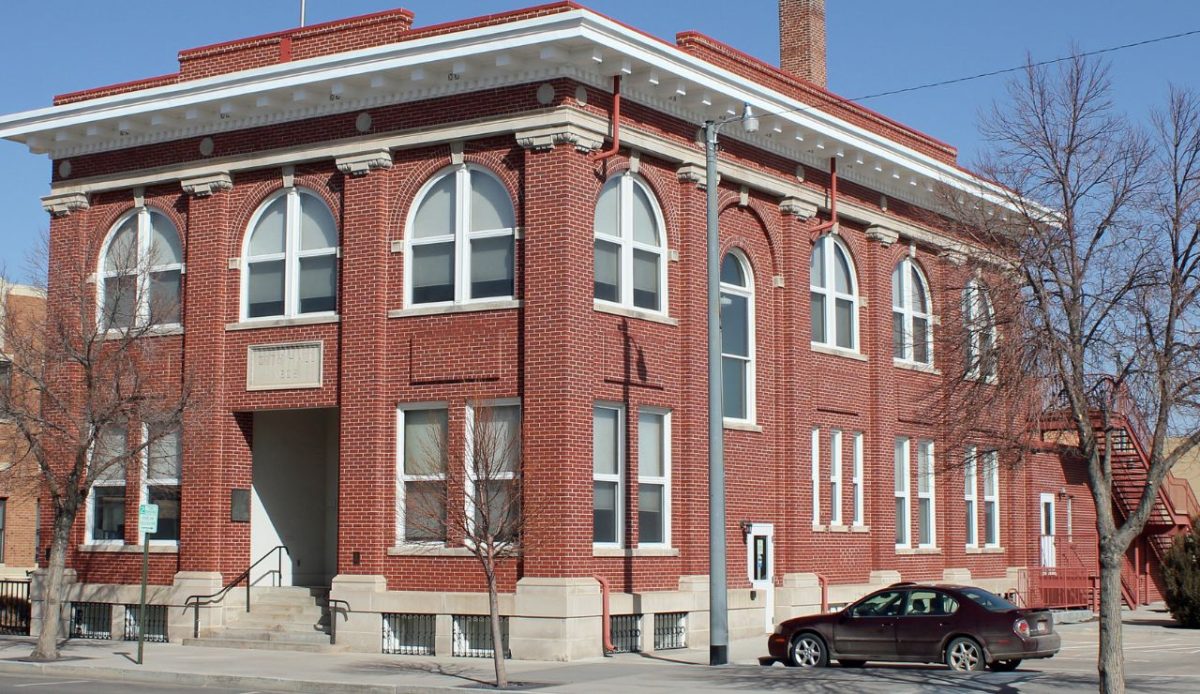
Fort Morgan’s small rail stop has traditionally connected northeastern Colorado to Denver and beyond. With limited public transportation options in the region, the station played an important role for residents without easy highway access.
As service adjustments reduce staffing and amenities, rural travelers may need to drive considerable distances to larger hubs. This shift increases both time and expense for passengers who once boarded locally.
Local tourism may also decline, as visitors accustomed to convenient train access now face logistical challenges. Businesses relying on stopover traffic could see declining revenue, and community events may struggle to attract attendees from outside the immediate area.
2. Sanderson, Texas
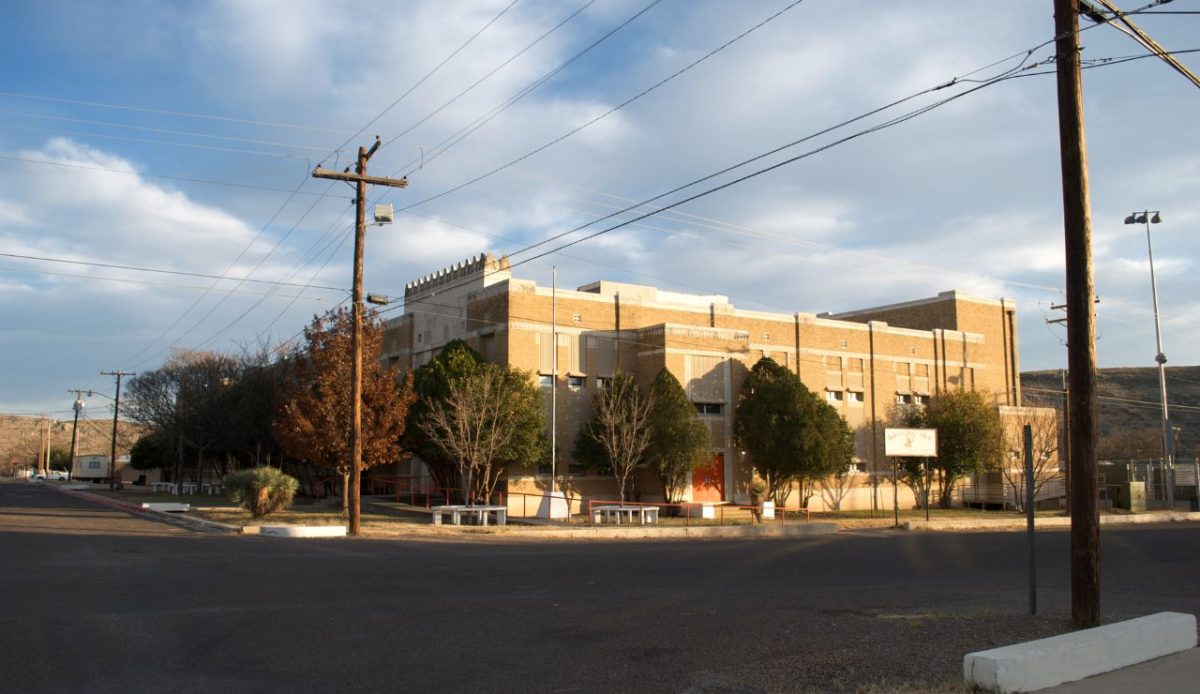
Located along a remote stretch of West Texas, Sanderson’s station has long been one of the quietest stops on the Sunset Limited route. Its isolation makes alternative travel options scarce.
If service reductions continue, residents could face multi-hour drives to reach the next operational rail station. That burden falls especially hard on elderly travelers and those without reliable vehicles.
Reduced station access can also discourage tourists who might explore West Texas landscapes. Local businesses, from diners to motels, may experience fewer customers, and seasonal festivals could see declining participation, further isolating a community that relies on rail connectivity for economic vitality.
3. McCook, Nebraska
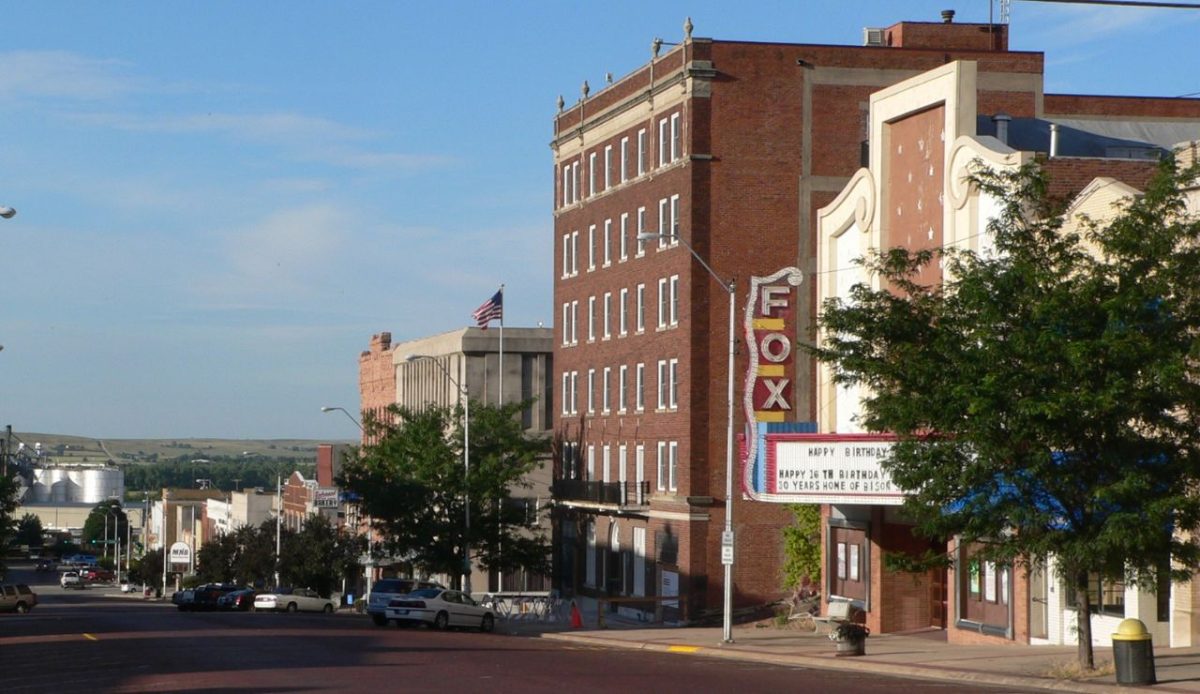
McCook has historically served as a modest but meaningful stop along Nebraska’s rail corridor. For college students, families, and retirees, the station offered an affordable way to reach larger Midwestern cities.
Reduced staffing and limited schedules make rail travel less predictable. When service becomes inconsistent, travelers often turn to personal vehicles instead. The shift can impact commuting options for residents without cars and may limit access to healthcare and educational opportunities.
Local economies dependent on visitor traffic, including diners and small shops near the station, face declining patronage. Reduced exposure to travelers may also affect cultural exchange and tourism awareness for the surrounding region.
4. Wishram, Washington
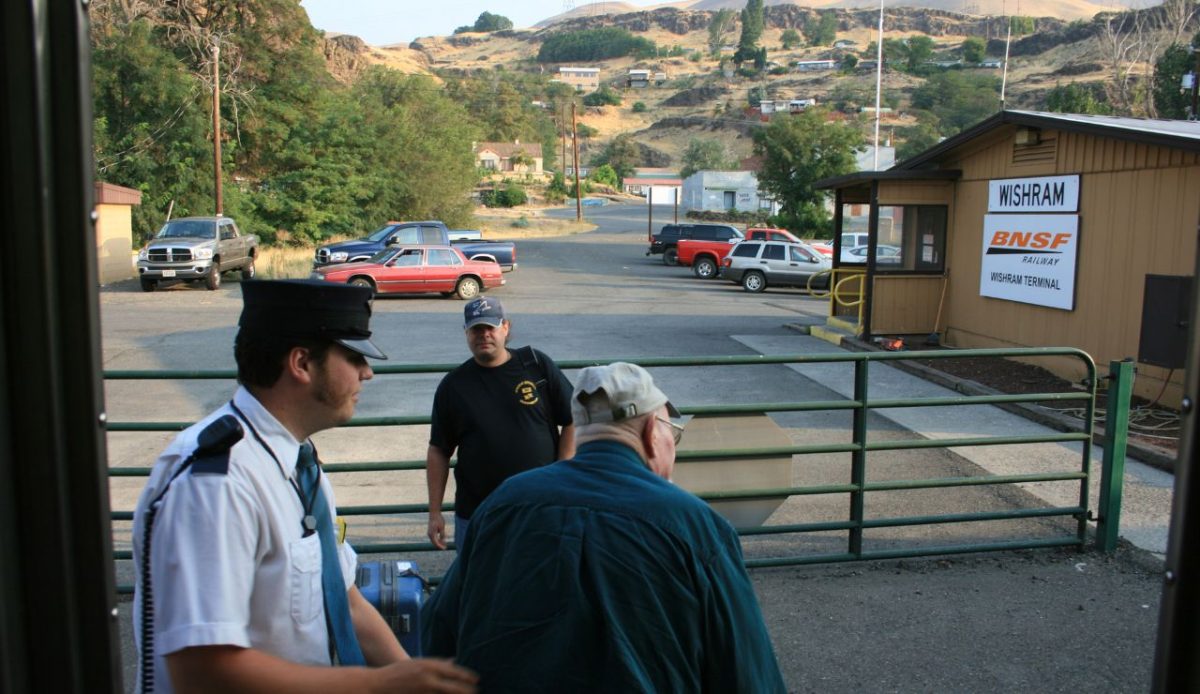
Nestled along the Columbia River, Wishram’s station has provided rail access in an area with few other public transit choices. The scenic route attracts occasional tourists, but local usage remains modest.
With budget concerns rising, maintaining lightly used stops becomes harder to justify financially. However, closing such stations removes vital mobility for residents who depend on rail.
Tourism is also affected as outdoor enthusiasts who use trains to reach hiking trails, river excursions, or small lodges may reconsider visiting. Economic activity linked to seasonal visitors, including local cafes, gas stations, and outfitters, could see noticeable declines if rail access is lost.
5. Green River, Utah
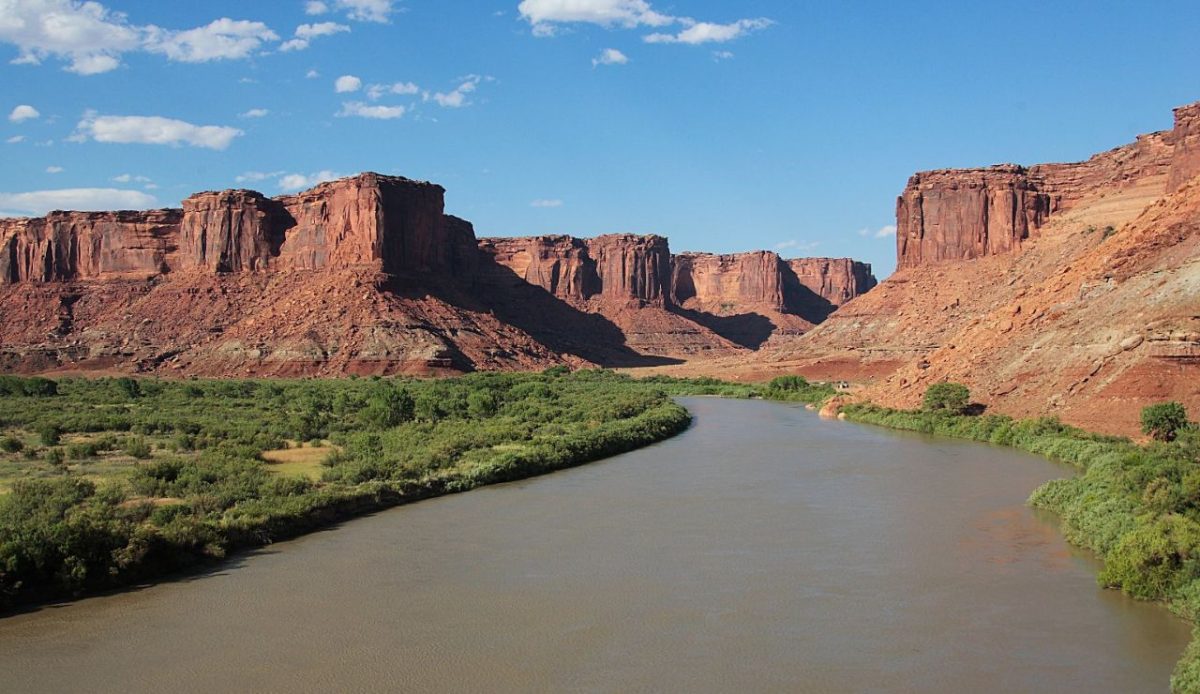
Green River sits in a remote desert landscape, making its Amtrak stop particularly valuable for residents and adventurous travelers alike. The station connects isolated communities to larger urban centers.
Service cuts or closures would force passengers to drive across long stretches of highway before accessing the rail. That extra distance discourages casual travel and increases fuel costs.
Visitors hoping to explore nearby parks, scenic byways, or historic sites may skip the area entirely, impacting lodging, dining, and tour operators. For locals, longer commutes could affect access to healthcare, education, and city services, exacerbating rural mobility challenges and potentially driving population decline.
6. Connellsville, Pennsylvania
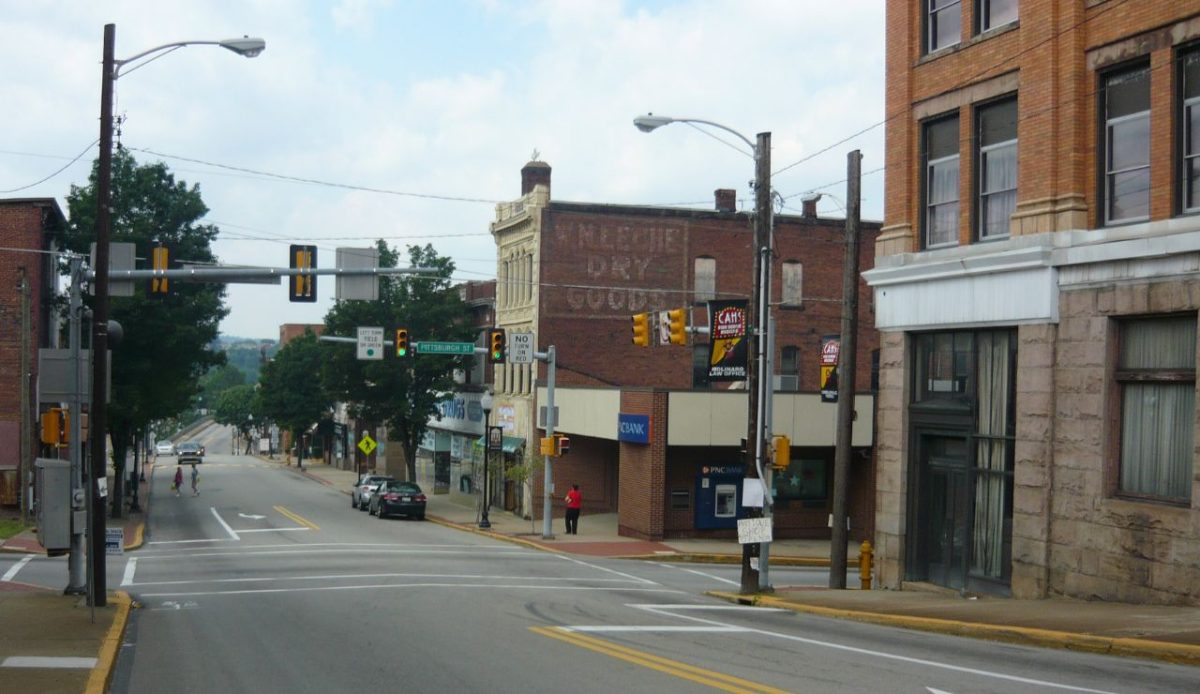
Connellsville’s historic station once symbolized strong rail connectivity in western Pennsylvania. While still active, reduced services and limited schedules make long-distance travel less convenient.
Rural travelers in the surrounding areas depend on smaller stops to avoid driving into Pittsburgh. If closures expand, commuters and leisure passengers alike may face longer journeys before boarding.
Decreased accessibility may also affect tourism to the scenic Laurel Highlands region. Restaurants, motels, and local attractions may experience fewer visitors, and community events relying on travelers from neighboring towns could see declining attendance, eroding regional tourism benefits over time.
7. Hazelhurst, Mississippi
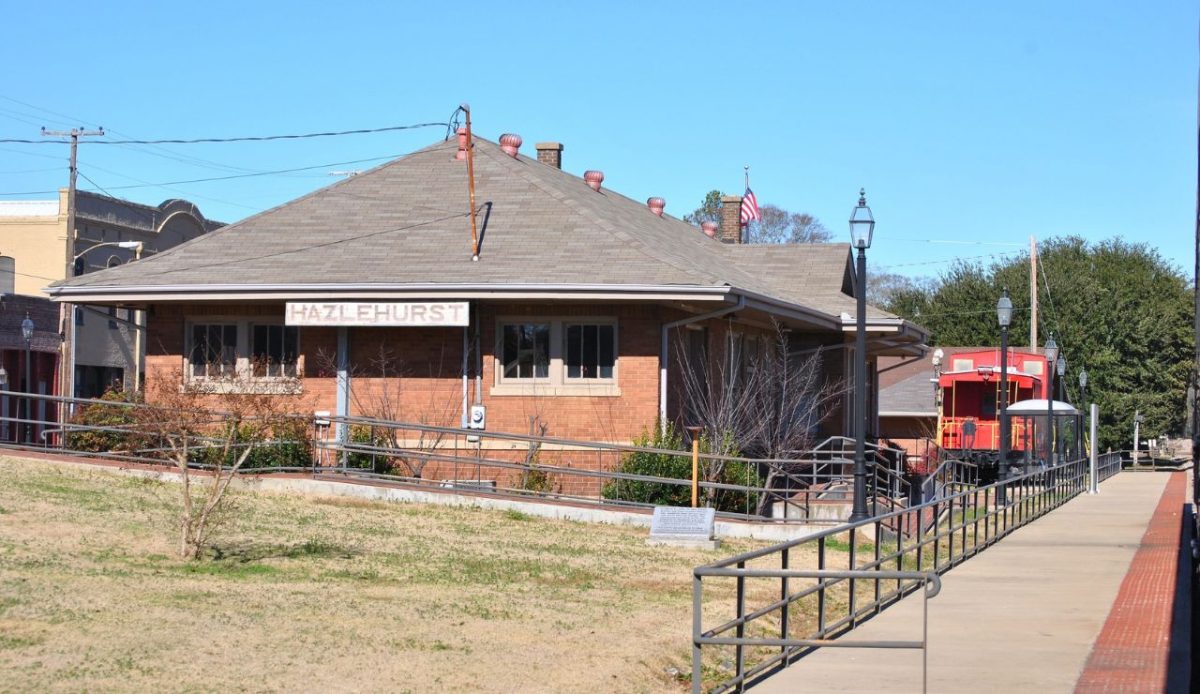
Hazelhurst represents many Southern towns where rail remains one of the few public transportation options. The station links residents to Jackson and New Orleans along key routes.
If smaller stops are phased out, travelers without dependable vehicles may struggle to maintain mobility. Long drives to alternative stations add logistical and financial strain. Seasonal tourists and students relying on the train for affordable travel may avoid the area entirely.
Local shops, eateries, and lodging facilities that benefit from transient passengers could see reduced patronage, threatening the small-town economy and diminishing cultural exchange between rural and urban communities.
8. Dillon, Montana
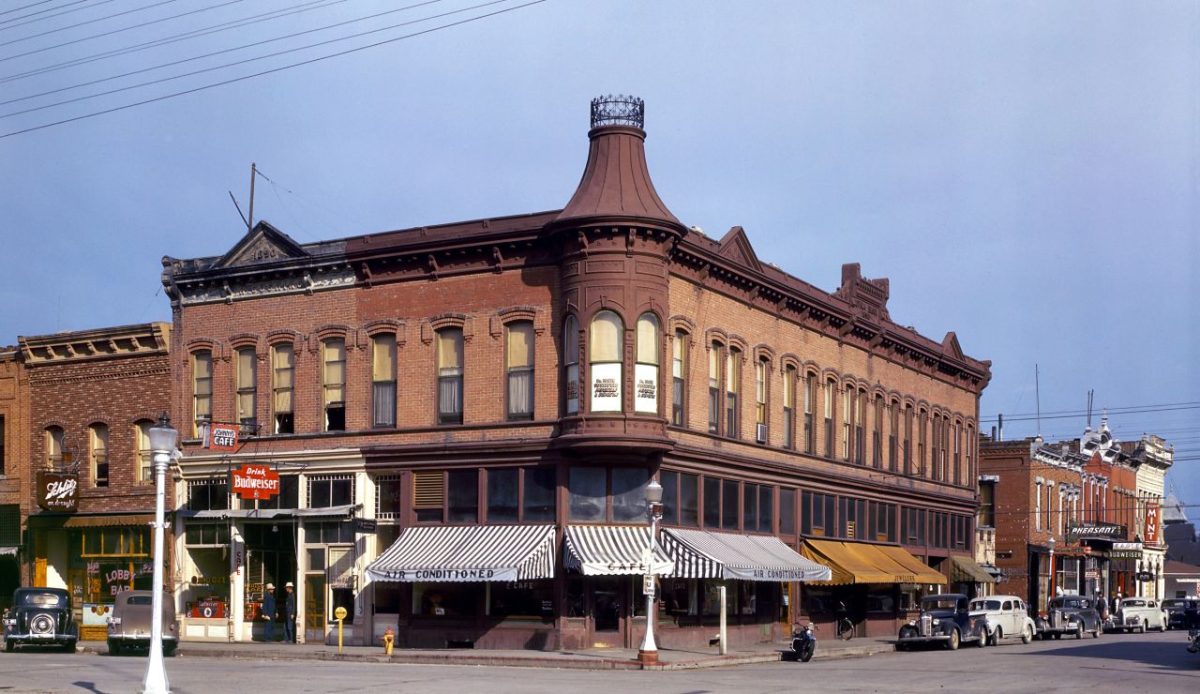
Dillon’s station connects southwestern Montana to broader national routes. With wide-open landscapes and limited airports nearby, rail offers a practical alternative.
Operational downsizing or eventual closure would require residents to travel significant distances before reaching another boarding point. That added effort reduces spontaneous travel and increases planning complexity.
Tourists seeking nearby recreational areas, including fishing, hiking, and historic landmarks, may choose alternative destinations. Reduced station use also affects the viability of local businesses that rely on visitor traffic and may limit social connections for residents who depend on convenient rail service.
9. La Plata, Missouri
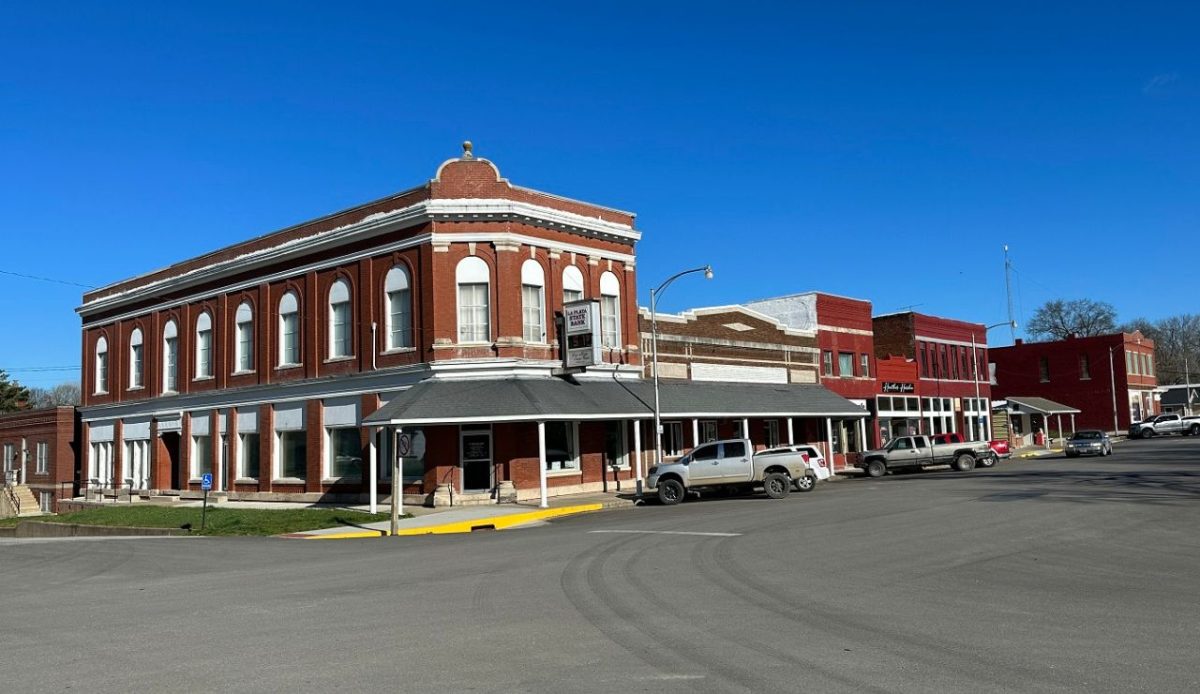
La Plata serves as a modest but strategic rail stop in northern Missouri. Its presence supports both local residents and visitors exploring rural attractions.
If Amtrak consolidates services to larger hubs, travelers may have to rely more heavily on private vehicles. That shift increases fuel usage and costs for families and could disproportionately affect low-income households.
Tourism-related businesses, including small motels and dining establishments, may experience fewer customers. Seasonal festivals or regional events drawing travelers by rail could see reduced participation, altering the cultural and economic vibrancy of the community.
10. Toccoa, Georgia
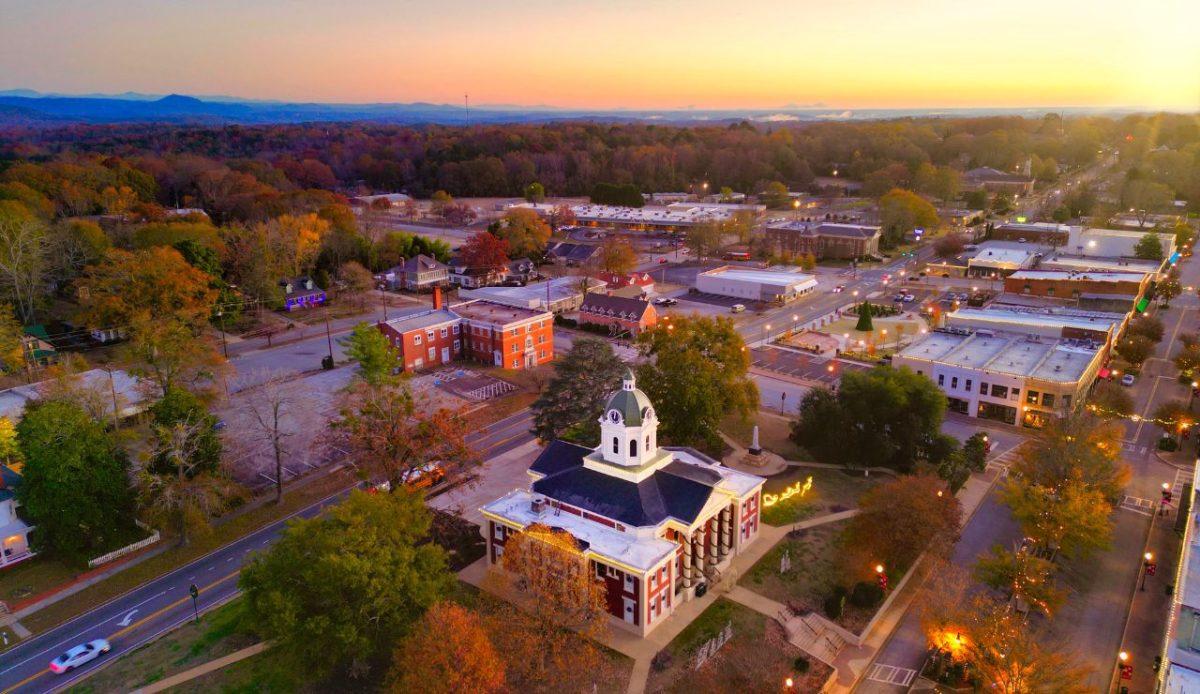
Toccoa’s station has historically supported travelers in Georgia’s northeastern foothills. For many, rail offers a less stressful alternative to highway travel.
When smaller stops experience limited staffing or shortened hours, reliability becomes uncertain. Passengers may hesitate to book trips without confidence in consistent service. Reduced access can impact both residents and visitors seeking hiking trails, historic sites, and local attractions.
Local hospitality providers and businesses that benefit from train passengers may face declining revenue, further challenging small-town economic resilience in a region already distant from major transportation hubs.
11. Grand Forks, North Dakota
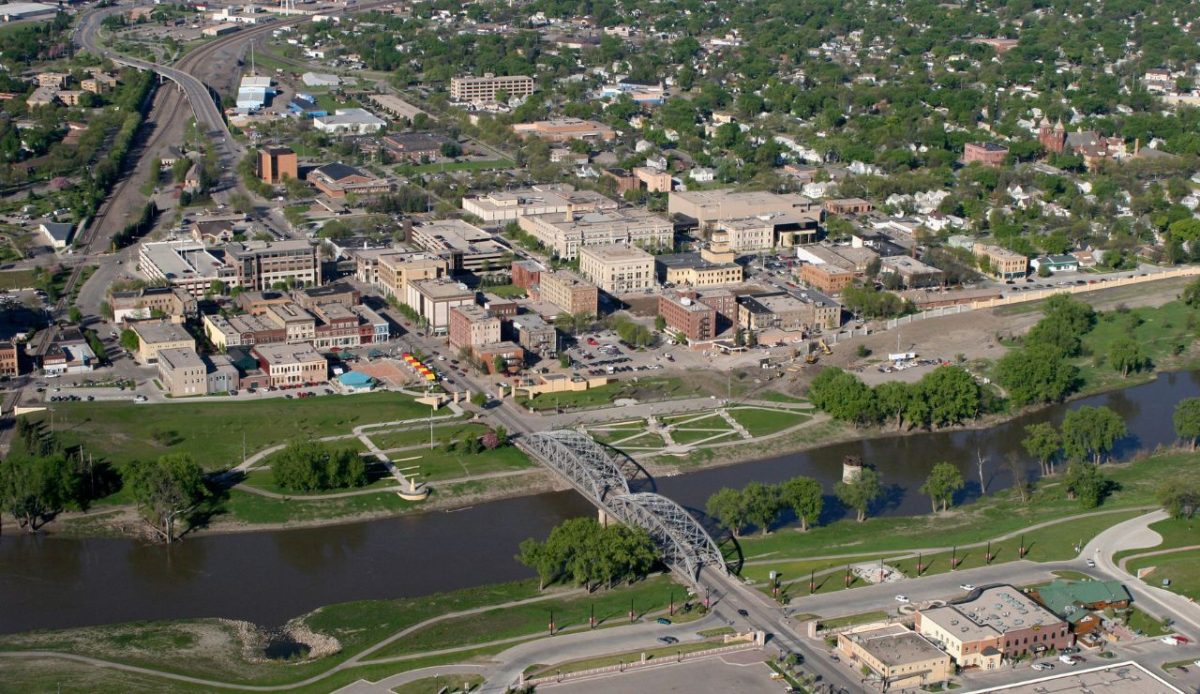
Grand Forks acts as an important link in the Upper Midwest. Although not tiny, its station supports many rural communities in surrounding areas.
Should smaller regional stops continue closing, remaining stations may face increased pressure and congestion. Travelers could encounter longer waits and more crowded departures. For visitors exploring nearby lakes, parks, or cultural landmarks, reduced convenience may discourage trips entirely.
Local retailers, hotels, and restaurants that depend on rail passenger traffic may see declines, affecting the wider economic ecosystem around the station and weakening the town’s tourism appeal over time.
12. Whitefish, Montana
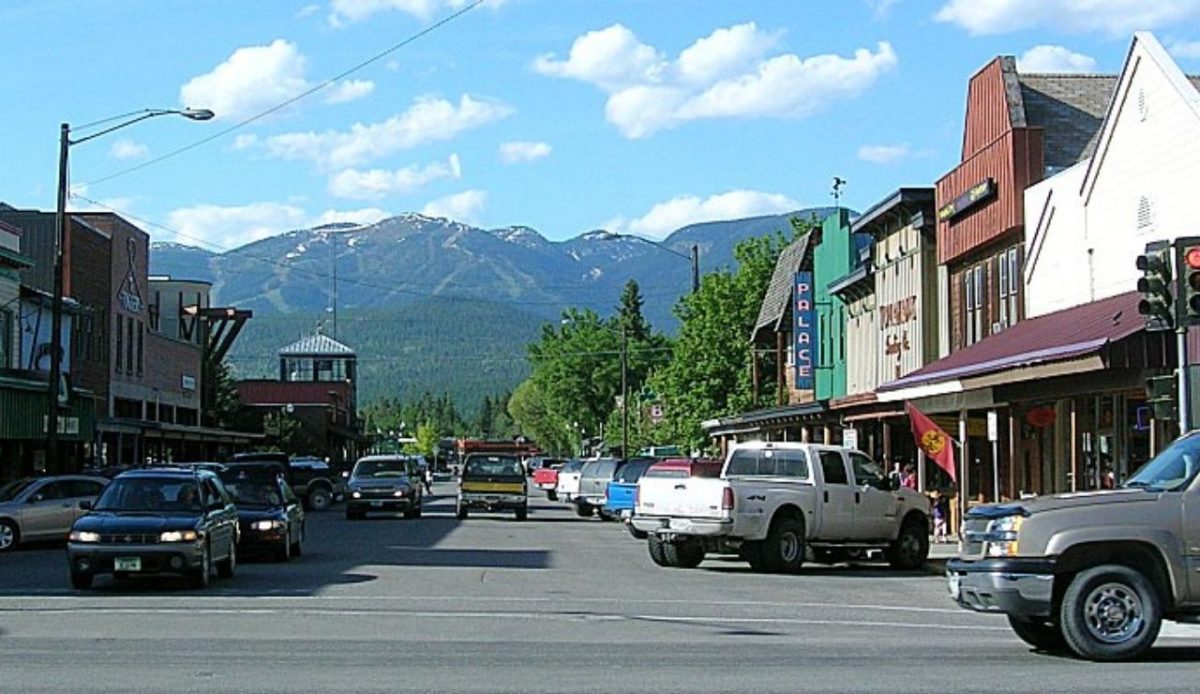
Whitefish is better known than many rural stations, yet it still represents how smaller communities depend on rail tourism. Its stop supports both residents and park visitors.
If consolidation trends continue elsewhere, pressure on mid-sized stations like Whitefish may grow. Increased traffic could change the travel experience entirely. Limited rail access for remote visitors may reduce exploration of Glacier National Park and nearby outdoor activities.
Lodging, dining, and tour services reliant on seasonal rail tourism could face economic challenges, emphasizing how even moderately busy stations play a critical role in sustaining local economies and preserving rural mobility.
