
Public driving access inside the national park system is being reduced in ways that do not come back. When roads are damaged by floods, erosion, or ground failure, the National Park Service sometimes ends the route instead of rebuilding it.
This list is limited to road or road segment closures described in official park records as permanent, terminated, or converted away from vehicle use. Seasonal gates, construction detours, and repair-pending closures are excluded.
Each example names the road, explains what triggered the shutdown, and notes how access works now. The pattern is consistent; once a route is removed from the drivable network, nearby trailheads and backcountry entries become harder to reach.
1. River Road, Grand Teton National Park
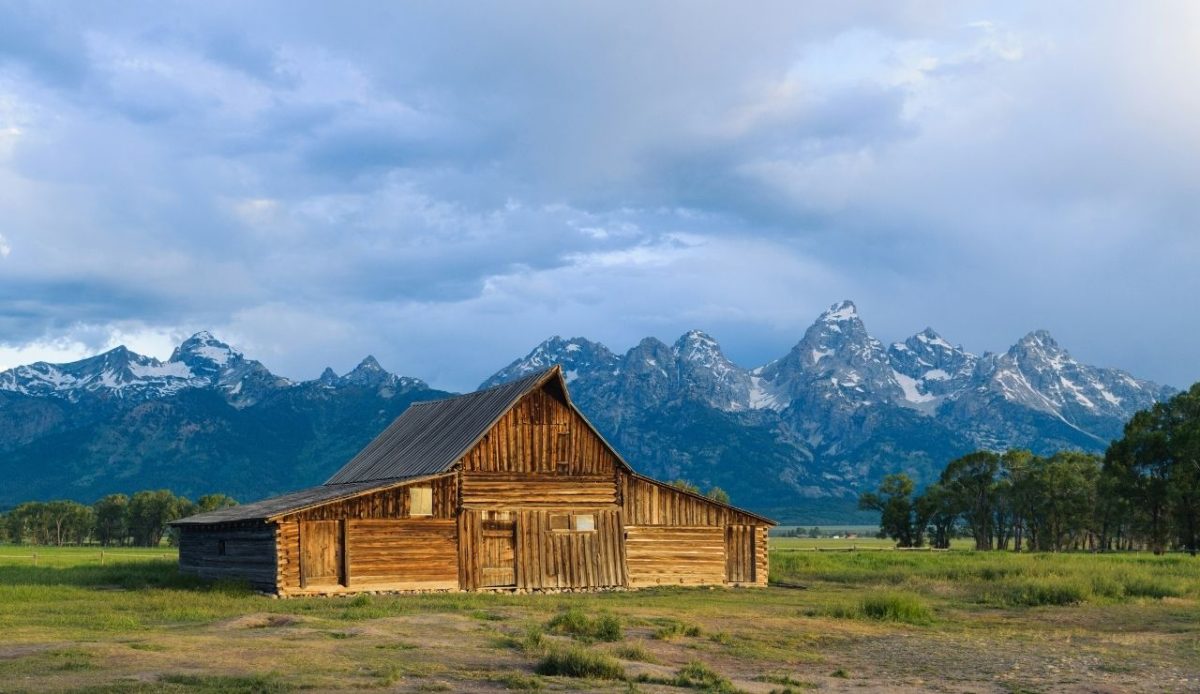
River Road tracked the Snake River near Bar BC and let drivers reach a quiet stretch of shoreline in Grand Teton. The problem was not traffic volume. It was the river itself that kept biting into the bank and stripping away the roadbed.
Park managers weighed armoring the bank and rerouting the alignment. Those fixes would have required repeated heavy work and would have pushed impacts into the riparian habitat that the park is directed to protect.
The park compendium states the segment will be permanently closed and that the road’s existence is terminated. After that action, the route stopped being a park road, and access shifted to foot travel along the former corridor.
2. Golden Gate Road, Saguaro National Park
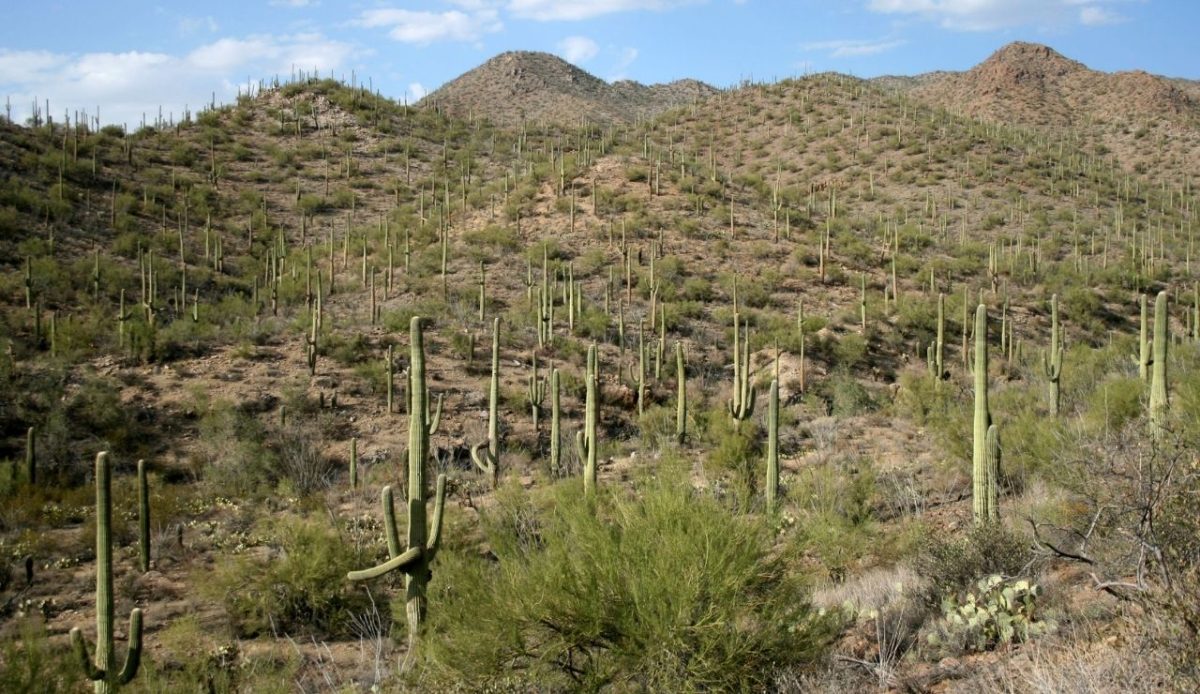
Golden Gate Road in Saguaro’s Tucson Mountain District used to carry cars into a rugged area west of town. Storm runoff repeatedly cut ruts and removed surface material, creating a cycle of repairs that did not last.
NPS shifted the corridor away from motor use rather than rebuilding for higher speeds. That choice reduced sediment movement and limited the need for heavy equipment in an area with sensitive desert soils and vegetation.
The park’s current conditions page says the segment between Sendero Esperanza and Picture Rocks is permanently closed to vehicle traffic. It is now managed as a multi-use trail for hikers, bikes, and equestrians.
3. Teale Road, Indiana Dunes National Park
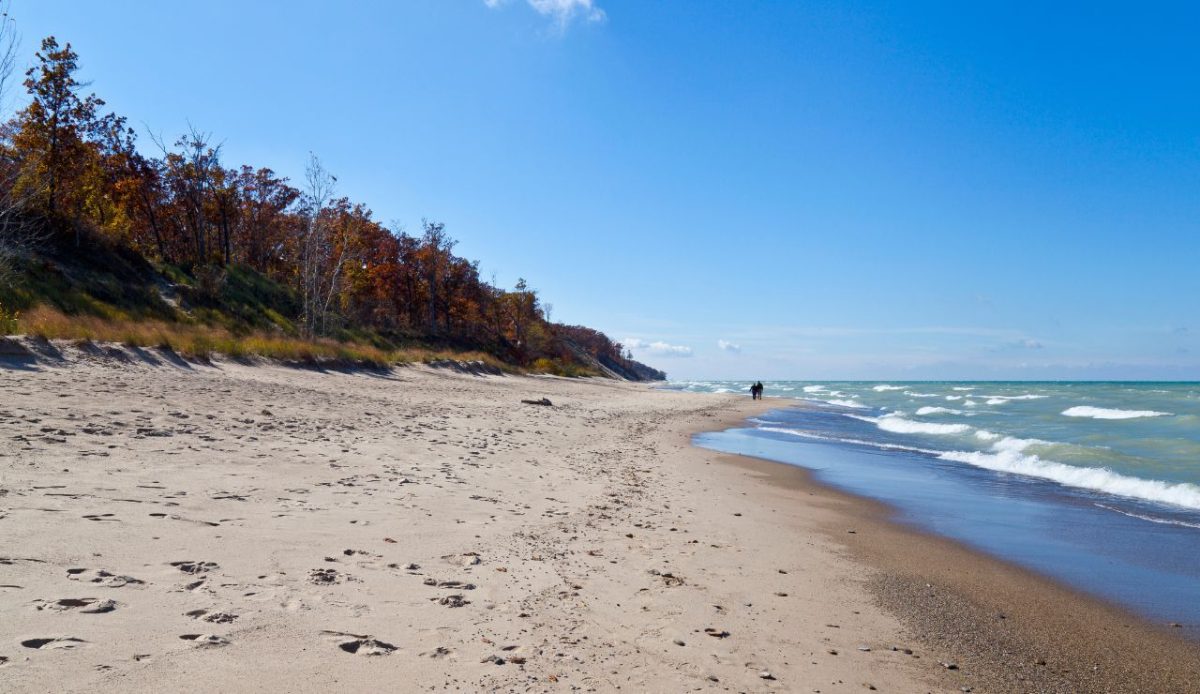
Teale Road at Indiana Dunes provided a cut through between U.S. 12 and Furnessville Road. The alignment ran near dunes and wetlands, where restoration goals and visitor safety concerns were increasing as use patterns changed.
NPS announced that motor traffic would be removed from the road. The stated purpose was to protect natural resources while reducing conflicts between vehicles and people using the area for walking and riding.
The park notice sets a firm closure date and states that the road is closed to motor vehicles going forward. Access for pedestrians and bicycles remains, but routine public driving along that corridor ended permanently.
4. Crater Rim Drive, Hawai‘i Volcanoes National Park
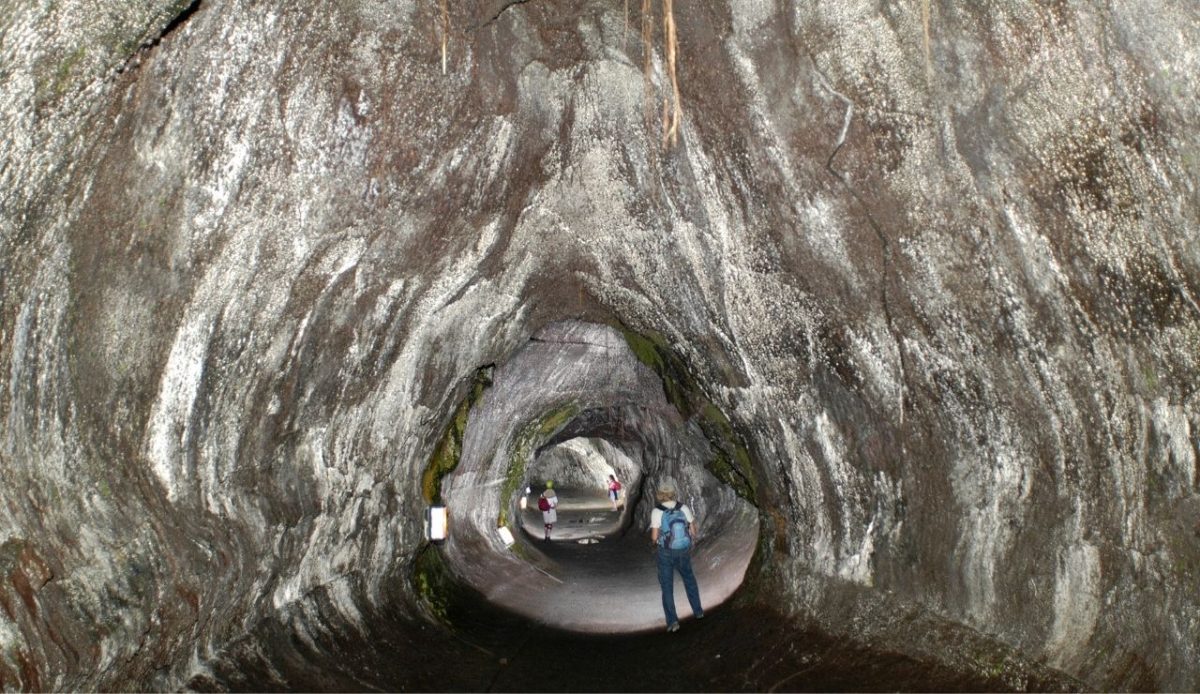
At Hawai‘i Volcanoes, Crater Rim Drive once allowed vehicles to skirt Kīlauea’s summit area near Waldron Ledge. Ground deformation and earthquake damage cracked the pavement and destabilized the edge, raising long-term safety issues.
Instead of rebuilding on shifting volcanic terrain, NPS removed vehicle access on the damaged stretch. That approach also reduced repeated disturbance in an area where geologic change is expected, and visitor risk must be controlled.
NPS landscape documentation notes that the Waldron Ledge section was permanently closed and later integrated into trail use. The drivable loop was shortened, and visitors now reach the area only by walking from the remaining open segments.
5. Lakeview Drive Tunnel, Great Smoky Mountains National Park
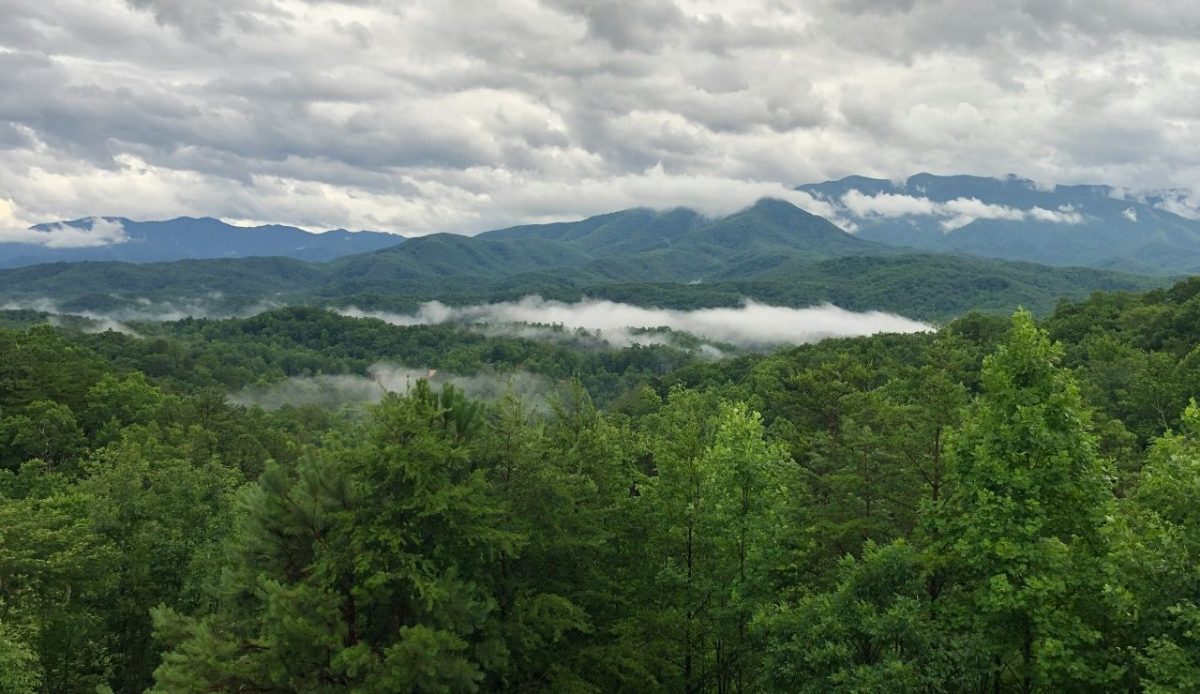
Lakeview Drive in the Great Smoky Mountains ends at a tunnel that was built for a road project tied to Fontana Dam land purchases. The connection was never completed, leaving an isolated tunnel and no route beyond it for cars.
Because the tunnel does not meet modern driving standards and has limited sight lines, it has been managed as a non-motorized feature. That decision avoids new construction in a valley where policy disputes halted the original plan.
NPS information for the site states the Lakeview Drive Tunnel is permanently closed to motorized vehicles. Visitors can walk through, but the point marks a hard end to vehicle access on that corridor inside the park.
6. Upper Stehekin Valley Road, North Cascades National Park Service Complex
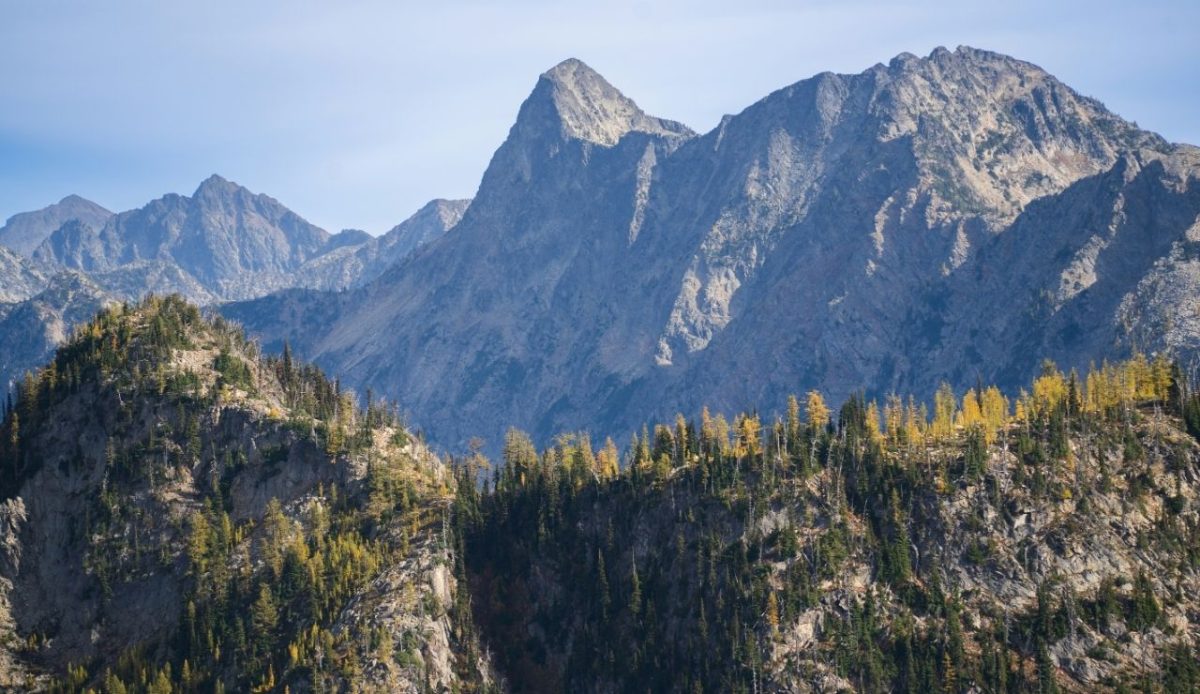
Upper Stehekin Valley Road served as a deep access route in the North Cascades complex, reaching farther up the valley than today’s drive. Repeated flooding and washouts damaged the road prism and made repairs short-lived.
NPS planning records describe a shift away from maintaining motorized access beyond key points. The decision reflects the cost and environmental disruption of rebuilding in a river corridor that is expected to change during storms.
Documents tied to the Stehekin planning process describe the upper road as permanently closed to motor vehicles. Travel beyond the closure relies on walking, biking, or boat-based approaches, reducing public driving in the valley.
7. Coastal Drive, Redwood National Park
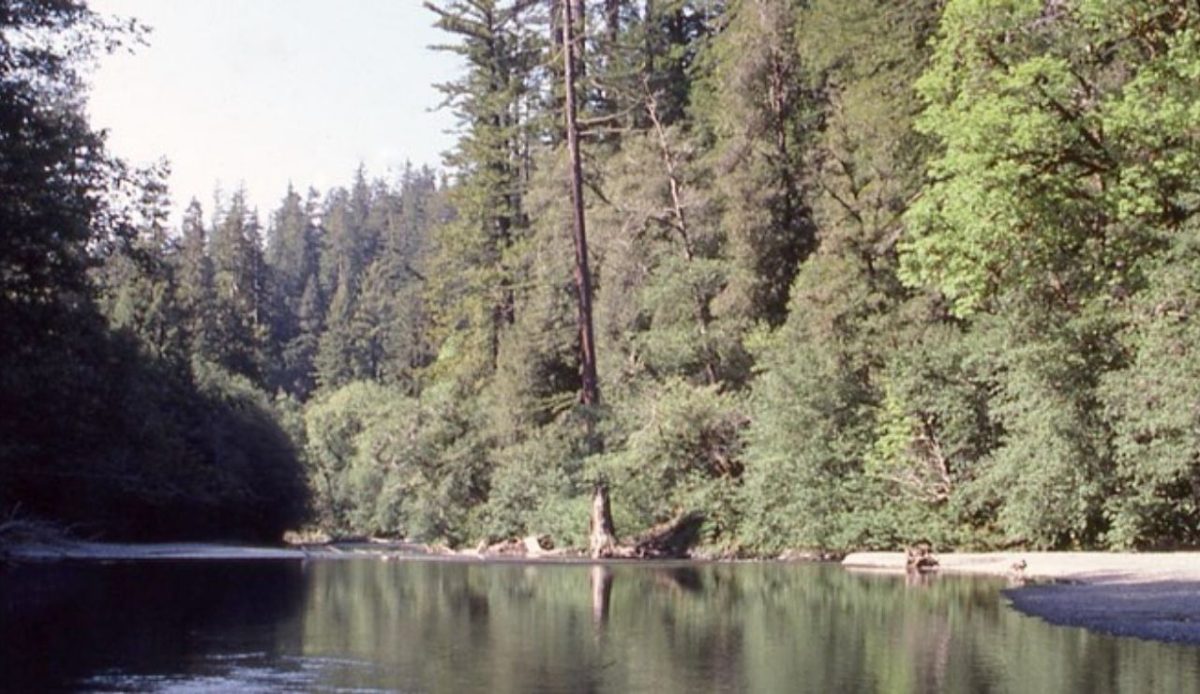
Coastal Drive at Redwood ran along unstable bluffs where waves and rain kept undermining the roadway. As the edge retreated, the margin for safe passage shrank, and maintenance became a constant response to slope failure.
Agency documents describe evaluating options that would either harden the coast or retreat the route. Long-term stabilization would require major earthwork, so the preferred direction became the removal of vehicle use and restoration of the site.
Environmental records used in permitting describe Coastal Drive as permanently closed to vehicle traffic, with conversion to trail use planned. That change ends scenic driving on the segment while keeping access possible on foot.
8. Graves Creek And South Shore Road, Olympic National Park
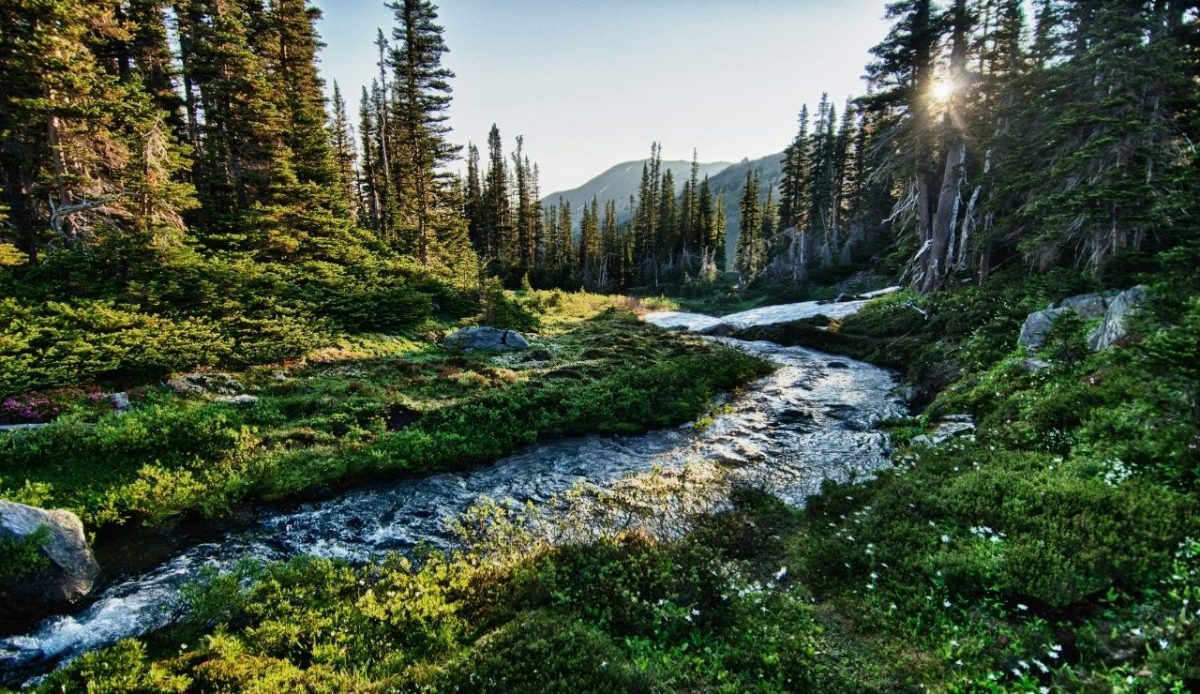
In the Olympic, the Graves Creek and South Shore Road area has faced chronic flood damage, with sections repeatedly compromised by high water and sediment movement. Repairs have been expensive and often temporary because the river system keeps shifting.
An NPS environmental assessment for road rehabilitation analyzed options that reduce long term risk by pulling back vehicle access rather than rebuilding farther into the floodplain. The intent is to keep a short segment serviceable while limiting exposure.
The assessment states the road would be permanently closed to vehicle access near milepost 1.0. Beyond that point, the corridor is reached only by walking or biking, changing how visitors and responders approach backcountry routes.
9. Aspen Valley To White Wolf Route, Yosemite National Park
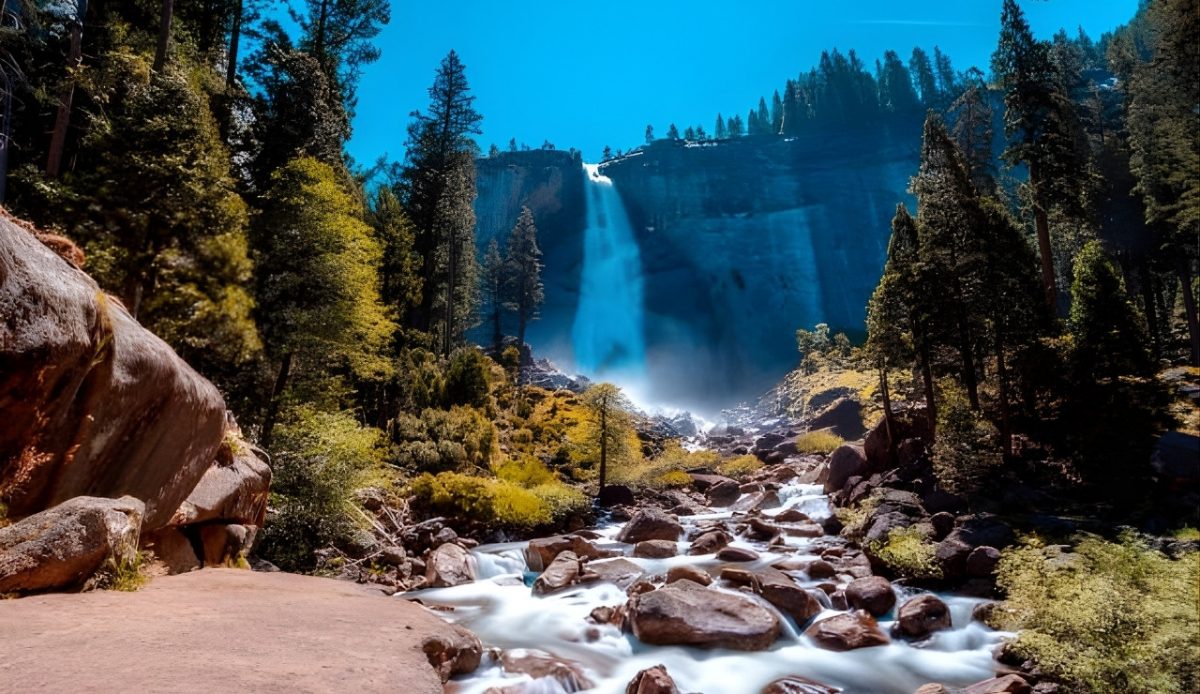
In Yosemite, heavy storms have repeatedly damaged backcountry routes, and some alignments were never reopened as roads. One documented example is a segment leading through Aspen Valley toward the White Wolf area.
Administrative histories note that after severe storm impacts, the route was treated as no longer part of the park road system. That kind of closure differs from winter shutdowns because it removes routine vehicle access rather than pausing it.
Park history material states the road segment through Aspen Valley to White Wolf was permanently closed. Visitors still reach nearby destinations by other roads and trails, but the former drive option has been eliminated.
10. Klingle Road, Rock Creek Park
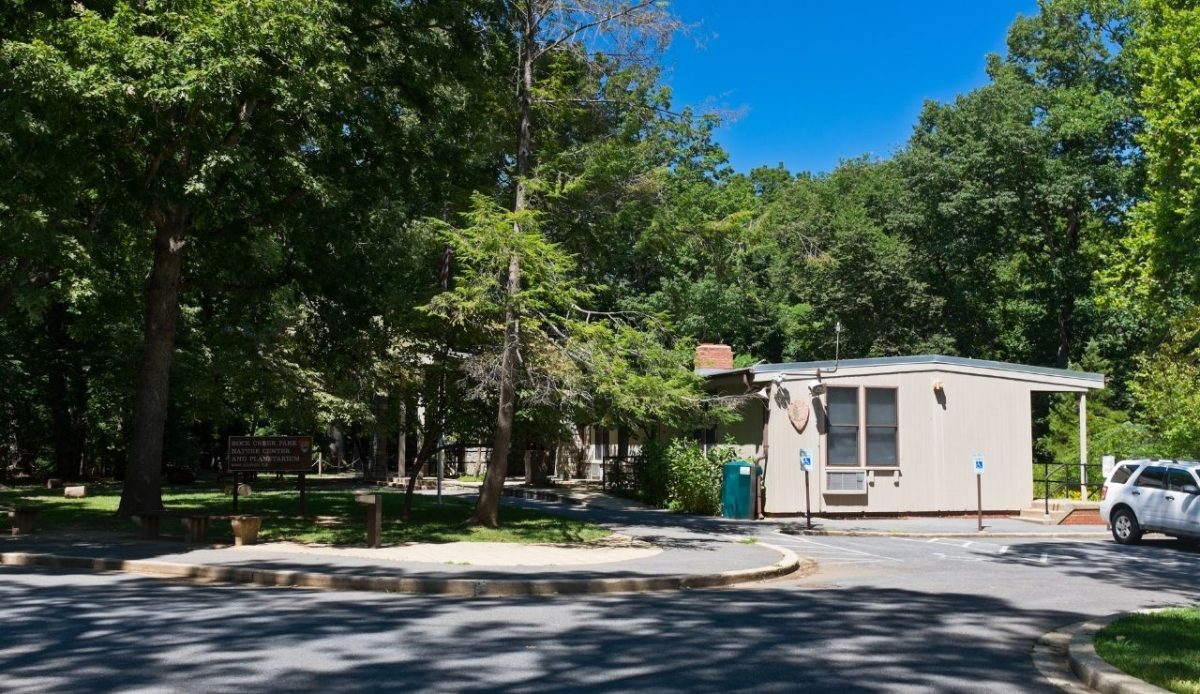
Klingle Road once carried local traffic through a wooded valley in Rock Creek Park, an NPS unit in Washington, DC. Erosion and storm damage made a portion unsafe, and the route was barricaded for long periods after failures.
District and federal process documents show that the policy direction shifted from rebuilding a street to keeping it car-free. That choice reduced runoff impacts while creating a continuous walking and biking link across the park corridor.
A transportation law case summary notes a city ordinance directing that the road be permanently closed and that a pedestrian and bicycle trail be built. The route reopened as the Klingle Valley Trail, not as a public road.
