
Famous attractions are often sold as easy experiences: arrive, look around, take the photo, and move on. Real life is messier. Once a place becomes globally famous, the visit may depend on timed entry, access limits, crowd controls, or strict walking routes shaped by sheer demand.
That gap between image and reality can shape an entire day. A landmark may take careful planning and still feel rushed once you get inside. Heat, noise, queues, and heavy foot traffic can flatten the magic faster than many travelers expect.
These 12 attractions are not bad choices. They are simply places where popularity comes with trade-offs. Knowing the downside first helps you plan smarter and decide whether the headline stop is really worth the effort.
1. Venice’s Historic Center, Italy
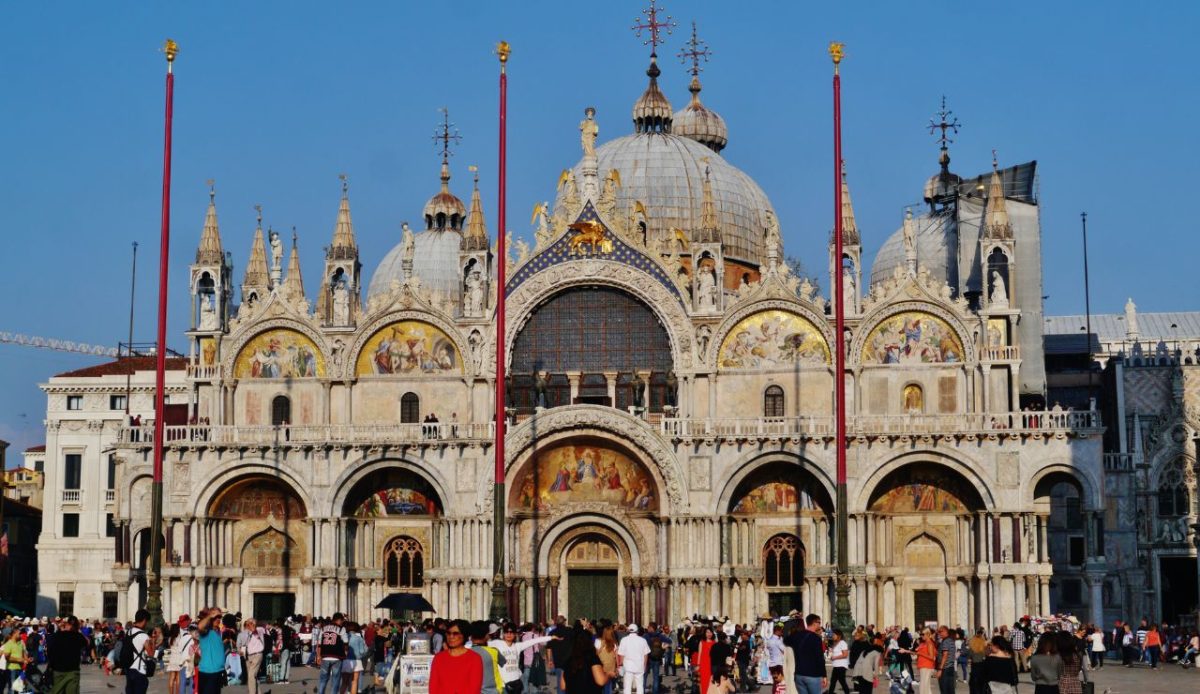
Venice still looks extraordinary, but visiting it can feel far less effortless than the postcards suggest. On certain 2026 dates and daytime hours, day-trippers to the historic center must deal with the city’s access-fee system, which shows how seriously officials now treat pressure from visitor numbers.
The real strain is not one queue. It is the nonstop friction of moving through narrow lanes, bridges, and packed waterfront paths with the same flow of people heading toward the same landmarks. Even a short walk can become slow and tiring.
Venice remains worth seeing. The hidden downside is that fame has made spontaneity unreliable, especially around the most photographed corners.
2. Machu Picchu, Peru
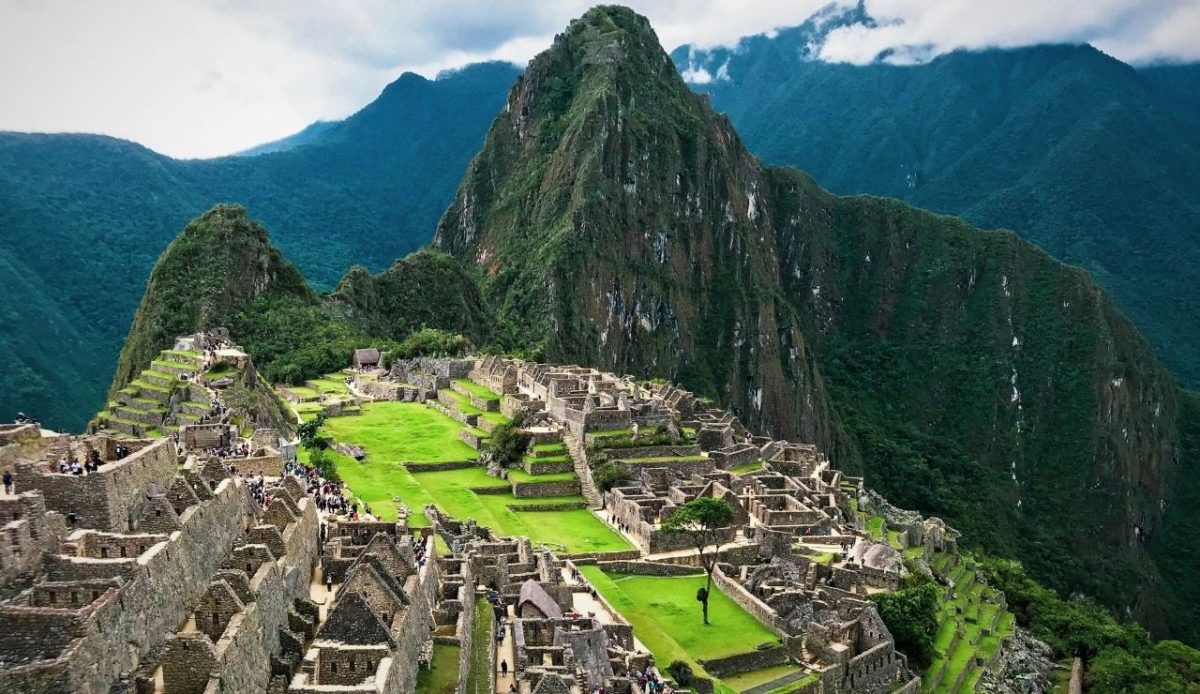
Machu Picchu is often imagined as a grand, open encounter with history. In practice, it is a tightly managed site where circuits and timed admission shape the visit from the start. Peru’s official system uses set routes, and entry depends on the specific ticket and time slot booked in advance.
That protects the site, but it also removes much of the flexibility travelers expect. Arriving late can affect access, and the visit can feel more like following a controlled path than exploring a ruin at your own pace.
The surprise is not the beauty. It is how structured the experience becomes once your slot and route are fixed.
3. The Mona Lisa at the Louvre, France
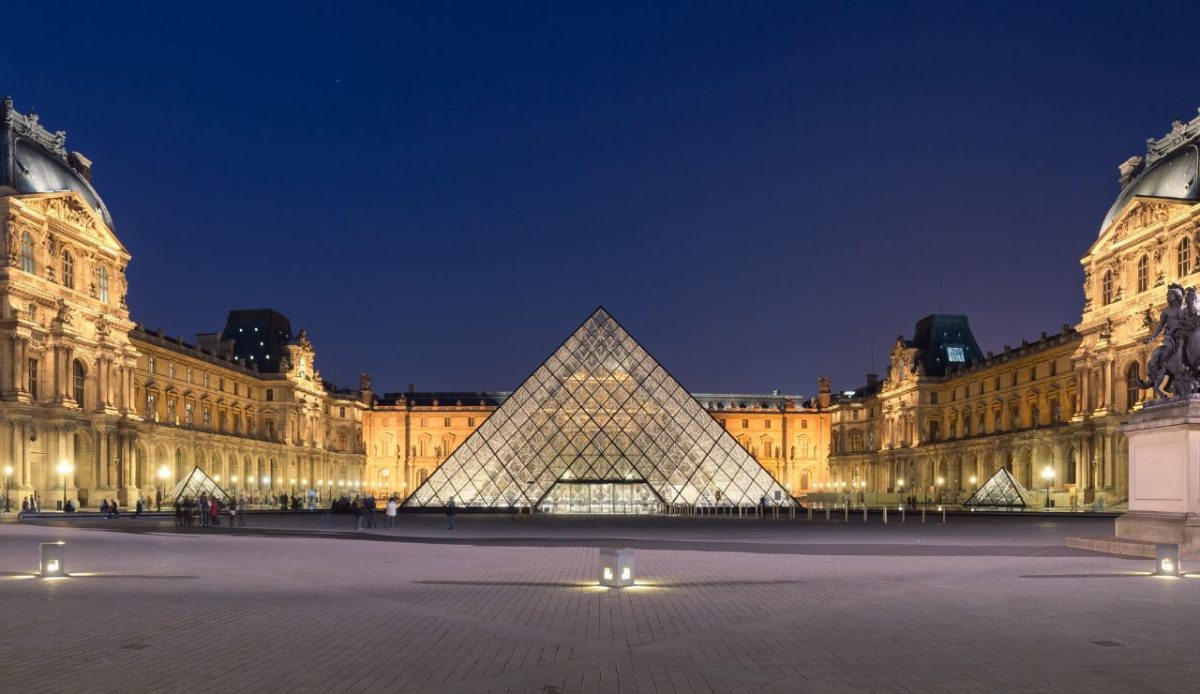
Many travelers picture the Louvre as a calm day with world-class art, but the Mona Lisa often turns part of that visit into crowd management. The museum advises booking time slots in advance because of overcrowding, and it states that access to the Mona Lisa room may be limited when it is especially busy.
The difficult part is not only the number of people. It is how attention narrows around one room and one brief viewing moment. Phones rise, people bunch together, and movement becomes guided rather than reflective.
The Louvre offers much more than one painting. Still, fame can reduce a major museum visit to a rushed stop around a few seconds of visibility.
4. Park Güell, Barcelona, Spain
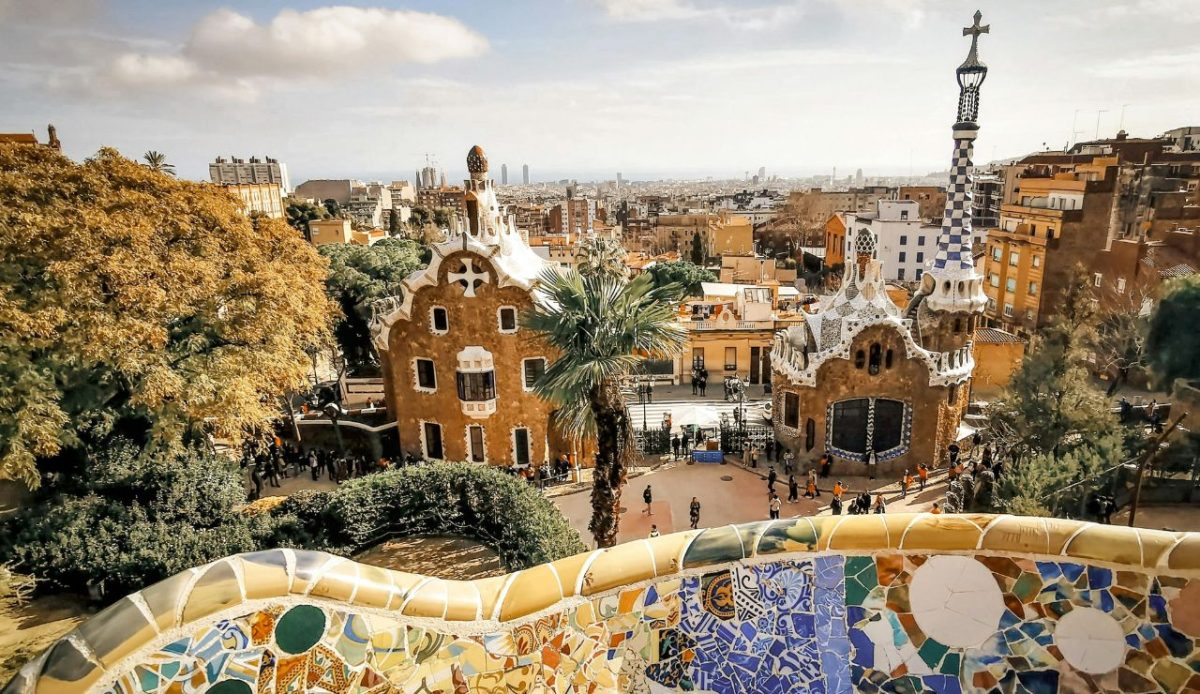
Park Güell looks like a relaxed open-air break from the city, but popularity has changed the rules here too. Official park information says access has been regulated since 2013 to prevent tourist overcrowding, and visitor capacity is managed to protect both the site and the experience.
Even with that system, the visit can feel more controlled than people expect from a park. Reaching it takes planning, and the most photographed sections gather the same clusters everyone came to avoid.
The letdown is not the architecture. It is the logistics. What seems like an easy stroll can turn into timed entry, uphill effort, and photo bottlenecks.
5. Times Square, New York City, USA
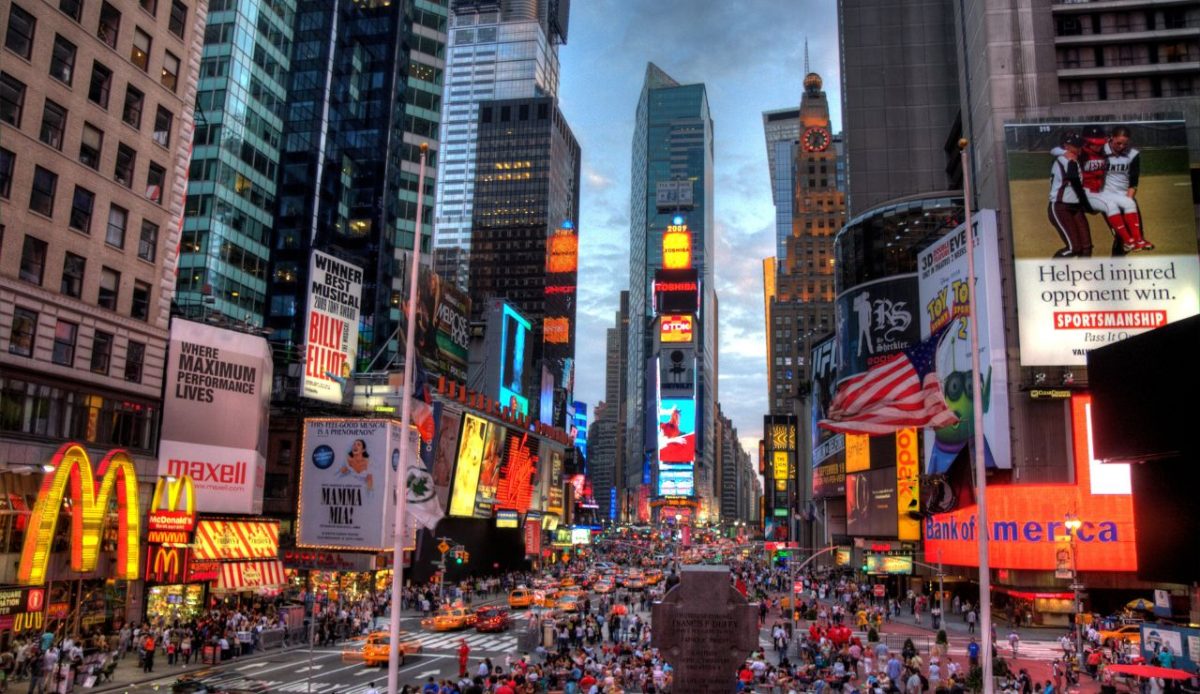
Times Square is so famous that many visitors treat it like a quick stop. What they often underestimate is the volume of foot traffic. The Times Square Alliance says the district regularly sees around 200,000 to 250,000 pedestrians a day, with much higher counts on the busiest days.
That density changes everything. Sidewalk pace slows, crossings take longer, and the constant mix of screens, noise, performers, and street activity can become tiring much faster than expected.
Times Square is exactly as intense as its reputation suggests. The hidden downside is how exhausting that intensity feels when you arrive wanting a simple walk and a few photos.
6. The Acropolis, Athens, Greece
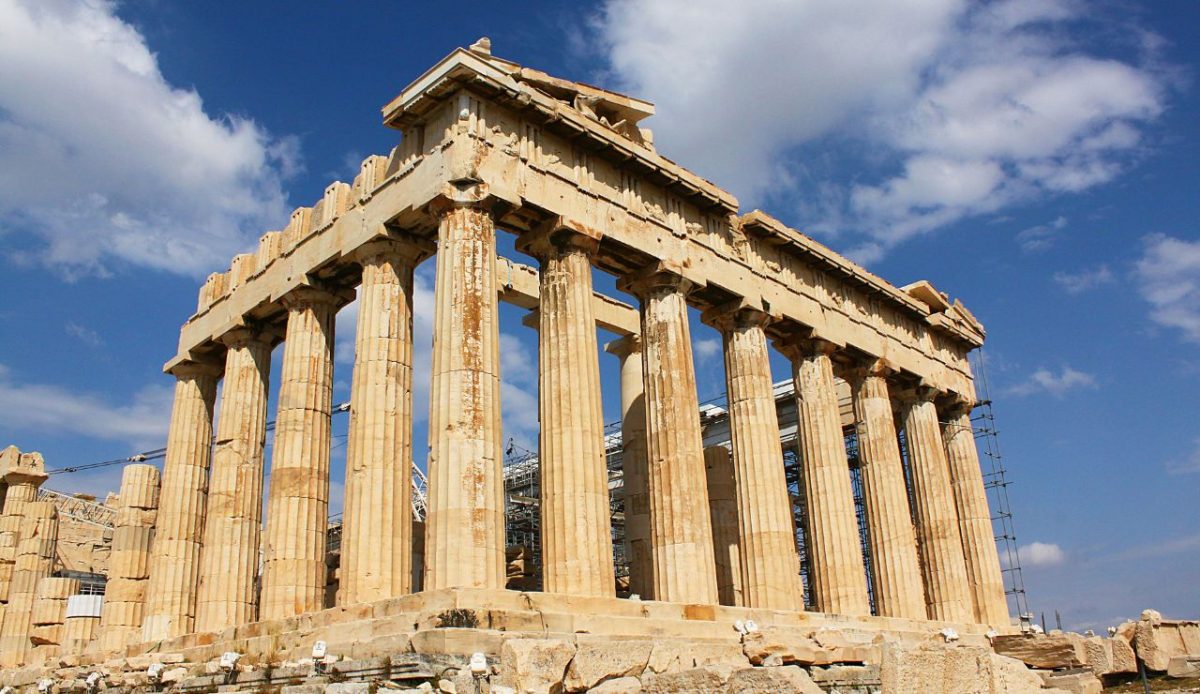
The Acropolis remains one of the world’s essential historic sites, but popularity has made access more rigid than many visitors expect. Greece’s official ticketing platform states that entry is tied to a selected time slot, with only a short window around that booked time.
That means timing matters almost as much as interest. If transport runs late or the approach feels harder in the heat, the pressure starts before you even reach the gate. Peak hours can then feel exposed and crowded.
The site is still extraordinary. The hidden drawback is that fame has turned a symbolic hilltop into a tightly scheduled experience.
7. Mount Fuji’s Yoshida Trail, Japan
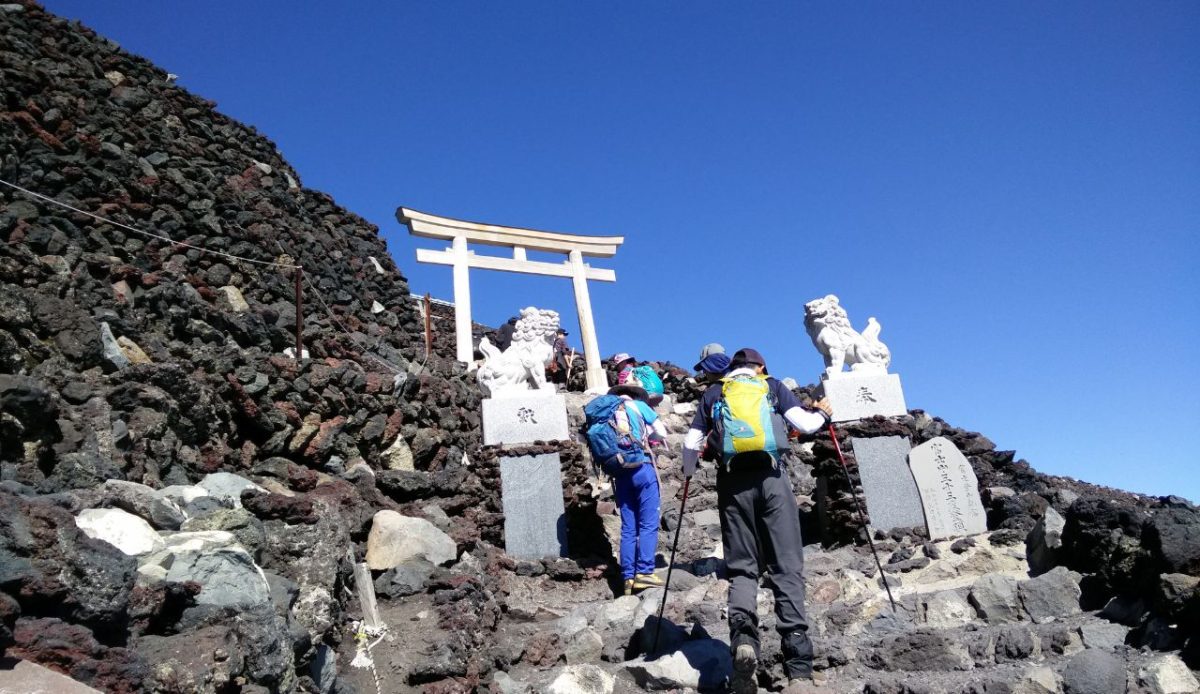
Mount Fuji can sound like a pure nature challenge, but its most famous route now reflects the pressure of mass demand. Official climbing information for the Yoshida Trail outlines restrictions, and recent reporting notes capped daily entries and gate controls aimed at reducing overcrowding and unsafe “bullet climbing.”
That means the climb can feel more regulated than many people imagine. Visitors may face booking rules, cut-off times, and a route shaped as much by safety policy as by the mountain itself.
Those rules exist for good reason. Even so, the romantic image of a spontaneous Fuji ascent no longer matches reality on busy days.
8. Old Town Dubrovnik, Croatia
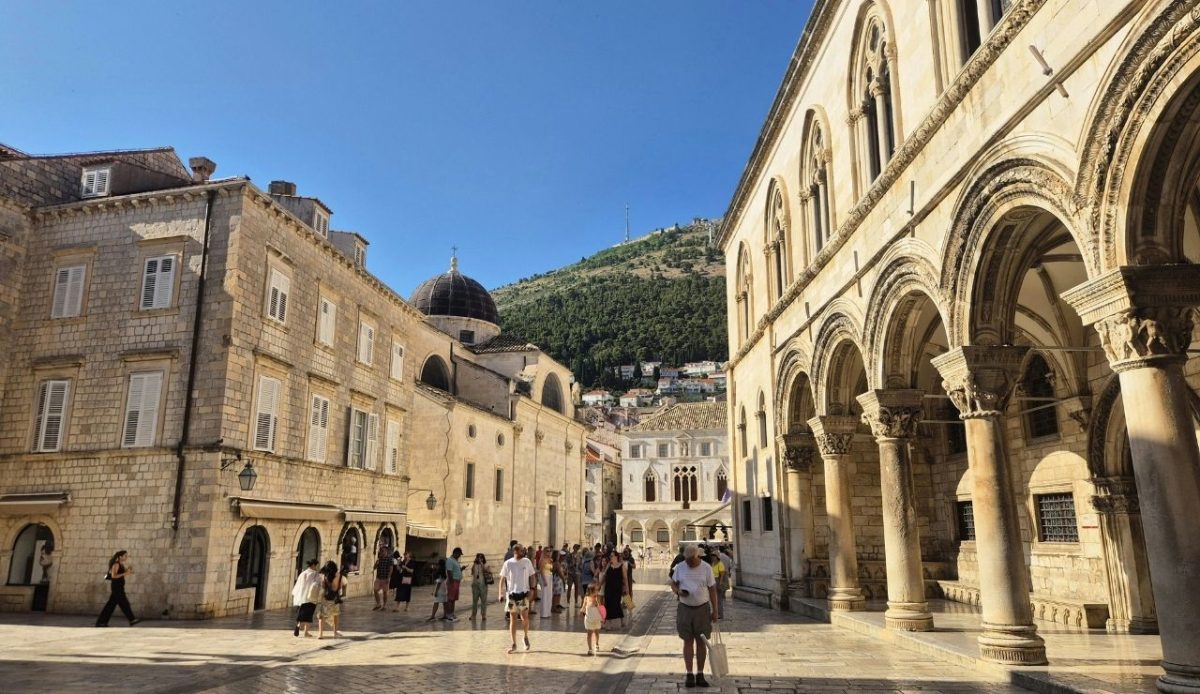
Dubrovnik’s walls and pale stone streets still look cinematic, but the old city has long been shaped by crowd concerns. Research linked to the city’s visitor-monitoring system says the acceptable upper limit for the Old Town is 8,000 people at a time, a reminder that the setting is beautiful but physically small.
That scale matters once cruise traffic and day visitors overlap. A place that seems spacious on screen can feel compressed on the ground, especially at gates, narrow passages, and lookout points.
Dubrovnik is not just busy. It is a place where the limits of a historic urban fabric become obvious very quickly.
9. Maya Bay, Thailand
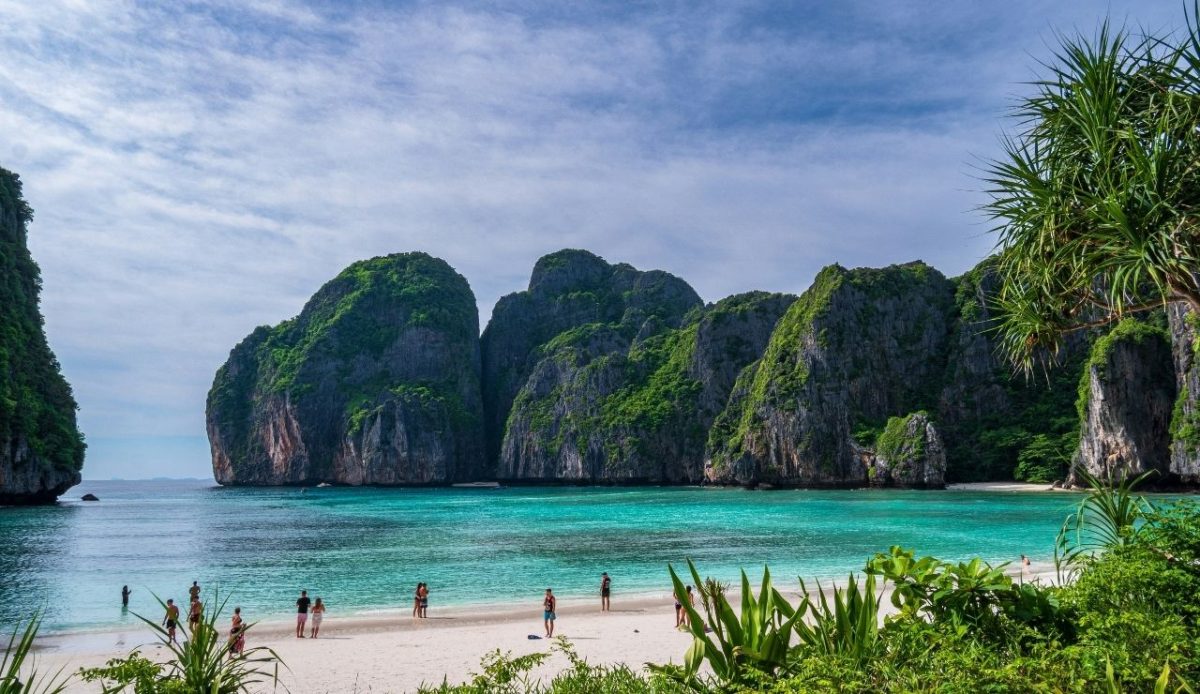
Maya Bay became globally famous for its beauty, then equally famous for what too much tourism did to it. Thailand restricted and repeatedly managed access after environmental damage, and reopening has been tied to conservation rather than unlimited beach use.
That matters because many travelers still picture an easy tropical stop where they can spread out and stay as long as they like. The reality is more controlled, with environmental protection shaping what kind of visit is possible.
The dark side here is simple: once a natural site becomes too famous, it can stop behaving like a carefree beach and start functioning like a protected zone.
10. Santorini’s Oia, Greece
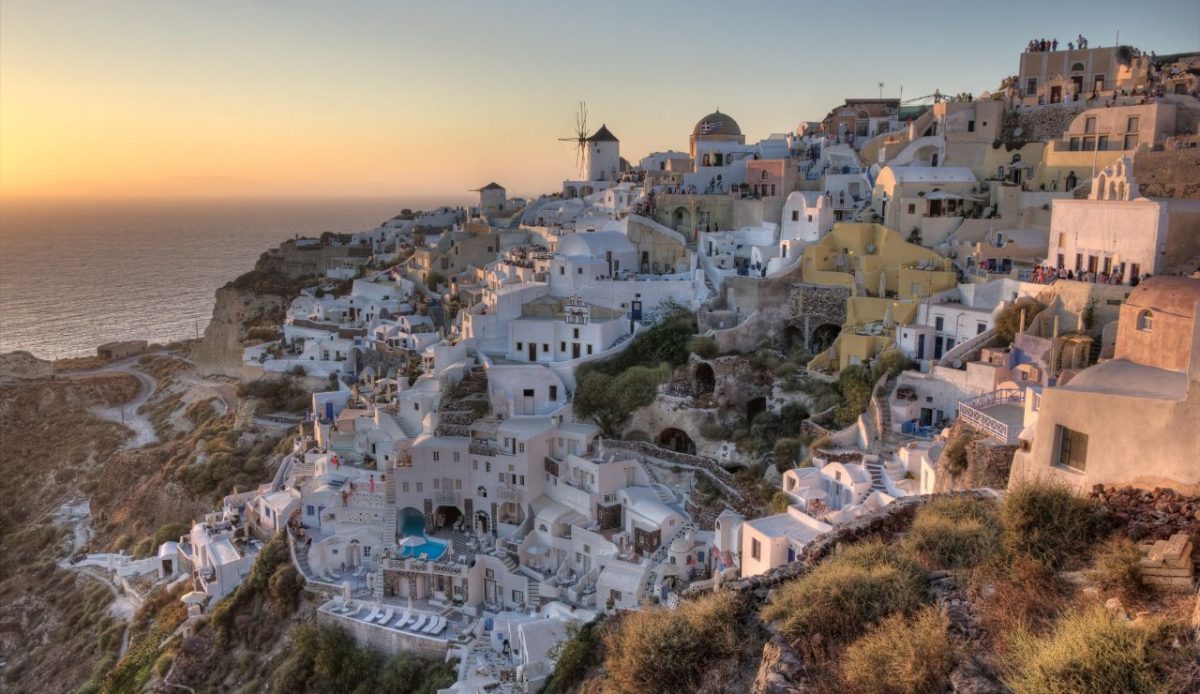
Santorini’s cliffside villages are marketed as calm and effortless, but Oia in peak season often delivers the opposite. Reuters reported that mass tourism has intensified debate over limits and levies, including concern around cruise arrivals that unload large numbers of day visitors onto a small island system.
The real problem is concentration. At sunset, the same lanes, terraces, and viewpoints pull everyone toward the same moment at the same time. What looks dreamy online can become a slow contest for space and sightlines.
Santorini is still remarkable. The hidden downside is how quickly beauty can turn into crowd pressure once ships, buses, and peak timing collide.
11. Cinque Terre’s Coastal Trails, Italy
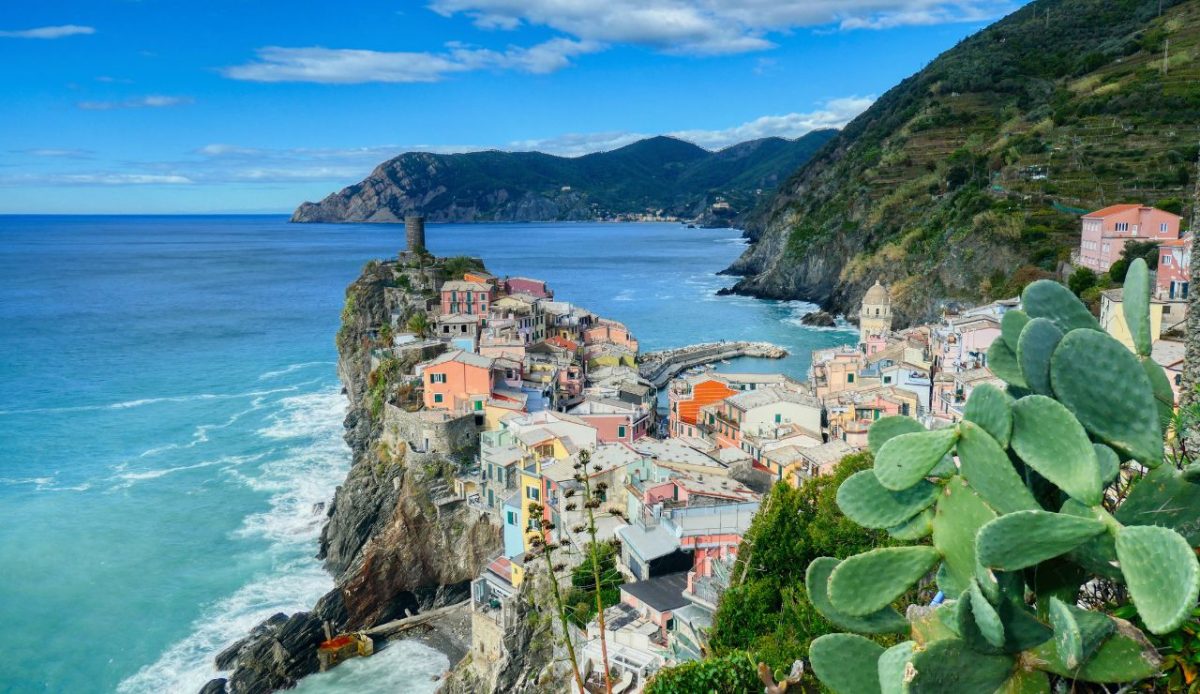
Cinque Terre sells the idea of carefree walking between postcard villages, yet the trail system is less predictable than many visitors assume. Current trail updates show that paths can close because of maintenance, safety work, or changing conditions, so the classic village-to-village hike is not always available as imagined.
That matters because the walking route is not just a bonus feature here. For many visitors, it is the whole point. When a section is shut, the day can quickly turn into train coordination, rerouting, and crowded platforms instead of scenic continuity.
The villages remain appealing, but the hidden downside is fragility.
12. The Vatican Museums, Vatican City
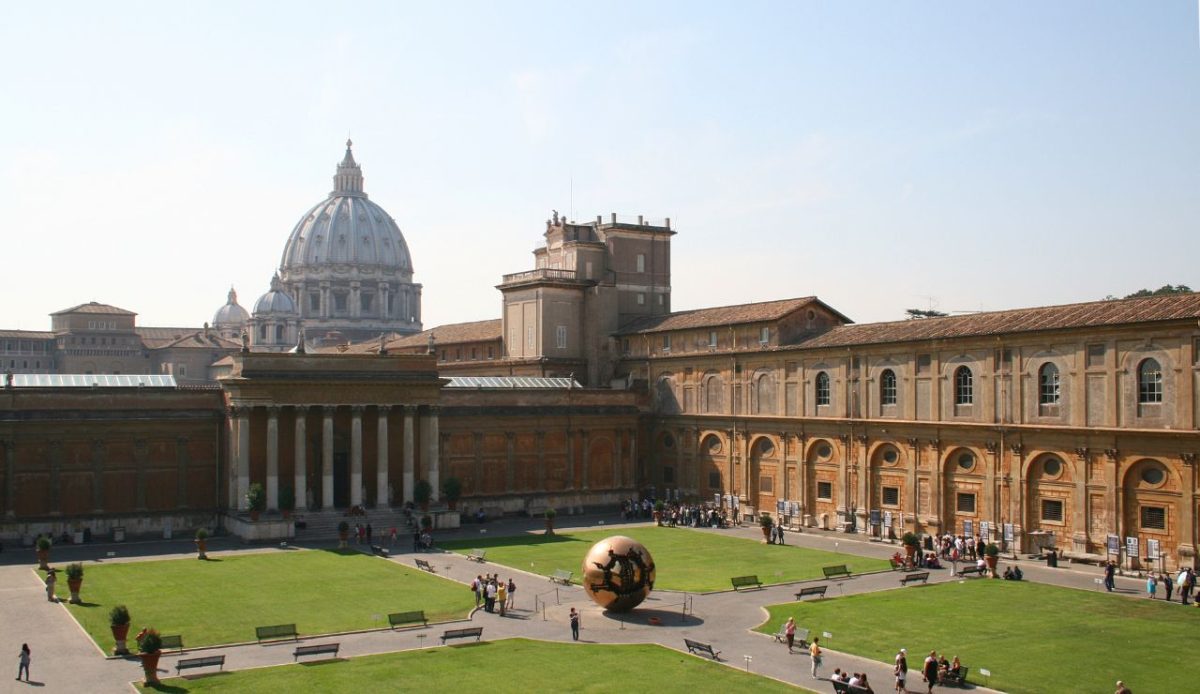
The Vatican Museums hold one of the world’s great art collections, but popularity changes the visit before you even enter. The official site emphasizes advance online booking and timed tickets, with entry valid only for the specific day issued.
What catches people off guard is the pace. Large visitor numbers, long interior routes, and the pressure to keep moving through famous rooms can make the experience feel more draining than contemplative.
The museums are still extraordinary. The hidden downside is that a place associated with wonder can also become a test of stamina, patience, and queue strategy in peak periods.
