
Europe’s old towns are beloved for their cobblestone streets, historic architecture, and centuries-old charm. From Venice to Prague, travelers flock in droves, drawn by the romance of history and culture.
Yet this popularity comes with consequences. Narrow streets, fragile infrastructure, and small-town amenities struggle under the pressure of mass tourism. Residents face noise, congestion, and rising costs, while the very character that draws visitors is eroding.
This article explores 14 European old towns pushed to the breaking point by overcrowding, showing why managing tourist flows is critical to preserving heritage and quality of life.
1. Venice, Italy
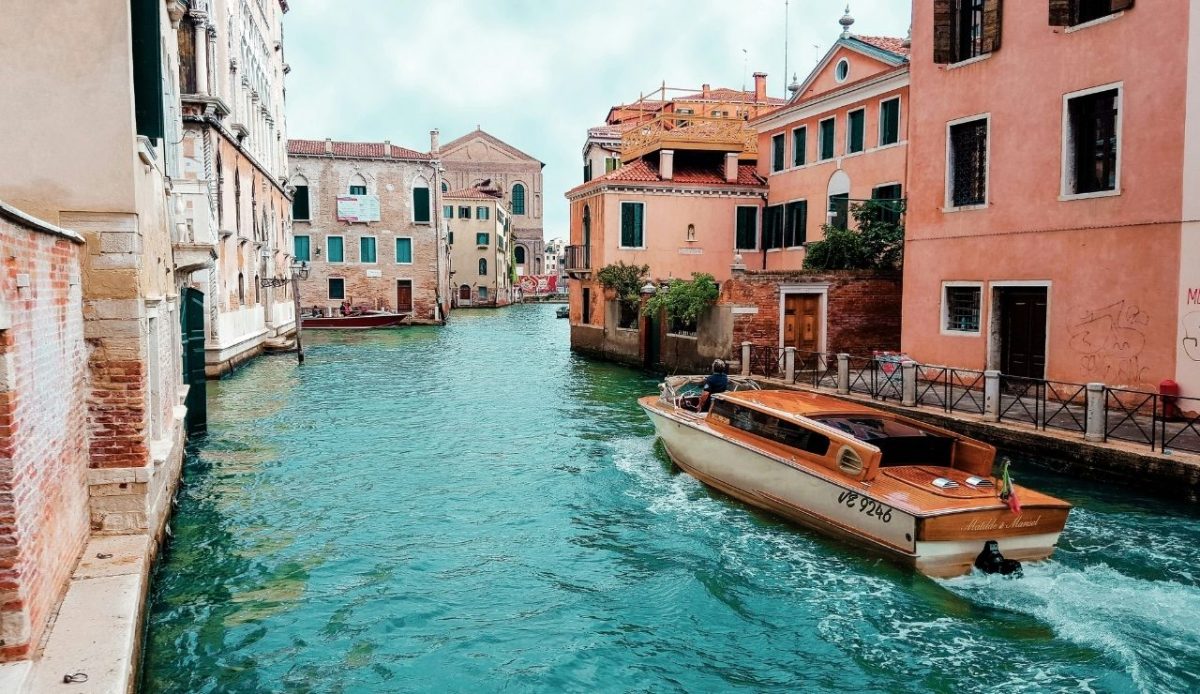
Venice is synonymous with mass tourism, with cruise ships and thousands of daily visitors crowding its canals and narrow streets.
Local infrastructure struggles to accommodate the numbers, from limited public transport to overburdened sanitation and waste systems. The experience for travelers can feel rushed, with long waits for landmarks and crowded piazzas.
Residents face skyrocketing rents, declining local shops, and a city that increasingly caters to visitors rather than everyday life. Tourism also threatens the fragile ecosystem of canals and lagoon waters, pushing Venice to consider stricter visitor limits to protect its cultural and environmental heritage.
2. Barcelona, Spain
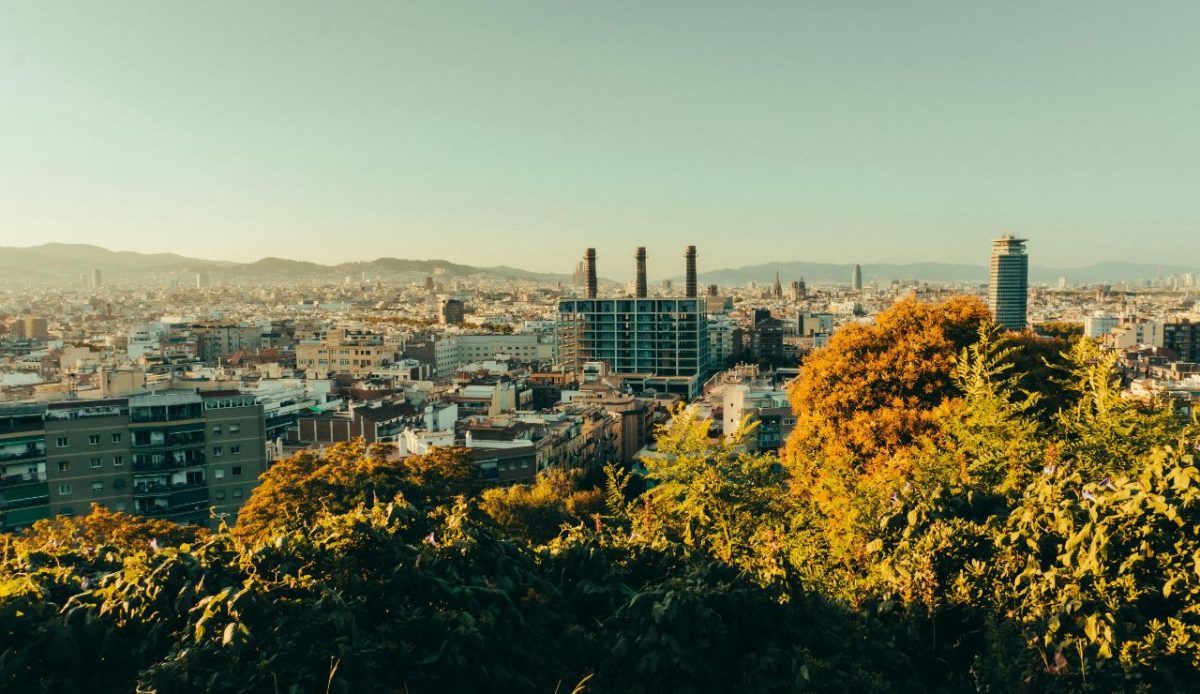
Barcelona’s Gothic Quarter is overwhelmed by tourists seeking tapas, architecture, and nightlife.
The old town’s narrow streets can barely accommodate the crowds, leading to congestion and safety concerns. Residents often feel alienated as traditional shops close and Airbnb rentals replace local housing.
City authorities have introduced measures to limit rental properties and regulate tourist flows, yet the tension between economic benefit and quality of life remains acute. Ongoing protests highlight how overcrowding impacts daily life, forcing policymakers to balance tourism with community wellbeing and urban sustainability.
3. Prague, Czech Republic
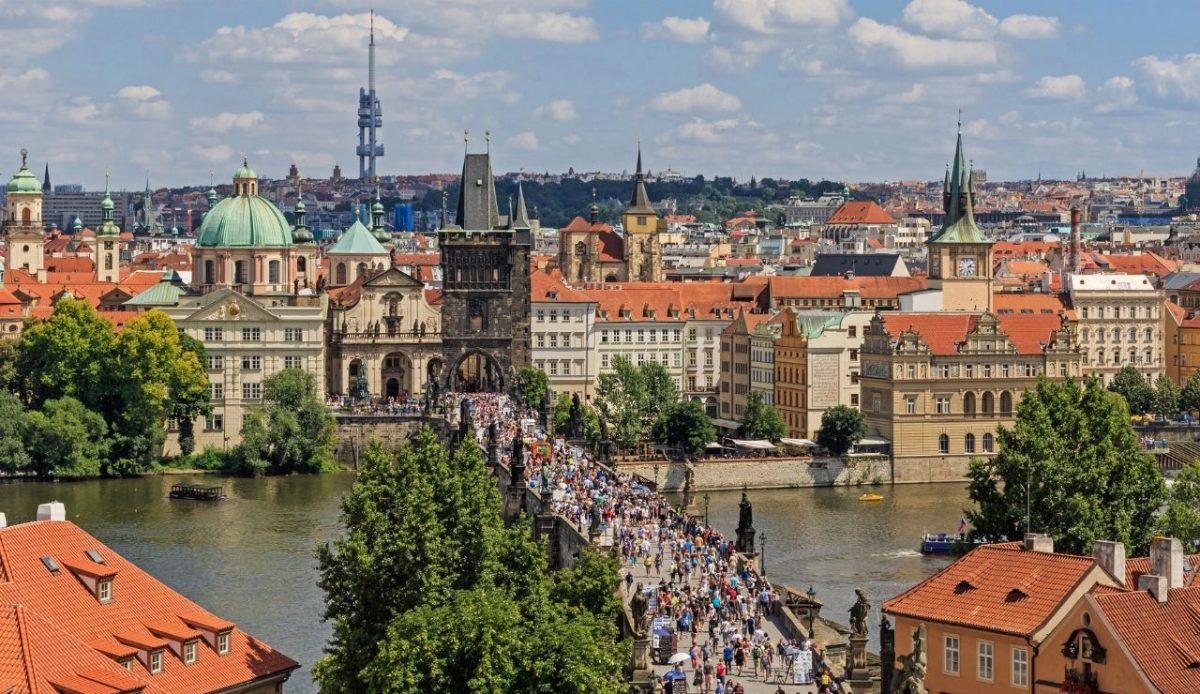
Prague’s Old Town Square and Charles Bridge are magnets for tourists, drawing millions annually.
Historic cobblestones and medieval streets are ill-equipped to handle dense crowds, creating safety hazards and long queues for popular sites. Guided tours can overwhelm small squares, diminishing the city’s charm.
Residents voice frustration over noise, rising prices, and the shift of daily life toward catering exclusively to visitors, raising questions about sustainable tourism policies. The city is exploring digital crowd management and visitor caps to preserve its heritage and improve the tourist experience without harming residents’ daily routines.
4. Dubrovnik, Croatia
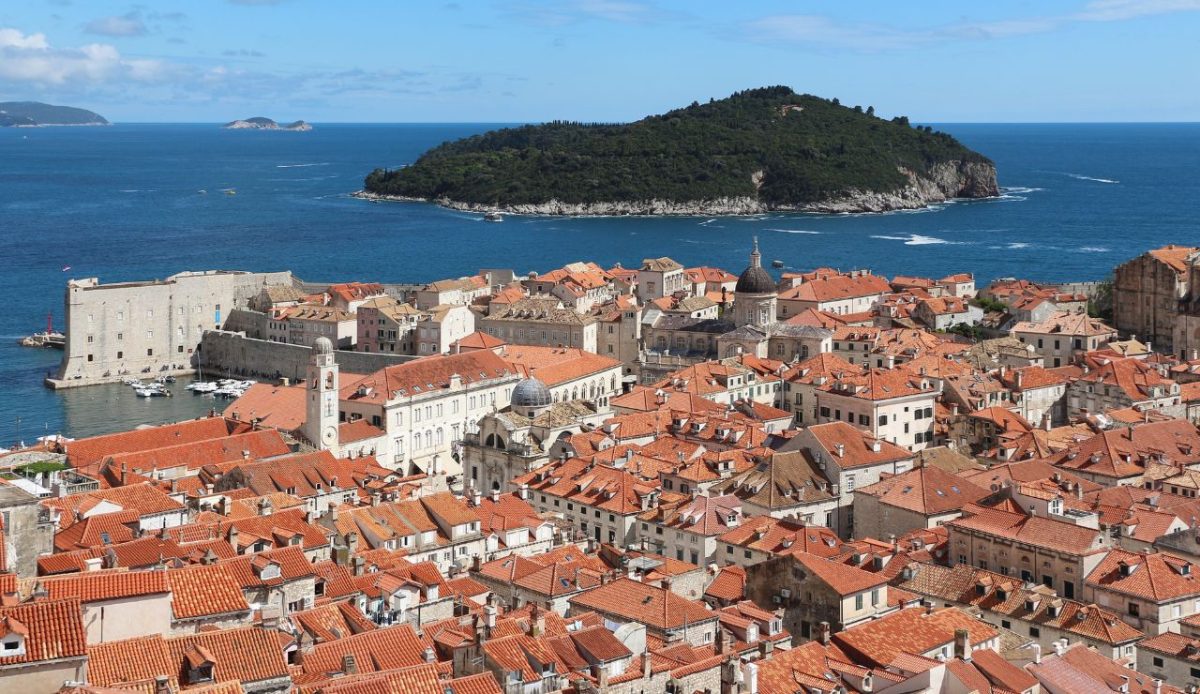
Dubrovnik’s ancient city walls and historic streets see extreme seasonal surges, amplified by cruise ship arrivals.
Crowding strains infrastructure, from narrow alleyways to public facilities, and limits the enjoyment of the old town’s cultural sites. Peak seasons can feel chaotic, with slow-moving pedestrian traffic and crowded viewpoints.
Authorities have introduced visitor caps and ticketed access to key attractions, balancing tourism revenue with preservation. Initiatives like guided tours, time-slotted entries, and awareness campaigns help maintain the city’s charm and protect both the heritage and quality of life for locals, while still accommodating the economic benefits of tourism.
5. Florence, Italy

Florence’s Renaissance streets and piazzas are heavily trafficked, especially around the Duomo and Uffizi Gallery.
Overcrowding can make walking tours slow and uncomfortable, with long waits for museums and crowded eateries. Infrastructure struggles to meet demand, especially in summer months, and local transport can be delayed by heavy pedestrian flows.
Residents express concern that tourist-oriented businesses dominate neighborhoods, diminishing daily life. Cultural festivals and events are particularly impacted, as space becomes limited, creating a sense of tension between visitors and locals striving to preserve the city’s historical atmosphere.
6. Amsterdam, Netherlands
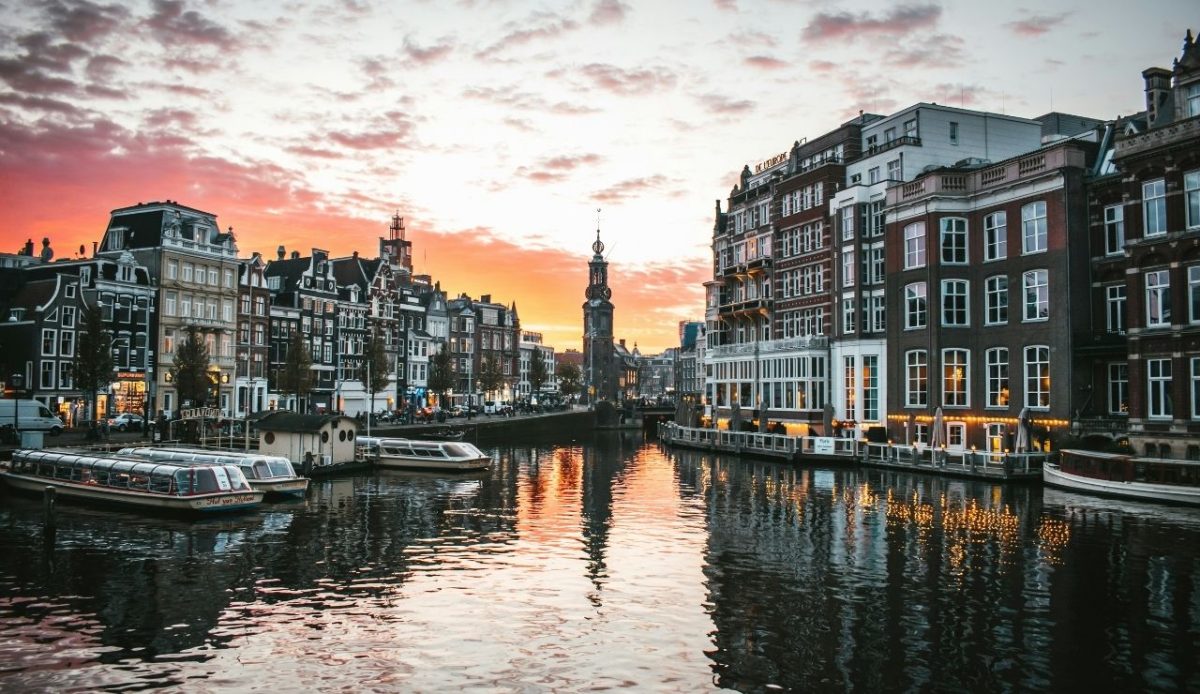
Amsterdam’s historic canal belt sees tourists swarming bicycles, bridges, and narrow streets.
Crowded streets and canals can compromise safety and diminish the charm of the centuries-old urban landscape. Local shops and housing are increasingly displaced by short-term rentals targeting tourists.
City officials have implemented limits on tourist groups, promoted alternative routes, and encouraged off-peak travel to reduce pressure. Cycling awareness campaigns, visitor dispersal strategies, and controlled access points are part of a broader effort to protect both residents and the city’s rich historical character.
7. Lisbon, Portugal
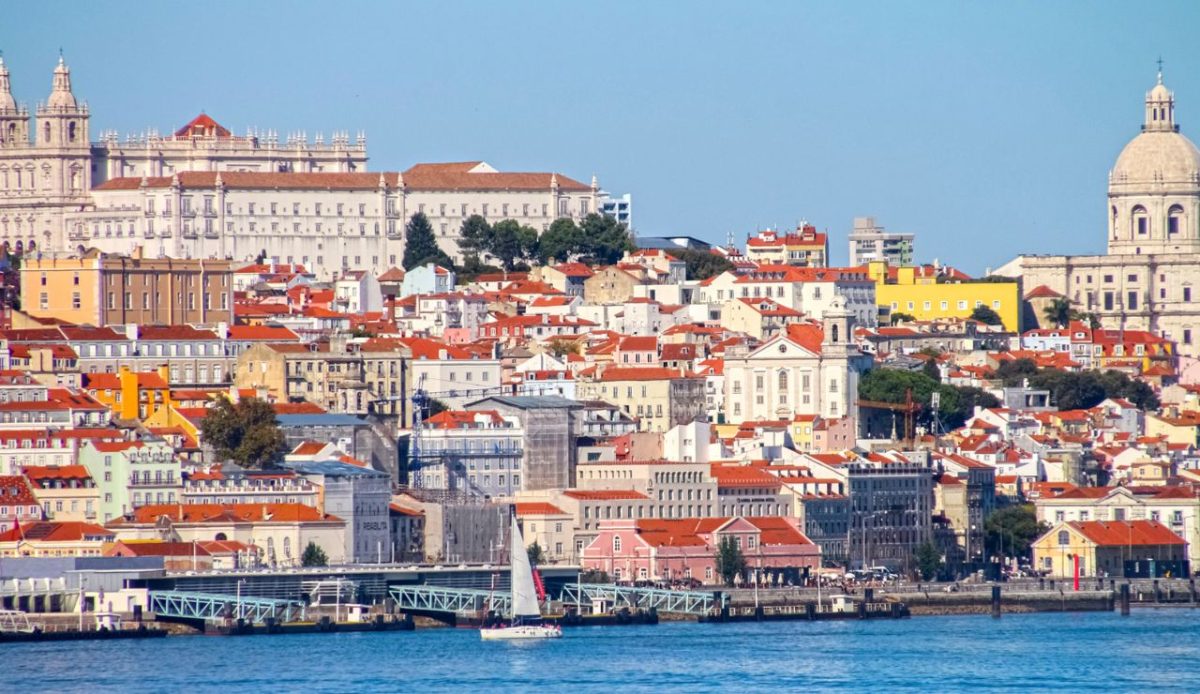
Lisbon’s Alfama and Baixa districts attract throngs for viewpoints, historic trams, and fado music. Narrow streets and steep staircases often become bottlenecks during weekends and peak seasons, slowing transport and creating congestion.
Local transport systems, cafes, and hotels feel the strain of large crowds, sometimes limiting accessibility for residents. Initiatives encourage tourists to explore less-visited areas, like Mouraria or Graça, to spread economic benefits while reducing pressure on the historic core.
Festivals and traditional markets can become overwhelmingly crowded, causing tension between maintaining local culture and accommodating the steady influx of visitors who flock to the picturesque old neighborhoods.
8. Budapest, Hungary
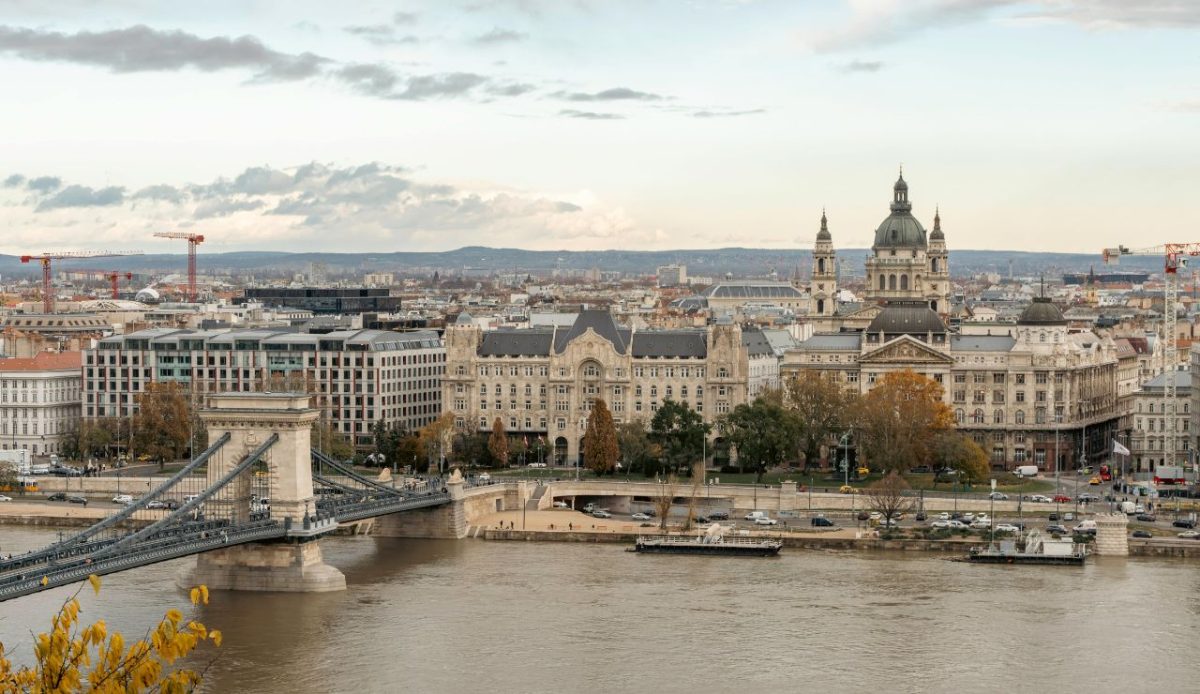
Budapest’s Castle District and historic old town see heavy tourism, particularly from cruise ships on the Danube and guided tours in the Jewish Quarter.
Overcrowding affects historic streets, bridges, and squares, sometimes limiting residents’ access to key areas and daily amenities. Pedestrian congestion can delay services and make enjoying cultural sites challenging for visitors.
City authorities are exploring regulations on tour buses, guided groups, and pedestrian traffic to protect historic infrastructure. The challenge is balancing the city’s economic reliance on tourism with preserving authentic experiences, ensuring local communities can continue to thrive while visitors enjoy the beauty of centuries-old streets and landmarks.
9. Edinburgh, Scotland

Edinburgh’s Royal Mile and Old Town host thousands daily, drawn by the castle, festivals, and historic charm.
The medieval street layout struggles under pedestrian surges, creating congestion and safety concerns during high season. The Fringe Festival amplifies the issue, with temporary spikes in population and tourists sometimes spilling into residential areas, limiting local access to shops, cafes, and transit routes.
Local authorities encourage staggered itineraries, ticketed access, and alternative walking routes, while promoting lesser-known streets to preserve a sense of authenticity and reduce strain on residents.
10. Krakow, Poland
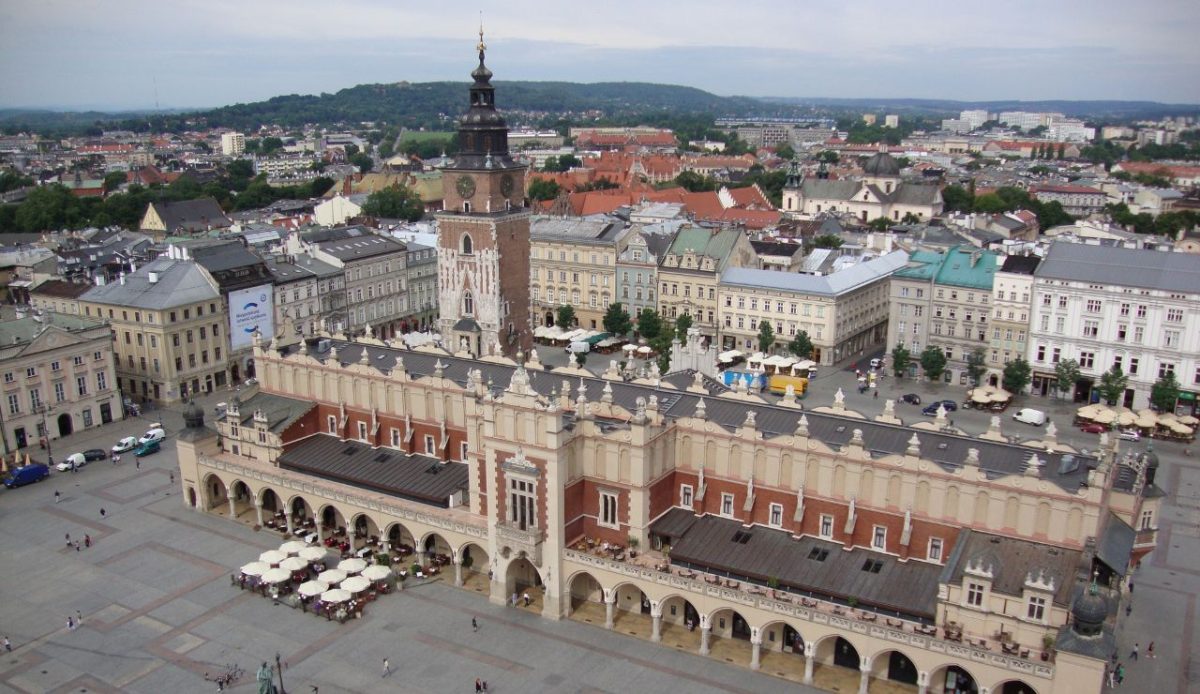
Kraków’s Main Market Square and surrounding streets face intense visitor numbers, especially in summer. Historic streets and squares, designed centuries ago, cannot comfortably handle mass tourism, creating crowding and occasional safety risks.
Authorities implement walking guidance, promote lesser-known districts, and regulate large tour groups to ease the strain while still supporting tourism’s economic benefits.
Additionally, the city has begun cultural campaigns encouraging visitors to engage respectfully with local residents, historic buildings, and traditional shops, helping preserve Krakow’s charm while balancing tourism growth.
11. Rothenburg ob der Tauber, Germany
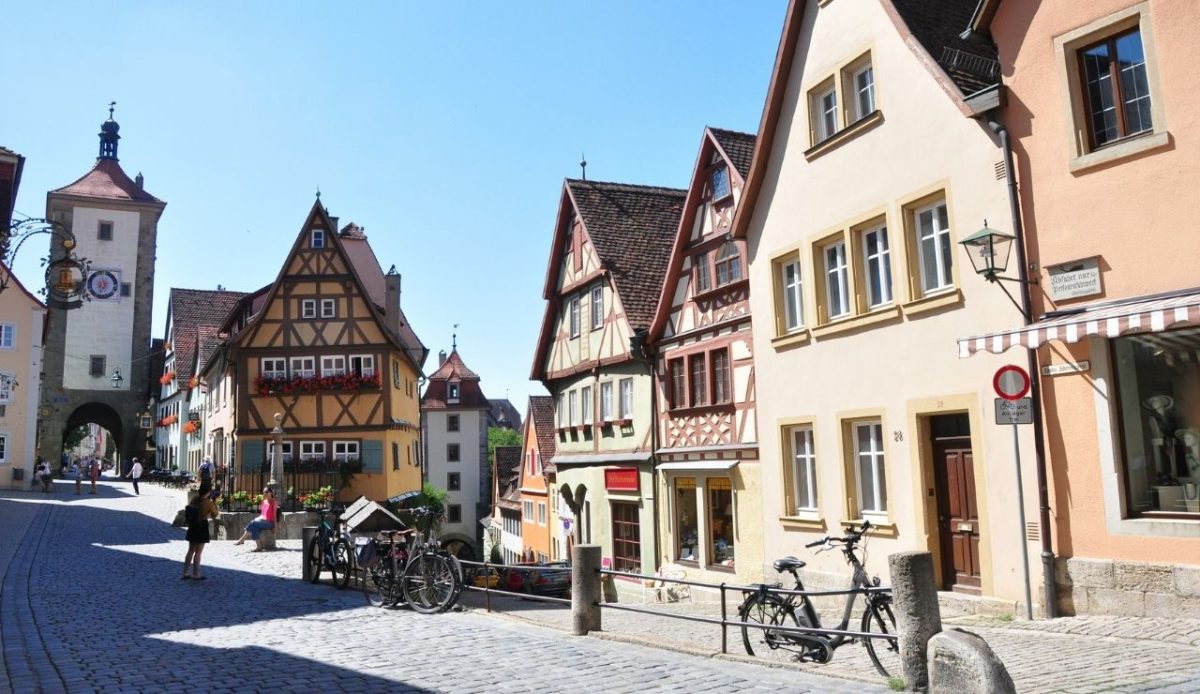
This Bavarian town is a picture-perfect medieval destination attracting large crowds during peak season. Narrow streets, marketplaces, and historic gates become jammed, which can detract from the experience of its well-preserved medieval architecture.
Tourism is central to the local economy, creating a delicate balance between revenue and preservation. Overcrowding can impact public services and accessibility for residents. Initiatives to encourage off-peak travel, timed entry tickets, and exploration of surrounding villages aim to reduce pressure while maintaining the town’s charm.
Seasonal festivals and holiday markets often amplify congestion, highlighting the challenge of balancing tourism with daily life.
12. Tallinn, Estonia
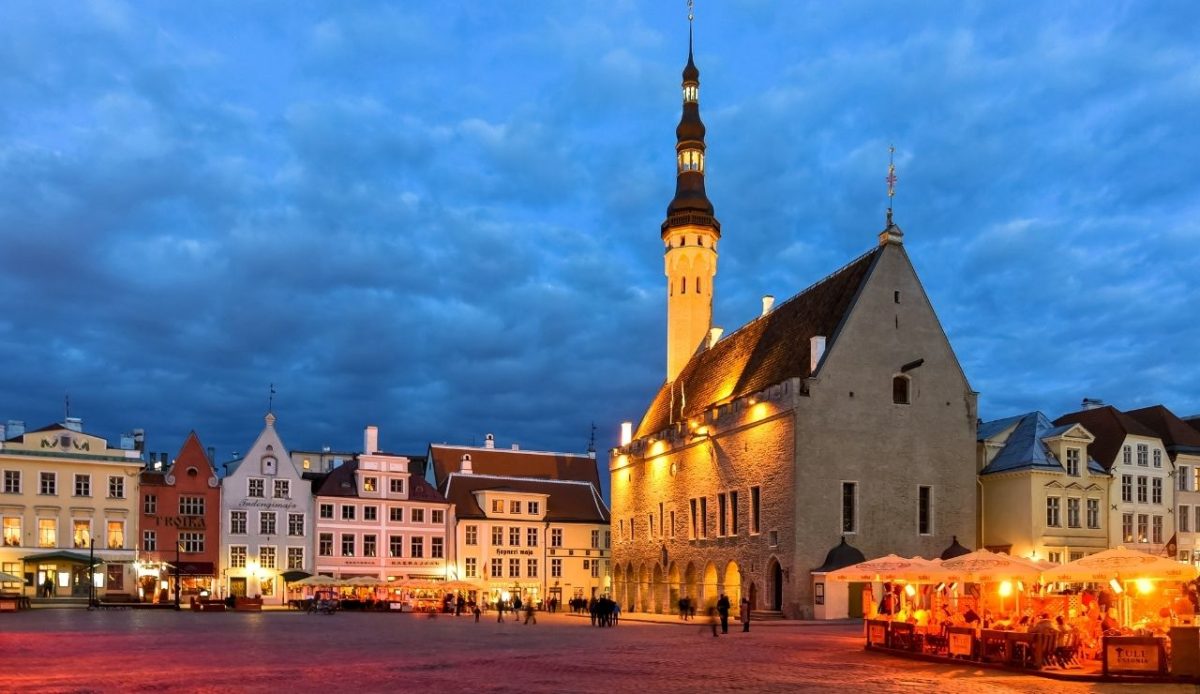
Tallinn’s Old Town features cobblestone lanes, guild halls, and medieval architecture, drawing increasing tourism.
Despite careful preservation, pedestrian congestion and touristic commercialization strain infrastructure, particularly at restaurants, museums, and central squares.
City planners focus on managing visitor flows, improving signage, and promoting alternative attractions to maintain both livability for residents and a positive tourist experience.
The city is also expanding public information campaigns and supporting guided walking routes to encourage sustainable exploration and reduce stress on the most congested streets, ensuring long-term preservation of historic landmarks.
13. Ghent, Belgium
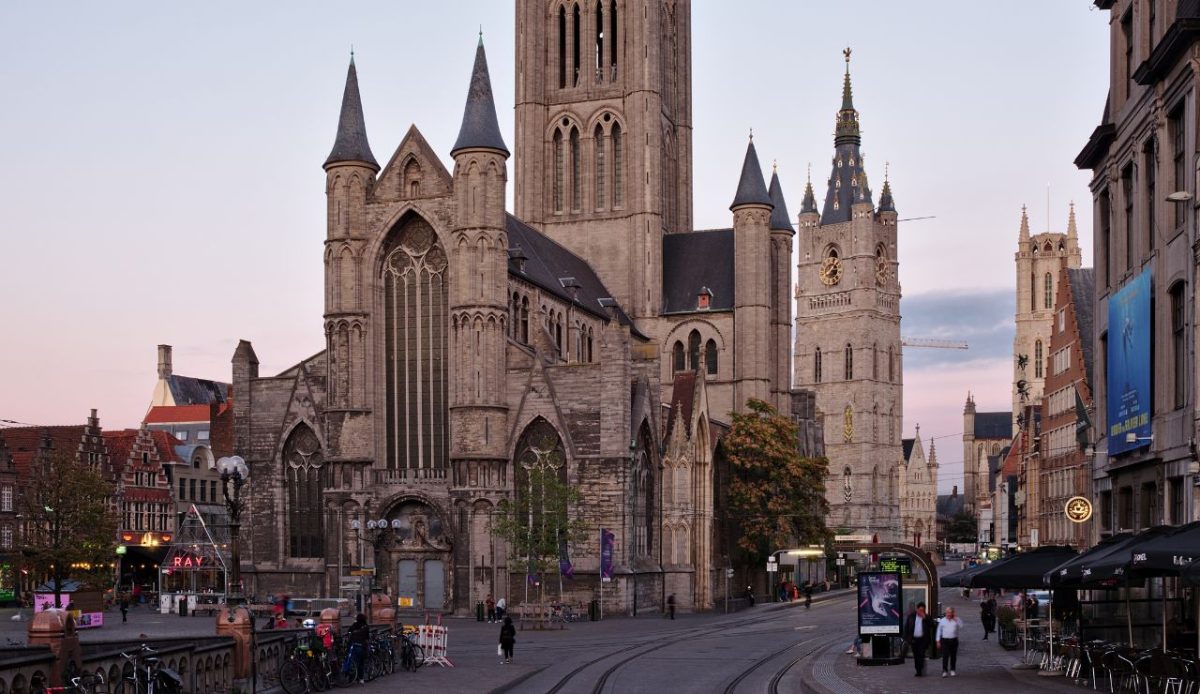
Ghent’s medieval center experiences visitor surges, especially for cultural festivals and canal tours. Overcrowding stresses historic streets and heritage sites, reducing the sense of calm and authenticity in the city. Tourist buses and walking tours compete with locals for space.
Authorities encourage off-peak travel, route diversions, and expanded cultural offerings in surrounding areas to alleviate pressure while maintaining economic benefits from tourism.
In addition, Ghent promotes collaborative initiatives with local businesses, museums, and cultural organizations to create events that manage crowds effectively while preserving the city’s medieval charm and ensuring that residents can enjoy their daily life alongside visitors.
14. Bruges, Belgium
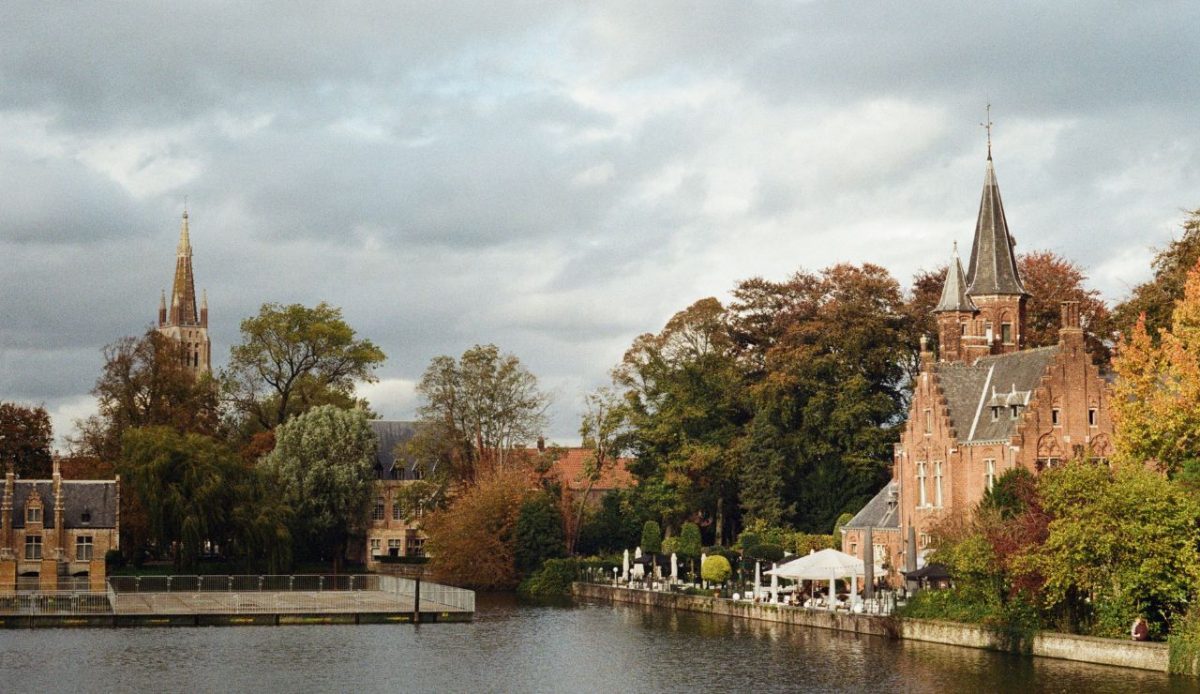
Bruges’ canals, medieval squares, and market streets see overwhelming visitor numbers, especially day-trippers from cruise ships.
Historic pathways and pedestrian zones are often congested, making navigation, sightseeing, and enjoyment challenging. Tourist buses and walking tours frequently compete with locals for space, while popular spots become photo-dense and crowded.
City management has introduced visitor caps at peak sites, encourages exploring lesser-known areas, and promotes off-peak travel to protect the old town’s character, while balancing tourism revenue and the quality of life for residents.
