
New York City’s rooftop scene is changing how people experience the skyline. Instead of seeing Manhattan only from sidewalks and avenues, visitors now step above the streets through terraces, observation decks, and elevated lounges that turn the city into a layered visual map.
This shift has made the skyline feel more interactive. From above, the city reads less like a wall of buildings and more like a connected pattern of towers, parks, bridges, and river edges.
The result is a modern skyline experience built around perspective, access, and design rather than height alone. Rooftops now shape how many travelers first understand Manhattan.
Rooftops Turn the Skyline Into an Active Experience
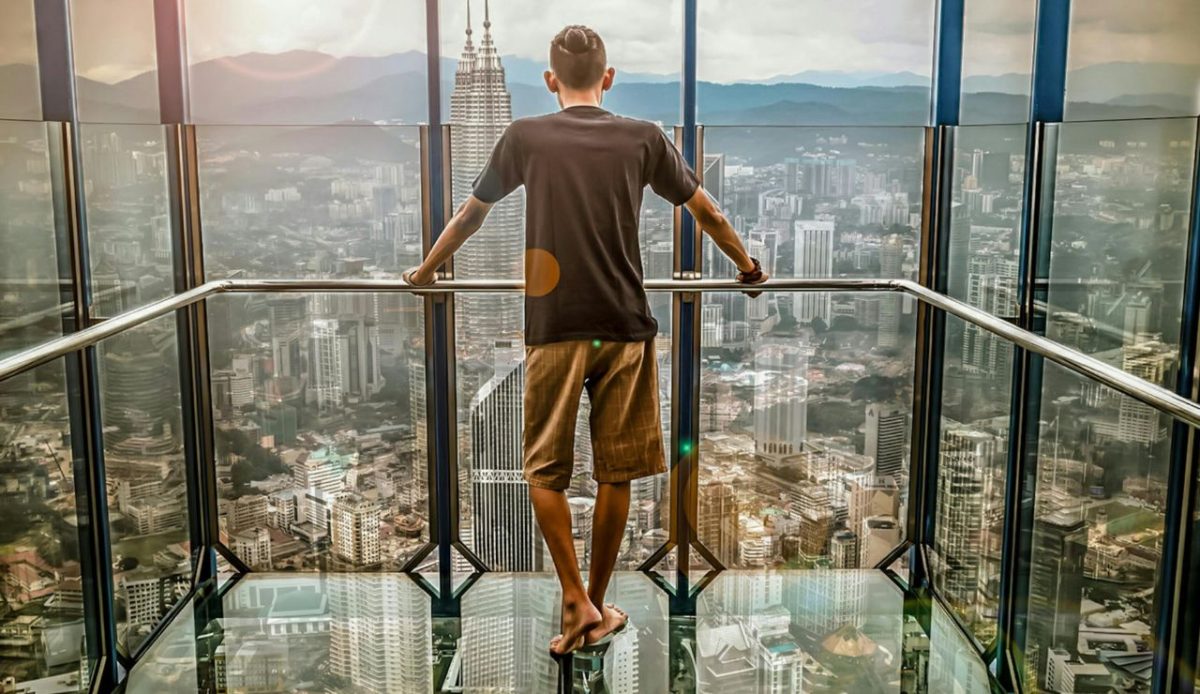
New York’s rooftop spaces now offer more than a simple high view. Many are designed to make the skyline feel like an experience, not just a backdrop, using open-air decks, glass barriers, wrapped terraces, and carefully planned sightlines.
That approach changes how people engage with the city. Instead of pausing for one quick photo and leaving, visitors spend more time noticing how older landmarks and newer towers share the same horizon.
For travelers, the skyline feels less distant and more immediate, with each rooftop presenting a slightly different version of New York from above. The view becomes interactive, not just visual.
Midtown Views Still Define the Classic City Picture
Midtown remains central to the rooftop experience because it places visitors near many of the city’s most recognizable buildings. From above, the district brings together tall towers, broad avenues, major landmarks, and the long green line of Central Park in one balanced view.
That balance matters because a strong rooftop perspective shows how key parts of the city relate to one another rather than isolating a single structure or neighborhood.
Seen from a Midtown height, New York becomes easier to understand, with density, order, and scale all visible at once. It remains the clearest introduction to the city’s classic skyline layout.
The West Side Shows How the Skyline Keeps Evolving
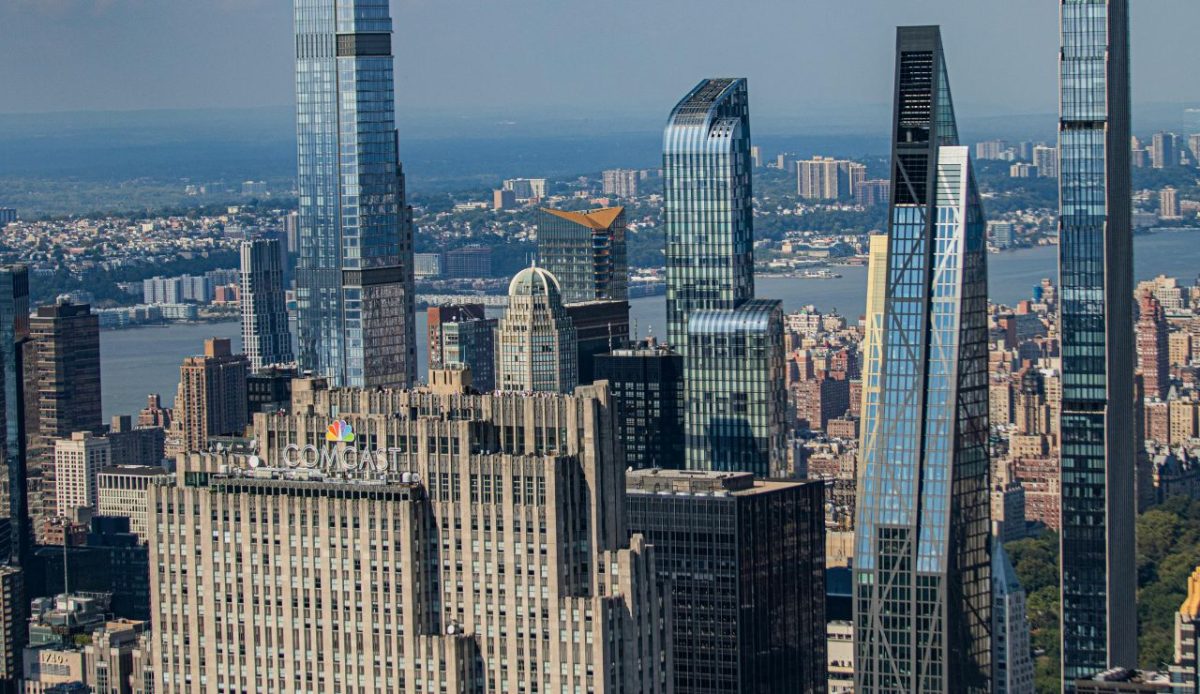
The west side of Manhattan offers a different reading of the skyline. Here, rooftop views reveal how recent development has expanded the city’s visual identity, adding newer towers, public spaces, and wide river-facing perspectives to the urban profile.
This part of the skyline often feels broader and more open than older districts, which makes the city seem less fixed and more in motion.
From above, the west side shows that modern New York is not defined by one postcard image. It is a changing landscape shaped by new construction, shifting light, and fresh vantage points. That sense of change is a major part of the modern rooftop appeal.
Light Changes the Skyline Throughout the Day
Rooftop views in New York are never completely fixed because the skyline changes with the light. Morning often sharpens building lines, late afternoon softens the edges of the city, and night brings out illuminated towers, bridges, and movement across the street grid.
Because of that, the same rooftop can deliver a different impression at different hours. Visitors are not only choosing where to go, but also when to go, based on visibility, color, and atmosphere.
This makes timing part of the skyline experience rather than a small detail added at the end. It also gives repeat visits a clear reason to feel different.
Rooftops Make the City Feel More Personal
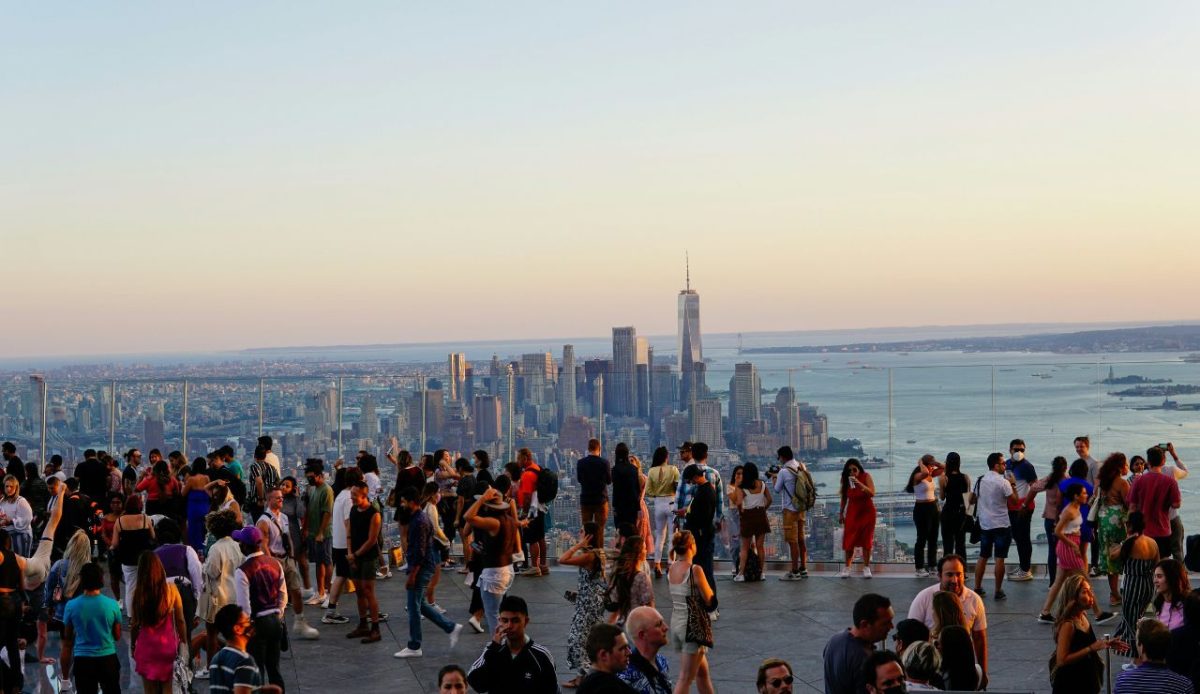
What makes New York’s rooftop culture stand out is the sense of personal perspective it creates. Whether the setting is a major deck or a quieter terrace, the skyline feels less like a fixed image and more like an individual encounter with the city.
That shift matters for modern travel because many visitors want spaces that combine scenery, movement, and atmosphere rather than offering only a short stop for photos.
In that sense, rooftop views are redefining the skyline by turning New York from something watched at a distance into something felt and interpreted from above. That helps explain why the experience stays memorable.
