
New Orleans has never separated music from nightlife, but the city’s jazz scene is adjusting as alcohol rules evolve.
Updated permit procedures, annual renewal deadlines, and entertainment requirements are changing how clubs, restaurants, and performance spaces manage service around live shows.
For travelers, the result is not a quieter city but a more structured one, where the familiar mix of brass bands, cocktails, and late sets now operates within clearer licensing and compliance expectations. That shift is reshaping both the visitor experience and the way venues plan a night of music across the city.
Annual Licensing Is Shaping Venue Rhythms
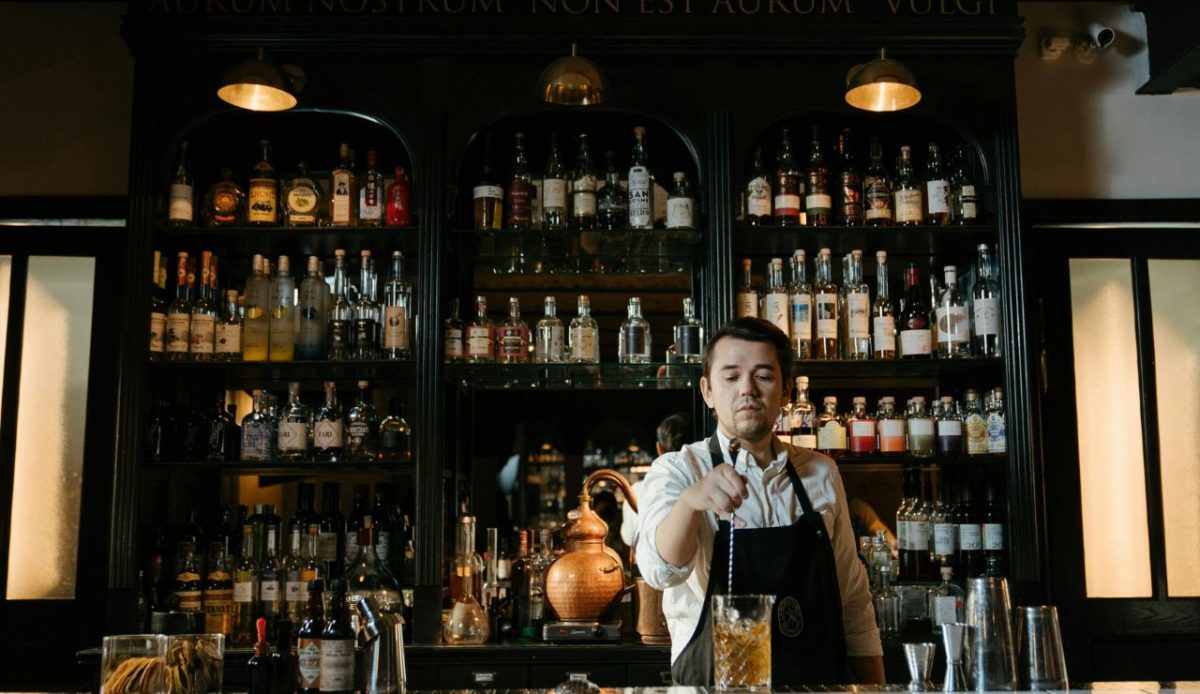
Jazz venues in New Orleans still thrive on spontaneity, but the business side now follows a more structured rhythm. Clubs and bars that host live music must work within licensing timelines that shape staffing and bookings.
Alcohol permits expire each year on May 31, with renewals due by April 1. Owners must stay current on filings, fees, inspections, and related approvals before busy tourism periods and major festival weekends begin.
Most visitors never notice that paperwork, but it affects opening dates, performer bookings, staffing decisions, and how steadily a venue can maintain a reliable calendar of jazz performances across the year.
Temporary Permits Can Help New Spots Open Faster
One practical change is the city’s move toward temporary alcohol permitting for bars and restaurants waiting on standard approval.
That has the potential to help newer venues begin operating sooner instead of losing weeks to licensing delays. In a music city where momentum matters, faster permitting can support pop-up concepts, neighborhood stages, and smaller hospitality businesses trying to build an audience.
Travelers may notice more fresh venues entering the scene, especially in mixed-use corridors, even as permanent licensing, inspections, and city oversight still determine whether they remain in rotation long term.
Live Entertainment Rules Affect The Sound Of The Room
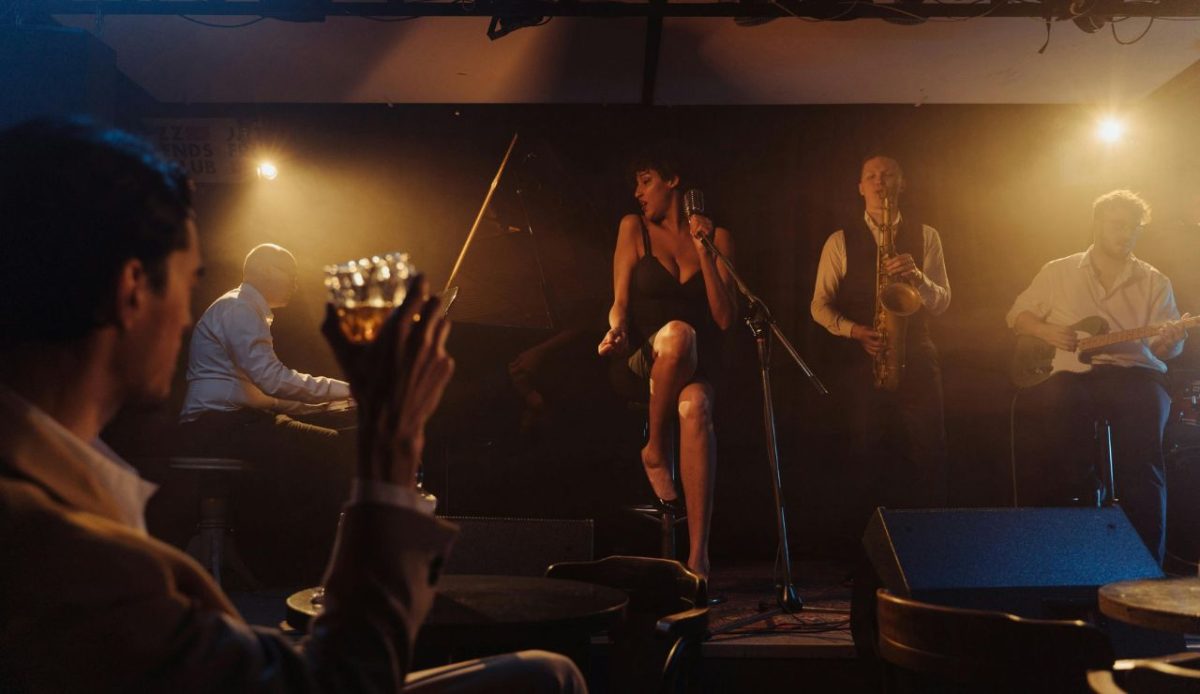
Live music in New Orleans is also shaped by rules that go beyond pouring drinks.
City standards require a separate live entertainment license for on-site performances in many bar settings, and operating conditions can include keeping doors and windows closed while indoor entertainment is underway.
That matters in dense nightlife districts where music, pedestrians, and nearby residents all share the same blocks. The result is a jazz culture that still sounds lively inside, while venues are pushed to balance atmosphere, neighborhood compatibility, and code compliance more carefully than before each show begins.
Drink Service Now Follows Performance Timing More Closely
Alcohol service itself can influence the structure of a performance night.
Under the city’s zoning rules, live performance venues are allowed to sell alcoholic beverages for on-site consumption only one hour before and during performances. That framework encourages venues to tie beverage sales more directly to scheduled shows rather than treat music as a loose backdrop for all-night drinking.
For visitors, it can make set times, reservations, and arrival windows more important, especially at spaces that lean toward a concert model rather than the open-door rhythm of a corner bar on a busy evening.
The Go-Cup Culture Still Coexists With Tighter Oversight

Outside the venues, New Orleans still preserves some of the street culture that makes its jazz districts feel distinct.
The city allows open plastic containers in places such as the French Quarter, so the line between club interior and public sidewalk remains more fluid than in most American destinations. Even so, updated alcohol oversight inside licensed businesses means the famous go-cup tradition exists alongside stricter compliance at the point of service.
That contrast helps explain why the city can still feel loose and festive to travelers while operators face a more formal regulatory environment behind the bar and at the door.
