
New Haven has become a memorable food stop for road travelers because it preserves older dining traditions without turning them into museum pieces.
Drivers heading through southern New England often find a city where coal-fired pizza, longtime sandwich counters, neighborhood bakeries, and classic diners still shape the local experience.
That mix gives New Haven an unusual appeal: meals feel rooted in regional history, yet the city remains active, walkable in key areas, and easy to visit as part of a broader highway trip. For many travelers, a meal break here can also feel like a compact lesson in local identity.
Wooster Street Keeps Italian-American Food Traditions Visible
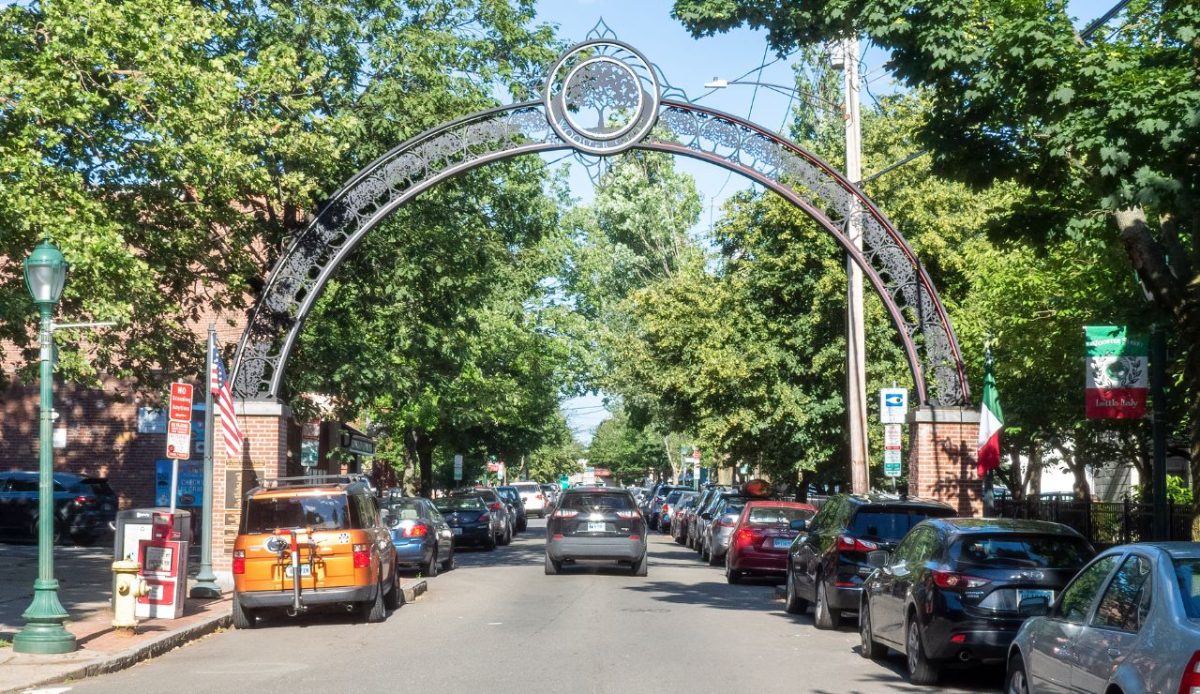
One reason New Haven feels nostalgic is the staying power of Wooster Street, where Italian-American food traditions remain central to the visitor experience.
The area is closely tied to apizza culture and to family-run establishments that helped define the city’s culinary identity over generations.
For road travelers, the appeal is not only taste but setting, since the district still suggests an older neighborhood food corridor rather than a polished entertainment zone built to imitate the past. Visitors can still connect a present-day meal with the immigrant histories that shaped New Haven’s best-known flavors.
Apizza Turns a Simple Meal Into a Travel Ritual
New Haven’s apizza culture gives road trips a built-in stop that feels both practical and memorable.
Local tourism material describes apizza as a defining part of Greater New Haven’s culinary heritage, and longtime names such as Frank Pepe and Sally’s continue to anchor that reputation.
For travelers, that means a meal here carries the feel of tradition, with coal-fired ovens, familiar storefronts, and recipes that connect the city’s dining scene to an earlier era of immigrant family businesses. Waiting for a table or carrying out a pie becomes part of the ritual rather than a mere delay for many visitors.
Louis’ Lunch Adds Historic Pull Beyond Pizza
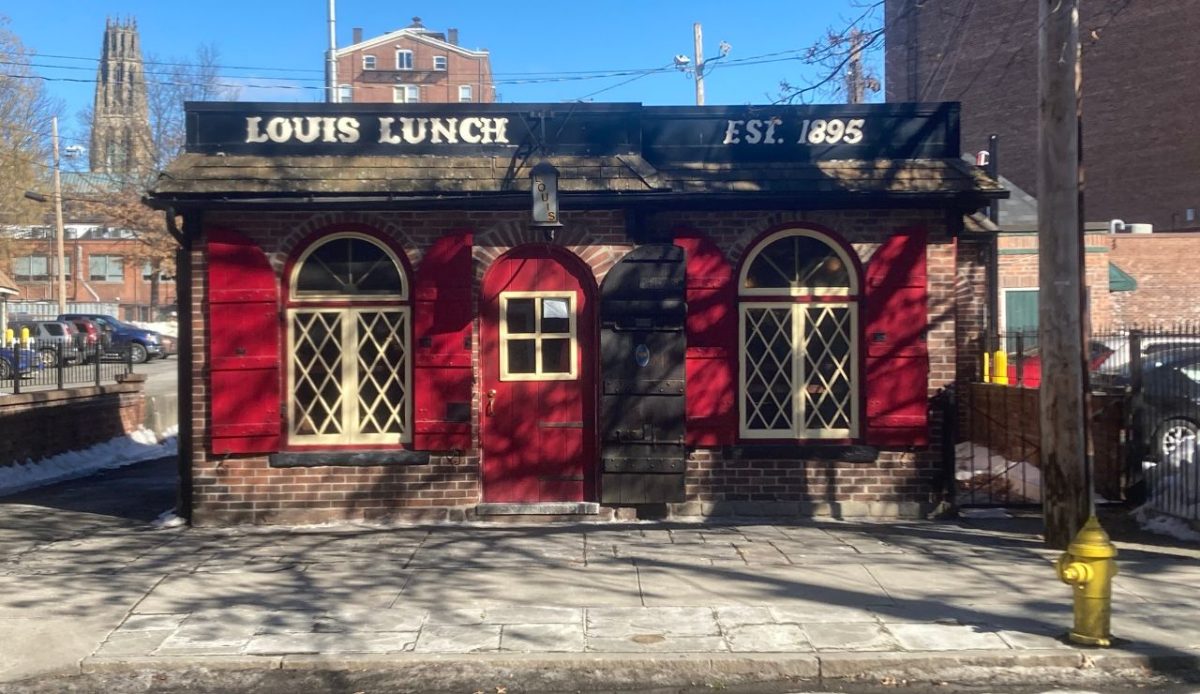
New Haven’s nostalgic food identity is not limited to pizza. Louis’ Lunch is widely promoted as the birthplace of the hamburger, giving the city another historic stop that road travelers can easily fit into a downtown visit.
Its continued appeal comes from restraint rather than reinvention: the setting is modest, the menu is focused, and the experience feels tied to routine and repetition.
That makes it attractive to travelers looking for places where culinary reputation still depends on continuity more than trend-chasing. In a city known for pies, this burger tradition adds unusual depth to the local food story.
Downtown Dining Still Rewards Walking and Browsing
Another part of New Haven’s appeal is how easily road travelers can park, walk, and build a meal around more than one stop.
Downtown and nearby Yale-centered blocks combine restaurants, cafés, bakeries, and cultural sites in a compact area, so food feels integrated into the city rather than isolated on a highway exit.
That format reinforces the nostalgic mood. Instead of grabbing one quick chain meal and leaving, visitors can browse streets, notice older storefront patterns, and turn dining into part of the trip itself. It feels closer to an older style of regional travel, where stopping in town was part of the pleasure.
The City Balances Legacy Spots With Everyday Variety
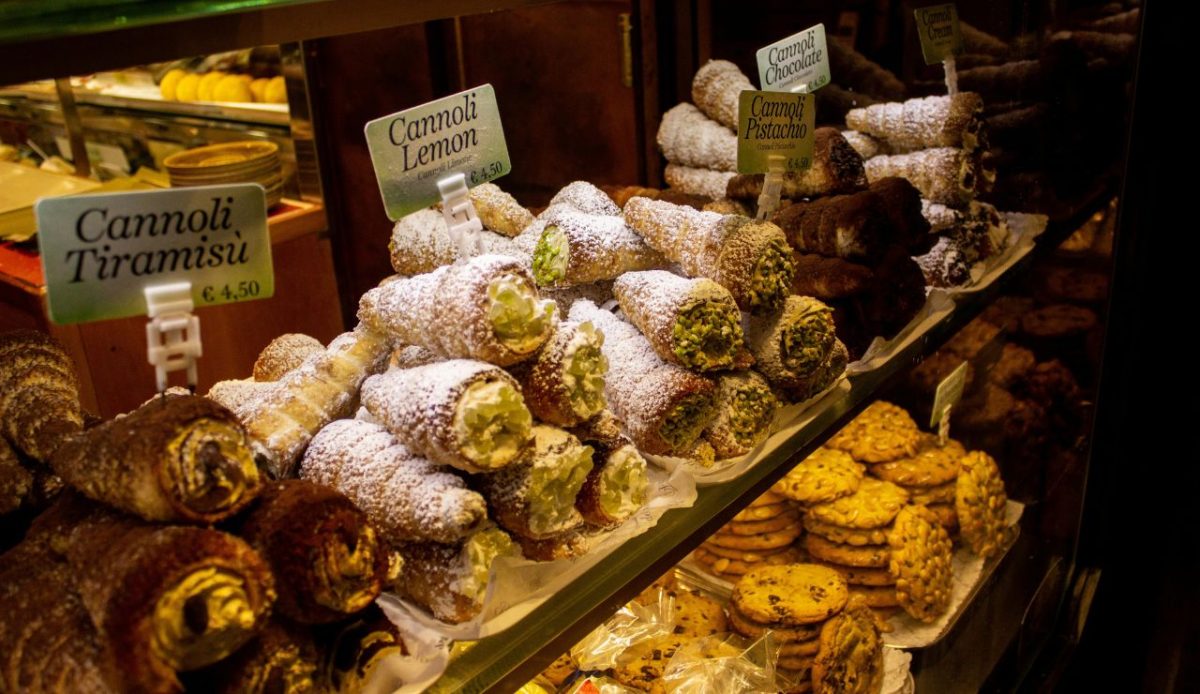
New Haven also stands out because its nostalgic draw does not depend on one famous address alone.
Visitors can move from landmark pizzerias and historic sandwich counters to coffee shops, sweets, and neighborhood restaurants without losing the sense of place.
Tourism guides present the city as both culturally active and deeply shaped by food, which helps explain its road-trip value. Travelers are not stopping only for a single iconic bite; they are entering a dining landscape where older habits and local routines still feel visible. That wider variety makes New Haven feel lived-in, which gives a culinary stop a strong sense of memory.
