
Lifeguards do far more than react when someone is in trouble. They watch patterns, spot unsafe behavior early, and stop small mistakes from becoming emergencies. The same problems appear again and again, whether at a busy pool, a public beach, or a quiet lake.
Most of these errors do not come from recklessness alone. They come from overconfidence, distraction, or a false sense of safety. Many swimmers expect danger to look dramatic, but lifeguards know serious trouble often develops quietly and quickly.
That is why the most useful water-safety lessons are usually the simplest ones. The habits below are among the mistakes lifeguards see most often, and correcting them can make swimming safer and more predictable for everyone in the water.
1. Entering the Water Without Checking Conditions

One of the most common mistakes is getting into the water without first checking conditions. At beaches and lakes, swimmers often ignore currents, waves, weather changes, and sudden drop-offs. At pools, they may overlook depth signs, crowded sections, or activity that affects movement.
Lifeguards know that calm-looking water can still create problems once someone moves farther from shore or farther from the wall than expected. Conditions that seem manageable from the deck or sand can feel very different after only a few minutes.
A short pause before entering can prevent avoidable problems. Reading warnings, checking flags, noting the depth, and watching how others handle the water can help swimmers make safer decisions from the start.
2. Assuming Strong Swimmers Cannot Get Into Trouble
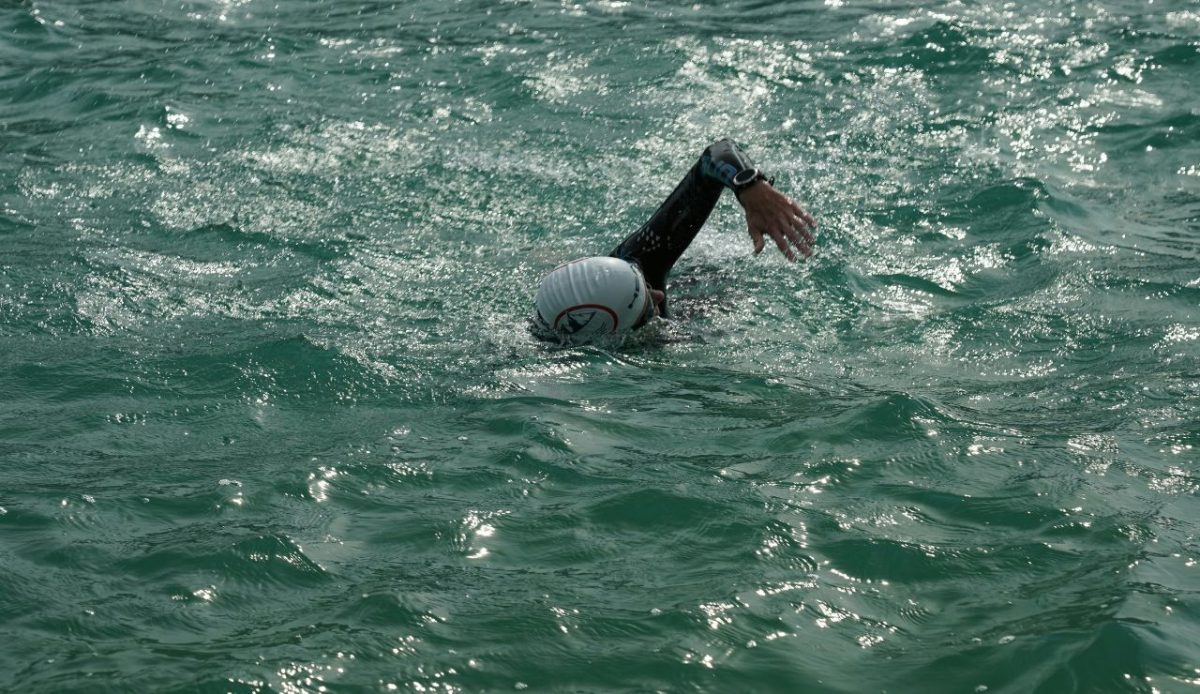
Many swimmers believe skill alone keeps them safe, but lifeguards see confident people run into trouble. Strong swimmers can still misjudge distance, tire faster than expected, cramp suddenly, or lose control after swallowing water. Experience helps, but it does not remove risk.
This becomes more serious in open water, where waves, currents, cold temperatures, and uneven footing add pressure that a pool does not. A swimmer who feels capable in one setting may struggle in another, even if they are fit and comfortable in water.
The safest approach is to treat strength as one factor, not a guarantee. Respecting the environment, staying within personal limits, and avoiding solo swims reduce risk far more effectively than confidence alone.
3. Treating Toys and Floaties Like Real Safety Equipment

Lifeguards often see children and weaker swimmers using inflatables as if they provide real protection. Pool noodles, inner tubes, and arm floaties may be fun for play, but they are not certified life-saving equipment. They can slip off, tip over, drift away, or deflate without warning.
That false sense of security can make adults less attentive and encourage swimmers to move into deeper or rougher water than they can actually manage. The problem is not the toy itself, but the belief that it works like a properly fitted life jacket.
Approved life jackets are built for safety and should be chosen by size and setting. Recreational flotation devices can still be used, but they should never replace active supervision or proper safety gear.
4. Looking for Dramatic Signs of Drowning

Many people expect drowning to look loud and obvious, with splashing, shouting, and frantic waving. Lifeguards are trained to recognize the opposite. A swimmer in real distress may stay vertical, move very little, fail to call out, or slip under the surface quietly after repeated attempts to breathe.
That is one reason danger is missed by nearby adults or other swimmers. People look past small warning signs because they are waiting for a dramatic scene that may never happen. In busy settings, those quiet signals become even easier to overlook.
Understanding what distress actually looks like helps people respond earlier. Lifeguards rely on subtle cues, and that awareness can help families notice trouble before it becomes an emergency.
5. Letting Distraction Replace Active Supervision

Phones, conversations, snacks, and casual socializing create a constant safety problem for lifeguards. Adults may believe they are supervising, but attention that keeps drifting away is not the same as actively watching swimmers, especially children.
A child can move from safe play to real trouble in only a few seconds, often without any noise that draws attention. Crowded pools and beaches make this worse because glare, movement, and background noise make distress harder to spot.
Active supervision means keeping eyes on the water and knowing exactly who is being watched. When families assign one focused adult to monitor swimmers without phone use or side conversations, the chance of preventable emergencies drops.
6. Staying in the Water Longer Than the Body Can Handle

Lifeguards frequently see swimmers remain in the water past the point where they are still moving efficiently. Trouble often starts with gradual fatigue rather than a sudden event. By the time a swimmer realizes their arms or legs are tiring, coordination and judgment may be declining.
Sun exposure, dehydration, cold water, rough waves, and repeated effort all speed up exhaustion. In pools, that may show up as sloppy strokes or trouble reaching the wall. In open water, it can become more serious because there is less support nearby.
Taking breaks before exhaustion sets in is a simple safety habit swimmers can adopt. Leaving the water early is not weakness. It is often the decision that prevents a manageable swim from becoming a rescue.
7. Guessing Depth Instead of Confirming It
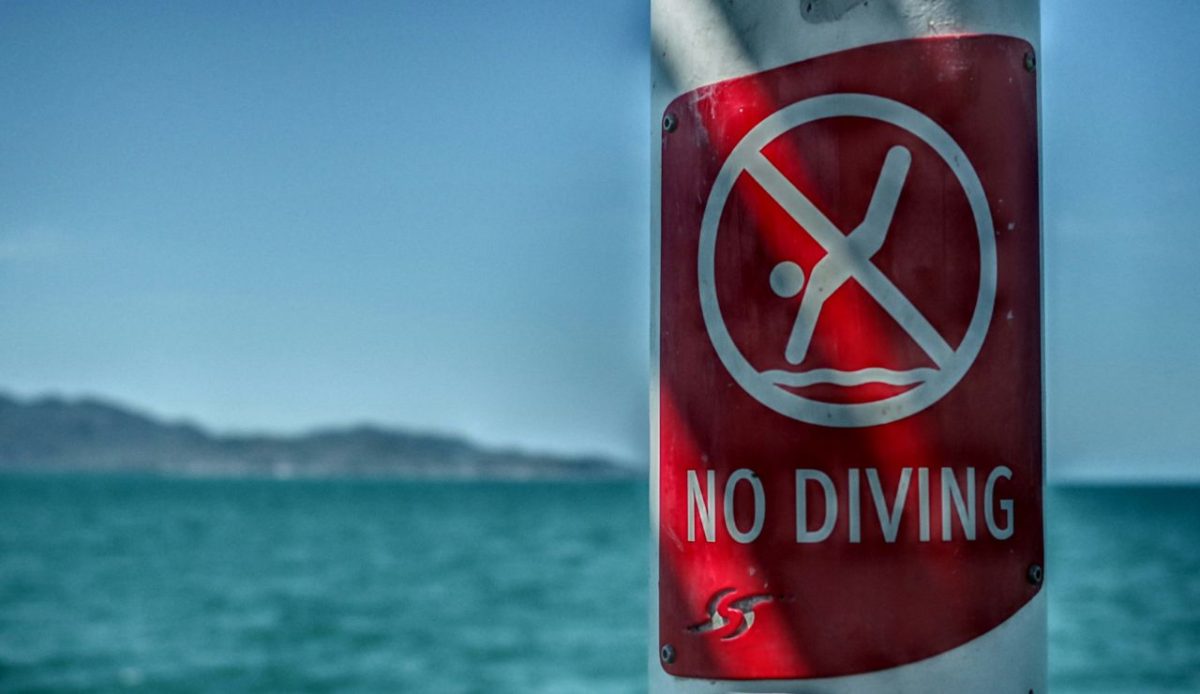
Assuming the water is deeper than it really is is a dangerous mistake. Lifeguards see people dive headfirst into shallow areas, jump where the bottom rises quickly, or enter unfamiliar water without checking for rocks, slopes, or hidden changes in level.
Pools provide markers, but many swimmers ignore them. Natural water presents even more uncertainty because tides, sediment movement, and poor visibility can make depth difficult to judge from the surface. What looked safe earlier may not be safe now.
Entering feet first, reading posted depth information, and avoiding dives into unknown water are simple precautions that prevent severe injuries. Head, neck, and spinal injuries often begin with a confident guess that turns out to be wrong.
8. Assuming Lifeguards Can Replace Personal Responsibility

Swimmers sometimes act as though the presence of a lifeguard removes the need for caution, but that is not how water safety works. Lifeguards provide observation and emergency response, yet they cannot control every choice a swimmer makes or erase every risk around the water.
Crowds, glare, distance, and multiple incidents can all affect how quickly a problem is spotted. Even in well-managed facilities, safety still depends on swimmers following rules, staying in appropriate areas, and making decisions based on ability rather than impulse.
Lifeguards are a critical layer of protection, but they are not permission to take chances. The safest swimmers understand that judgment, awareness, and rule-following remain the first line of defense.
9. Waiting Too Long to Get Out

A smart habit in the water is knowing when conditions, the body, or the situation no longer feels right. Lifeguards often see swimmers stay in because they do not want to seem fearful and assume they can push through fatigue, rough water, or changing weather.
That delay can turn a concern into a serious problem. Lightning in the distance, stronger waves, muscle fatigue, cold exposure, or a growing sense of discomfort are all reasons to stop early rather than continue and hope the situation improves.
Choosing to get out is not overreacting. It is a practical response to warning signs that lifeguards are trained to respect. The safest swimmers are often not the boldest ones, but the ones who know when the water is no longer worth the risk.
