
America’s renewed love affair with the road trip is not just about nostalgia or cheaper getaways. It is also being shaped by policy. Federal highway spending, EV charging programs, reservation systems at major parks, and new investment in scenic routes are making drives easier to plan.
Road travel still gives Americans flexibility. Families can change routes, add stops, and stretch budgets more easily than with tightly scheduled air travel.
When rules, infrastructure, and access systems improve together, travelers gain more confidence to skip the airport, load the car, and build trips around open roads, smaller towns, and public lands.
Better Highways Are Reducing the Friction of Long Drives
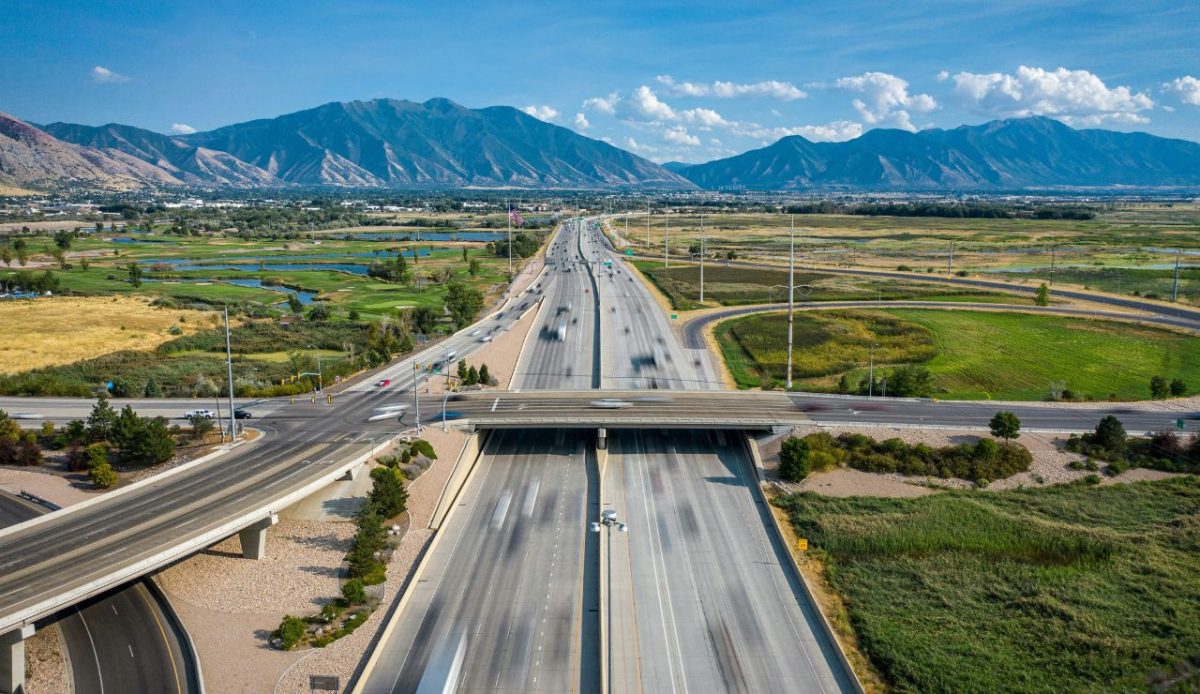
Recent transportation policy has made the road itself feel more reliable. The Infrastructure Investment and Jobs Act directed major funding into roads, bridges, and highway programs, giving states more room to tackle repairs, bottlenecks, and safety work that directly affect long-distance drivers.
For travelers, that does not mean every highway is suddenly perfect. It means the basic conditions for road-based vacations are improving in a measurable way.
Better-maintained corridors, upgraded bridges, and safety-focused projects reduce friction, especially on the regional routes that connect cities to parks, coasts, and mountain towns.
EV Charging Policy Is Expanding Who Can Road Trip Comfortably
Another shift is the federal push to expand public charging. Programs tied to the National Electric Vehicle Infrastructure framework are helping states build out charger networks along designated corridors, which matters for travelers who want to take road trips without worrying that the next stop is a gamble.
This change widens the idea of who a road trip is for. Families driving gas vehicles still dominate the market, but policy-backed charging access makes self-drive vacations more realistic for EV owners too.
That expands demand for scenic drives, overnight stops, and destination loops that once felt easier only in traditional cars.
Park Access Rules Are Reshaping the Classic Scenic Drive

Policy is also changing how Americans access popular outdoor destinations. At some national parks, timed-entry systems and vehicle reservations are now part of peak-season travel, while other parks are adjusting or removing those systems after reviewing traffic and crowd patterns.
That may sound restrictive, but it often helps road trippers more than it hurts them. A clearer entry system can reduce long gate backups and make arrival times easier to manage.
In places where rules are loosened after evaluation, travelers benefit from a more flexible drive plan. Either way, policy is now shaping the rhythm of the classic park road trip.
Scenic Route Funding Is Sending Travelers Beyond the Interstate
Road trip growth is also getting a boost from policies that improve how people discover and use scenic routes. Federal support for the National Scenic Byways Program helps fund safety, accessibility, and visitor improvements along designated roads, many of which pass through smaller communities rather than major hubs.
That matters for travel behavior. When byways are easier to navigate and better supported, more trips spread beyond the interstate and into regional economies built around local attractions.
Policy here is not just moving cars. It is steering demand toward places that benefit most from drive-in tourism.
Smarter Booking Systems Are Making Road Trips Easier to Pull Off

Planning rules have become part of the revival too. Recreation.gov now works as a centralized reservation platform for 14 federal agencies, giving travelers one place to book campsites, permits, and other trip essentials that once required more fragmented research.
That reduces one of the biggest barriers to a multi-stop drive: uncertainty. A road trip still feels spontaneous, but the logistics are more manageable when bookings and access rules sit in one system.
Combined with lower gasoline prices in 2025 and record-high holiday driving forecasts, these policy-backed tools are helping the road trip feel practical again, not just romantic.
