
Route 66 has long represented continuity, linking generations through shared road trips, small-town stops, and family-run businesses. For decades, these places served as landmarks not only for travelers, but for communities built around the highway’s steady flow of visitors.
In recent years, many of these long-standing stops have faced mounting pressure. Declining traffic, infrastructure changes, and shifting travel habits have reduced visibility and revenue along the former route. Some locations now operate seasonally, while others face permanent closure.
As these stops disappear, more than buildings are lost. Each closure marks the end of stories passed through families and towns that once relied on the road as a lasting lifeline.
1. Roy’s Motel and Café
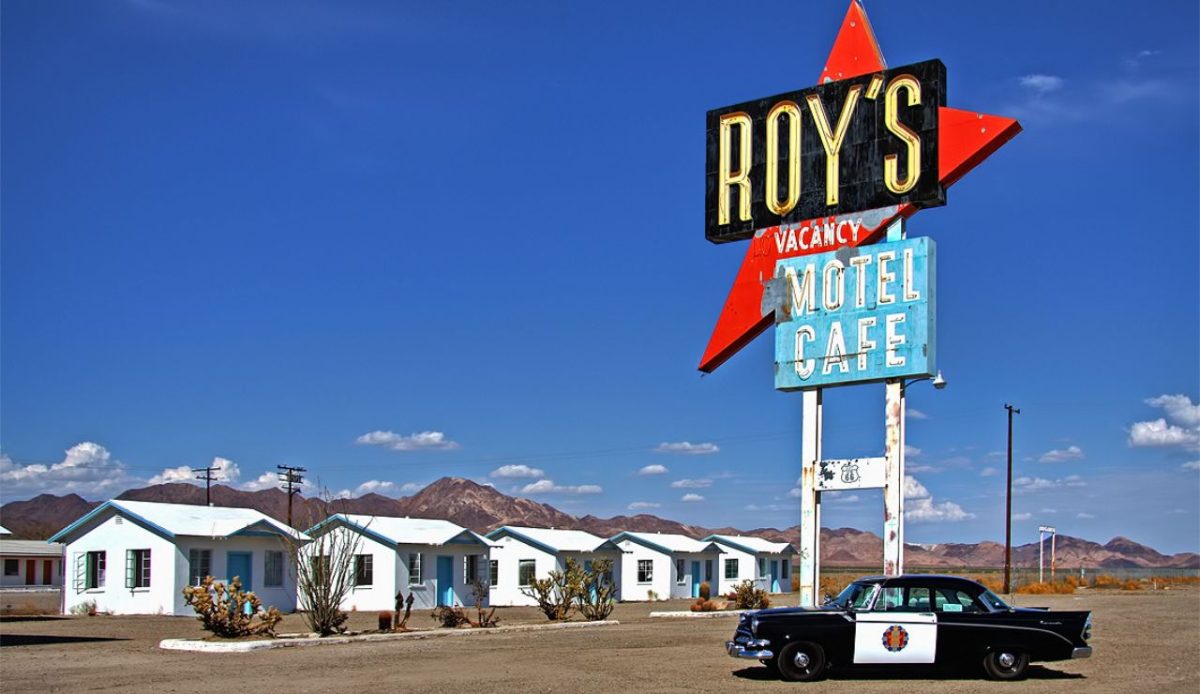
Roy’s Motel and Café once served as a critical rest stop in the Mojave Desert, offering fuel, food, and shelter along one of Route 66’s most isolated stretches. Its neon sign became a familiar signal of relief for travelers crossing long desert miles.
Reduced traffic after interstate development led to extended closures and only occasional reopenings. Preservation efforts and ownership changes have attempted revival, but full restoration remains difficult due to high costs and the remote location.
Today, the site remains visually striking but mostly inactive. Its role has shifted from a functioning stop to a symbolic landmark, reflecting how Route 66 sites increasingly preserve memory rather than serve daily travel needs.
2. Blue Swallow Motel
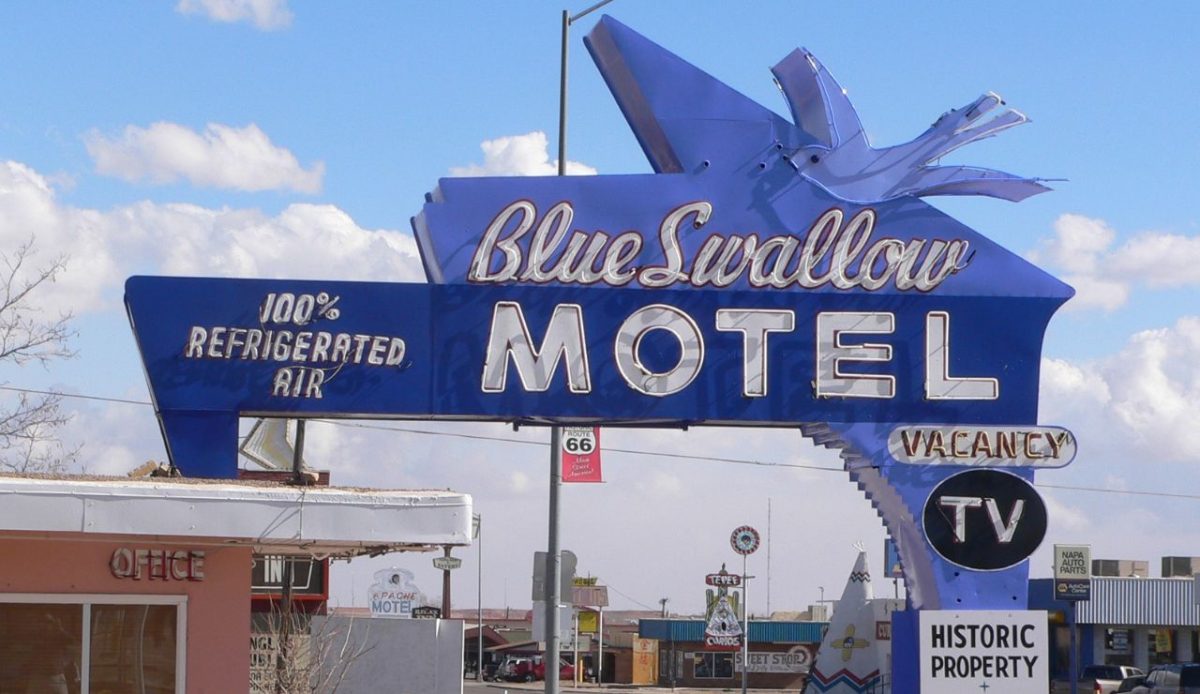
The Blue Swallow Motel has welcomed travelers since the late 1930s and is widely recognized for its preserved rooms and working neon signage. It represents the rise of motor courts designed specifically for long-distance automobile travel.
Maintaining historic accommodations has become increasingly challenging. Changing traveler expectations, rising repair costs, and the need for modern amenities place financial pressure on older roadside properties.
Although the motel continues to attract visitors interested in Route 66 history, its long-term sustainability remains uncertain. The site highlights the ongoing tension between preservation efforts and the realities of operating historic lodging.
3. Hackberry General Store
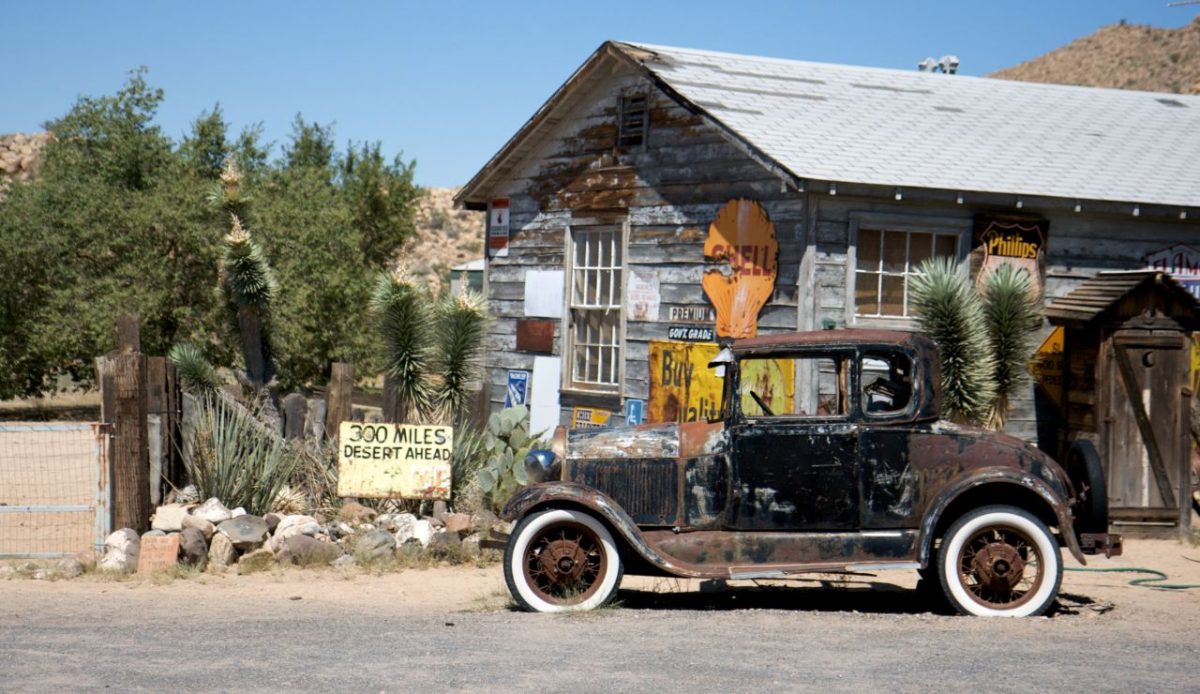
Hackberry General Store once functioned as a practical supply stop for travelers crossing a remote stretch of Route 66 in northwestern Arizona. Originally serving local miners and motorists, it provided fuel, food, and basic necessities in an isolated desert area.
As interstate highways replaced the original route, regular traffic through Hackberry declined sharply. The store closed for years, reflecting how reduced visibility affected businesses dependent on steady road travel.
Later reopened primarily as a visitor stop, the store now operates more as a historical site than a functional service point. Its evolution highlights how Route 66 commerce shifted from necessity to nostalgia.
4. Jack Rabbit Trading Post
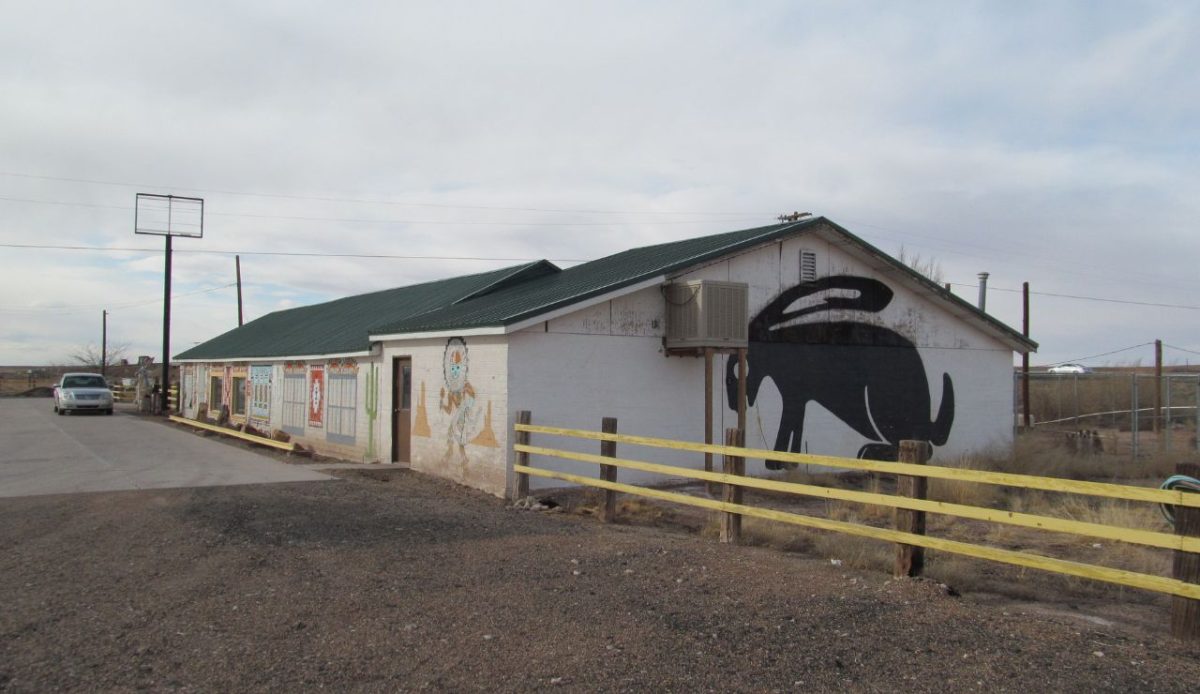
Jack Rabbit Trading Post became famous for its playful roadside signs that appeared miles before the stop itself, building anticipation for travelers approaching the Arizona desert. The shop offered souvenirs and a brief pause from long drives.
As interstate routes redirected traffic away from the original highway, visitor numbers declined. While the trading post continues operating, it no longer benefits from steady pass-through travel.
Its continued presence underscores how some Route 66 businesses survive primarily through recognition rather than volume, highlighting the difficulty of maintaining roadside traditions in changing travel corridors.
5. Texola Filling Station
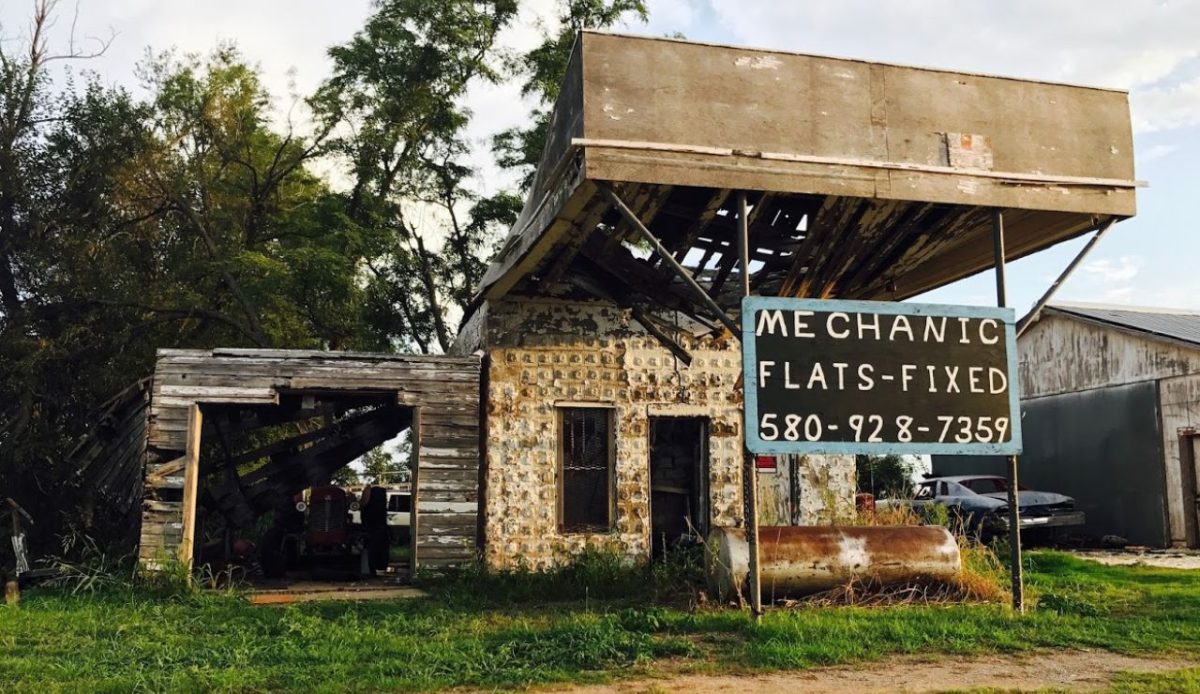
The Texola Filling Station once served as a vital service point near the Texas–Oklahoma border, supporting travelers and the surrounding community. Family-operated stations like this formed the backbone of early Route 66 commerce.
As nearby towns lost population and traffic declined, the station eventually closed. Preservation efforts have been limited, largely due to reduced funding and fewer local resources.
Today, the building stands unused, reflecting how highway-dependent towns struggled to adapt after Route 66 traffic diminished, leaving behind structures tied closely to a vanished economic system.
6. Snow Cap Drive-In
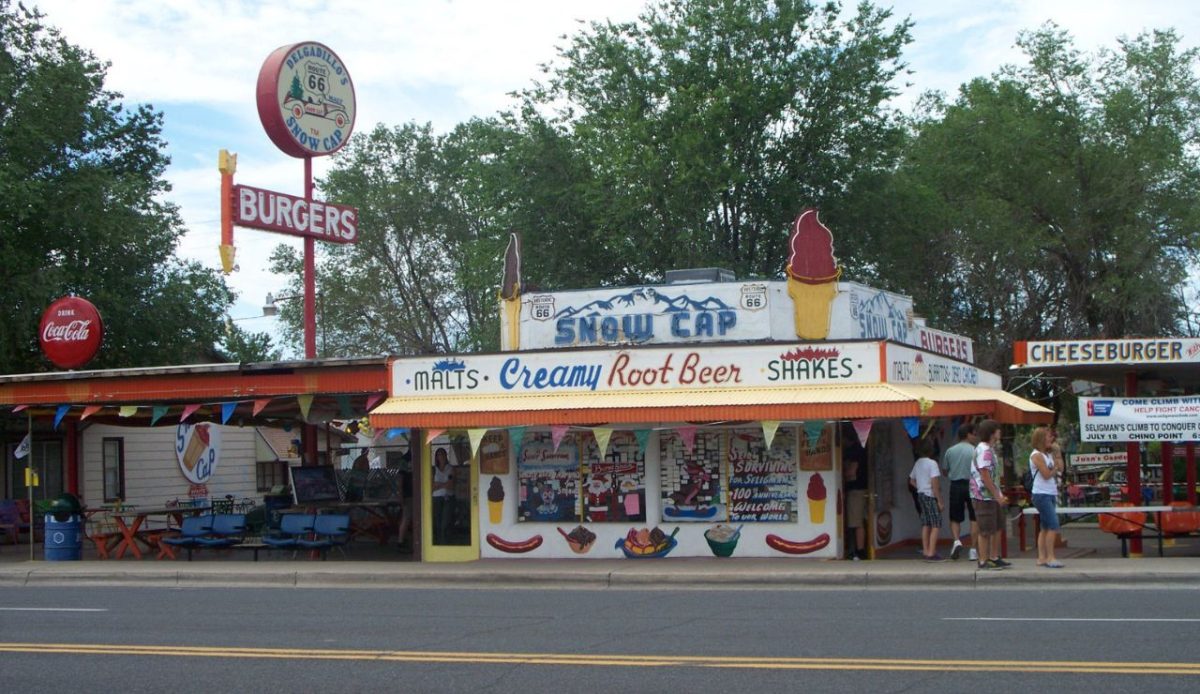
Snow Cap Drive-In became a recognizable stop for travelers seeking classic roadside dining along Route 66. Its distinctive architecture and long-standing operation made it a familiar landmark for repeat visitors.
Over time, operational demands increased as ownership transitions and staffing challenges emerged. Maintaining aging facilities while meeting modern standards has required constant effort.
Although still remembered as part of Route 66 culture, its future remains uncertain. The drive-in reflects broader challenges faced by family-run businesses trying to preserve tradition amid shifting travel patterns.
7. Munger Moss Motel
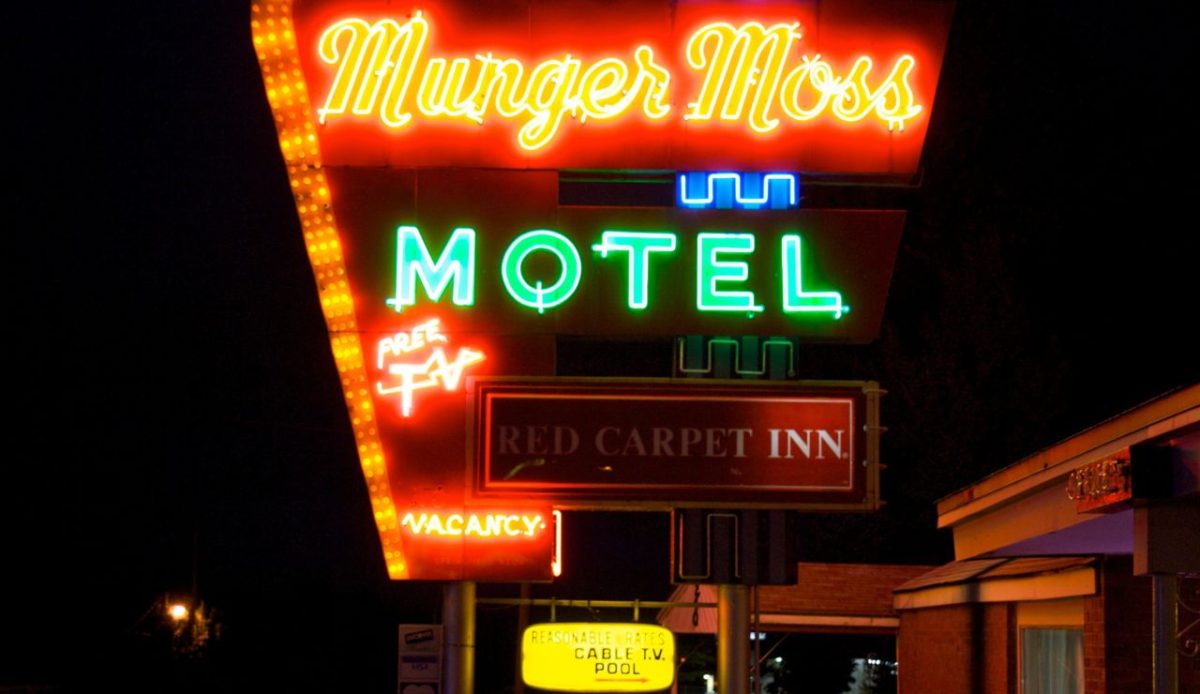
Munger Moss Motel has operated since the mid-20th century and is known for its preserved motor court layout, neon signage, and connection to Route 66 travelers. For generations, it provided affordable lodging to families and long-distance road trippers.
As Route 66 traffic declined and maintenance costs increased, sustaining daily operations became more difficult. Discussions around relocation highlight how original roadside sites can become impractical when travel patterns shift.
The motel’s situation shows the fragile balance between preserving historical authenticity and adapting to modern transportation realities that no longer depend on Route 66.
8. Cool Springs Station
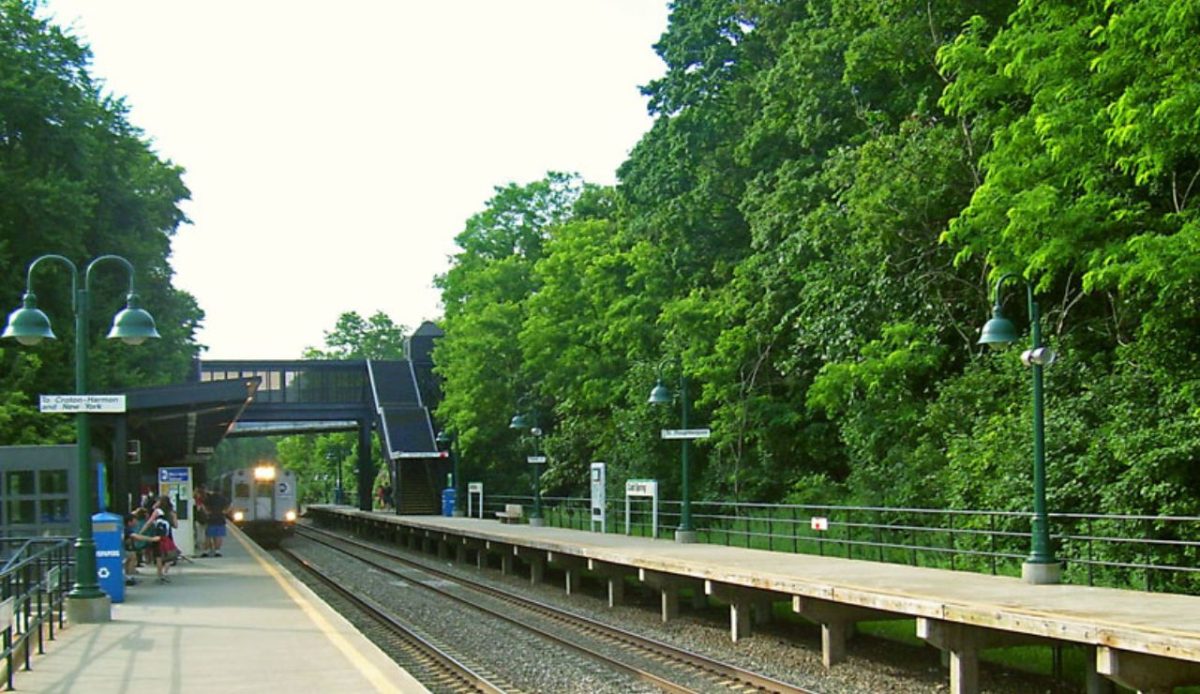
Cool Springs Station once provided essential services along a steep and remote stretch of Route 66 in Arizona, where fuel and rest stops were limited. After years of abandonment, partial restoration brought renewed attention to the site and its historic role.
Despite these efforts, visitor numbers fluctuate due to isolation, limited amenities, and seasonal accessibility affected by weather and road conditions. The location remains dependent on tourism interest rather than functional necessity for travelers.
Today, the station operates more as a historical exhibit than a working stop, demonstrating how some Route 66 locations transition from service points into preservation-focused landmarks.
9. 66 Drive-In Theatre
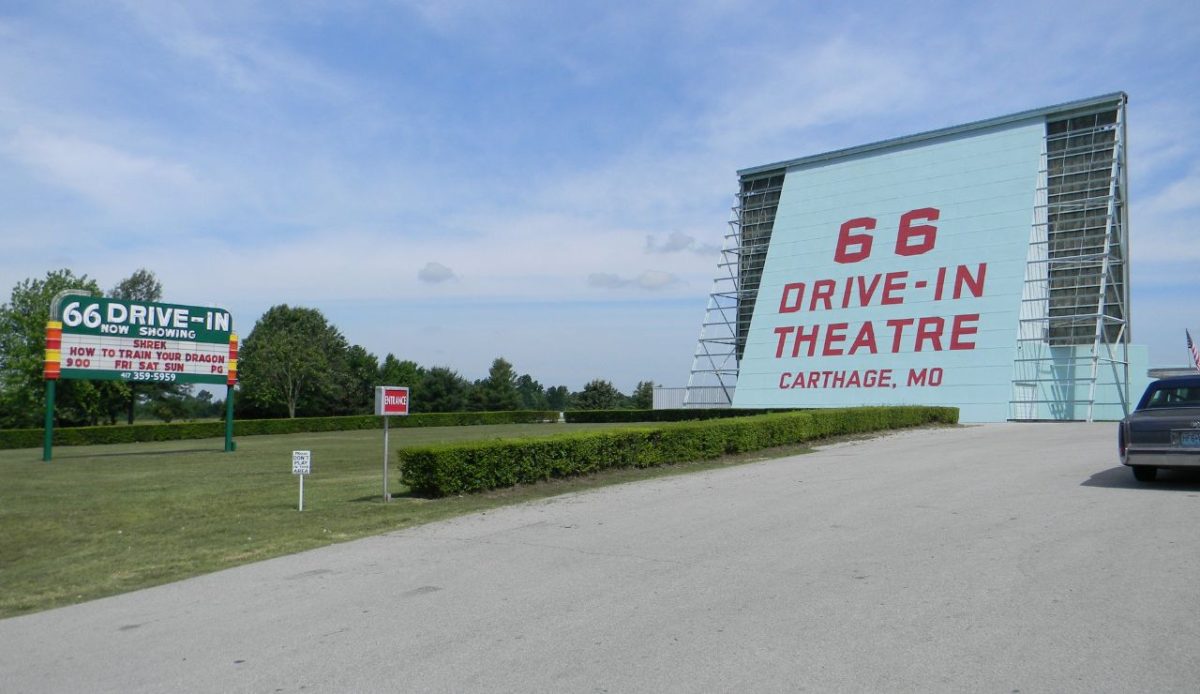
The 66 Drive-In Theatre once offered entertainment for both travelers and local residents, reflecting a period when roadside attractions extended beyond fuel and food. Drive-ins thrived during Route 66’s peak era as affordable, family-friendly stops.
Changing entertainment habits, population shifts, and competition from indoor venues gradually reduced attendance. Rising maintenance costs and equipment upgrades further limited the ability to operate consistently throughout the year.
Its seasonal schedule reflects modern constraints, while its continued existence highlights how roadside entertainment venues struggle to remain viable in contemporary travel landscapes.
10. Twin Arrows Trading Post
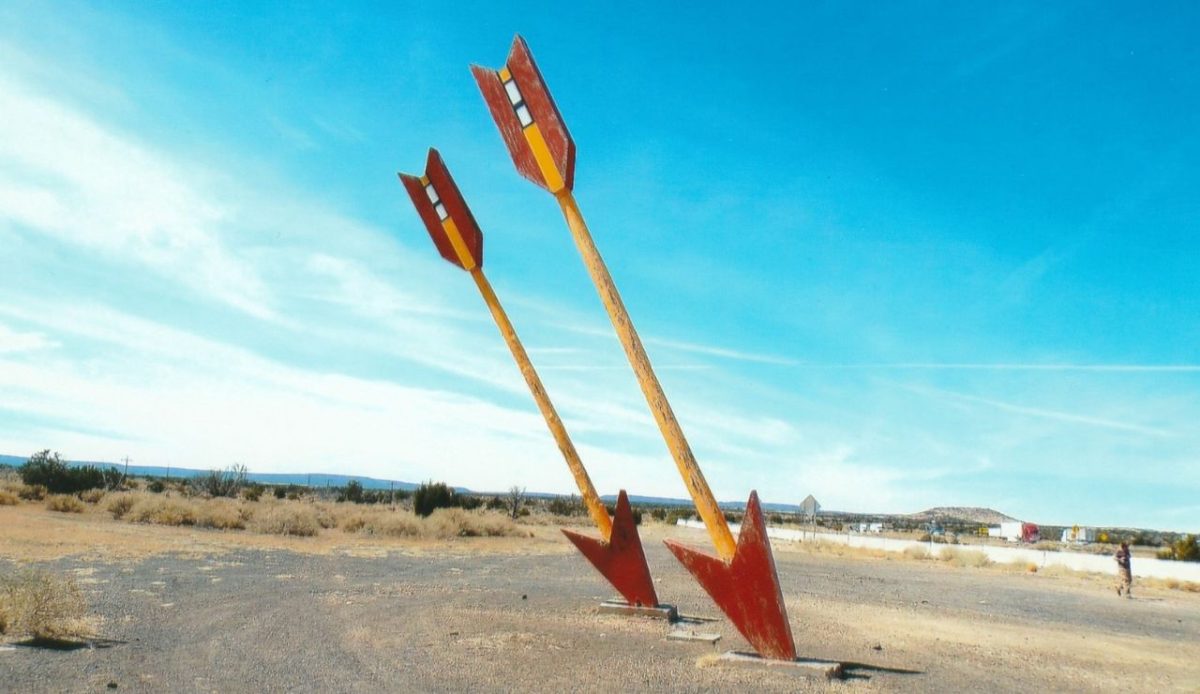
Twin Arrows Trading Post was a prominent Route 66 stop, instantly recognizable by its towering arrows visible from the highway. It provided fuel, souvenirs, rest facilities, and a clear visual marker for travelers navigating long desert stretches across northern Arizona.
When interstate rerouting removed consistent traffic, the business lost its primary customer base almost overnight. Travelers bypassed the original route entirely, and closure followed, leaving behind only the iconic arrows and empty structures as roadside remnants.
The site demonstrates how visibility alone cannot sustain businesses once traffic patterns fundamentally change, cutting off access and bypassing traditional travel corridors that once supported daily activity.
11. Westside Lilo’s Café
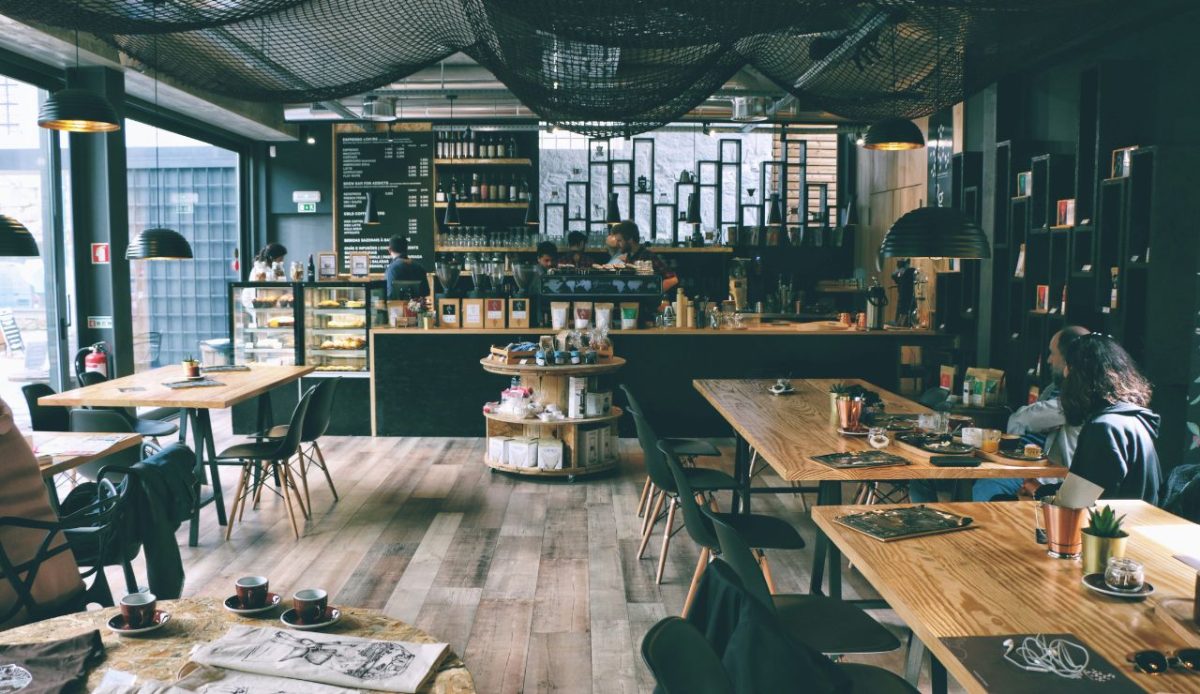
Westside Lilo’s Café became known for home-style meals and its role in Route 66 revival efforts, attracting visitors seeking authentic roadside dining experiences. It also served as a gathering place for locals and repeat travelers.
Rising operating costs, staffing challenges, and ownership transitions eventually led to closure. Attempts to reopen have faced logistical and financial obstacles tied to location and seasonal tourism demand.
Its loss reflects the vulnerability of small, independent establishments that rely heavily on personal management, steady traffic, and tourism-driven revenue to survive.
