
Cruises often look simple from the outside: unpack once, enjoy the ocean, and let the ship handle the rest. That expectation is exactly why many first-time passengers feel surprised by how different the experience feels in practice.
A cruise can be convenient, social, and relaxing, but it also runs on tight schedules, shared spaces, and rules that shape the trip from day one. Cabins are compact, ports are timed, and many onboard choices come with added costs or practical limits.
Understanding those realities before booking helps travelers choose the right itinerary, budget more accurately, and step onboard with expectations that actually match life at sea instead of polished marketing images.
1. The Ship Feels Like a Floating City
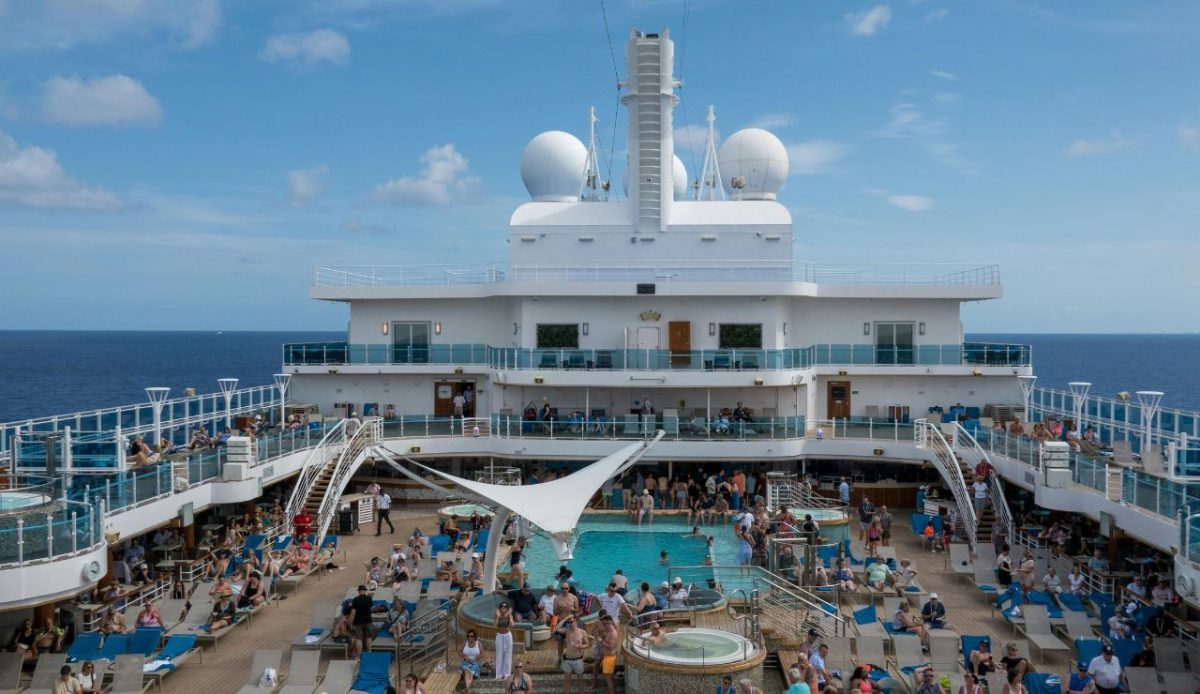
Many first-time cruisers picture a calm, spacious escape, but modern ships often feel more like compact resort cities. Thousands of passengers move between pools, dining rooms, theaters, elevators, shops, and open decks at the same time, especially on sea days and embarkation afternoons.
That creates energy and variety, yet it also means noise, lines, and constant activity in popular areas. Travelers who expect total quiet or empty public spaces can be caught off guard by how lively the environment feels.
The experience usually becomes more enjoyable when people treat the ship as a busy shared setting with neighborhoods and routines, rather than as a private retreat drifting through open water.
2. Port Days Move on a Strict Clock
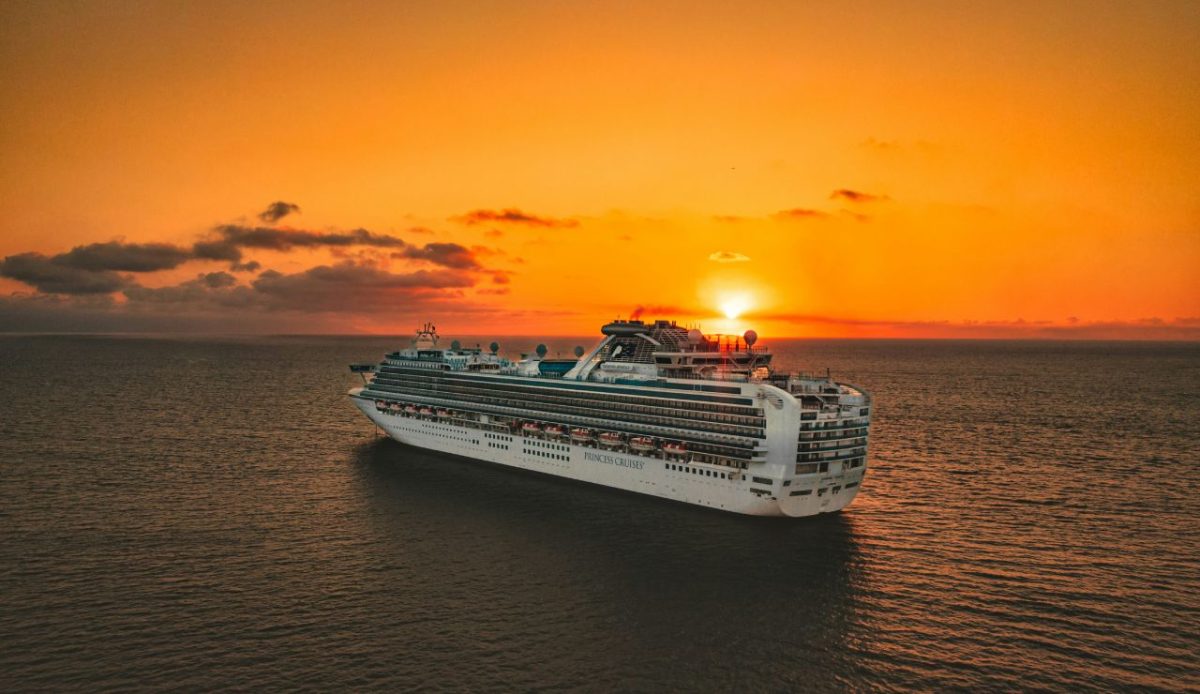
New cruisers often imagine flexible island stops where they can wander back whenever they feel like it. In reality, cruise itineraries run on strict timelines, and the ship does not wait for late independent travelers who misjudge distance or traffic.
Port days require planning around all-aboard times, shuttle queues, transportation delays, and the distance between attractions and the terminal. Even a relaxed outing can feel rushed if timing is not managed carefully from the start.
For many first-timers, the biggest surprise is that a cruise may feel highly structured off the ship, not just on it, especially when several ports arrive on consecutive days and each stop lasts only a handful of hours.
3. Extra Costs Add Up Faster Than Expected

A cruise fare may look like an all-in-one holiday price, but many common expenses sit outside the base cost. Drinks beyond basic options, specialty dining, Wi-Fi, shore excursions, gratuities, spa treatments, photos, and some onboard activities can raise the final total quickly.
First-time passengers are often surprised by how many small purchases appear once they are onboard and using the ship normally, even without choosing luxury upgrades. None of this makes cruising poor value, but it does change the budget picture in a real way.
The final cost often depends less on the advertised fare and more on the habits, preferences, and add-ons travelers decide to say yes to during the voyage.
4. Cabin Size Changes the Whole Experience
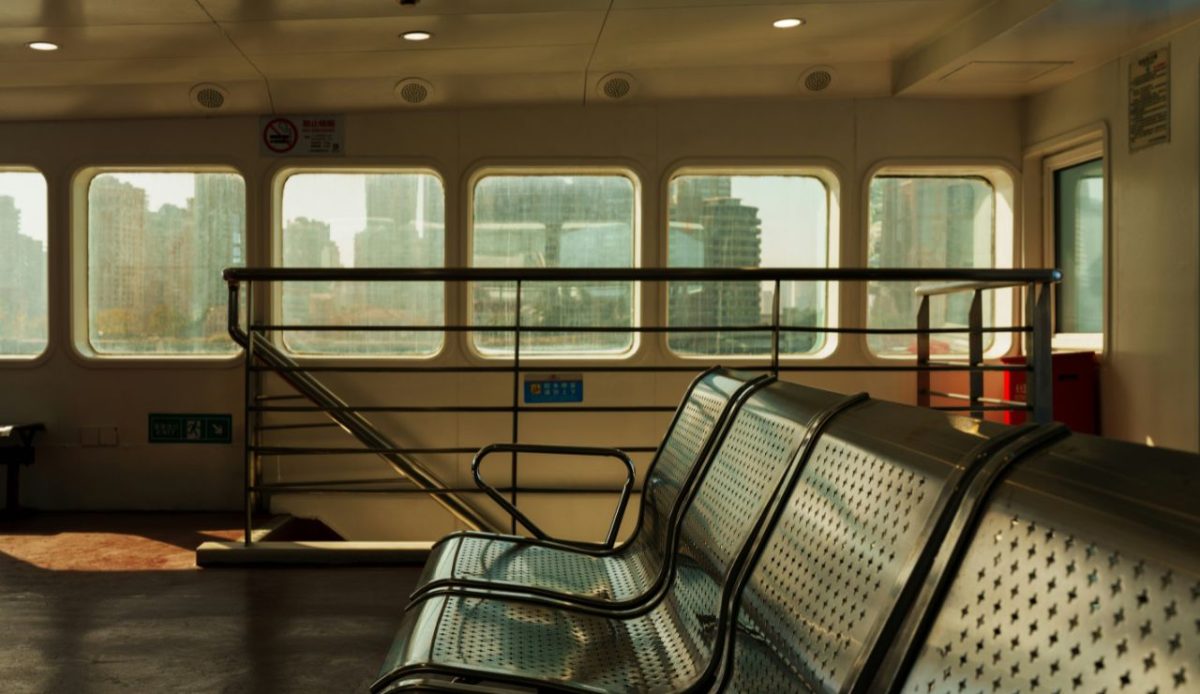
Photos can make even standard cruise cabins look larger than they feel in person. For first-time passengers, the adjustment is not always about luxury but about space, storage, and daily comfort across several days at sea.
Luggage, formalwear, shoes, chargers, backpacks, and toiletries can make a room feel crowded very quickly, particularly when more than two people share it. Bathroom layouts are also often tighter than expected, with limited counter space and compact showers.
Travelers who plan to spend little time in the cabin may still notice the difference after a few nights. On a cruise, room size affects routine, rest, organization, and convenience far more than many newcomers assume when they first compare fares online.
5. Motion Feels Different From What People Imagine
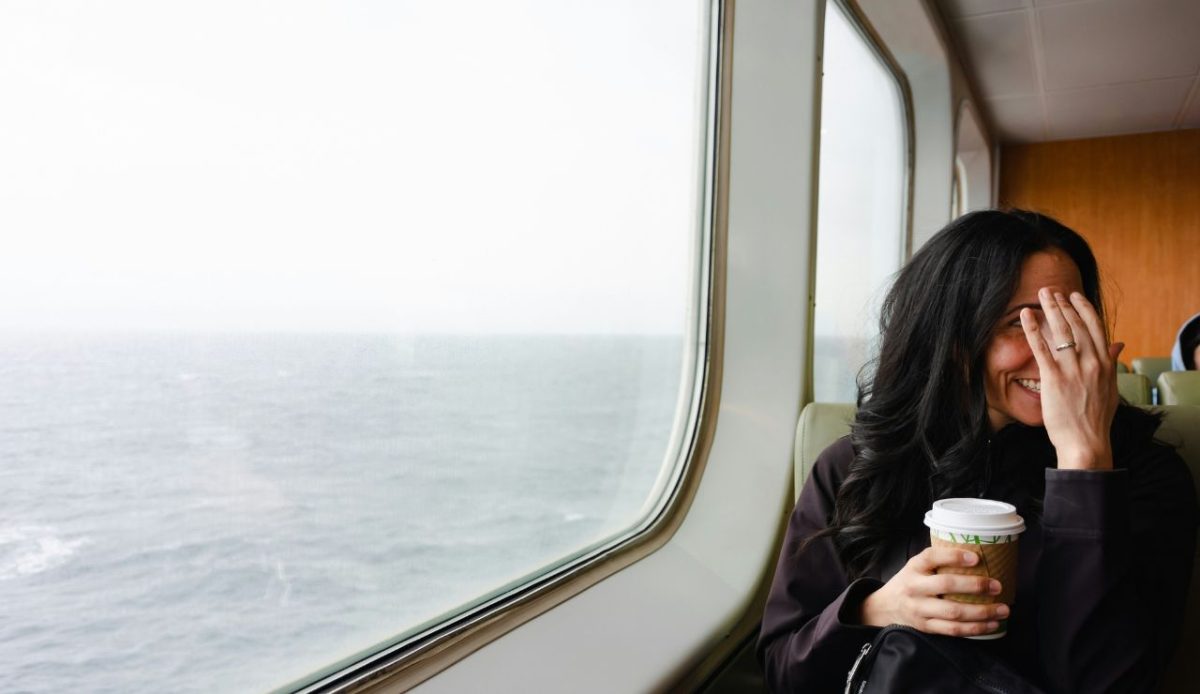
Some first-time cruisers expect constant dramatic rocking, while others assume they will not notice movement at all. The reality usually falls somewhere in between. Large ships smooth out much of the motion, but passengers can still feel swaying in rough weather, open water, or higher decks toward the front of the ship.
For some travelers, the sensation is mild and fades quickly after the first day. For others, it affects sleep, appetite, balance, or comfort during the early part of the trip. Seasickness is not guaranteed, but it is also not rare enough to ignore or dismiss.
Preparing for motion in advance with simple remedies usually makes the trip easier, calmer, and far less stressful.
6. Dining Is Convenient, but Not Always Instant
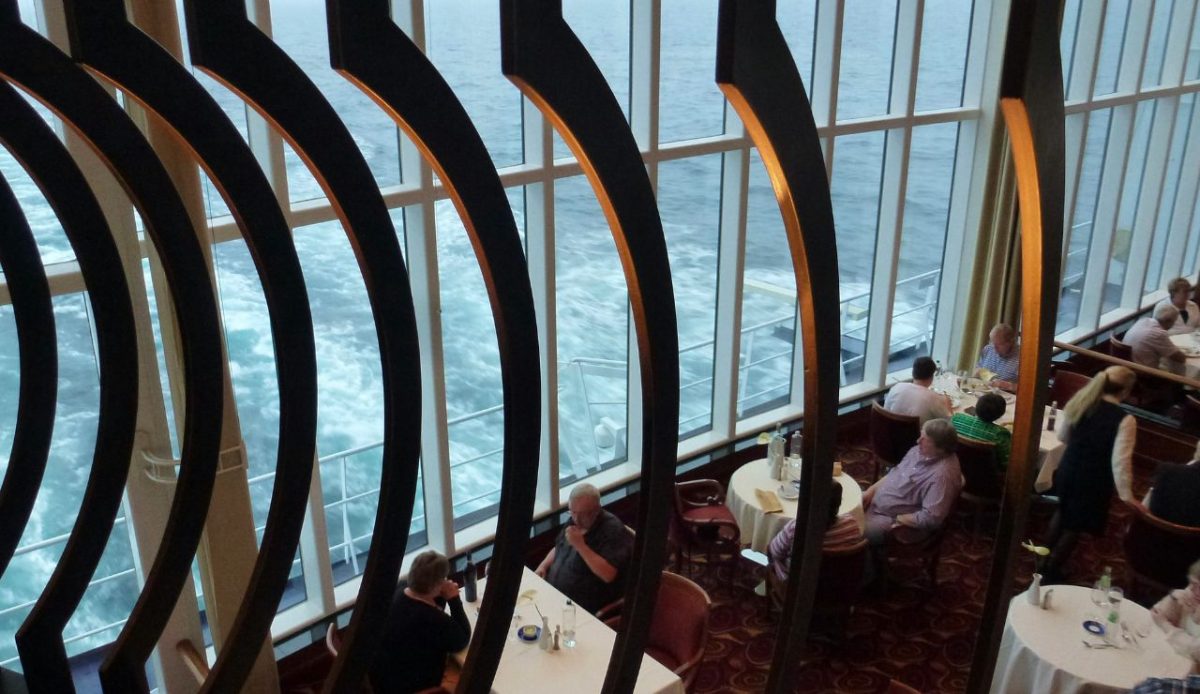
Cruise advertising often highlights endless food choices, and that part is generally true. What surprises first-time guests is that access, timing, and pace still matter from morning through late evening.
Buffet lines can build quickly, main dining rooms follow schedules, and popular specialty restaurants may require reservations well before sailing or soon after boarding. Room service and casual venues help, but they do not remove all waiting or guarantee the same menu everywhere.
Meal quality can also vary between venues, rather than feeling uniformly premium across the ship. The dining experience is usually broad and reliable, yet it works best when travelers expect variety within a system, not nonstop instant service at every hour.
7. Personal Space Becomes Part of the Trade-Off
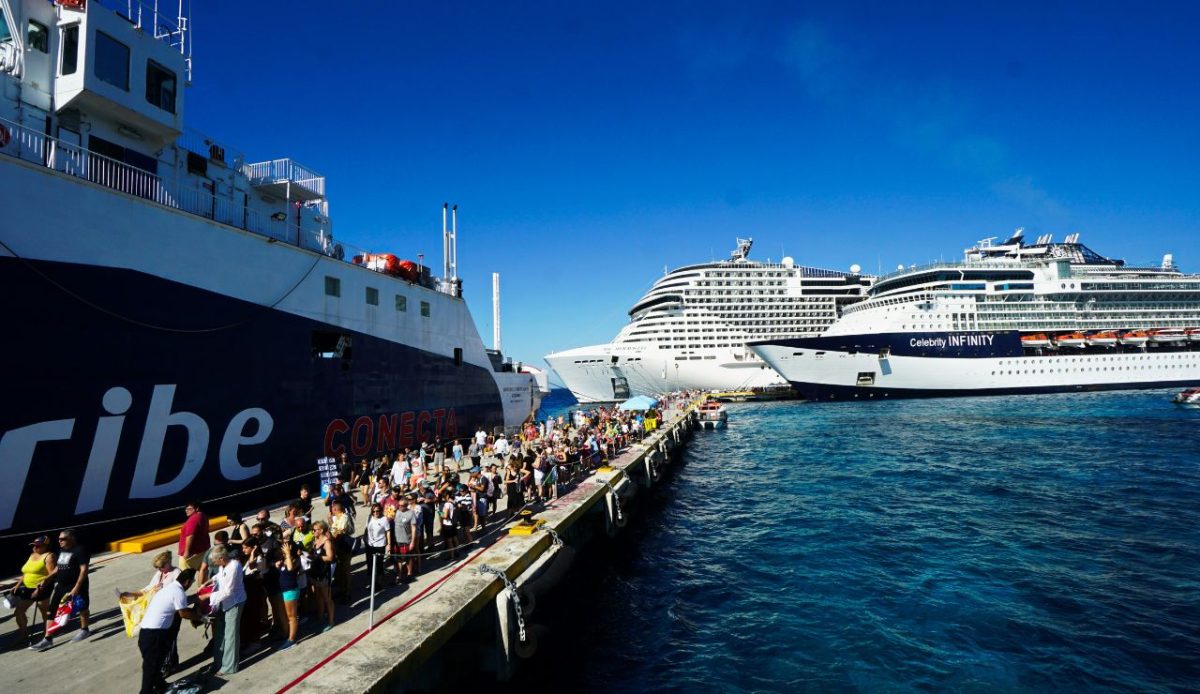
Cruises give travelers easy transport, built-in entertainment, and multiple destinations in one trip, but they also require constant sharing of space. Elevators, pool decks, excursion buses, theater entrances, lounges, and buffet areas all bring people into close contact throughout the day and evening.
First-timers sometimes expect the privacy of a land resort and are surprised by how often crowds shape their routine, from finding a seat to moving between decks. This does not ruin the experience, but it does define it in practical ways.
For many travelers, enjoying a cruise means accepting that convenience, value, and variety come with less solitude and flexibility than they may usually choose on a different kind of vacation.
