
Facial scanning is rapidly reshaping airport travel, appearing at more checkpoints, boarding gates, and border controls worldwide. What once felt futuristic is now becoming mainstream, promising speed and touchless convenience from check‑in to departure.
Yet many travelers are uneasy. Concerns include how long facial data is stored, who has access, and whether consent is truly optional. Critics argue that convenience is often traded for increased surveillance without clear limits.
Airports tout faster processing, reduced paperwork, and fewer human errors, but travelers remain skeptical about whether the benefits outweigh the privacy risks. As the technology spreads globally, debates over ethics, consent, and data handling are intensifying.
1. Hartsfield‑Jackson Atlanta International Airport, USA
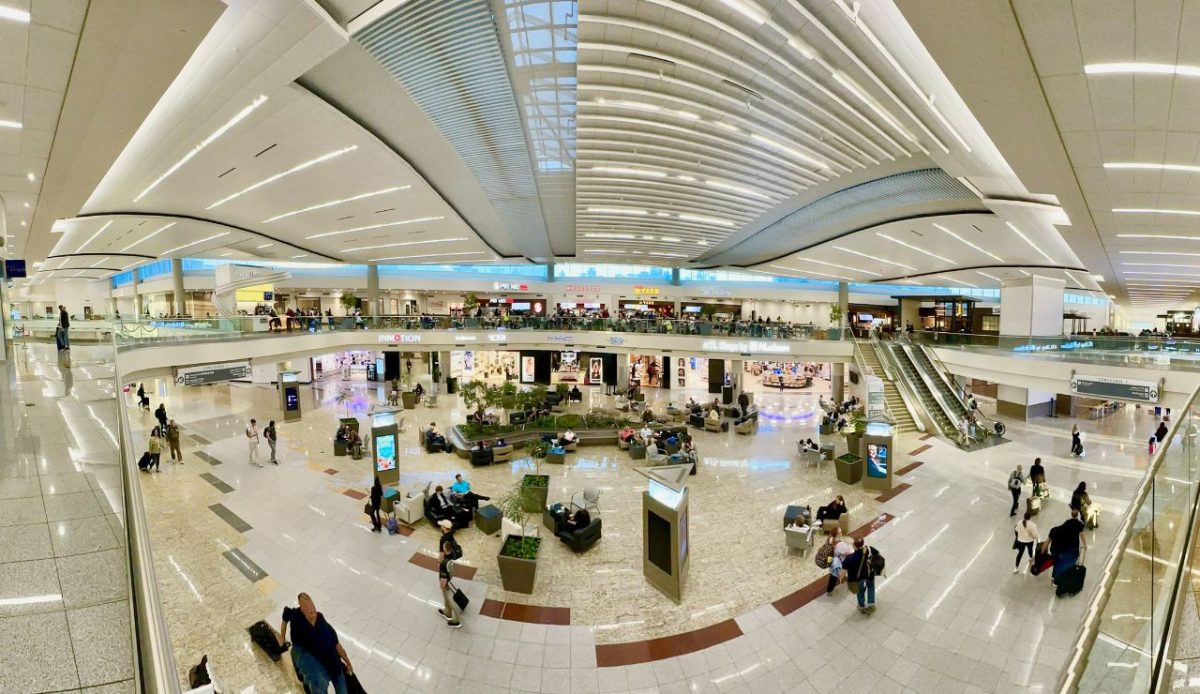
Atlanta’s airport is a flagship site for facial scanning at international gates, linking passenger images to passports for identity verification. These systems are increasingly integrated with TSA programs and airline databases to ensure faster check-ins.
Supporters highlight the speed and convenience of touchless processing, claiming it reduces bottlenecks, enhances flight security, and improves accuracy during busy travel periods, particularly for international travelers.
Travelers, however, worry about data storage, unclear consent procedures, and the potential for their images to be shared beyond airport use. Privacy groups also caution that frequent scans could create long-term tracking of individuals without explicit permission.
2. John F. Kennedy International Airport, USA
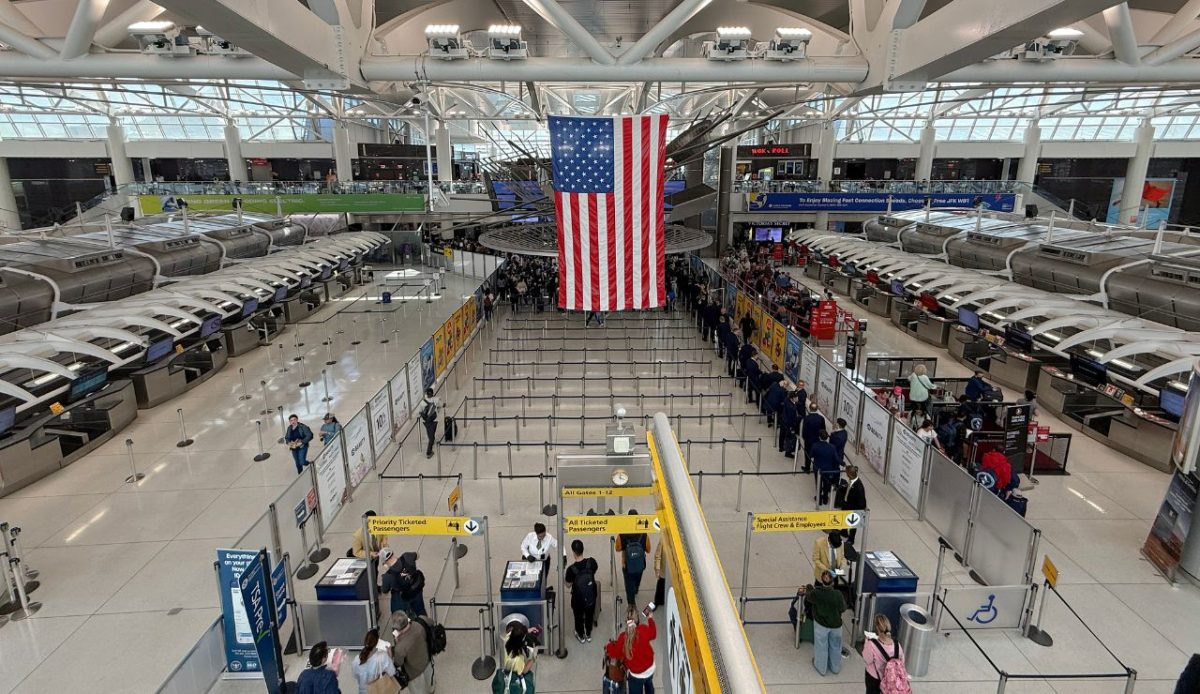
At JFK, facial recognition is used for international departures and customs checks, matching live images to passport photos for identity verification and reducing reliance on paper documents.
Advocates say it streamlines boarding, reduces manual checks, and helps manage crowds efficiently. The system can also identify discrepancies in travel documents, which airports claim improves security.
Critics counter that signage is often unclear and opting out is inconvenient. Many passengers feel uneasy about how their biometric data is collected, stored, and whether it could eventually be shared across government or commercial systems.
3. Los Angeles International Airport, USA
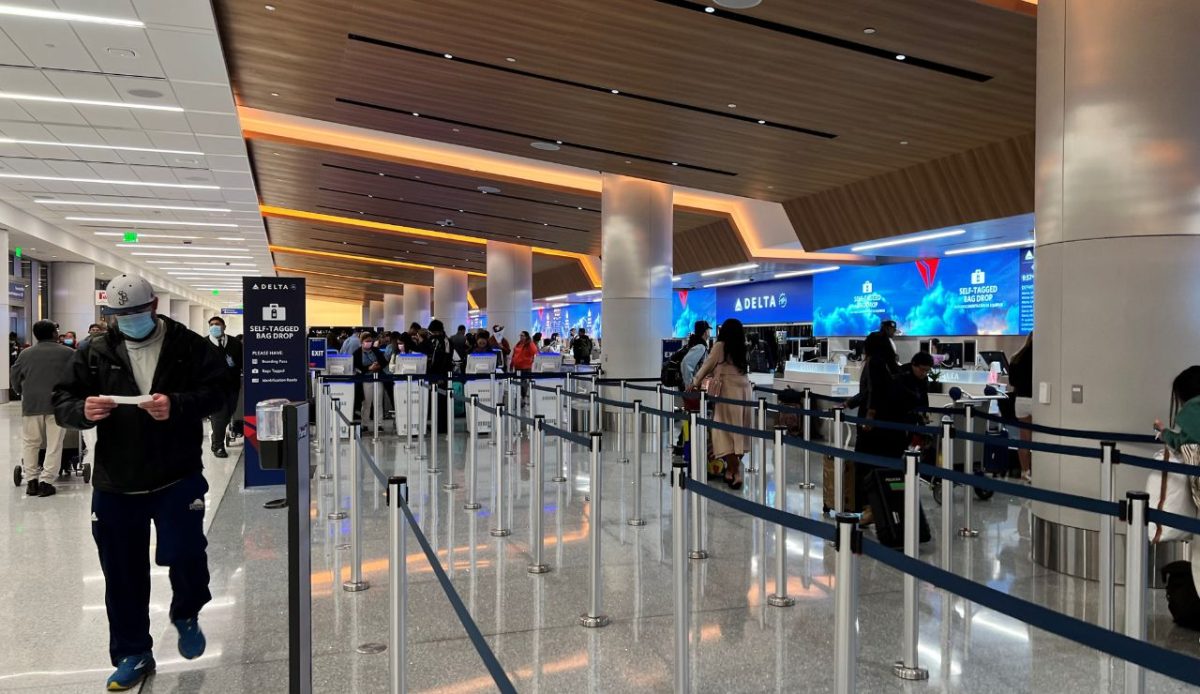
LAX integrates facial scanning at security and boarding points, linking passenger faces to travel documents to speed verification. The system is expanding across more terminals and works in tandem with airline apps for automated check-ins.
Proponents claim it reduces wait times, enhances accuracy, and provides a seamless, touchless travel experience. Airport officials highlight how this technology eases congestion during holiday and peak travel periods.
Travelers express concern about privacy, unclear opt-out procedures, and the possibility of long-term storage or misuse of facial data, raising fears about digital surveillance and lack of full control over personal information.
4. Chicago O’Hare International Airport, USA
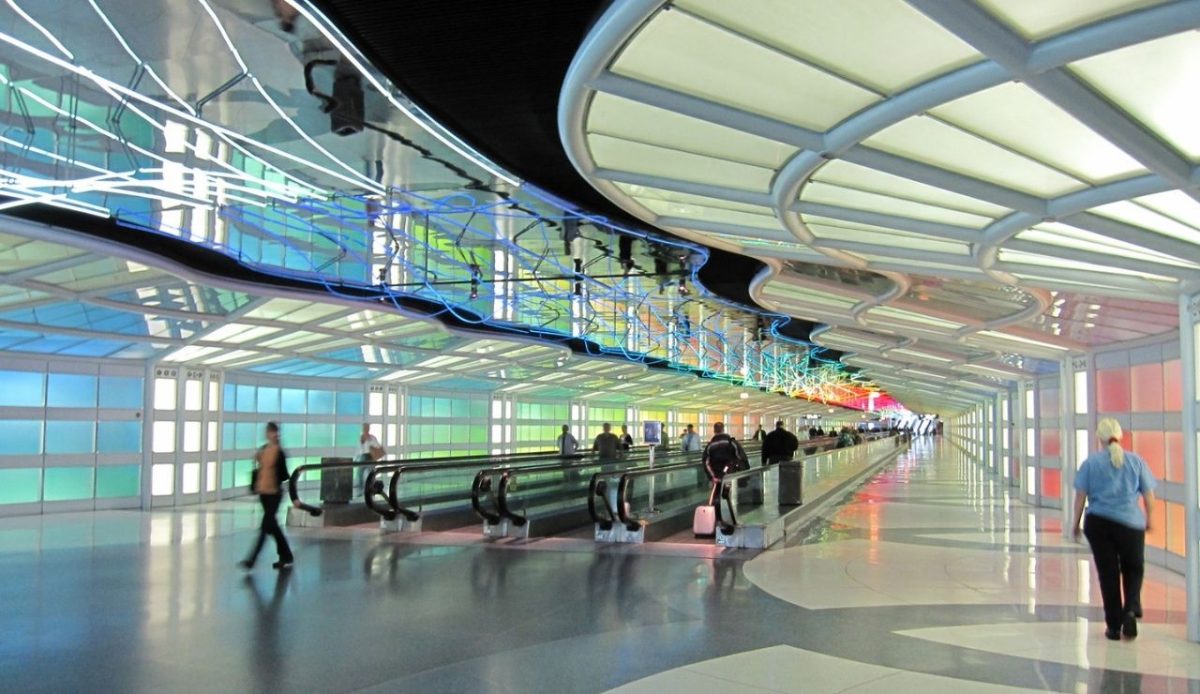
O’Hare uses facial recognition at boarding gates and security checkpoints, connecting live scans with passport records.
Airports emphasize efficiency, reduced document handling, and safer processing, particularly during heavy passenger traffic. The technology also helps reduce lines, improves accuracy in identity verification, and allows staff to focus on other security concerns, especially during peak travel hours.
Many passengers worry about consent, unclear data handling policies, and the broader surveillance implications of widespread biometric use. Concerns also extend to whether data could be shared with third parties or law enforcement, raising questions about privacy beyond airport operations.
5. Miami International Airport, USA
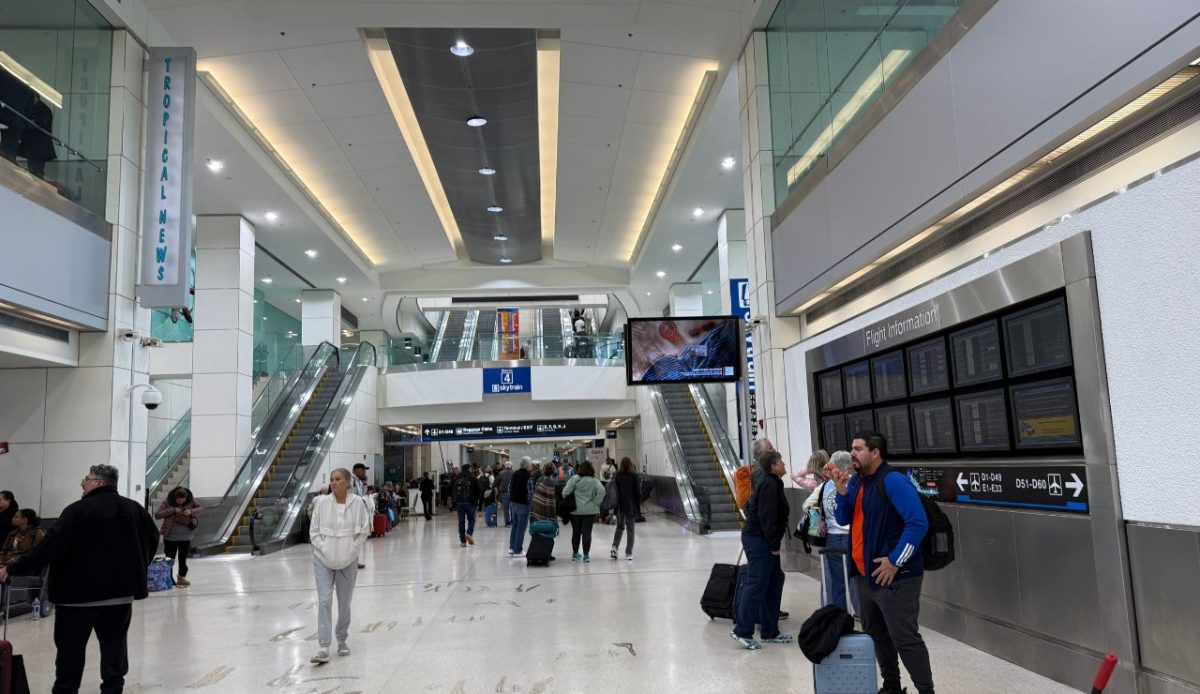
Miami International employs facial recognition for international departures, aiming to simplify identity checks and streamline passenger flow.
Supporters note faster processing, fewer manual document checks, and a smoother airport experience for travelers. By reducing bottlenecks and human errors, the system can also provide better crowd control during holidays and peak tourist seasons.
Yet privacy concerns remain, with passengers questioning how images are stored, shared, and whether they can truly opt out of the system. Some travelers feel pressured to comply, fearing delays or complications if they refuse biometric scanning.
6. Orlando International Airport, USA
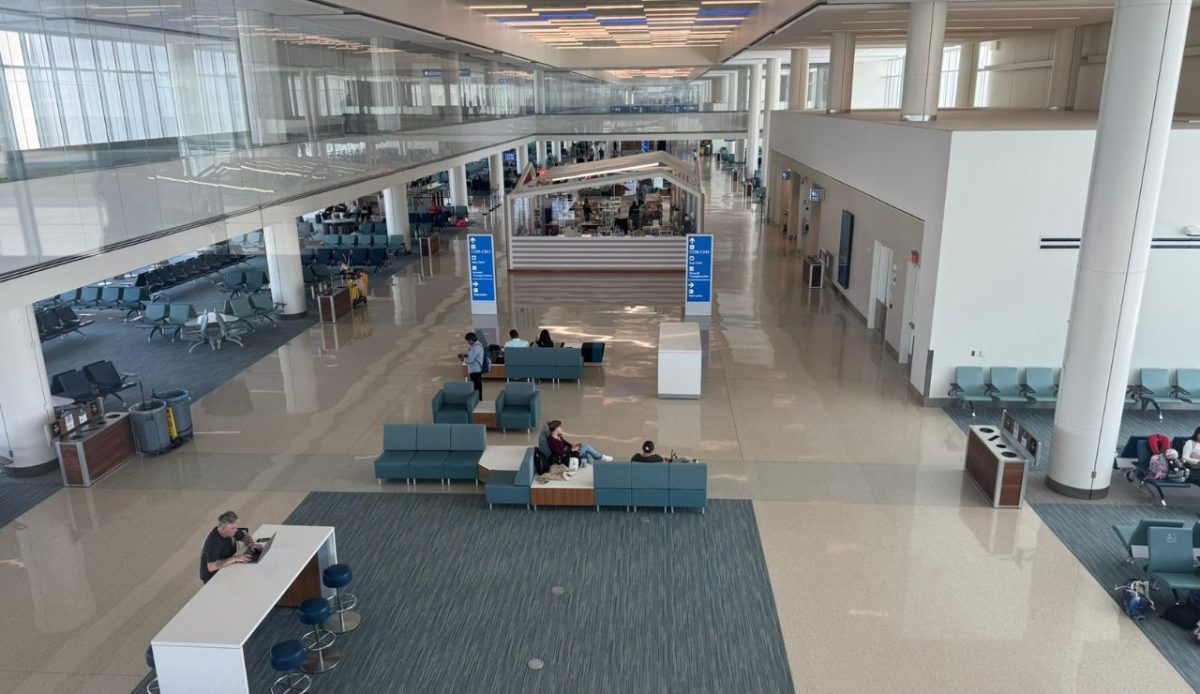
Orlando uses biometric verification to improve processing times and reduce bottlenecks at international checkpoints.
Proponents highlight the benefits of faster identity checks and less reliance on physical documents. The system also enhances security by matching live faces with passport images and helps reduce human errors during boarding and check-in.
Travelers often feel uneasy about data security and privacy, especially when signage and opt-out procedures are unclear or confusing. Critics also question whether the data could be retained indefinitely or used beyond immediate airport operations, fueling skepticism about long-term safety.
7. Phoenix Sky Harbor International Airport, USA
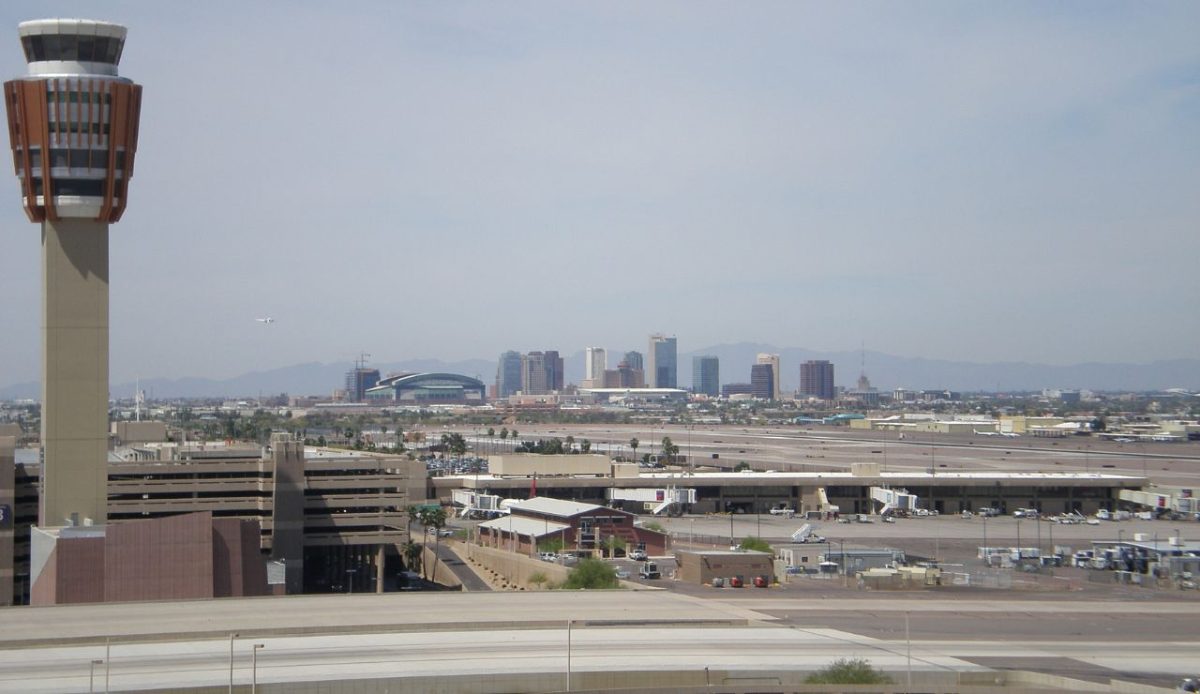
Phoenix Sky Harbor has integrated facial scanning as part of a broader modernization, aiming to enhance efficiency and passenger processing.
The airport emphasizes reduced wait times and improved identification accuracy, which can help during peak travel hours. It also provides smoother boarding for international flights and reduces paperwork while minimizing physical contact between staff and passengers.
However, travelers have raised concerns about unclear consent and potential misuse or storage of biometric data beyond immediate travel purposes. Privacy advocates also warn about the lack of transparency in data retention policies, adding to passenger discomfort.
8. Singapore Changi Airport, Singapore

Changi Airport uses facial recognition for immigration, boarding, and check-in, as part of its fully biometric travel initiative.
Supporters claim it speeds up the process, reduces physical document handling, and improves airport efficiency for international travelers. It also allows airport staff to focus on security checks rather than manual ID verification, creating a smoother passenger experience.
Passengers have raised concerns about privacy and data security, questioning how images are stored and whether they are linked to other government or commercial databases. Some travelers worry about potential misuse for tracking beyond airport operations, fueling resistance to adoption.
9. Dubai International Airport, UAE
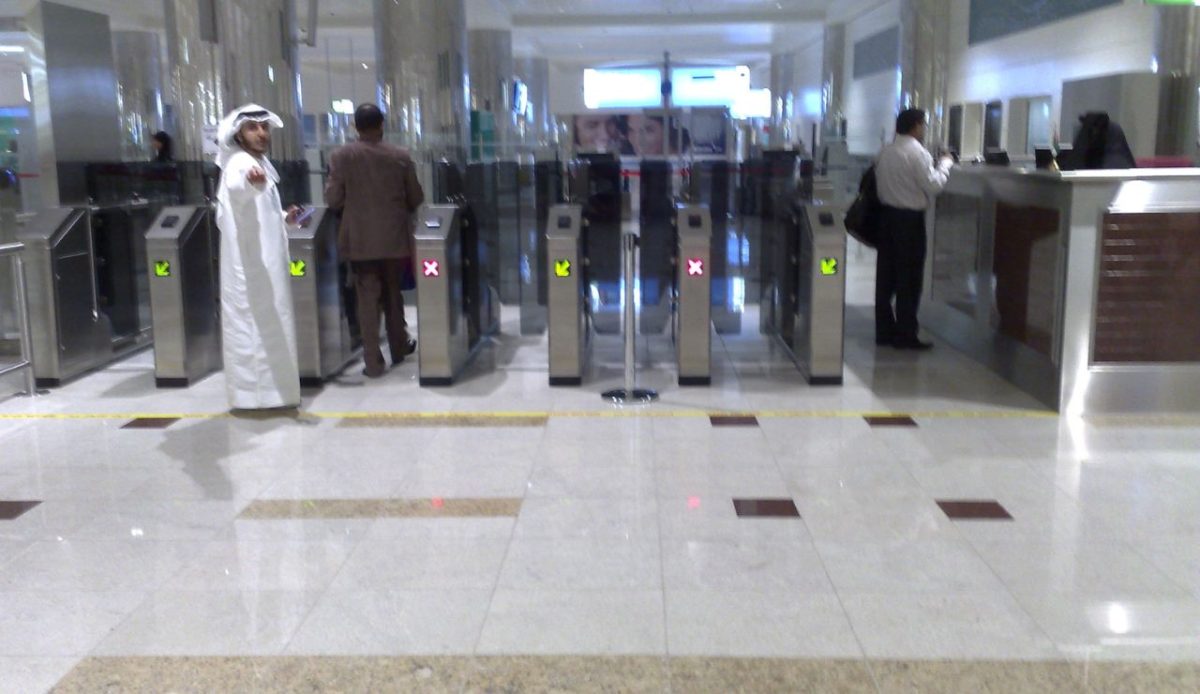
Dubai uses facial scanning at smart gates to reduce manual checks and streamline the boarding process.
Officials highlight the convenience, paperless boarding, and reduced congestion that biometric systems offer. They also say it improves travel time accuracy, reduces wait periods, and allows staff to monitor security efficiently across large passenger volumes.
Travelers and privacy advocates, however, question long-term storage, data sharing, and how much control passengers have over their own facial data. Some express discomfort with mandatory scans, even at optional checkpoints, fearing data misuse beyond airport purposes.
10. Frankfurt Airport, Germany
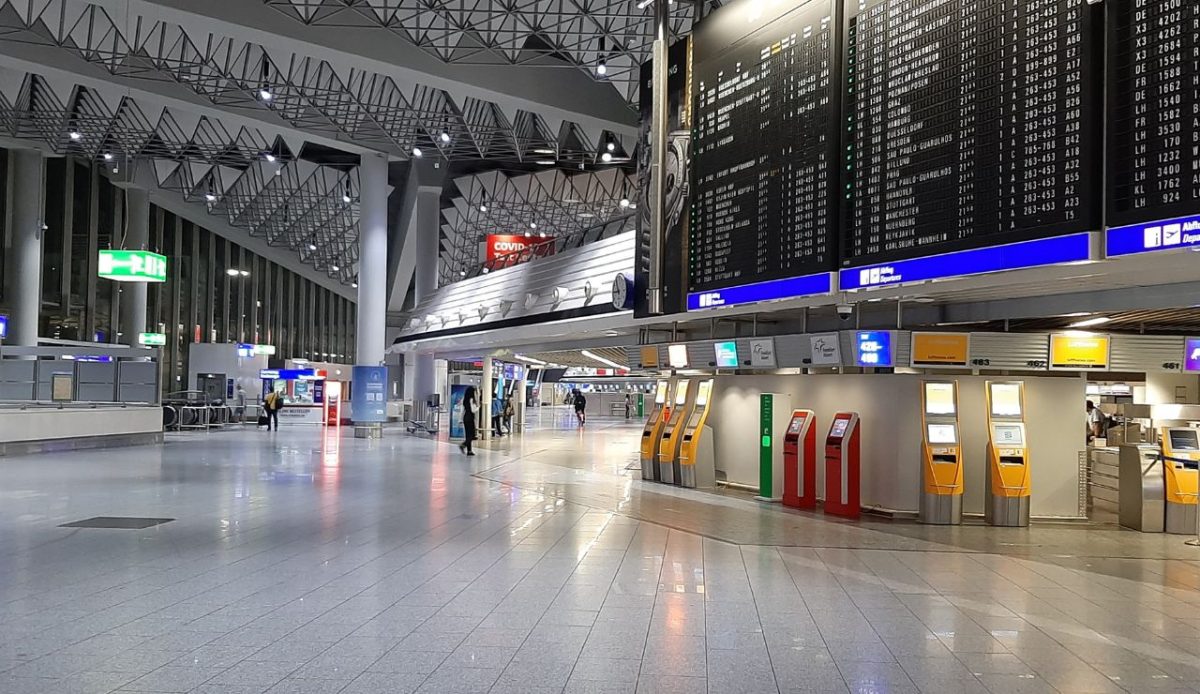
Frankfurt has implemented facial recognition for boarding and check-in, linking biometric data with passports to speed identity verification.
Airports cite improved processing efficiency, reduced document handling, and enhanced security during busy travel periods. They note that it also supports seamless boarding for international flights, helps with crowd management, and lowers human error in identity verification.
Travelers and privacy groups are concerned about consent, data retention, and the potential for expanded surveillance beyond airport purposes. There is also worry over how long facial data is stored and whether it could be accessed by government agencies without explicit passenger knowledge.
11. Heathrow Airport, London, UK
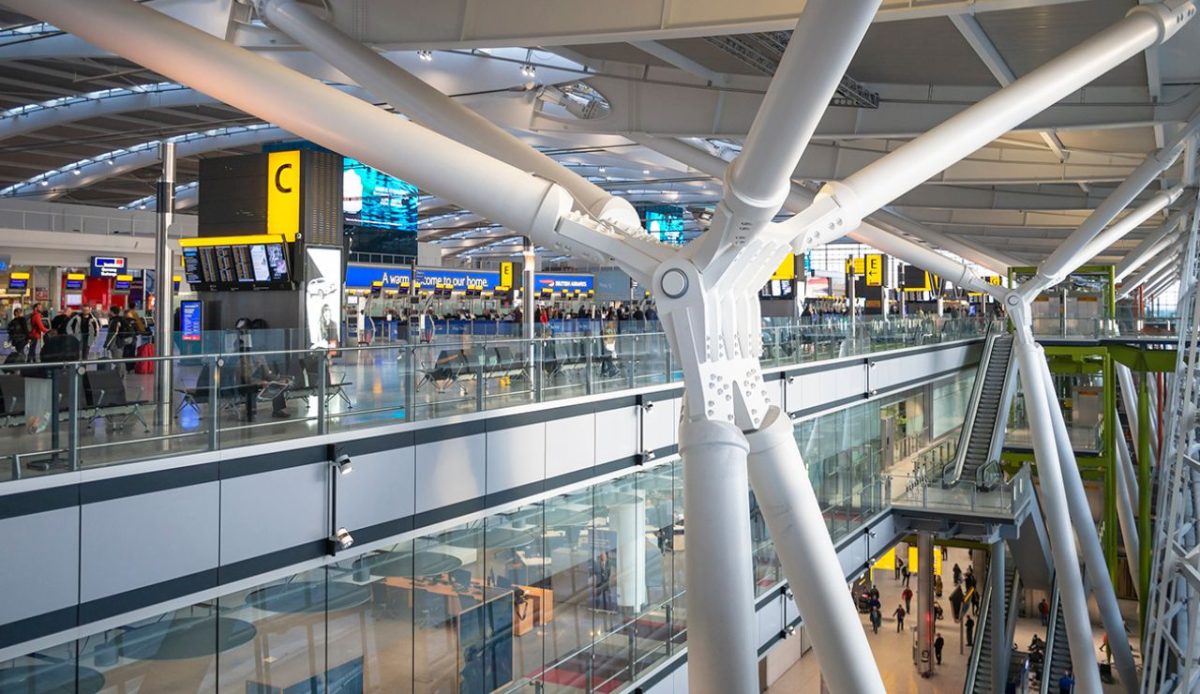
Heathrow uses facial recognition at several terminals, including smart boarding gates that verify identity without manual checks. The system creates a seamless, touchless travel experience, reducing lines and minimizing the need for paper documents.
Officials emphasize efficiency, speed, and reduced reliance on physical documents during peak international travel, highlighting how biometric verification helps manage growing passenger volumes safely.
Yet passengers have raised concerns about how facial images are stored, shared, and retained, and whether consent is fully informed or truly optional. Privacy advocates warn that data could be linked to broader surveillance networks, fueling debates over security versus individual rights.
