
The Caribbean cruise industry has faced rising resistance from residents who feel overwhelmed by crowding, environmental strain, and limited local benefits. In several destinations, community pressure has moved beyond debate into formal action that affects cruise schedules.
Local referendums, protests, and policy limits have increasingly influenced how ports manage ship arrivals. When these pressures escalate, cruise lines often respond by canceling calls or rerouting vessels to avoid uncertainty and operational risk.
The ports below represent the clearest cases where documented local backlash directly contributed to cruise restrictions or skipped calls, reshaping how these destinations appear on Caribbean itineraries.
1. George Town, Grand Cayman
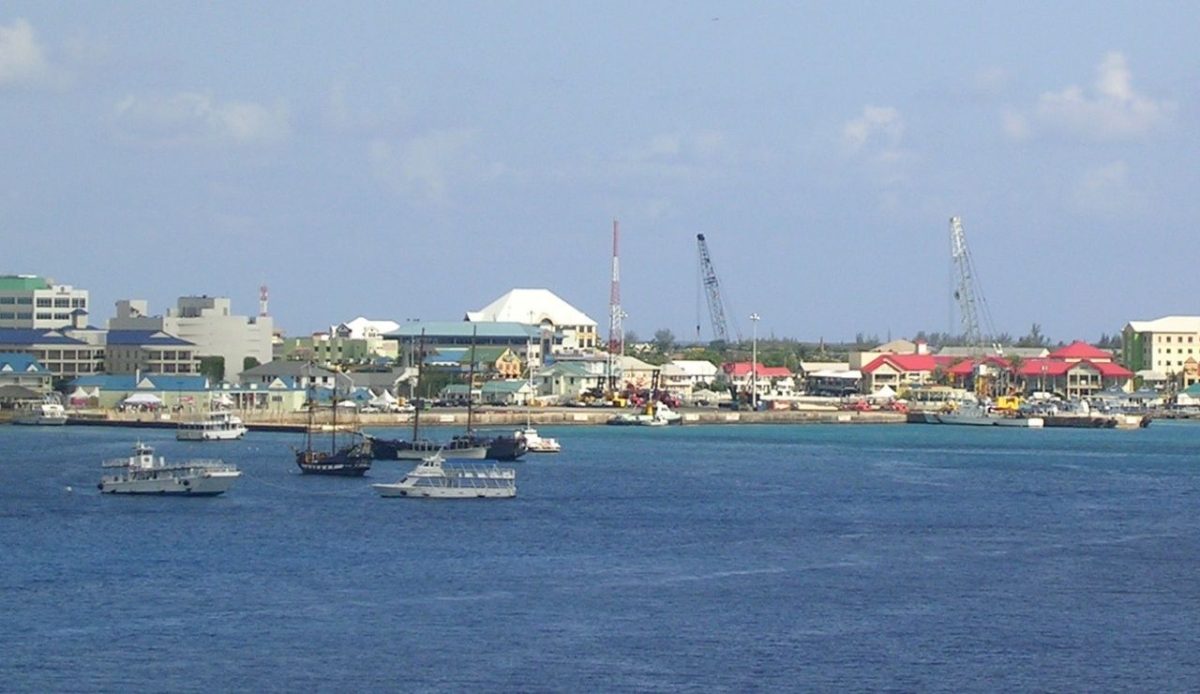
Residents in Grand Cayman voiced strong opposition to cruise expansion through a national referendum that rejected plans for permanent cruise berthing facilities. Environmental groups and local voters argued that large-scale docking would damage reefs and disrupt daily life.
The vote sent a clear message to cruise operators that public support for increased ship traffic was lacking. Without fixed berths, tendering limits the number of passengers that can be brought ashore efficiently.
As a result, cruise lines must plan conservatively for George Town or remove it from itineraries during busy periods. The backlash did not ban cruises outright but directly constrained future cruise access.
2. Kralendijk, Bonaire
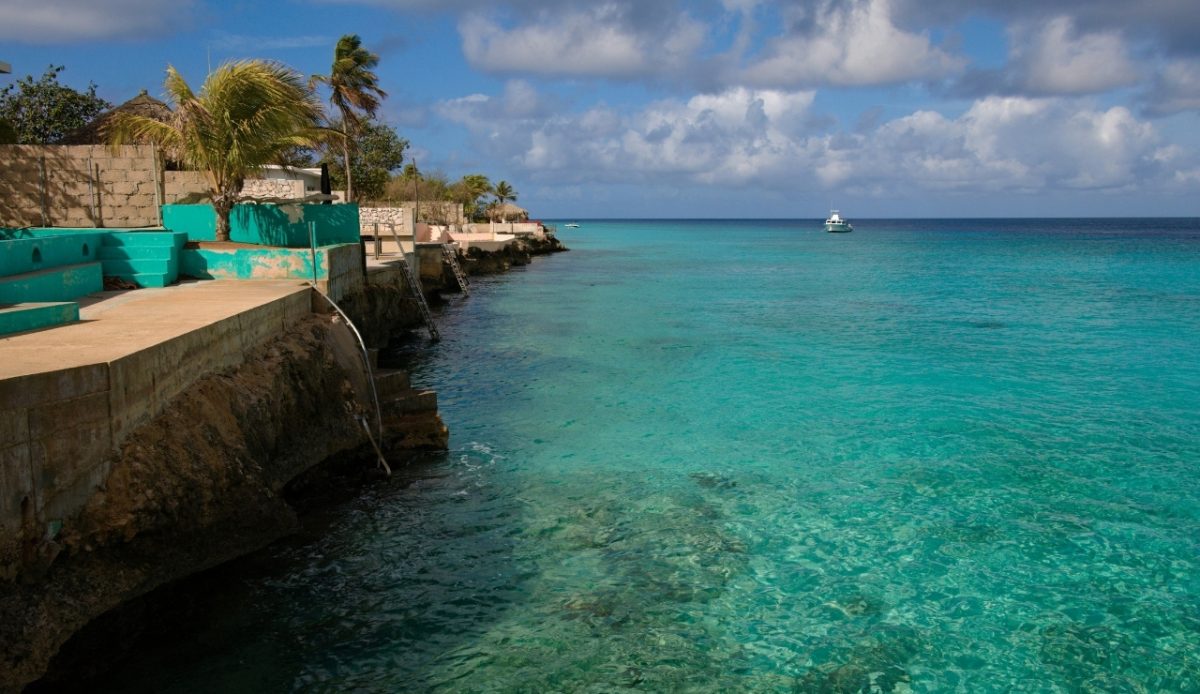
Bonaire introduced a strict one large cruise ship per day policy following sustained concerns about environmental degradation and pressure on local infrastructure. The policy was part of a broader tourism recovery strategy shaped by resident input.
Local leaders emphasized reef protection and quality of life over passenger volume growth. Community sentiment played a central role in setting firm limits rather than voluntary guidelines.
When multiple ships are scheduled on the same day, cruise lines are forced to cancel or shift calls elsewhere. This has made Bonaire a frequent example of ports being skipped due to resident-driven limits.
3. Key West, Florida Keys
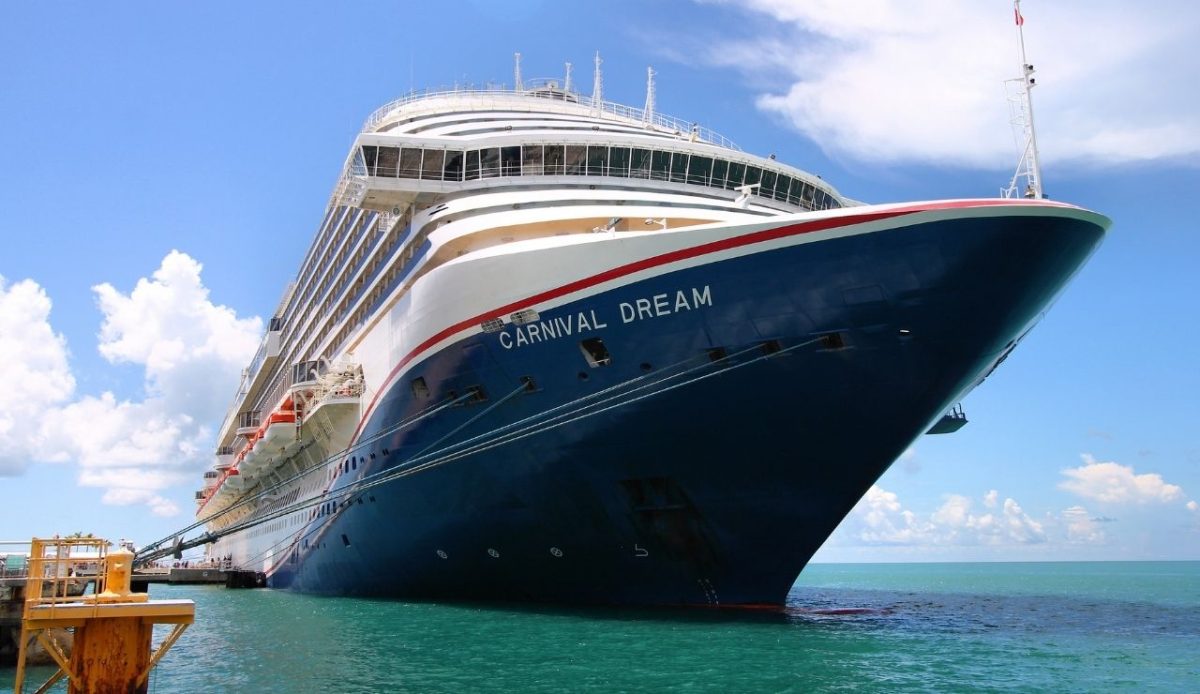
Key West residents approved ballot measures to cap daily cruise passengers and restrict the size of ships allowed to dock. The measures followed years of complaints about congestion, pollution, and limited economic return.
Although later challenged at the state level, the vote reflected strong local backlash against large cruise operations. Cruise lines responded cautiously while legal disputes unfolded.
During periods of uncertainty, some ships removed Key West from itineraries to avoid compliance risks. The situation demonstrated how resident action can immediately influence cruise routing decisions.
4. San Juan, Puerto Rico
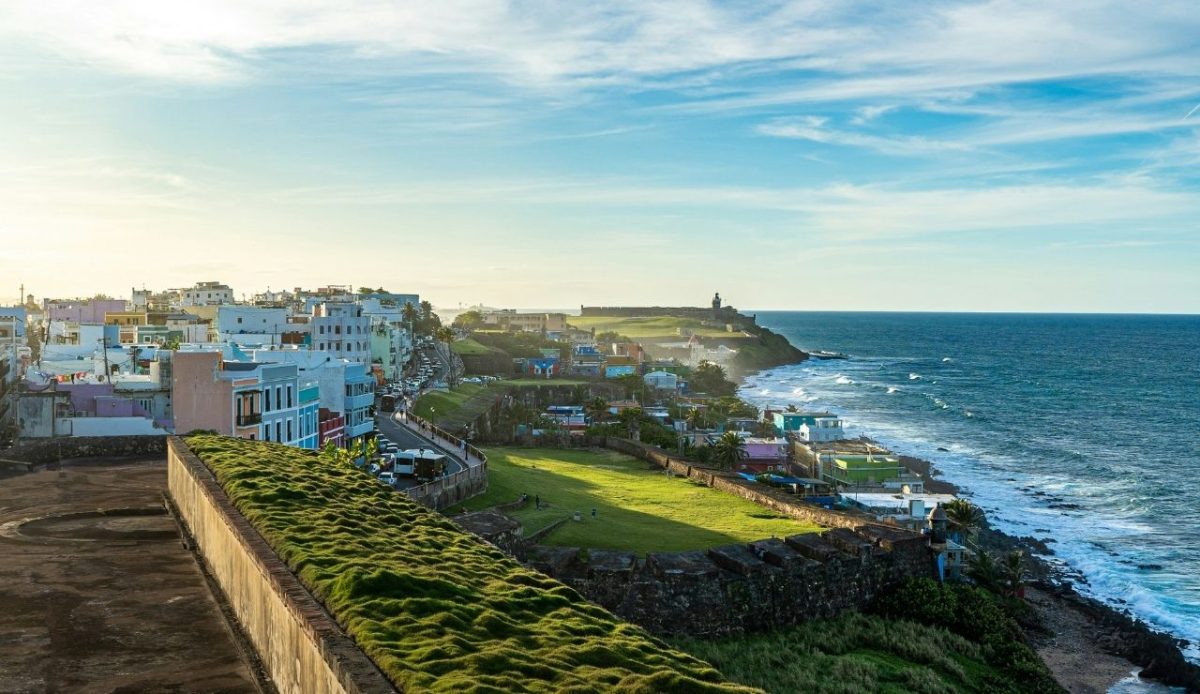
San Juan experienced major public protests that disrupted transportation and port access, prompting cruise lines to cancel scheduled calls. The unrest created safety and logistical concerns for operators.
Cruise companies publicly cited demonstrations and instability as reasons for rerouting ships to alternative Caribbean ports. These were confirmed skipped calls rather than long-term planning changes.
The episode showed how sudden local backlash can have immediate consequences for cruise schedules. Even established homeports can be temporarily dropped when conditions on the ground change.
5. Labadee, Haiti
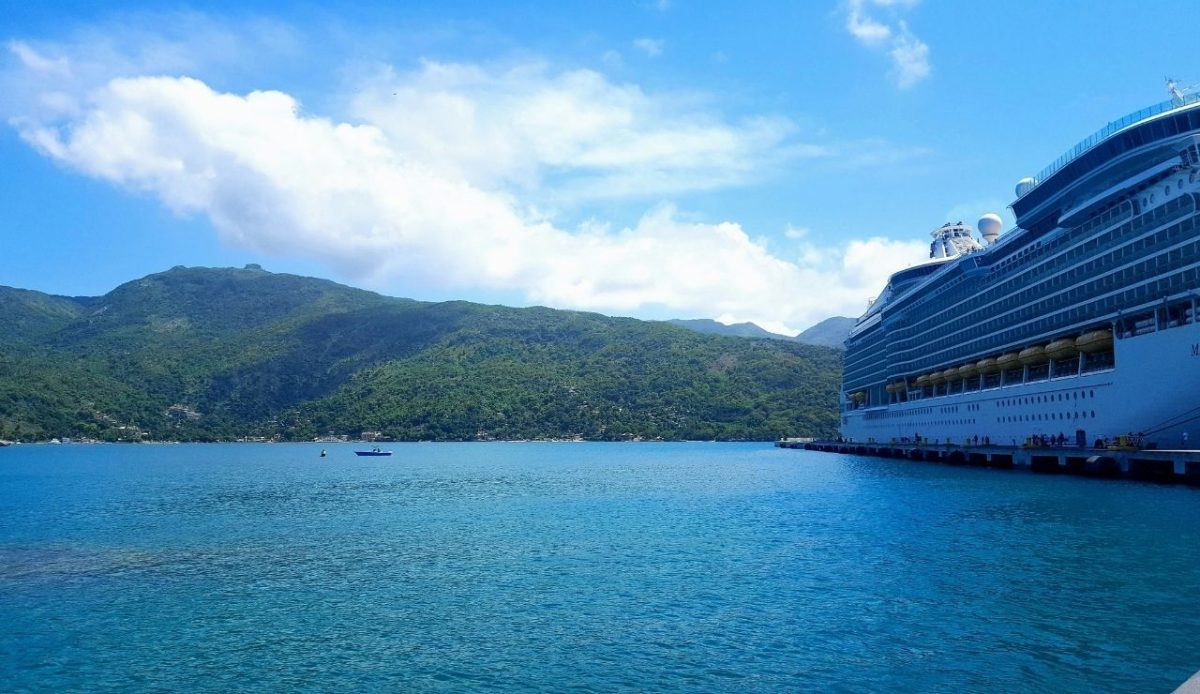
Labadee, a private destination operated by a major cruise line, saw dockings canceled due to nearby protests and civil unrest. Local demonstrations raised concerns about passenger safety and access.
The cruise line suspended visits despite the port’s controlled environment, indicating the seriousness of the situation. Local conditions outside the resort area influenced the decision directly.
This case stands as one of the clearest examples of cruise ships skipping a Caribbean stop because of local backlash. It highlights how community unrest can override commercial planning.
