
Crossing from the United States into Canada now involves more verification than many Americans remember, especially at busy land ports and major airports.
Canada has long applied admissibility rules, yet recent operating changes and stricter consistency in inspections have made short visits feel less predictable for families, shoppers, and day trippers. Even when plans are simple, questions about purpose and belongings may take longer than expected.
The sections below summarize 9 common friction points drawn from published CBSA, IRCC, Travel Canada, and CBP guidance, with a focus on what triggers delays, secondary screening, or refusal at the booth.
1. Reduced Hours at Smaller Land Crossings
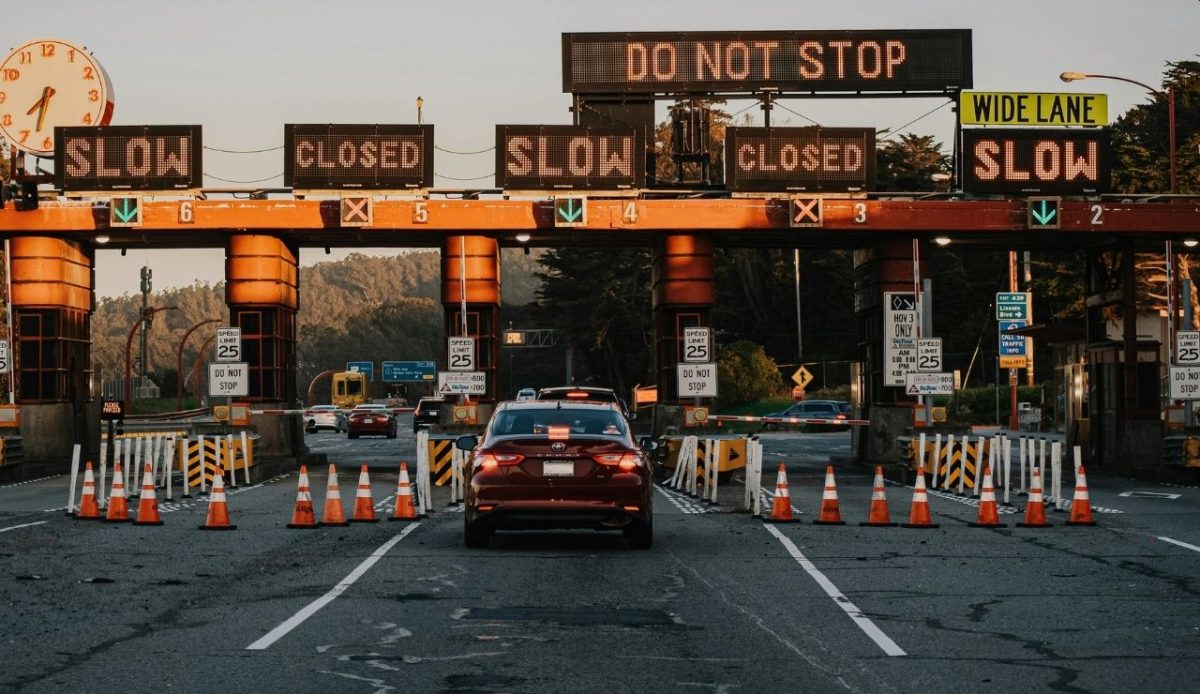
CBSA and CBP aligned hours at many smaller northern ports starting January 6, 2025, cutting late-night access that drivers relied on for quick weekend crossings.
When a booth is closed, there is no option to wait until morning in the lane. Travelers are redirected to another port, which can mean a long drive plus a new queue and extra scrutiny from arriving in a rush. Hotel check-in times and event tickets often get blown, too.
For people used to flexible departure times, the new schedule turns minor delays from traffic or weather into missed entry windows and forced reroutes, even when documents are perfect.
2. Stronger Identity Proof Is Expected

Canada accepts several travel documents, yet officers can move faster when a valid passport or trusted traveler credential is presented and matches the traveler clearly.
Problems start when documents are old, damaged, or inconsistent with booking details. Name variations, expired IDs, or a missing passport for a child can lead to longer questioning, database checks, and referral to secondary for verification.
Since admissibility depends on confidence in identity and lawful purpose, better documents and consistent answers reduce the chance that a day trip turns into a denial. It also helps when travel plans are simple and believable.
3. Cannabis Rules Stay Strict at the Border

Canada’s legalization does not change border rules. Taking cannabis across the international line remains illegal, whether you are entering Canada or leaving it. The rule applies even when a destination also permits cannabis.
That ban includes edibles, extracts, topicals, vapes, and many CBD items. Medical authorization from a US state does not create an exception, and officers may treat nondisclosure as a serious declaration problem.
Even small amounts can lead to seizure, detailed questioning, and refusal. Travelers should also avoid storing cannabis in a car trunk from earlier trips, since residue and forgotten packaging can trigger trouble.
4. Firearms and Self-Defense Items Cause Major Stops
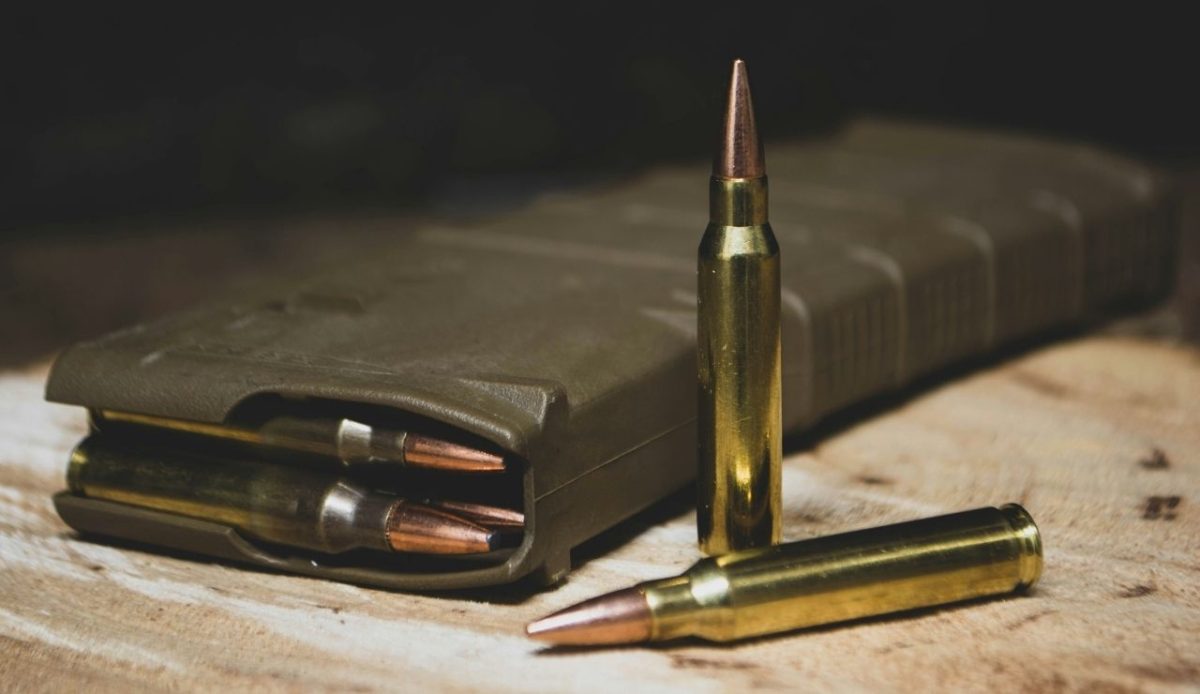
Canada’s firearm and weapon rules are stricter than in most US states, and officers expect a full declaration of any gun, ammunition, magazines, or certain weapon-like devices.
Visitors who arrive with a firearm may need specific declaration forms and fees, and some classes are restricted or prohibited. Items marketed for self-defense, such as pepper spray for people, can also create issues even if legal at home.
Because the consequences include seizure, penalties, and possible charges, travelers should search vehicles carefully before driving north and never assume a state permit carries over to Canada.
5. Food and Produce Must Be Declared

Food rules are a frequent surprise for road trippers. Canada restricts many meat, fruit, plant, and animal items to reduce pest and disease risk, even down to a single piece of produce.
Even when a product is allowed for personal use, it still must be declared. Officers may ask to see packaging, quantities, and country of origin, then decide whether it is permitted, limited, or refused at inspection.
Failure to declare can trigger seizure and penalties, and it can also lead to a full vehicle inspection that expands the delay. Packing simple snacks and declaring everything usually keeps the stop short.
6. Phones and Laptops Can Be Examined
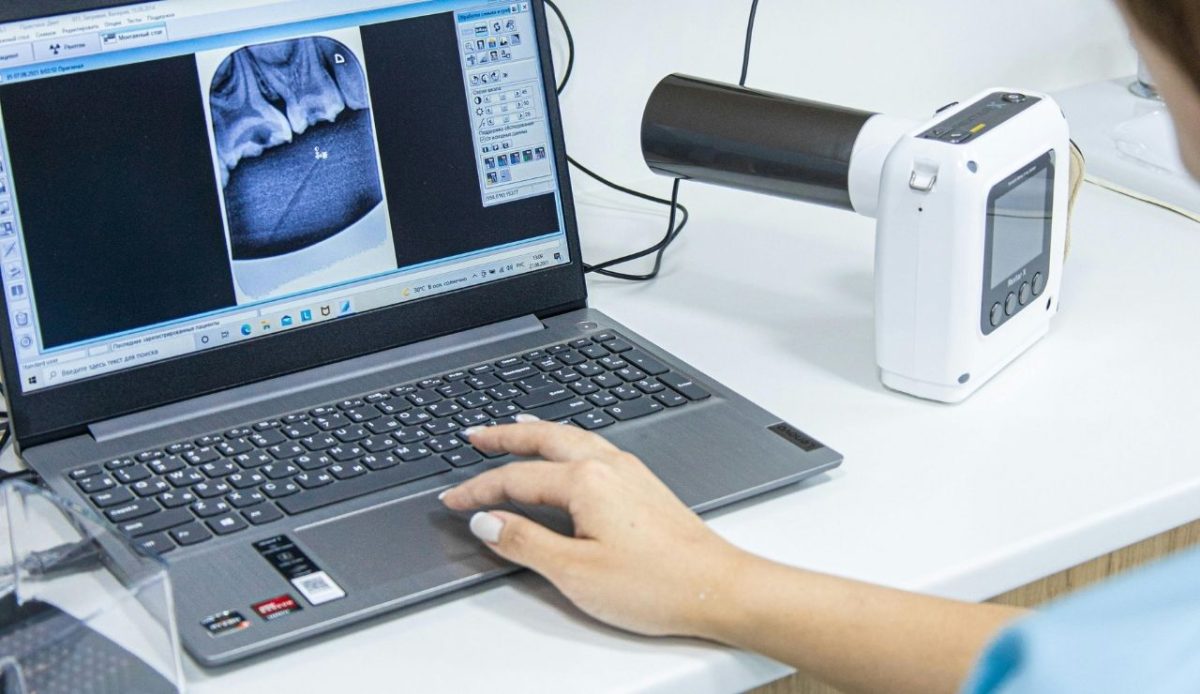
Personal phones and laptops are treated as goods at the border, and CBSA can examine them when an officer has indicators that border laws may have been broken.
CBSA states device exams are not automatic and should not be routine. Still, when concerns exist, the inspection can include viewing stored content to confirm declarations, travel purpose, or admissibility, and a traveler may be asked to unlock the device.
This feels invasive to people who expect privacy standards in daily life. Keeping devices orderly, avoiding illegal material, and matching your story to your bookings can reduce the chance that an exam is viewed as needed.
7. Large Cash Amounts Require Reporting

Carrying large amounts of money is legal, yet Canada requires a report when the total value of currency or monetary instruments is 10,000 Canadian dollars or more. The rule applies on entry and exit.
The requirement covers cash plus items like cheques and other negotiable instruments, and it applies to the combined amount carried by a family or group. People who split cash between bags can still hit the threshold, even if each person holds less.
CBSA notes it can seize unreported funds and impose penalties that can range from 5% to 50% of the amount, creating costly delays. Declaring at arrival is the simplest way to avoid that risk.
8. Child Travel Can Require Consent Documentation
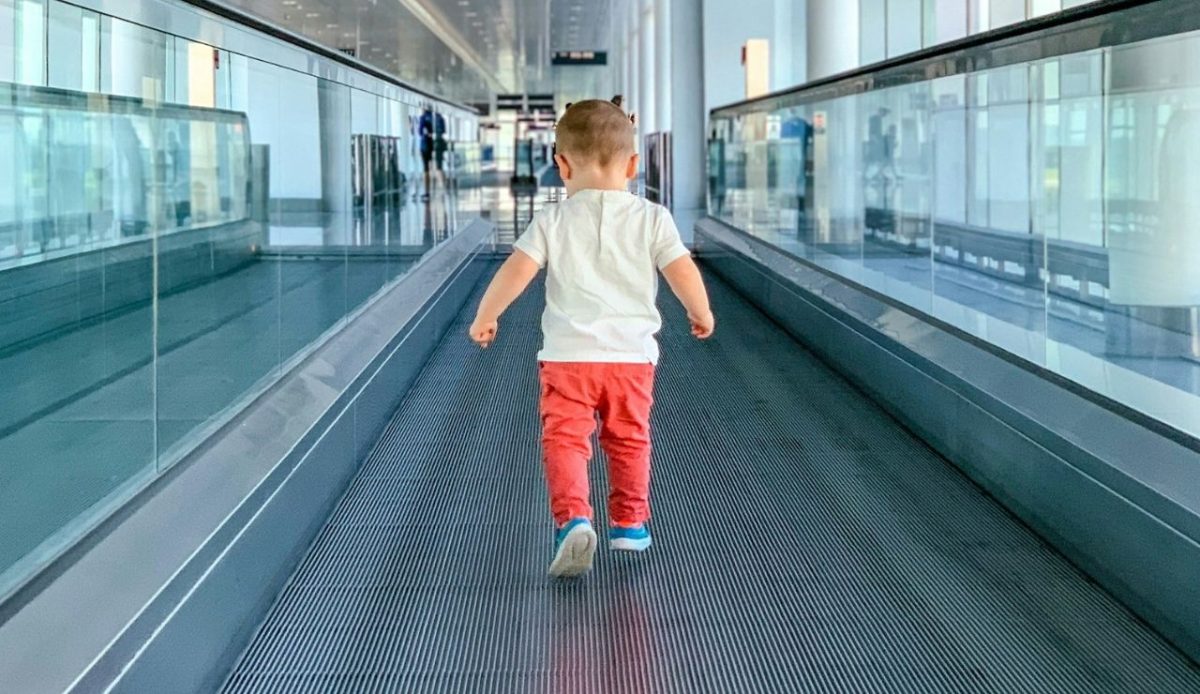
Travel with minors can slow down when family circumstances are not obvious at inspection. Canada recommends a consent letter when a child travels with one parent, relatives, or a group.
There is no single universal form, yet guidance notes that officials may request proof of permission, even for a short drive across the line. Without it, officers may delay or refuse entry while assessing custody and abduction risk.
Families can reduce friction by carrying an original signed letter with travel dates, destination, and contact details for the non-traveling parent or guardian, plus any custody order or death certificate if it applies.
9. Undeclared Goods Bring Penalties
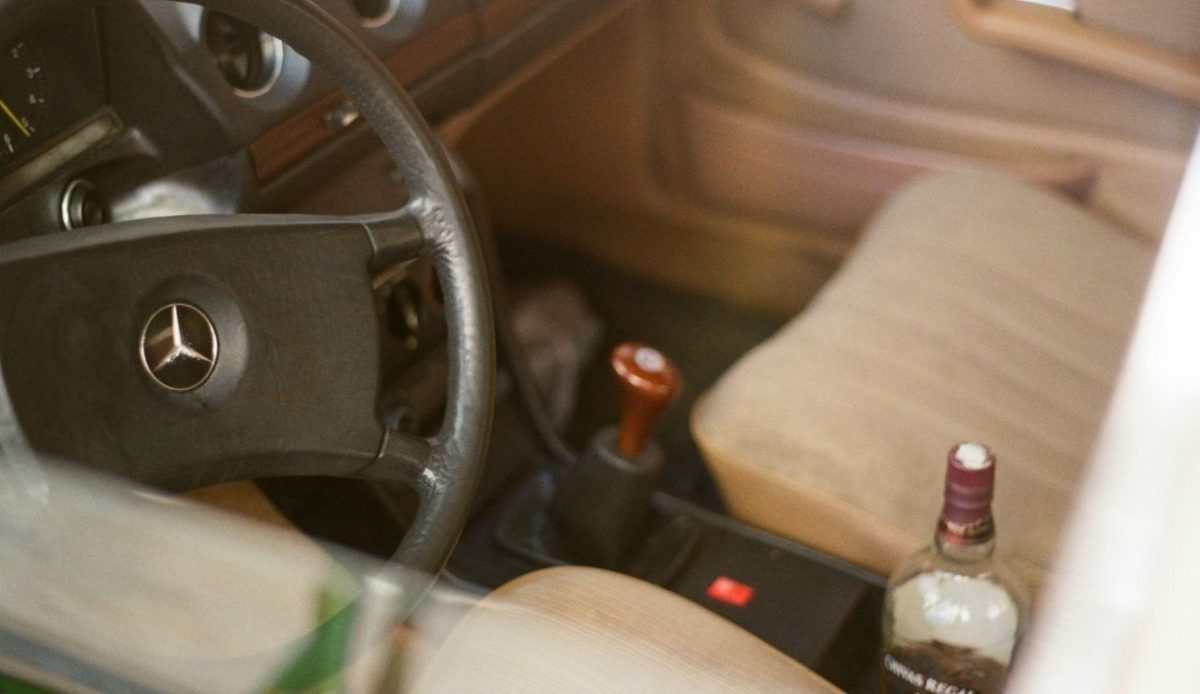
Visitors must declare all goods they bring, including gifts, alcohol, tobacco, and new purchases. CBSA warns that failing to declare food, plants, animals, or other goods can lead to seizure and penalties that may reach 1,300 dollars.
Even when an item is allowed, officers may calculate duties and taxes and ask for receipts to confirm value. People who assume a small shopping bag is not worth mentioning often get referred for a closer look.
Because penalties can be assessed on undeclared items and the inspection record follows the traveler, accuracy matters more than speed. Keeping receipts and declaring everything is the most reliable habit.
