
Border trouble is not always about visas or passports. In some destinations, an everyday item in a carry-on can trigger confiscation, delays, fines, or questioning before a trip has properly started.
The problem is usually familiarity. Medicines, snacks, vapes, seeds, and plastic bags can seem too ordinary to matter, especially when they are legal and easy to buy at home. At the border, though, health, customs, and biosecurity rules often matter more than common sense.
That is why smart packing is really about checking local entry rules before flying. One small item can disrupt transfers, tours, and onward plans in minutes, even when the traveler had no intention of breaking a rule.
1. Japan and prescription medicine
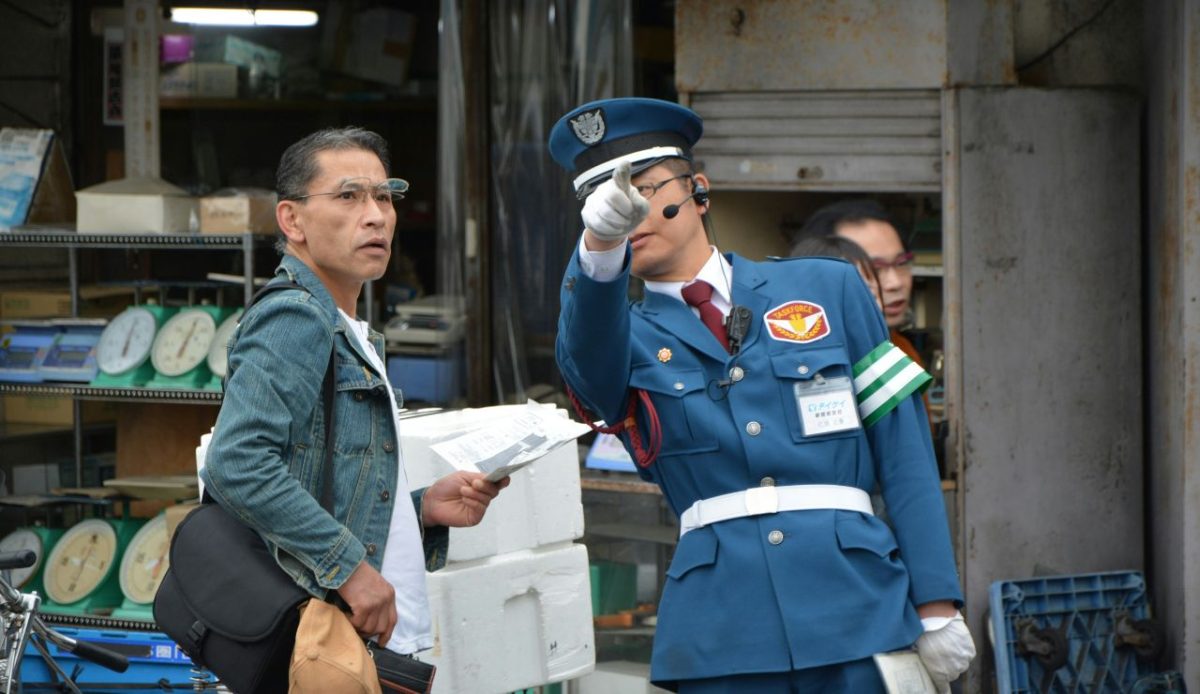
Japan can be strict about medicines that travelers assume are routine. Health ministry guidance says some medicines may be brought in for personal use only within set quantities, while others require advance import confirmation before departure.
The same guidance says certain controlled drugs fall under separate rules, and some require prior permission. That means a traveler carrying ADHD medication, strong pain relief, or injectable treatment cannot safely rely on a pharmacy label alone.
A small supply may be fine, but the wrong category or missing paperwork can create a customs problem on arrival. In Japan, medicine is easy to misjudge because the rules seem ordinary until they are enforced.
2. Singapore and items that seem ordinary
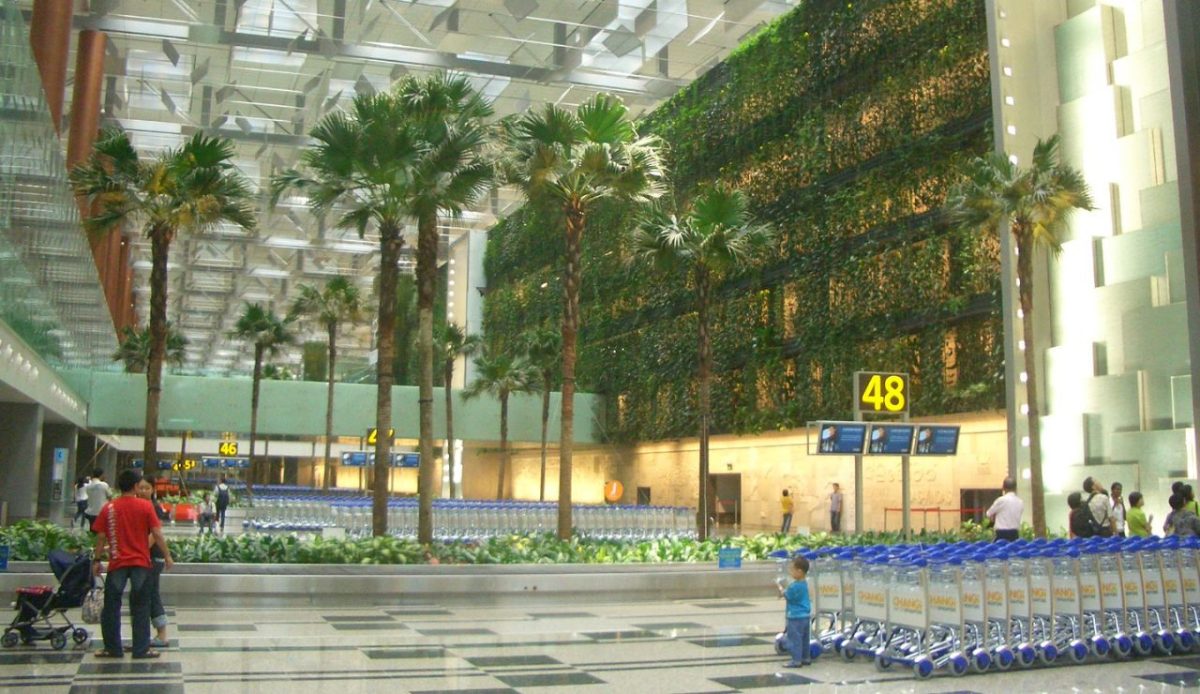
Singapore’s entry rules surprise travelers because they cover products that many people treat as harmless basics. Official guidance lists chewing gum among prohibited goods, and it also identifies electronic cigarettes as prohibited items.
These are the kinds of things that end up forgotten in a backpack or jacket pocket. A traveler may think about airport security but not realize that a product allowed at home can become a border issue after landing.
The real problem is assumption, not quantity. Bringing one pack or one device does not remove the restriction. A minor leftover from the flight can still mean confiscation and an unpleasant start in a destination known for firm enforcement.
3. Thailand and the vape that can wreck the first day
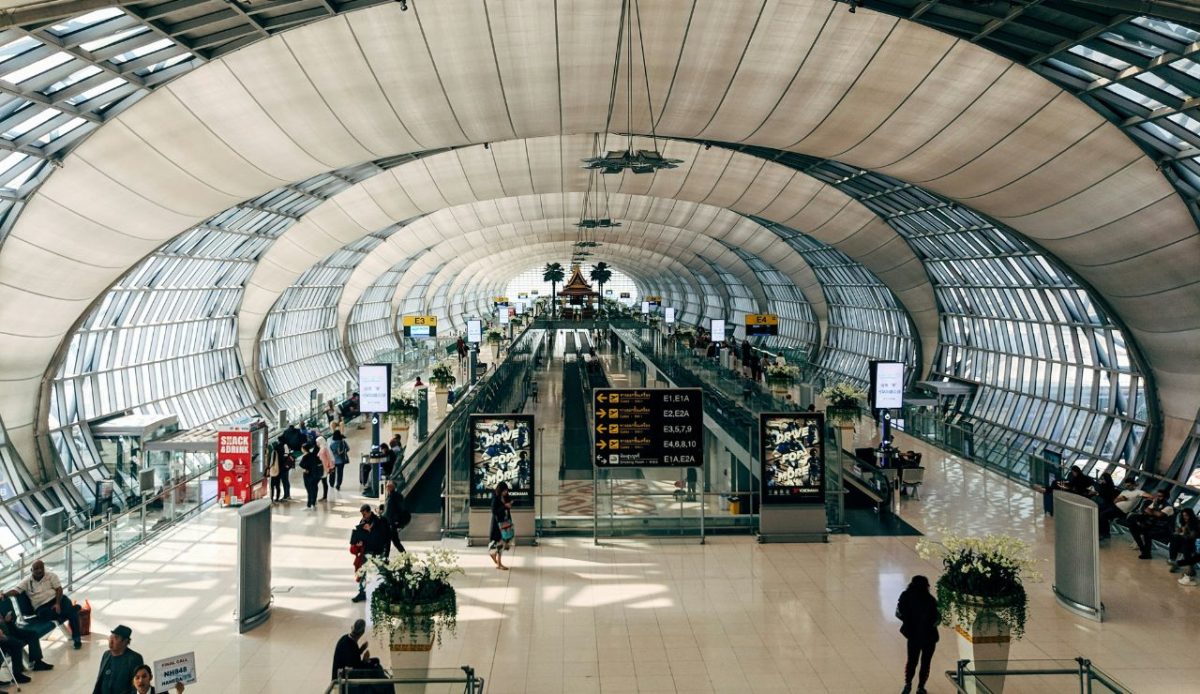
Thailand is famous for easy holidays, but its customs position on vaping is far less relaxed than many visitors expect. Thai Customs states that electronic cigarettes and baraku are prohibited goods for importation into the kingdom.
That makes a vape a genuine border risk for travelers arriving from places where carrying one is routine. Someone can board a flight thinking of it as a personal accessory, then discover it is treated as a prohibited import rather than a casual consumer item.
What makes Thailand unexpected is the mismatch between tourist image and border reality. A device tossed into hand luggage for convenience can create trouble before the trip reaches the taxi line.
4. The United Arab Emirates and the ingredient nobody notices
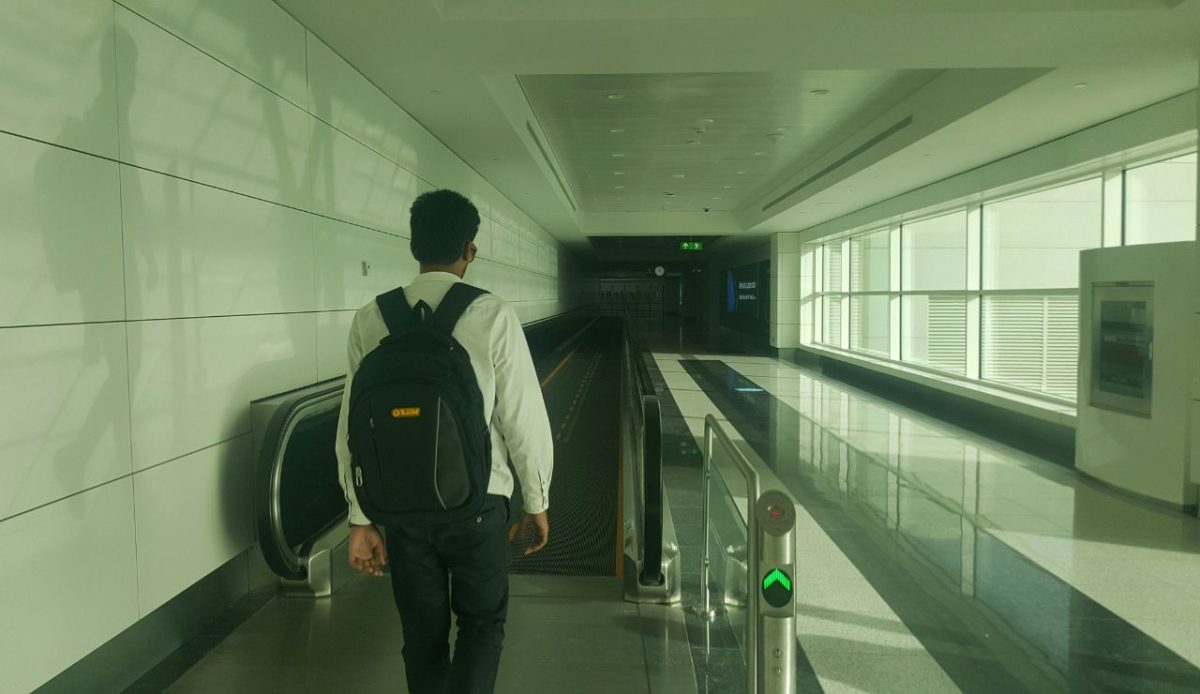
The United Arab Emirates is one of those places where a tiny food ingredient can cause trouble. Dubai Customs lists poppy seeds among prohibited items, a category many travelers would never link with bread or crackers.
That matters because travelers do not always cross borders with obvious grocery items. A bakery purchase from an airport, a sealed packet of crackers, or leftovers from an earlier flight can all seem too minor to think about when packing.
The surprise is not just the rule but the familiarity of the ingredient. In a major transit hub, people often assume snacks are harmless. Sometimes the issue is not the bag in your hand but what is sprinkled on top of it.
5. New Zealand and the snack that becomes a biosecurity issue
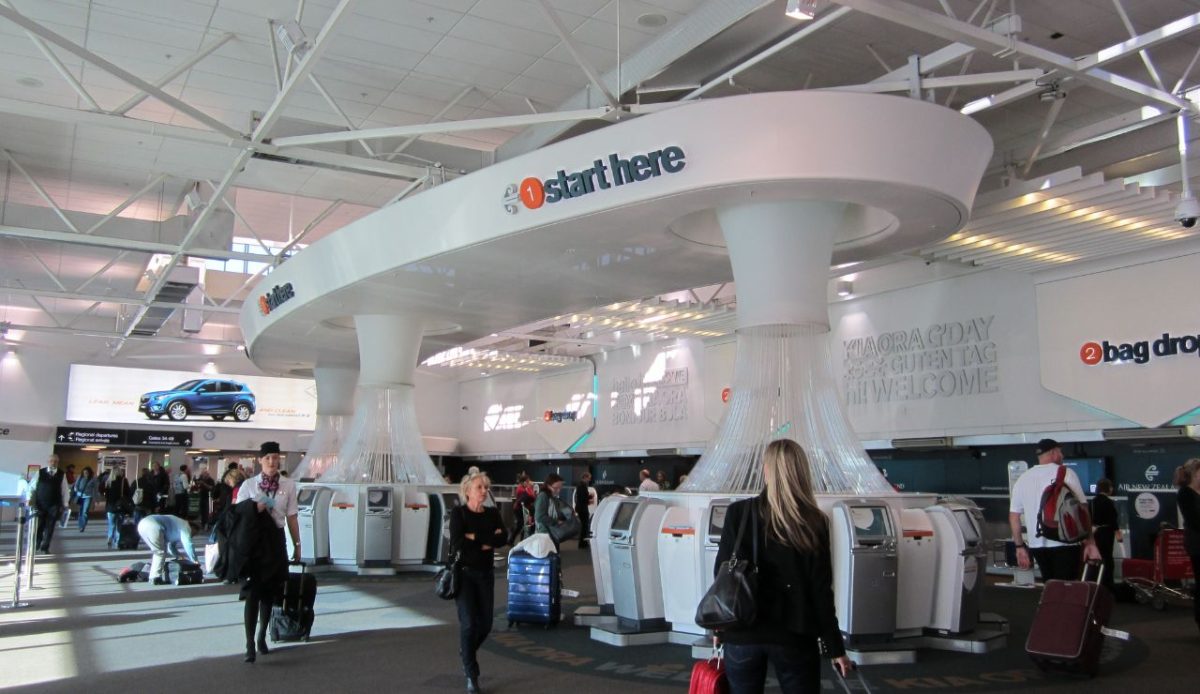
New Zealand enforces strict biosecurity rules, and food is a common flashpoint. Government guidance says fresh fruit and vegetables cannot be brought in, and travelers must declare biosecurity risk items, including many foods, seeds, plant products, and outdoor gear.
That catches people who think only in terms of customs value. An apple from the plane, trail mix with seeds, a sandwich saved for later, or muddy hiking boots can all matter because the system is designed to stop pests and disease.
For travelers, the lesson is simple: small does not mean exempt. In New Zealand, the item that disrupts arrival is often the one packed for convenience, not resale.
6. Australia and the food or gear you meant to use later
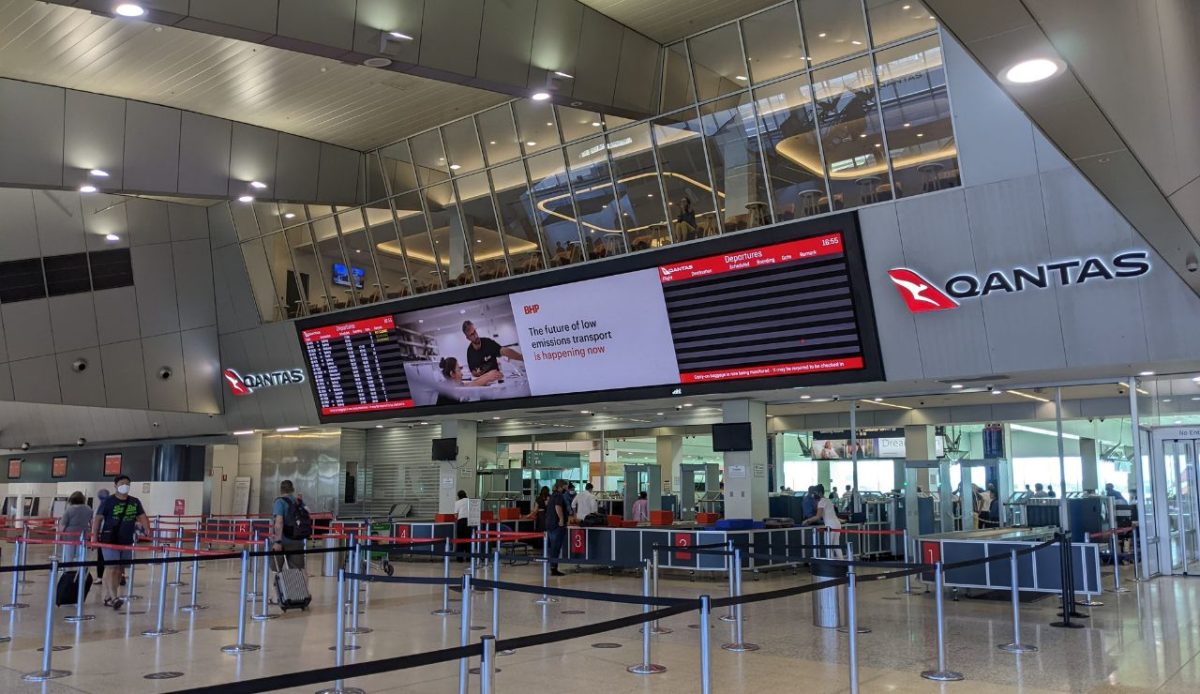
Australia takes the same no-nonsense approach to biosecurity that catches many first-time visitors out. Border guidance says food items need to be declared, and footwear, clothing, and equipment used in rural areas or near animals must be cleaned and declared on arrival.
That means trouble can start with items that feel practical rather than risky, such as spices, snacks, camping gear, dirty boots, or sports equipment. The issue is whether the item could carry soil, pests, or disease.
Australia’s system rewards declaration rather than guesswork. Officials advise travelers to declare goods so they can be assessed, making last-minute improvisation the wrong move at the airport.
7. Rwanda and the plastic bag you forgot was there
Rwanda’s plastic bag ban sounds simple until you realize how many bags travelers carry without thinking. Official tourism guidance says plastic bags are banned by law and that any plastic bags in your luggage will be confiscated at the airport or other point of entry.
That can catch people carrying shopping bags, spare packaging, or plastic pouches used to separate shoes, toiletries, and laundry in a suitcase. None of it feels important while packing, which is exactly why it is easy to overlook.
What makes Rwanda unexpected is how ordinary the banned item is. It is one of the most common objects in travel packing, and that is exactly why the rule can surprise people on arrival.
8. The Philippines and medicine without supporting documents
The Philippines can feel straightforward for travel, but official guidance on inbound prescription drugs adds a detail. Travelers bringing prescription medicines should carry a letter or medical certificate from their physician stating the condition treated and the dosage.
That matters because medicine is one of the least questioned items in most suitcases. Many people assume original packaging will be enough. In some cases, supporting documentation separates a smooth arrival from extra scrutiny.
The issue is not always the medicine itself but the missing explanation. A traveler with a genuine medical need can still lose time and create stress if paperwork is absent.
