
Chicago’s architecture tours are drawing renewed interest because they turn the skyline into a readable timeline. Chicago is widely described as the birthplace of the modern skyscraper, so even a short tour carries unusual historical weight.
Visitors can move from early steel-frame landmarks to later modern icons within the same district. That makes the city easier to understand than destinations where important buildings are scattered far apart.
The appeal also comes from variety. River cruises, Loop walks, and neighborhood routes give first-time visitors and repeat travelers more than one way to approach Chicago’s built history.
River Cruises Make the Story Easy to Follow
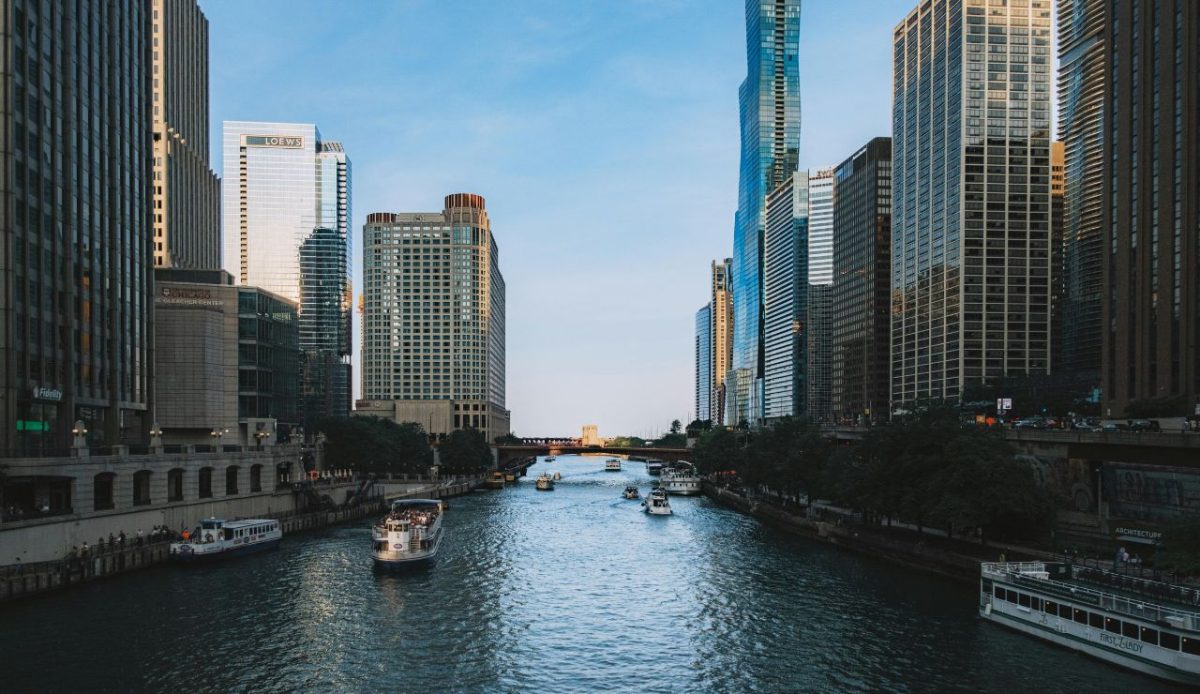
River cruises remain the easiest way into Chicago’s architectural story because the river frames multiple eras at once. From the water, guides can connect bridges, warehouse conversions, office towers, and setback skyscrapers in one narrative.
The Chicago Architecture Center’s official river cruise runs for 90 minutes and is led by trained docents. That gives visitors a guided overview without requiring prior knowledge of architecture or history.
For many travelers, the format feels approachable rather than academic. The moving viewpoint helps people compare styles quickly, which explains why these tours keep attracting strong interest.
Loop Walks Reveal Details the Water Cannot Show
Walking tours in the Loop offer a different reward. Instead of broad skyline views, they focus on the close reading of façades, entrances, lobbies, ornament, and street patterns that shaped Chicago’s business district.
Chicago Architecture Center’s focus on early skyscrapers and Art Deco buildings works especially well in this slower format. They show how engineering advances changed not just height, but also decoration, circulation, and movement through downtown.
That makes historic walking tours feel relevant rather than nostalgic. Visitors leave with a clearer sense of how design decisions from earlier eras still organize the city today.
Neighborhood Routes Expand Interest Beyond Downtown
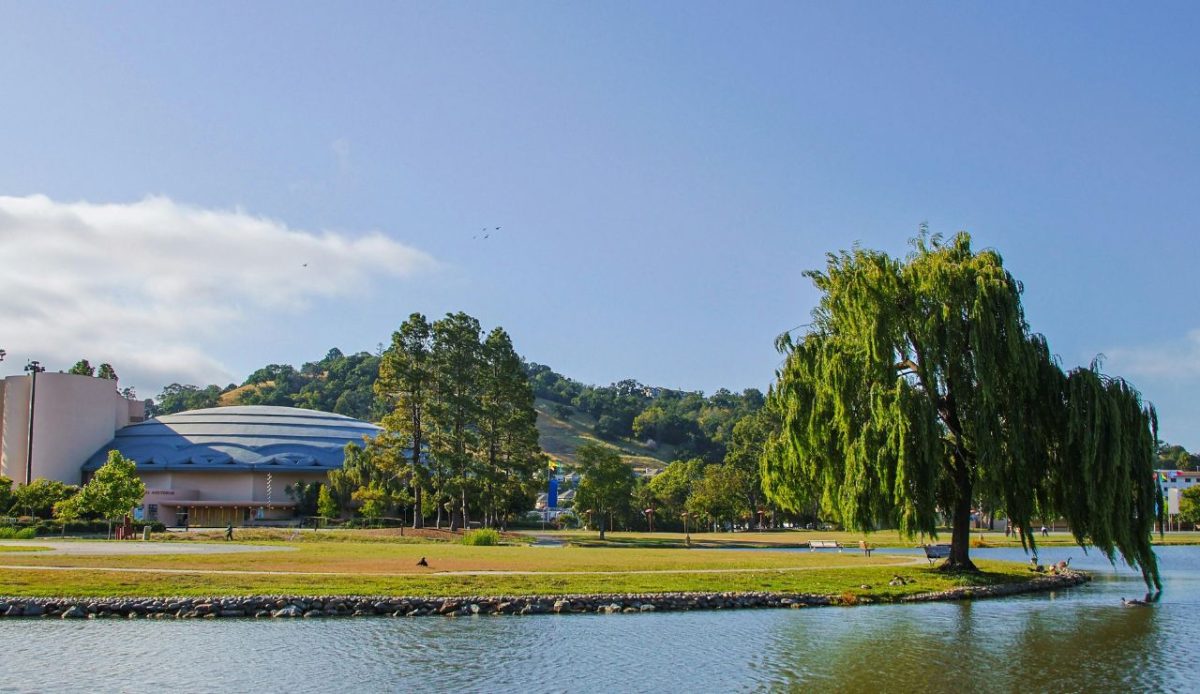
Another reason for fresh interest is that Chicago’s tours no longer focus only on downtown icons. City guides point travelers toward historic districts, Frank Lloyd Wright sites, and important landmarks beyond the central core.
That wider spread helps architecture tourism feel less repetitive for returning visitors. Instead of repeating postcard views, travelers can connect famous towers with residential design, preservation stories, and local history.
The result is a broader picture of the city. Chicago’s architecture becomes not just a skyline topic, but a neighborhood story shaped by transit, industry, housing, faith, and civic ambition.
Public Events Keep Historic Buildings in the Spotlight
Public programs are also helping keep architecture in view. Open House Chicago offers behind-the-scenes access to more than 200 sites across 25 neighborhoods, including many places normally closed to the public.
Events like that turn casual curiosity into repeat interest. Someone who begins with a boat tour often returns for a festival weekend, a themed walk, or a self-guided visit to buildings first noticed in passing.
This matters for tourism because it creates momentum beyond a single attraction. Chicago’s historic architecture becomes something visitors can keep exploring across several trips and seasons.
The Tours Fit Easily Into a Wider Chicago Visit
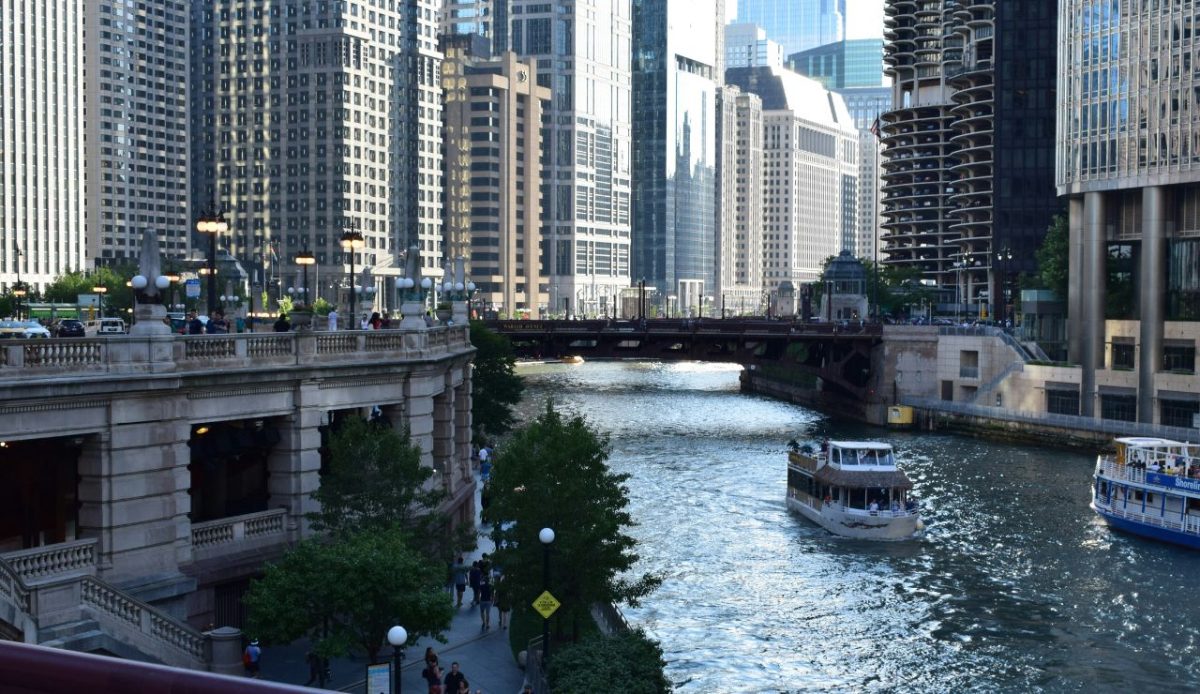
Part of the renewed appeal is practical. Architecture tours fit easily into a Chicago itinerary because they combine sightseeing, history, and orientation. A visitor can learn the city’s layout and spot landmarks for later visits in one session.
They also work across seasons and budgets. Travelers can choose a river cruise, a focused guided walk, or free public programming tied to architecture and preservation. That flexibility broadens the audience beyond enthusiasts.
As a result, Chicago’s historic tours keep finding new demand. They offer substance, not just scenery, and that helps them stand out in a city rich with major attractions.
