
Border towns run on routine movement. When rules shift, cash flow breaks fast for shops, drivers, brokers, and day workers whose pay depends on crossings that once felt ordinary.
The latest changes range from passport and visa enforcement to shorter opening windows and outright closures of specific gates. Inspections, permits, and limited entry categories also add waiting time that kills same-day trade and disrupts deliveries.
These twelve towns show the same pattern. Less movement means fewer transactions, fewer jobs, and higher prices for basics. Each section links the squeeze to a concrete rule change at a named border post and the local income it supported.
1. Torkham, Pakistan
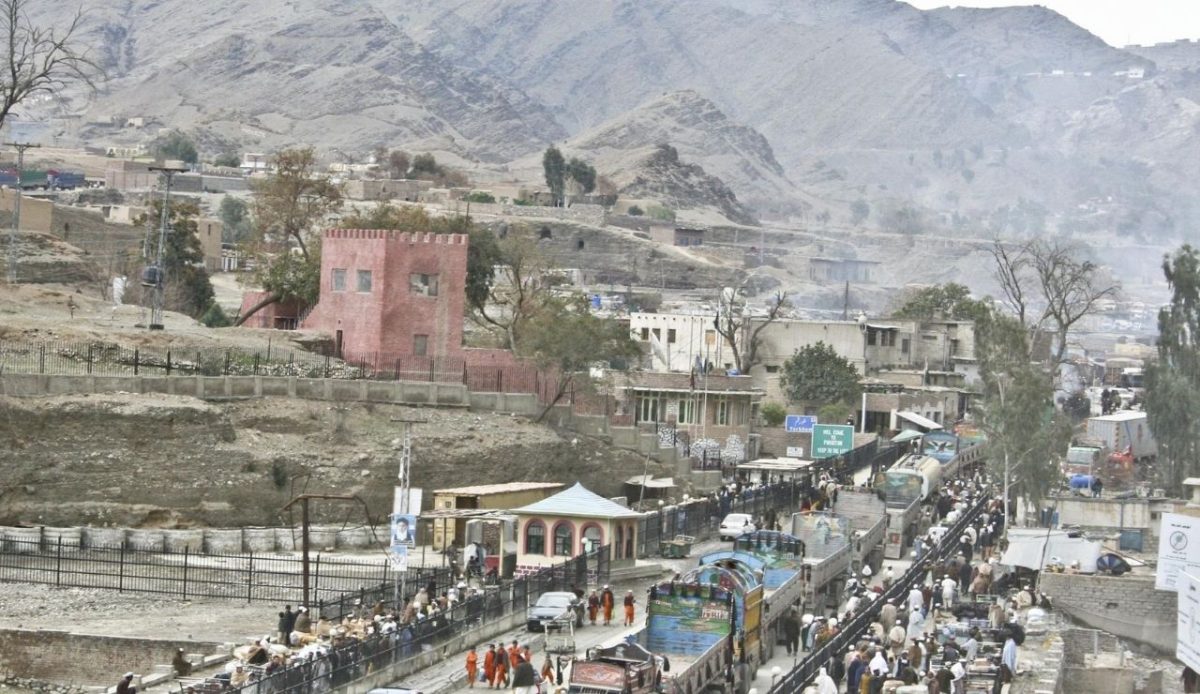
Torkham is the main freight gate between Pakistan and Afghanistan, so the town’s income comes from trucks. Clearing agents, loaders, welders, food stalls, and small lodging all earn when vehicles keep moving.
Pakistan began enforcing passport and visa entry for Afghan drivers who had long crossed with looser paperwork. Large queues formed, cargo spoiled, and transport firms faced missed contracts as turnaround times stretched.
With fewer trucks clearing, daily wage shifts disappeared, and shop sales fell. Wholesalers shifted routes where possible, while local households cut spending. The rule change hit a town built around predictable freight flow.
2. Chaman, Pakistan
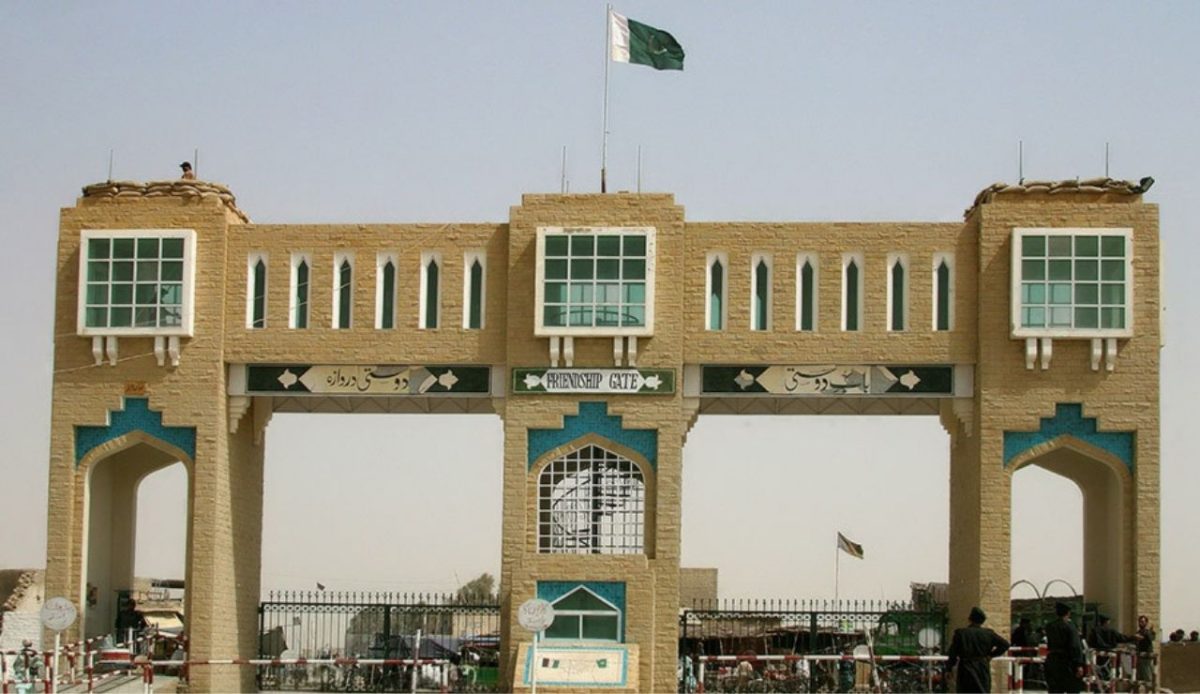
Chaman’s bazaar and labor market grew around short trips across the Pakistan-Afghanistan line. Porters, small traders, and transporters depended on steady foot traffic and quick purchases that repeated day after day.
A tighter one-document policy replaced older local crossing arrangements, requiring passports and visas for movement. Many residents lacked documents, so crossings dropped sharply, and trading routines were interrupted.
As traffic fell, stalls near the gate lost customers and casual jobs dried up. Household budgets tightened, and price gaps that once drove border shopping became harder to reach. The new requirement changed how the town earns.
3. Spin Boldak, Afghanistan
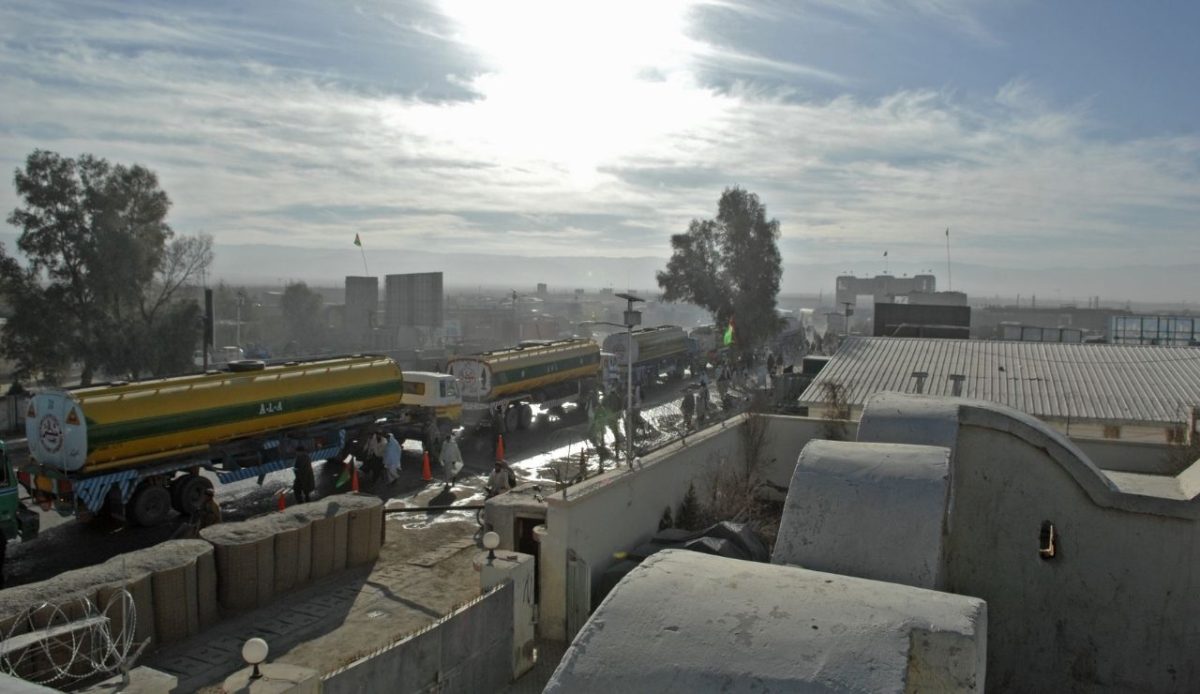
Spin Boldak sits opposite Chaman and depends on the same corridor for work and supplies. Local trucking, warehousing, and retail rely on people who cross to buy goods, find jobs, or move shipments.
When Pakistan enforced passports and visas at this route, Afghan workers and small merchants were blocked or delayed. Fewer traders reached Pakistani wholesalers, and day laborers lost access to steady short-term work.
Lower footfall reduced sales in markets and cut demand for transport services. Prices rose for items that had moved easily across the gate, while cash income fell. A rule set on one side quickly weakened the other side’s town economy.
4. Virolahti, Finland
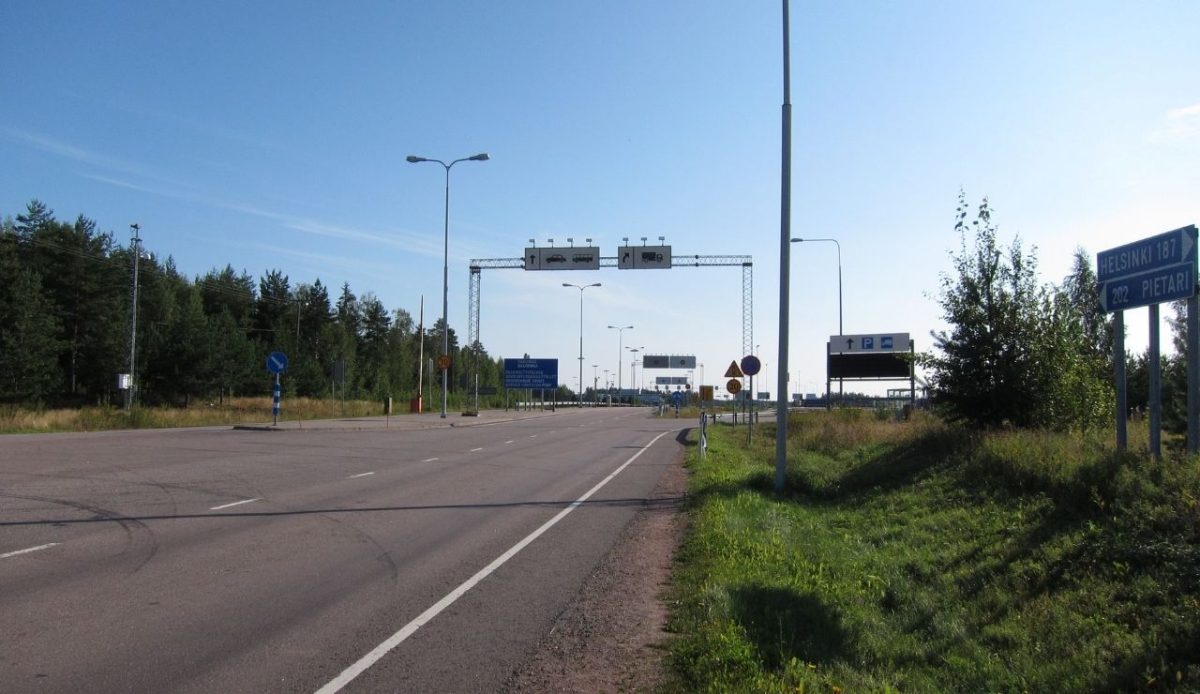
Virolahti hosts Vaalimaa, one of Finland’s major road crossings with Russia. Nearby service stations, shops, and logistics firms were built around predictable flows of travelers and transit traffic.
Finland closed its eastern land border after citing security concerns tied to irregular migration pressures. With the gate shut, Russian customer visits and through traffic ended, and many border services lost their main demand.
Revenue dropped for retailers and roadside services, and seasonal staffing was reduced. Local plans shifted toward replacement jobs and new visitor markets, which take time to develop. A single closure decision removed a core economic engine.
5. Lappeenranta, Finland
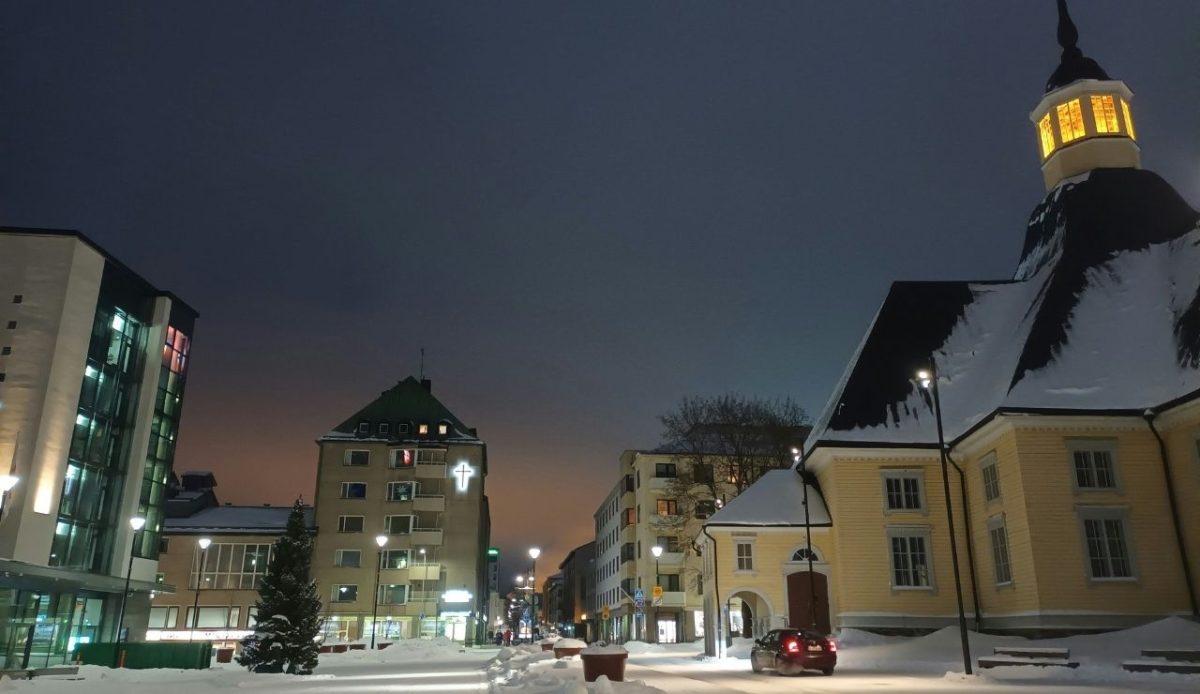
Lappeenranta benefited from proximity to Russia through shopping trips, tourism stays, and service spending that spilled into hotels, restaurants, and taxis. The city’s firms priced and staffed around regular cross-border demand.
As Finland kept eastern crossings closed and tightened entry conditions, the visitor stream largely disappeared. Businesses that once counted on weekend traffic faced sudden gaps, and suppliers adjusted orders downward.
Retail vacancies increased, hospitality hours were cut, and some services pivoted toward domestic customers. The loss also reduced tax receipts tied to sales and employment. Border policy shifts became a local recession driver.
6. Narva, Estonia
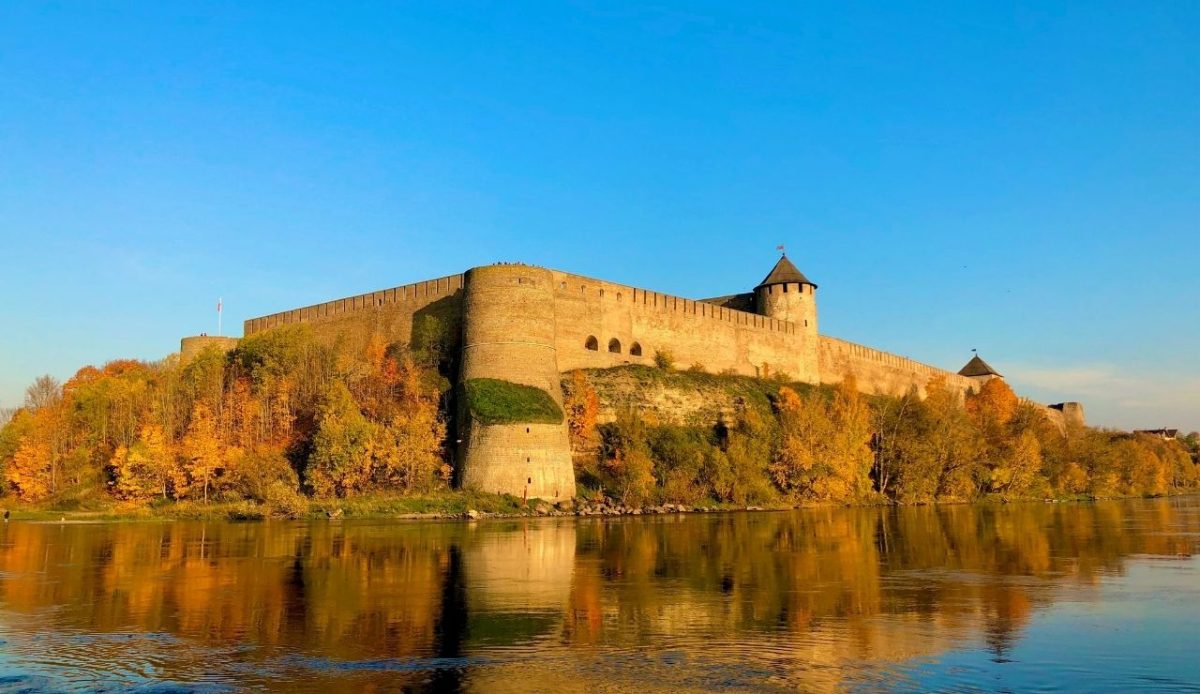
Narva’s economy has long relied on routine crossings into Russia for shopping, family visits, and small commerce. Many local services exist because same-day travel was practical for residents on both sides.
Operating hours at the Narva Ivangorod crossing were limited, and customs controls on restricted goods became stricter. Long waits became common, so quick trips turned into all-day commitments that fewer people attempt.
Reduced crossings cut sales for nearby shops and lowered demand for taxis and short stay services. Informal trading also declined as risk and delay increased. Time limits and tighter checks acted like a slow closure for the town.
7. Kirkenes, Norway
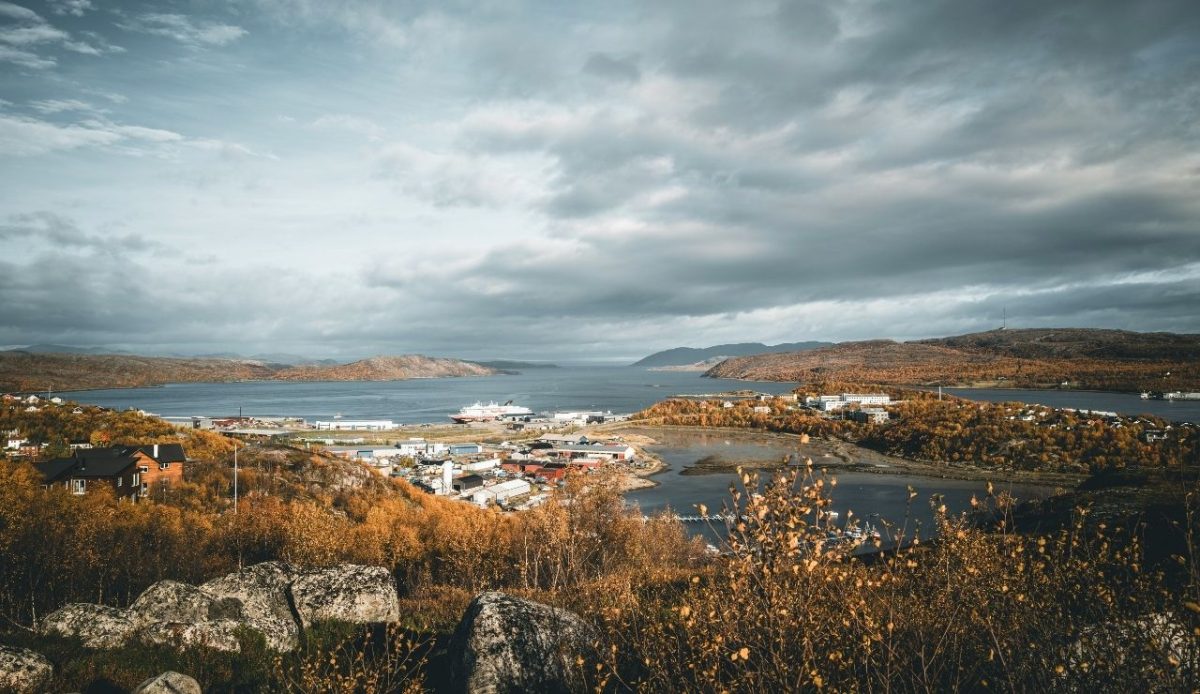
Kirkenes sits near Storskog, Norway’s only land crossing with Russia, and local income once came from frequent Russian shoppers and visitors. Hotels, groceries, and tour operators benefited from short stays and errands.
Norway tightened entry rules for Russian nationals, restricting tourist-style travel and limiting who could legally enter. Border traffic fell, and the spending that supported small firms dropped with it.
Businesses reduced staff hours, and some seasonal services paused operations. The change also affected suppliers, since fewer visitors meant lower volume orders. For a small town, the loss of regular crossers quickly becomes structural.
8. Kuźnica Białostocka, Poland
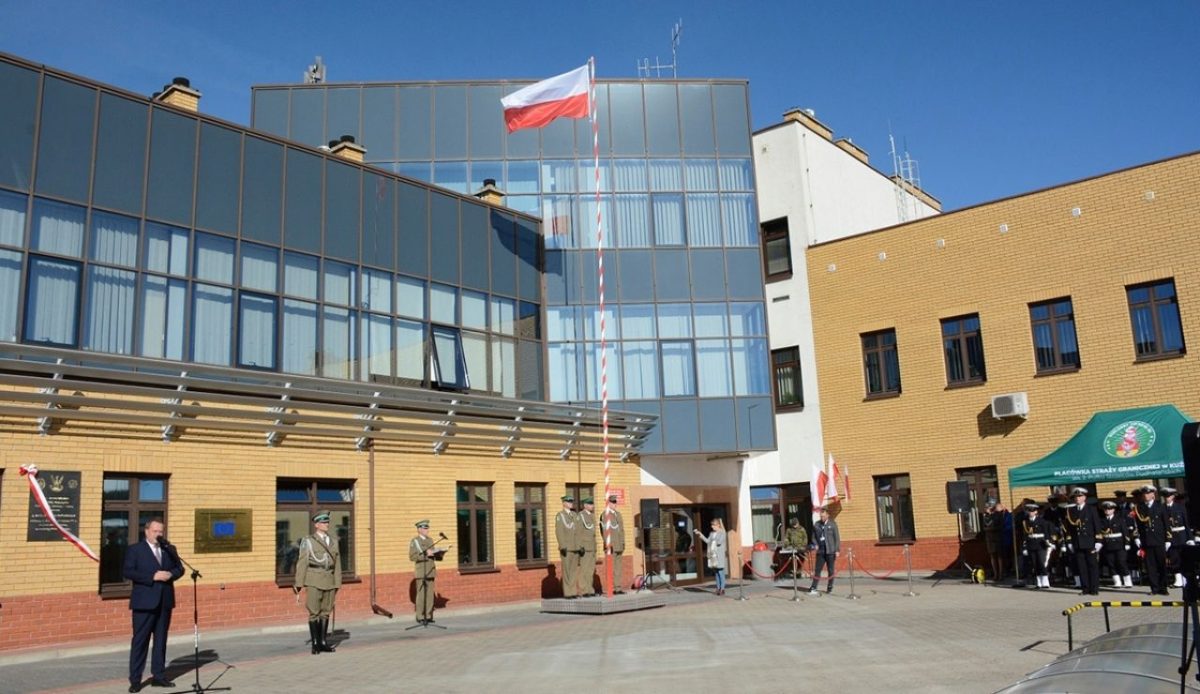
Kuźnica Białostocka grew around the Kuźnica Bruzgi border post with Belarus. Local transport, warehousing, roadside retail, and small services relied on steady passenger and freight movement through the gate.
Poland closed the crossing as part of tougher border measures tied to security and migration disputes. When the checkpoint stopped operating, traffic and the spending attached to it vanished immediately.
Fuel stations, shops, and logistics support lost turnover, and many workers saw fewer shifts. Even if some movement later returns, long closures break business contracts and customer habits. A border gate that goes dark can drain a town’s cash base.
9. Bobrowniki, Poland
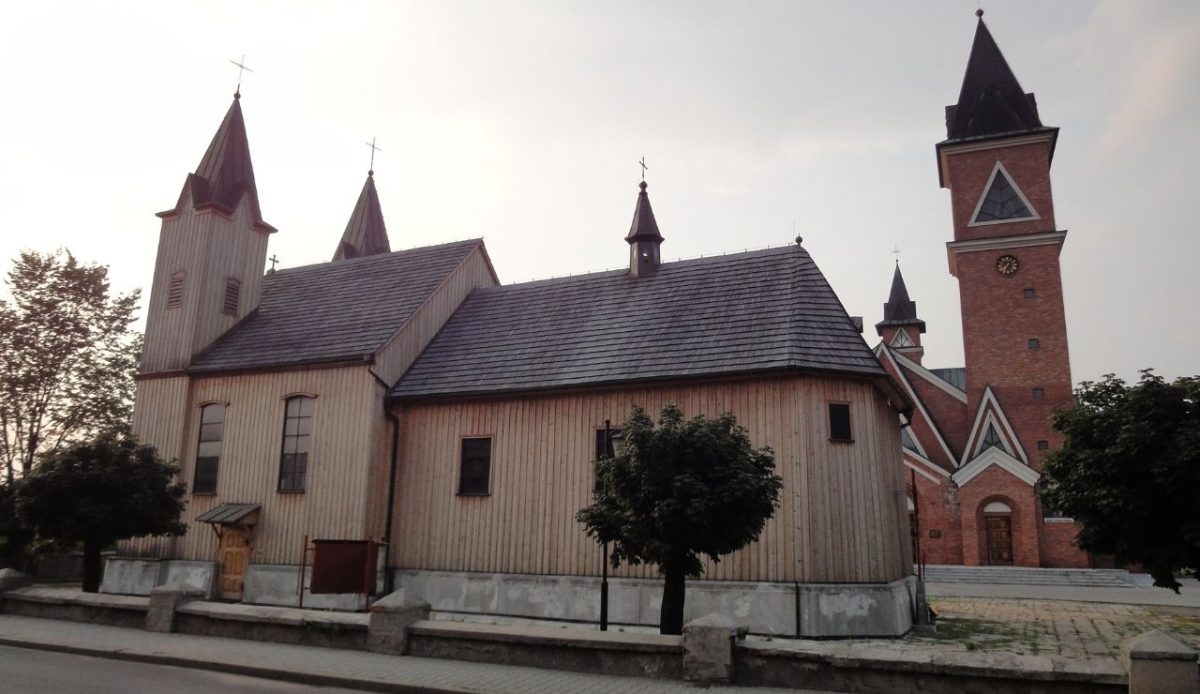
Bobrowniki depended on the Bobrowniki Berestovitsa crossing for passenger flow and small-scale trade with Belarus. Border traffic supported local retail, freight services, and jobs tied to inspection and transit support.
After policy decisions closed the crossing, the town lost its main external customer stream. Vehicle flow dropped to near zero, leaving border-oriented services without viable demand.
Shops reduced inventory, and transport operators rerouted or shut down. Income losses spread to landlords and municipal revenues as vacancies rose. A formal closure does not just pause trade; it can permanently reduce local business confidence.
10. Terespol, Poland
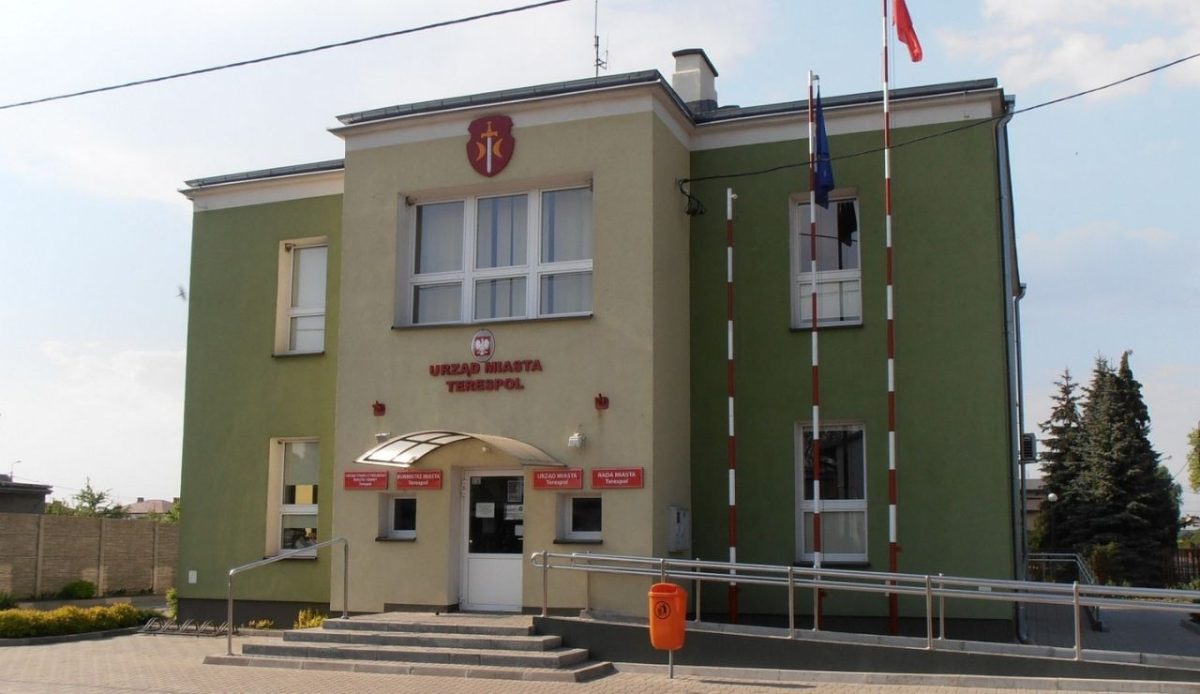
Terespol sits on a main corridor into Belarus and serves rail and road travelers near the Brest border area. Local firms earn from transit services, freight handling, and the steady needs of people waiting to clear checks.
Poland ordered a border closure with Belarus during heightened security conditions, stopping legal movement at crossing points. When the Terespol route is shut or heavily restricted, traffic collapses, and waiting-related spending disappears.
Less flow means fewer customers for food, lodging, and local transport, while logistics firms absorb delay costs and contract risk. Workers paid per shift feel the drop first. For Terespol, a closure order at the gate can pull income out of the town quickly.
11. San Ysidro, United States
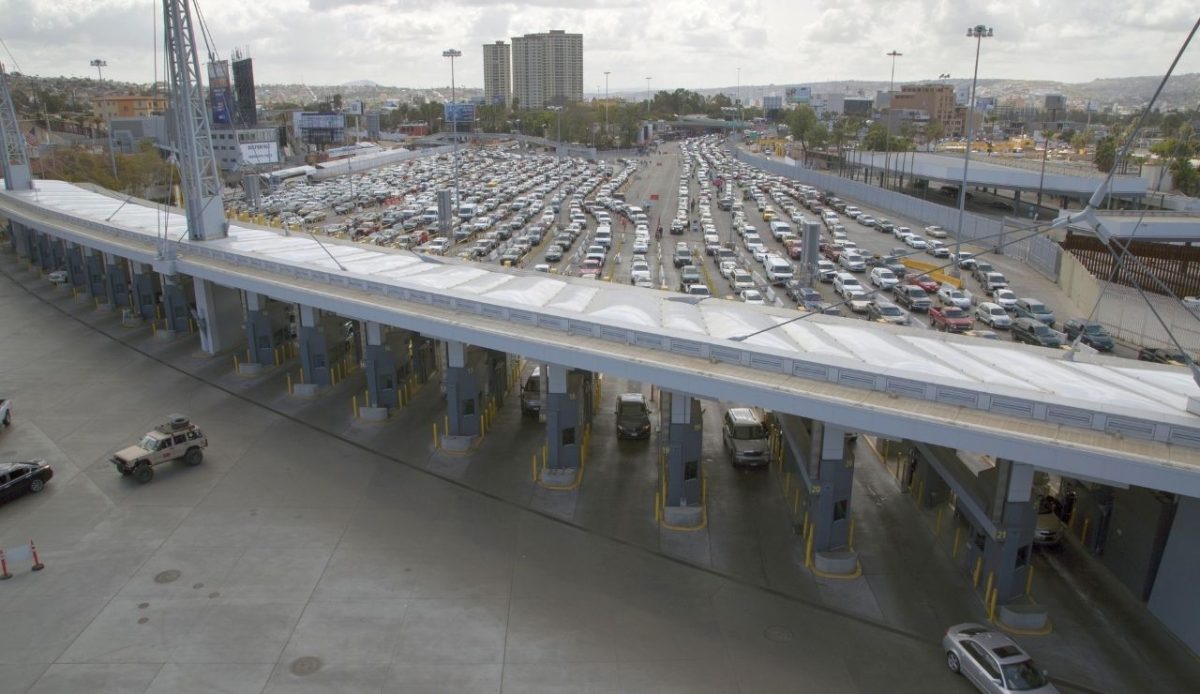
San Ysidro is anchored to the busiest U.S. land border zone with Mexico, where pedestrian crossings feed dense retail and service activity. Many storefronts survive on daily shoppers, commuters, and quick errands from both sides.
At the PedWest facility, operating limits and partial shutdowns reduced foot traffic and made crossing patterns less reliable. When lanes close or hours shrink, shoppers change routes, postpone trips, or stop coming.
Small businesses reported lower sales and reduced staffing, and nearby commercial rents became harder to justify. Impacts spread to vendors and contractors who supply these shops. For San Ysidro, fewer predictable walkers quickly translates into weaker local cash flow.
12. Lukeville, United States
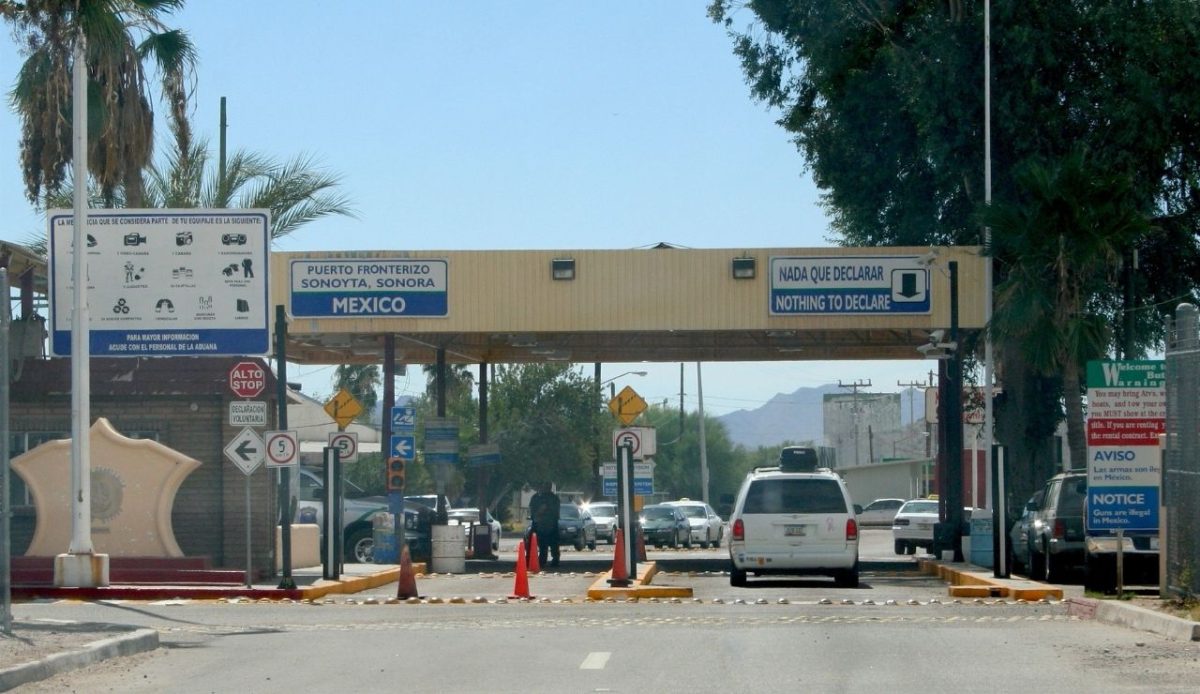
Lukeville is a small Arizona port of entry linking to Sonoyta, Mexico, and it supports tourism, cross-border shopping, and regional travel. Local stores, fuel stops, and nearby towns depend on visitors who pass through the gate.
U.S. authorities temporarily closed the Lukeville crossing to shift staff toward enforcement needs elsewhere, halting lawful traffic. With the road cut, travelers rerouted for hours or canceled trips, and border spending disappeared.
Businesses on both sides lost revenue immediately, and employees faced shorter hours. Even after reopening, habits changed, with some tourists choosing other destinations. A short closure can leave a long economic scar in a place with few substitutes.
