
Airport upgrades are usually presented as a way to make flying easier, with promises of smoother passenger flow, better terminals, and faster processing. In reality, many travelers experience the opposite during these projects.
The main issue is that improvements often introduce short-term disruption, unfamiliar layouts, and added decision points. Even when the end goal is efficiency, the transition period can feel messy and demanding.
For passengers already dealing with time pressure, security checks, and delays, that extra friction matters. A terminal may look newer, but the travel experience can still feel more stressful than before.
Construction Disruption Often Creates Immediate Pressure
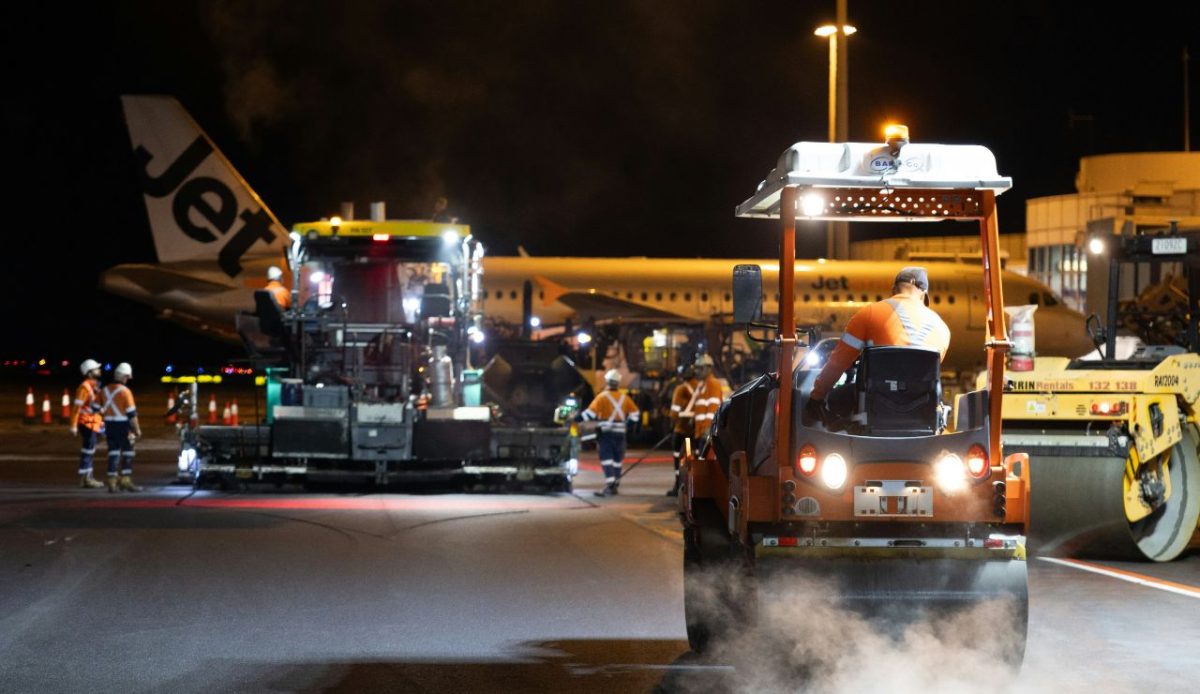
One of the biggest reasons flyers feel worse is the disruption caused by the renovation itself. Airport projects often take years, leaving travelers to move through blocked corridors, noisy work zones, and temporary waiting areas.
Those interim arrangements rarely feel smooth. Security checkpoints may be relocated, gates reassigned, and walking routes can become longer and less direct than passengers expect during a busy trip.
Even when improvements are clearly underway, the construction phase creates uncertainty at every stage. Instead of reducing stress immediately, the upgrade period often adds confusion and physical strain to the journey.
New Technology Can Make Simple Tasks Feel Less Clear
New airport technology is meant to improve flow, but inconsistent use can create fresh frustration. Travelers may encounter scanners, bag drops, and digital boarding systems that work differently from one terminal to another.
That lack of consistency forces passengers to keep adjusting. One checkpoint may require electronics to stay packed, while another follows older procedures, making the process harder to predict and more tiring.
When airports run upgraded systems alongside older ones, the result can feel uneven rather than streamlined. The promise of speed remains, but the passenger experience often becomes more complicated in practice.
Retail-Focused Design Can Reduce Everyday Comfort
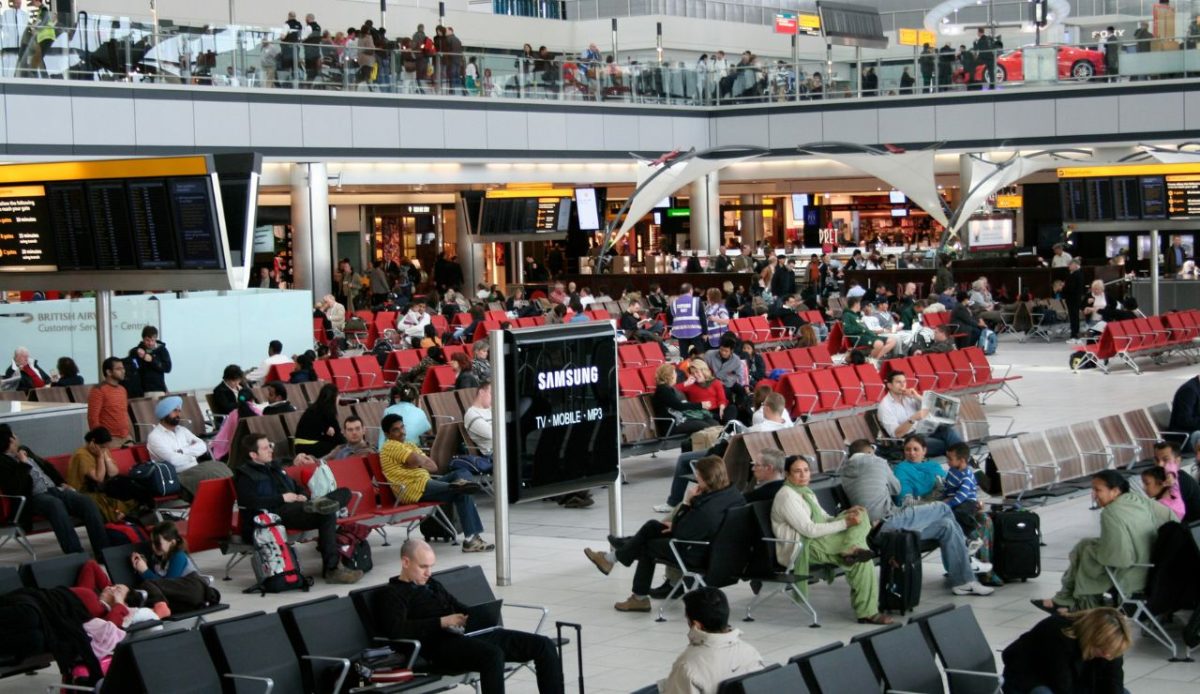
Many upgraded terminals now devote more space to retail areas, dining, and premium lounges. While these features can boost airport revenue, they do not always improve comfort for the average passenger moving through the terminal.
In some cases, seating becomes harder to find, and walking paths become longer as travelers are directed through shopping-heavy spaces before reaching their gates. That design can add noise, crowding, and visual overload.
For passengers who simply want a quiet place to sit and wait, the experience may feel less practical than before. A terminal can look polished while still being less relaxing for everyday flyers.
Unfamiliar Layouts Can Increase the Feeling of Losing Control
Airport stress is not only about delays or lines. Familiar layouts help travelers feel oriented, so when upgrades change entrances, checkpoints, and gate areas, passengers can lose the sense of control that makes travel manageable.
That disorientation matters because airports already combine time pressure, security demands, noise, and constant movement. When a known routine disappears, even experienced flyers may feel more tense than expected.
As a result, improvements that seem logical from a design perspective can still make travel feel harder. A better building does not always create a calmer emotional experience for the people using it.
Long-Term Benefits Do Not Always Improve the Trip Today
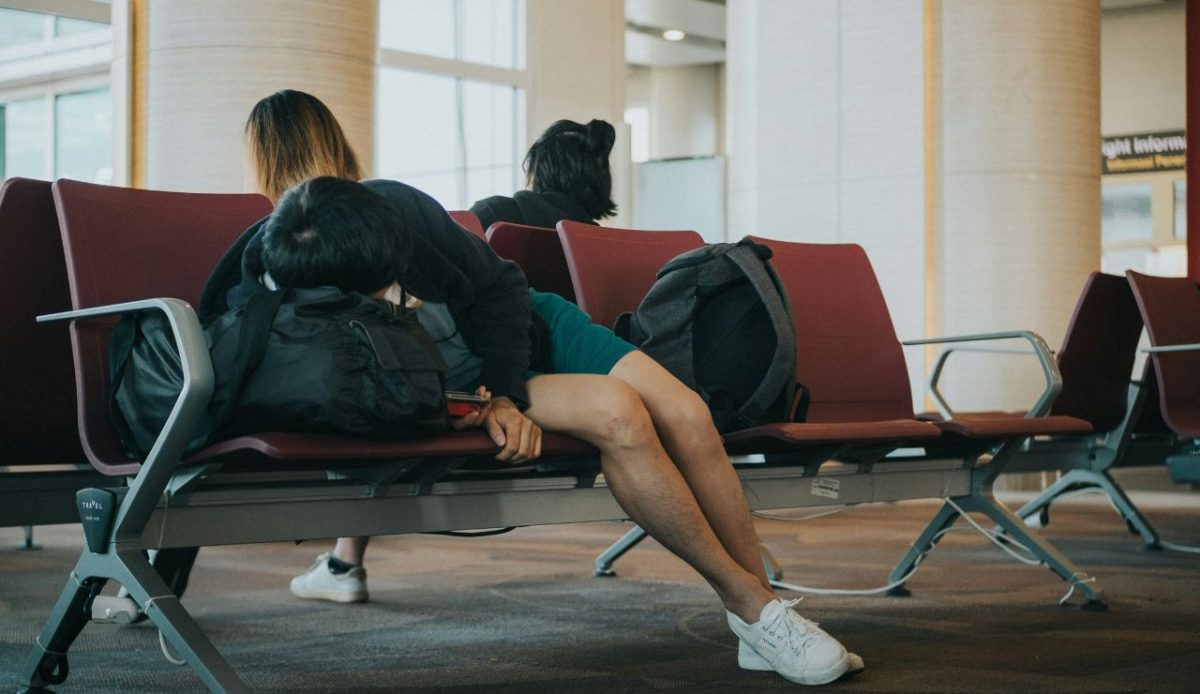
Airport upgrades are usually aimed at long-term efficiency, but many travelers judge them by what they experience in the moment. If the reality includes noise, detours, and crowding, stress levels often rise instead of falling.
That helps explain why newer terminals do not always feel better to use. The benefits may exist on paper, yet passengers still respond most strongly to lost time and reduced comfort during the journey.
Until upgrades improve both function and day-to-day ease, many flyers will continue to feel worse rather than better. Modern infrastructure alone is not enough to make the airport experience feel calmer.
